 Vera Clarissa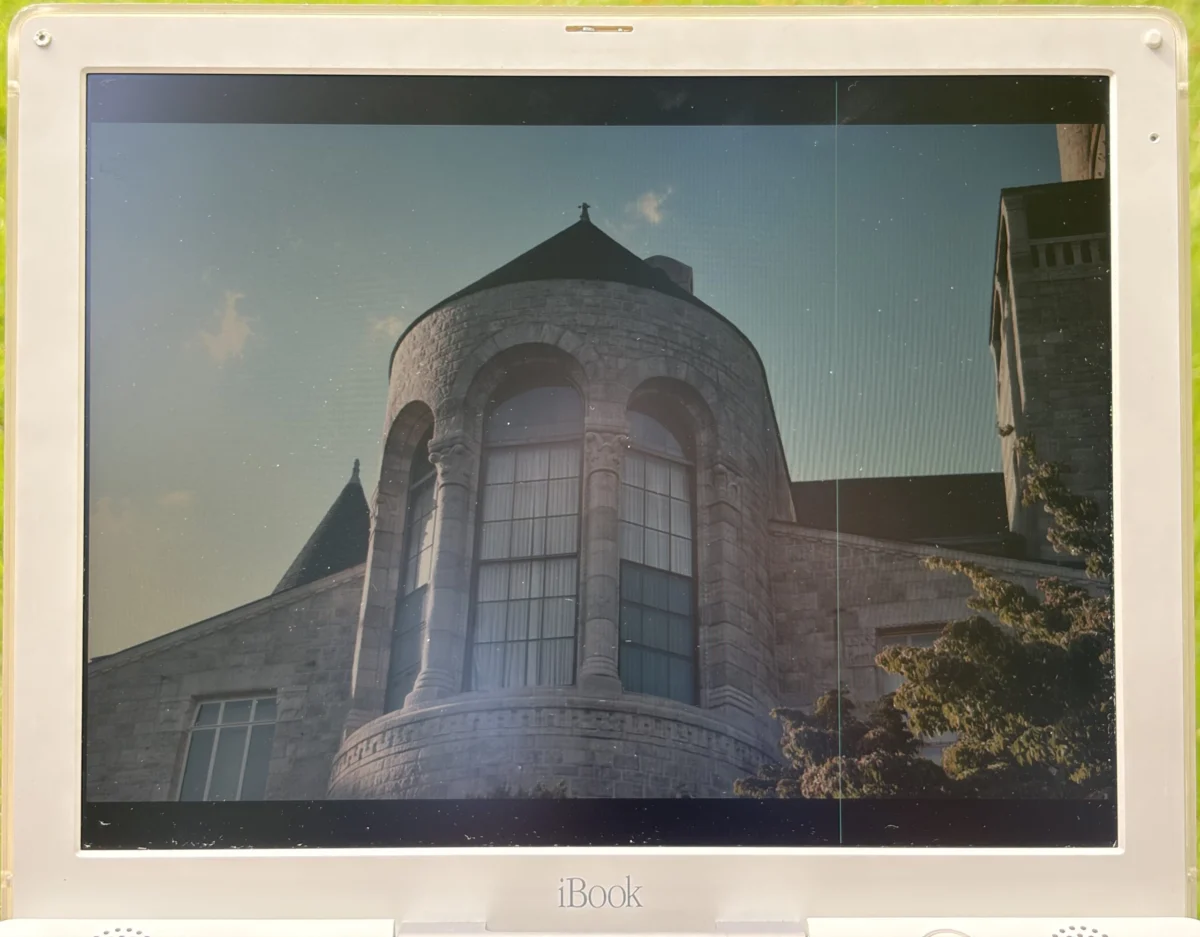
The intersection of legacy hardware and modern digital photography has created an unexpected niche for enthusiasts seeking a distraction-free, ruggedized, and offline workflow. As professional photographers and hobbyists alike grapple with the complexities of cloud-dependent ecosystems and the fragile nature of modern, high-cost equipment, a movement is emerging to repurpose early 2000s hardware—specifically the Apple iBook G3—as a reliable, self-contained field workstation. This trend highlights a broader shift toward "digital minimalism," where the goal is to isolate the creative process from the constant connectivity of contemporary devices.
The Evolution of Portable Computing and Photography
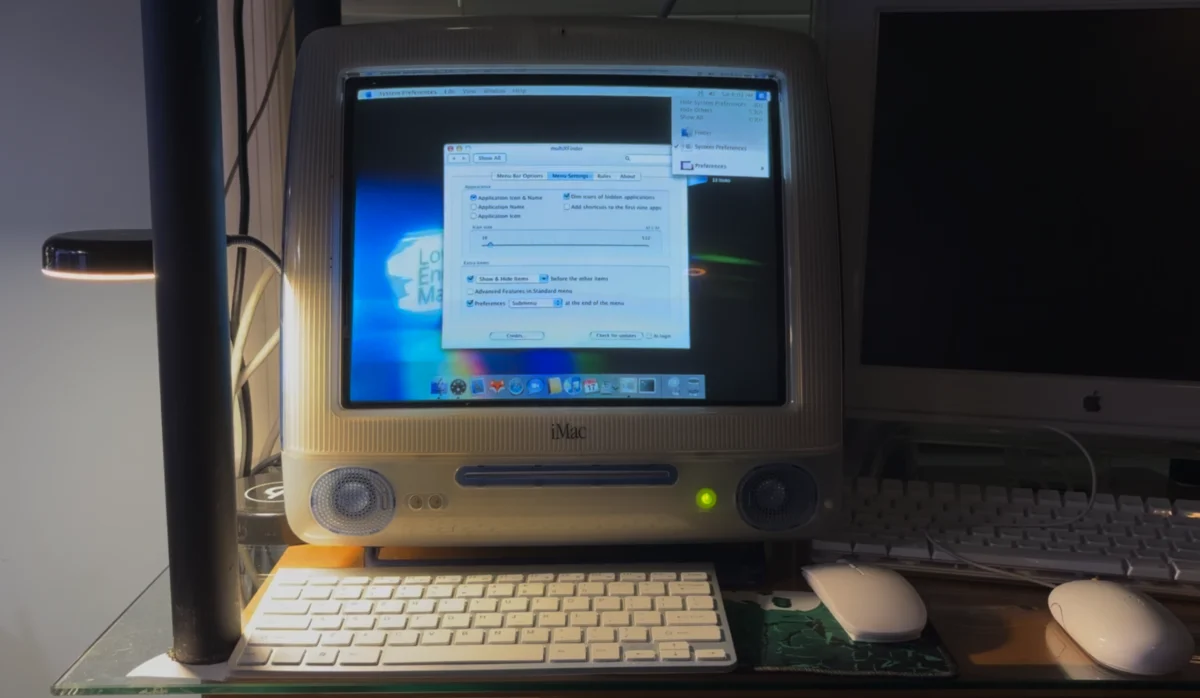
In the early 2000s, Apple’s iBook G3, affectionately known as the "IceBook" due to its translucent polycarbonate design, represented the pinnacle of consumer-grade mobile computing. Released during a time when digital photography was in its infancy, these machines were designed for education and basic productivity. Today, however, these units are being rediscovered for their inherent durability and their ability to function as high-utility, secondary devices for photographers using older DSLR models.

The primary limitation of many DSLRs manufactured between 2000 and 2010 is the integrated liquid crystal display (LCD). These screens were often limited in resolution, color accuracy, and brightness, making it difficult to verify focus, exposure, or color balance in the field. While modern solutions involve tethering a camera to a smartphone via wireless protocols, this often requires mobile data, introduces battery drain, and subjects the user to the distraction of push notifications and social media alerts. The iBook G3 offers a deliberate, analog-like alternative that keeps the user focused on the image capture process.
Chronology of the Retro-Tech Integration
The resurgence of the iBook G3 began in the enthusiast community, gaining traction as prices for vintage PowerPC hardware dropped significantly. The following timeline outlines the adoption of these machines for modern field use:
- 2000–2003: The iBook G3 series is produced, featuring 500 MHz to 900 MHz processors, which were sufficient for the image file sizes of that era.
- 2010–2015: As cloud storage and mobile connectivity became the standard for professional photography, legacy hardware was largely relegated to electronic waste or collectors’ shelves.
- 2020–2025: A growing movement of "digital nomads" and hobbyists begins experimenting with offline workflows to reduce screen fatigue and improve mental focus.
- 2026: The documentation of successful workflows, involving the use of SDHC adapters and IDE-to-mSATA storage upgrades, cements the iBook G3 as a viable, low-cost utility device for offloading images in remote environments.
Technical Feasibility and Hardware Enhancements
The iBook G3, particularly the 500 MHz model, remains surprisingly capable of handling modern 12.1-megapixel JPEG files. While raw processing speeds were designed for a different era, the machine can open these files within seconds. The integration of modern storage solutions—specifically replacing aging mechanical hard drives with IDE-to-mSATA or IDE-to-SD adapters—has significantly improved performance, reliability, and battery longevity.

Performance Specifications and Modifications
To render an iBook G3 suitable for a 2026 workflow, several modifications are typically undertaken by users:
- RAM Expansion: Increasing memory to the 576 MB limit is essential for handling larger file sizes and ensuring a smoother experience under Mac OS X Tiger.
- Storage Upgrades: The transition from 10–20 GB mechanical drives to 128 GB solid-state solutions reduces weight, eliminates noise, and allows for the storage of thousands of high-resolution photographs.
- Display Considerations: While the original TFT display is adequate for basic viewing, it lacks the brightness required for direct sunlight. Advanced users are exploring LED backlight modifications to enhance visibility in outdoor settings, effectively updating the display technology while retaining the classic aesthetics of the machine.
Broader Implications for Digital Minimalism
The decision to pair a vintage iBook with an older DSLR is not merely a cost-saving measure; it is a statement on the state of modern technology. By removing the device from the cloud, the photographer achieves a level of data sovereignty that is increasingly rare. This setup functions entirely independent of Wi-Fi, cellular signals, or subscription-based software services.
Economic and Environmental Impact
From an economic perspective, the iBook G3 represents an "extreme value" proposition. Available in secondary markets for as little as $10 to $50, these machines prevent perfectly functional hardware from entering the waste stream. The environmental impact of extending the lifespan of a piece of hardware by 25 years is significant, as it delays the demand for new resource-intensive electronics.

Psychological Benefits
Industry analysts have noted that the constant connectivity of modern devices contributes to "cognitive load," which can impede creativity. By using a device that cannot connect to the internet, photographers report a higher level of immersion in their work. The iBook G3 serves as a "focus tool," a category of hardware designed specifically to prevent multitasking.
Industry Response and Future Outlook
While no major hardware manufacturer has yet pivoted back to offline-only field viewers, the trend has been noted by niche technology retailers. The demand for legacy adapters and power supplies for older Mac hardware has seen a modest uptick.
"The professional photography community is beginning to see that the ‘latest’ is not always the ‘best’ for the creative process," says one independent hardware restoration specialist. "When you remove the social pressure of constant sharing and the technical complexity of cloud synchronization, you are left with the core act of photography. The iBook G3 provides that clean slate."

Looking ahead, as more photographers look to lower their carbon footprint and reclaim their attention, the market for "vintage-modern" workflows is likely to expand. The iBook G3, with its rugged polycarbonate shell and legacy build quality, stands as a testament to the idea that technology does not need to be updated to remain useful. It remains a device that, despite being a quarter-century old, continues to fulfill its original design mandate: to provide a mobile, reliable, and functional environment for the user.
As the industry moves toward increasingly ephemeral digital experiences, the durability and tactile satisfaction of the iBook G3 offer a grounding presence. Whether used as a temporary storage vessel or a dedicated photo viewer, the integration of this classic hardware into modern workflows represents a mature and measured approach to the tools of the trade. For the photographer who values longevity, privacy, and an uninterrupted creative process, the "IceBook" is proving to be not just a relic, but a resurgence of practical, enduring design.