Chalid Lutfie
The SOUNDSHOCK project, which emerged from the underground chiptune and tracker music scene in the early 2010s, has evolved from a grassroots digital gathering into a definitive catalog of frequency modulation (FM) synthesis artistry. Orchestrated by the composer known as zinger and supported by the label Ubiktune, the series serves as a bridge between the historical limitations of 1980s and 90s hardware and the limitless potential of contemporary digital production.
Chronology of an Audio Movement
The origins of the project trace back to 2007, when zinger launched the SOUNDSHOCK forums. At the time, the internet was a fragmented landscape for musicians working with FM synthesis—a technique popularized by the Yamaha YM2612 sound chip found in the Sega Genesis/Mega Drive. These early digital forums provided a critical infrastructure for developers and composers to exchange technical data, share custom patches, and discuss the constraints of retro hardware.
By 2010, the focus shifted from pure technical discussion to collaborative artistic output. It was during this period that C-jeff, a prominent figure at the label Ubiktune, approached zinger regarding the possibility of a solo release. Instead of a single-artist endeavor, the conversation evolved into the conceptualization of the SOUNDSHOCK compilation series. This shift marked a transition from a community-based hobbyist group to a structured musical platform, formalizing the aesthetic of "FM-style chiptunes" for a wider audience.

The Technical Foundation: FM Synthesis and Tracker Culture
To understand the cultural weight of the SOUNDSHOCK series, one must examine the role of FM synthesis in video game history. Unlike subtractive synthesis, which shapes a waveform by removing harmonics, FM synthesis creates complex, metallic, and resonant tones by modulating the frequency of one oscillator with another. In the late 20th century, this was the backbone of arcade cabinet sound boards and home consoles.
The musicians associated with SOUNDSHOCK—including artists like boomlinde, Extent of the Jam, and the elusive Bomb Boy—utilize "trackers." These are software sequencers that allow for a vertical, grid-based approach to composition, originally designed to overcome the memory limitations of early computers. This methodology is central to the project’s identity. It requires a meticulous, almost mathematical approach to composition where every note is manually placed, echoing the programming-heavy workflow of 1990s demo scene coders.
Cross-Cultural Exchange: Bridging East and West
One of the most significant impacts of the SOUNDSHOCK project has been the facilitation of a cross-continental dialogue. The project successfully united artists from the Western demoscene with Japanese composers who were working within the legacy of the NEC PC-98 and Sharp X68000 computer cultures.
For many participants, the forum was the only venue where this cultural synthesis could occur. Prior to the widespread adoption of real-time translation software, communication was often limited to the exchange of game titles and composer names. This shared language of aesthetics allowed for a unique collaboration that transcended linguistic barriers. The inclusion of artists like Ryu Takami and Keishi Yonao alongside Western acts like zabutom and Metal demonstrated a shared obsession with the "Golden Age" of Japanese arcade design—a fixation that remains a primary driver for the series’ creative output.

Personal Accounts: The Creative Process and Collaborative Discovery
The development of the series was fueled by serendipitous encounters that transformed the trajectory of the label. Simon Stålenhag, an artist and composer who gained prominence for his contribution to the scene, recalls the discovery of the musician Mattis (Bomb Boy) within an office environment. This anecdote illustrates the internal mechanics of the community: a casual observation of a ringtone led to the discovery of a repository of high-quality, unreleased compositions.
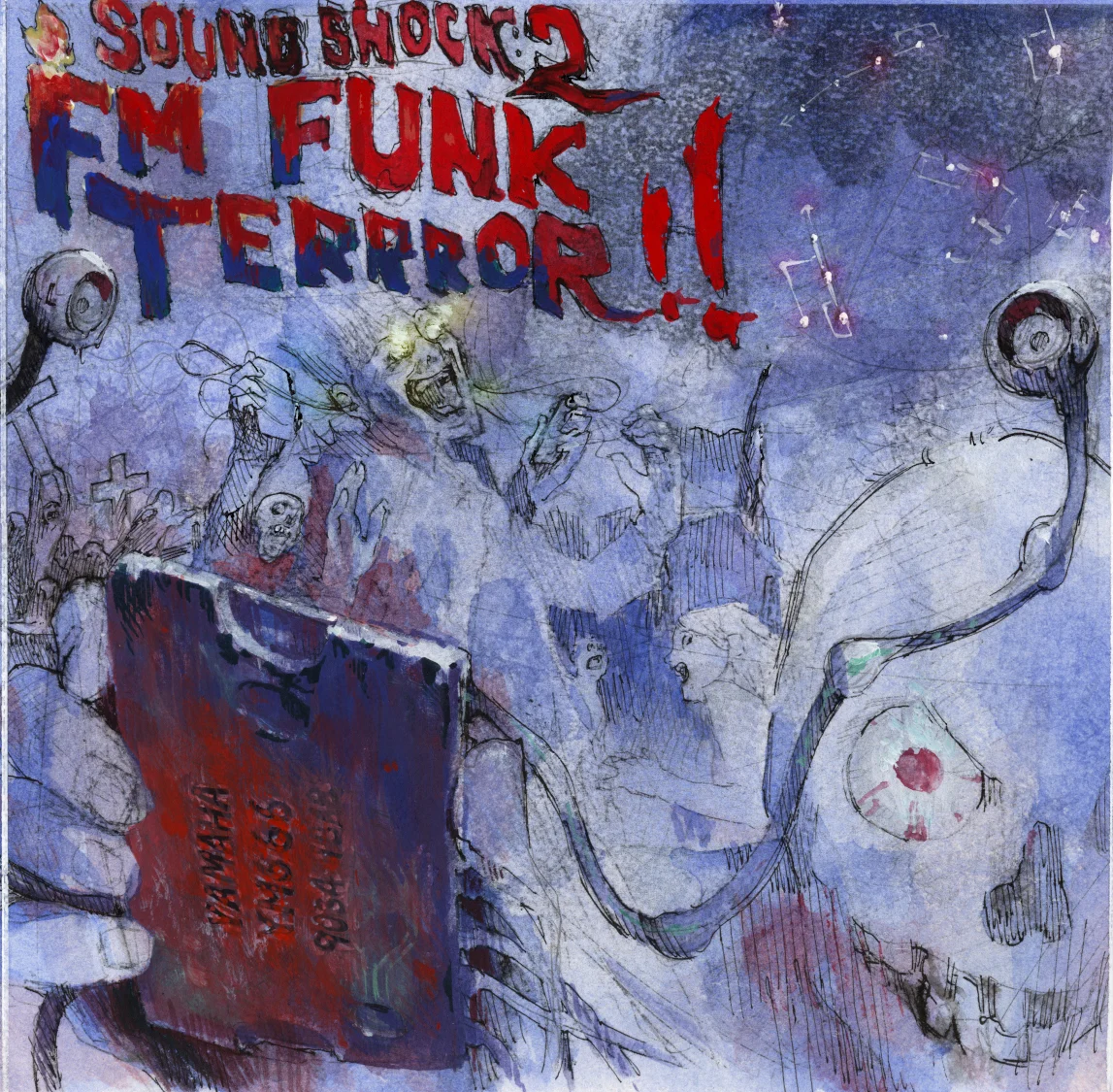
When Stålenhag connected zinger with Mattis, it resulted in the FM FUNK MADDNESS compilation. This release is cited by participants as a watershed moment for the project, showcasing the "creative exhilaration" that occurred when individual, isolated talents were provided with a collective platform. The process of composing for these albums, as described by contributors, involves a deep, iterative relationship with the hardware. For boomlinde, this means a "trial-and-error" approach, where the programming of the patch dictates the direction of the melody—a reversal of traditional composition where the melody is usually written first.
Industry Implications and Legacy
The SOUNDSHOCK series has functioned as more than a collection of albums; it has acted as an archival project for FM sound synthesis techniques. As modern software synthesizers become increasingly complex, the SOUNDSHOCK compilations preserve the "less is more" philosophy of the 16-bit era.
From an industry perspective, the series has validated the market for high-fidelity chiptune music. While initially perceived as a niche, the success of these compilations has influenced modern indie game soundtracks, where developers now actively seek out the "FM sound" to evoke a sense of nostalgia or to ground their projects in the aesthetic legacy of the 1990s. The community fostered by the forums remains an active hub, with many artists continuing to refine their craft through the development of custom FM software synthesizers and MML (Music Macro Language) tools.

Analysis: Why Soundshock Endures
The longevity of the SOUNDSHOCK series can be attributed to three core factors:
- Technical Rigor: By focusing on the specific constraints of FM synthesis, the project maintains a high barrier to entry that ensures a consistent level of technical proficiency among its contributors.
- Archival Value: By documenting the creative processes of artists who utilize legacy hardware, the project acts as a living record of computer music history.
- Community Cohesion: Unlike many digital labels that operate on a transactional basis, the SOUNDSHOCK series is built on a decade-long foundation of interpersonal relationships, shared discovery, and mutual mentorship.
As the series moves into subsequent chapters, the focus remains on the intersection of human creativity and technical limitation. The transition from the forum-era of 2007 to the current landscape of global digital distribution reflects a broader trend in independent music: the move from isolated, localized pockets of interest to a globally connected, professionalized network of enthusiasts.
The influence of the SOUNDSHOCK project is now visible across multiple media platforms, from the resurgence of retro-styled video games to the increased interest in FM synthesis within modern pop and electronic music production. By providing a home for "musical mutants" and those who view the mouse cursor as a primary instrument of expression, the series has secured its place in the history of digital audio, ensuring that the metallic, resonant, and complex sounds of the FM era continue to evolve for a new generation of listeners.
With the project having matured significantly since its inception, the upcoming releases are expected to continue this trend of high-concept, technically demanding, and culturally significant musical output. The legacy of the SOUNDSHOCK forums—a place that began as a digital meeting ground for enthusiasts—is now a permanent pillar in the history of electronic music composition.