Chalid Lutfie
The SOUNDSHOCK project, which officially launched in 2010, represents a pivotal intersection between historical video game audio aesthetics and contemporary independent music production. Orchestrated by the creative mind known as zinger and facilitated by the independent digital label Ubiktune, the project evolved from a niche online forum into a comprehensive series of compilation albums that have redefined the role of Frequency Modulation (FM) synthesis in the modern chiptune scene. This initiative has not only preserved the sonic legacy of 8-bit and 16-bit hardware but has also provided a global platform for artists to exchange technical methodologies and collaborative insights.
A Chronology of the FM Synthesis Revival
The genesis of the SOUNDSHOCK movement can be traced back to 2007, when zinger established the SOUNDSHOCK Forums. At the time, the digital audio landscape was dominated by sample-based production and early digital audio workstations. However, a dedicated cohort of enthusiasts remained committed to the specific, often challenging, technical constraints of FM synthesis—the technology that powered legendary systems such as the Sega Mega Drive, the NEC PC-98, and various arcade cabinets.

By 2010, the informal exchange of knowledge on these forums—focused on programming patches, MML (Music Macro Language), and tracker software—had reached a critical mass. It was during this year that C-jeff, a prominent figure in the chip music community, approached zinger with the intent of producing a solo album. Instead, the collaboration pivoted toward a broader vision: a collaborative compilation album that would showcase the diverse potential of FM synthesis. This marked the official birth of the SOUNDSHOCK series as a commercial and cultural entity.
Technical Foundations and the Role of FM Synthesis
FM synthesis, popularized in the 1980s by Yamaha’s line of synthesizer chips (such as the YM2612), relies on the modulation of waveforms to create complex, metallic, and percussive timbres. Unlike traditional subtractive synthesis, which removes harmonic content from a source wave, FM synthesis constructs complex sounds through the interaction of operators.
For the artists involved in the SOUNDSHOCK project, this technical barrier served as a catalyst for creative innovation. Many participants, such as the artist boomlinde, transitioned from using consumer-grade hardware—often found in mobile phones, pinball machines, and home consoles—to creating custom software synthesizers. This transition from "hidden" technology to intentional, purpose-built composition represents a significant shift in how digital audio is perceived. By treating the limitations of these chips not as obstacles, but as instruments with distinct personalities, the contributors have effectively expanded the vocabulary of electronic music.

Cross-Cultural Collaboration and Global Connectivity
One of the most profound outcomes of the SOUNDSHOCK project has been the bridge it built between Western and Japanese music scenes. In the mid-2000s, communication between these two spheres was often limited by language barriers and the lack of centralized platforms. The SOUNDSHOCK forums served as a digital lingua franca.
Artists like Ryu Takami and hex125, alongside Japanese veterans such as Keishi Yonao and hally, found common ground in their shared admiration for specific game soundtracks and hardware configurations. This cultural exchange facilitated a unique synthesis of styles. Where Western artists were heavily influenced by the Western demoscene—an international computer art subculture that focuses on real-time, procedurally generated music and visuals—their Japanese counterparts brought a deep, academic understanding of arcade culture and proprietary FM hardware. The result was a diverse tracklist that showcased a globalized aesthetic, proving that the appreciation for FM synthesis transcended geographical borders.
The Human Element: Anecdotes of Creative Synergy
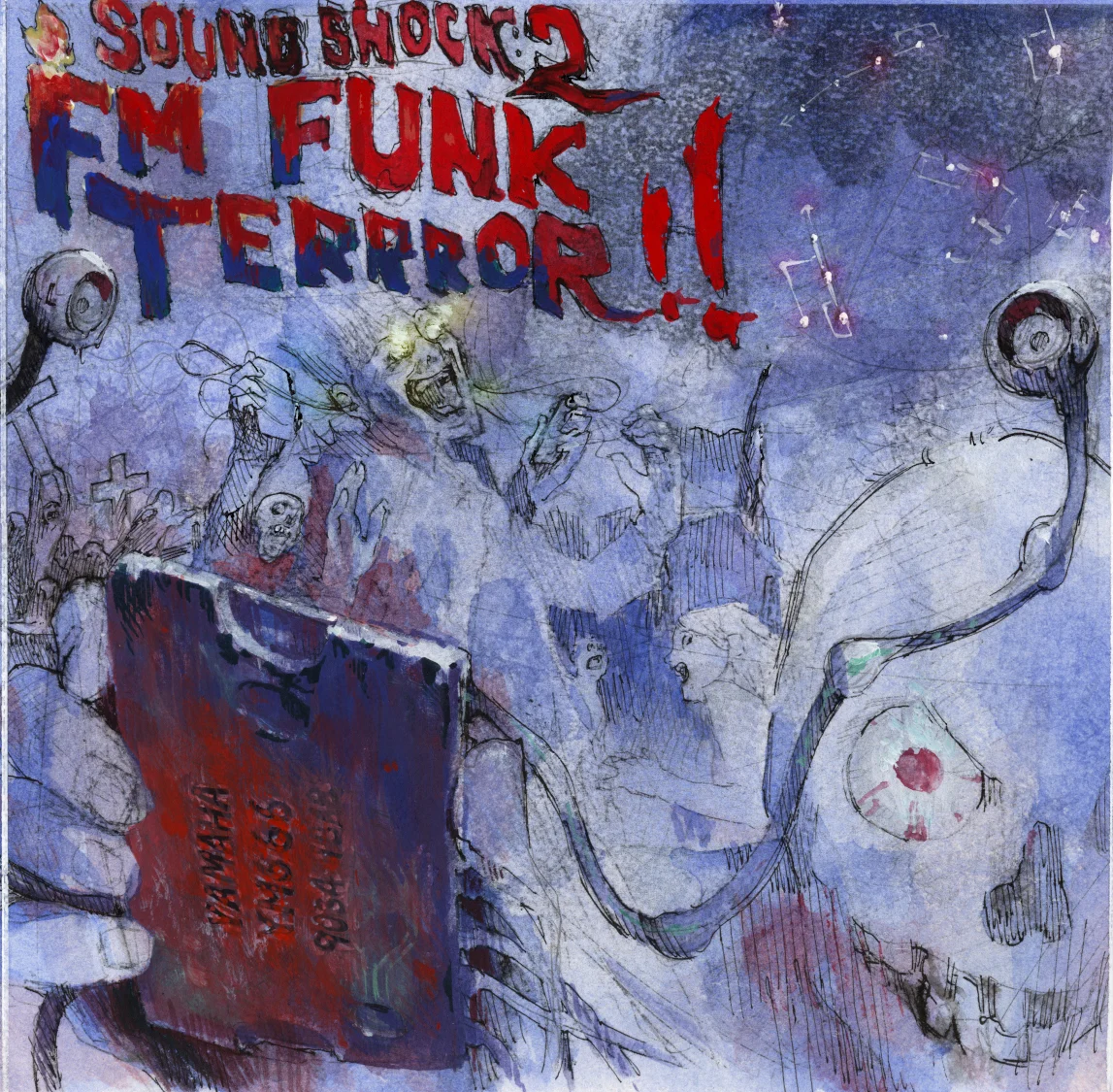
The history of the SOUNDSHOCK series is punctuated by stories of accidental discovery and creative synchronicity. The inclusion of the artist Bomb Boy in the FM FUNK MADDNESS compilation remains one of the most cited examples of the project’s ability to surface hidden talent.

As noted by collaborator Simon Stålenhag, the discovery of Bomb Boy’s work was the result of a chance encounter in a professional game design studio. Stålenhag, already a contributor to the forums, recognized the high-caliber quality of his colleague’s ringtone. This led to a pipeline of music being shared with zinger, ultimately integrating Bomb Boy into the project. This narrative underscores a broader trend within the project: the move from solitary, bedroom-based experimentation to a professional, peer-reviewed collaborative environment. The anecdotal evidence provided by artists like Stålenhag suggests that the project acted as a "force multiplier," providing a platform for individuals who possessed immense creative output but lacked the professional infrastructure to distribute their work.
Analysis: Implications for Digital Music Preservation
The long-term implications of the SOUNDSHOCK project extend beyond the production of individual albums. By documenting the technical approaches to FM synthesis, the project has served as a de facto archive for audio engineering practices that might otherwise have been lost to obsolescence.
- Standardization of Techniques: The project helped standardize the use of tracker-based music software (such as RADTracker and VGM Music Maker) within the FM community.
- Hardware Preservation: The ongoing interest generated by the series has encouraged the preservation and maintenance of vintage FM hardware, which is now increasingly sought after by digital musicians.
- Community Building: By maintaining a focus on technical discourse—such as how to program specific electric bass patches or how to optimize harmony within the limitations of four-channel FM chips—the project has ensured that the "how-to" of 1990s audio production remains an active, evolving skill set.
The success of these compilations has also influenced contemporary commercial game soundtracks. Many modern titles, seeking to evoke a sense of "retro-futurism," now utilize FM-style synthesis. The SOUNDSHOCK contributors were essentially the early adopters of this trend, proving that the aesthetic of the 1990s could be repurposed for modern media.

Looking Ahead
As the series continues to evolve, its impact on the electronic music landscape remains a subject of interest for both musicologists and audio engineers. The project stands as a testament to the idea that technological constraints are often the primary drivers of artistic ingenuity. By fostering a community that values technical mastery, historical context, and global collaboration, the SOUNDSHOCK series has ensured that the legacy of FM synthesis remains a vital, living part of contemporary music culture.
The archives of the SOUNDSHOCK project, encompassing the forums and the subsequent albums, provide a comprehensive look at a decade of digital innovation. As the series prepares for further iterations, the focus remains on the same core principle that guided zinger in 2010: the belief that these obscure, digital sounds belong together, and that the community surrounding them is the engine that will continue to drive their evolution. Future installments of the series are expected to continue this trend, bridging the gap between the pioneers of the 8-bit era and the next generation of digital composers who find inspiration in the complex, rhythmic, and melodic possibilities of frequency modulation.