 Vera Clarissa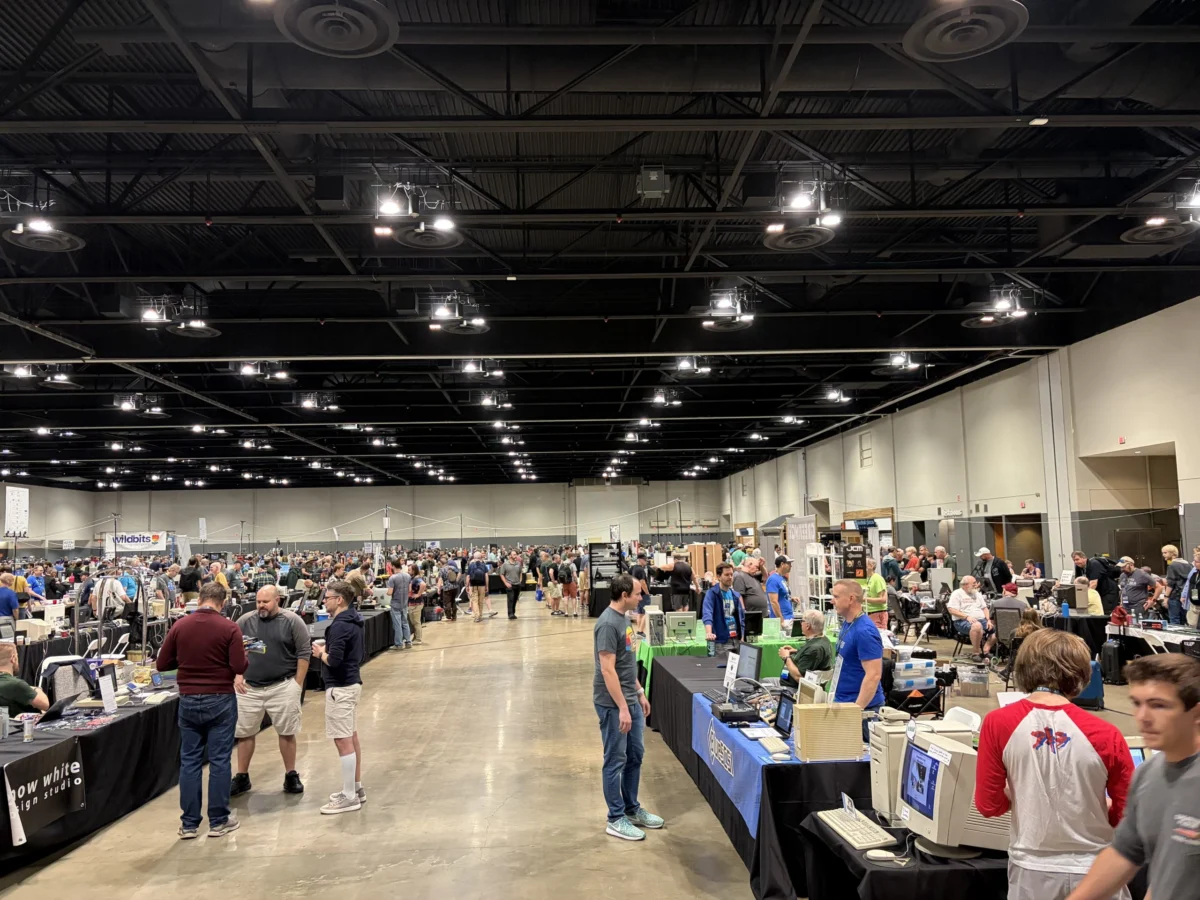
The Vintage Computer Festival (VCF) Midwest, held annually, serves as one of the premier gatherings for technology enthusiasts, historians, and preservationists dedicated to the evolution of personal computing. Following the initial coverage of the event’s opening exhibits, this second installment explores the specialized hardware, rare prototypes, and community figures that defined the weekend’s technical displays. From the iconic Apple Lisa to the niche, highly specialized Silicon Graphics (SGI) workstations, the event provided a comprehensive look at the engineering milestones that shaped the modern digital landscape.

Chronology of the Event and Key Exhibitions
The event, hosted at the System Source complex, featured a sprawling layout of exhibits. One of the primary attractions was the Retro Tech Foundation’s Apple Garage, which showcased an extensive lineup of early Apple hardware. Among the notable units on display was the Bell & Howell Apple II, a variant of the Apple II Plus famously marketed for educational and institutional use.
Following the exploration of the Apple II, attendees were granted the opportunity to interact with the Apple Lisa. Launched in 1983 at a price point of $9,995—equivalent to nearly $30,000 in today’s currency—the Lisa was a pivotal moment in human-computer interaction. It was one of the first commercial personal computers to utilize a graphical user interface (GUI) and a mouse. Observing the machine in person allowed for a practical analysis of its window management and resource-intensive graphics, which provided a stark contrast to the later, more refined classic Macintosh operating systems.

Specialized Hardware and Compatibility Solutions
A significant portion of the exhibition was dedicated to the era of cross-platform hardware compatibility, a time when manufacturers sought to bridge the gap between competing ecosystems. A standout piece of hardware present was the MacCharlie by Dayna Communications. This peripheral, which required a specific breakout box, allowed a standard Macintosh 128K to run MS-DOS software, effectively turning the Mac into an IBM-compatible PC. The presence of the original documentation alongside the unit served as a testament to the sophisticated engineering required to bridge the divergent architectures of the early 1980s.
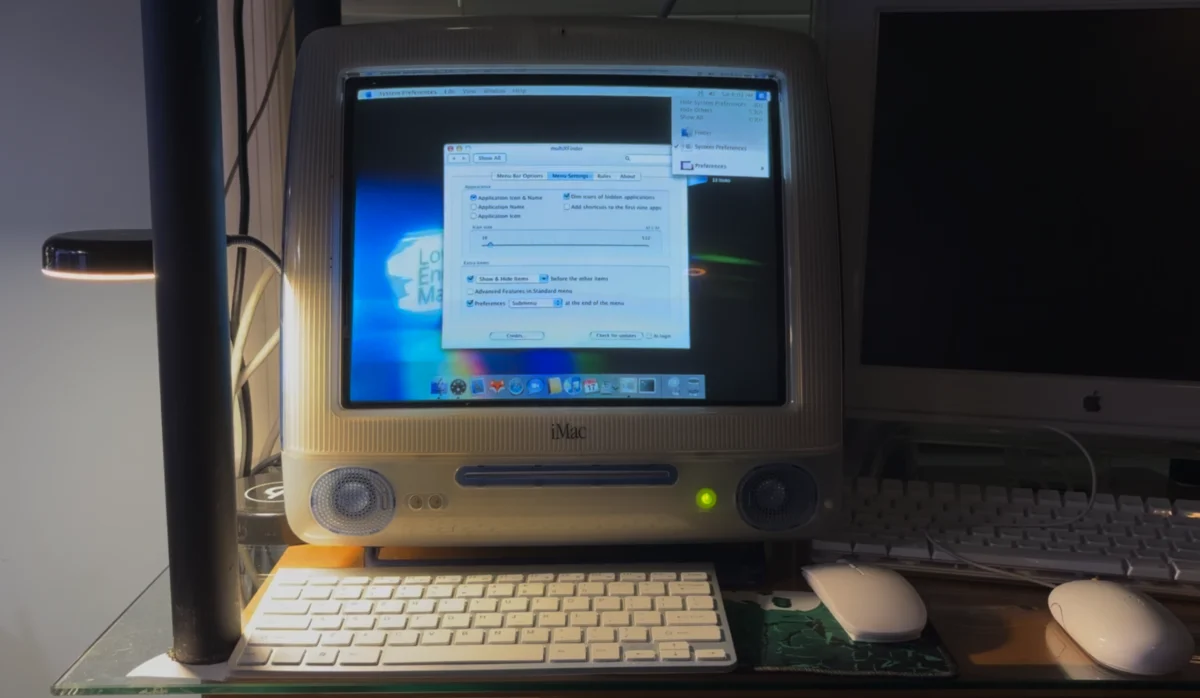
Nearby, the LVACC (Loudoun Vintage Computer Club) and contributor Evanboone presented a Power Mac G4 equipped with an Orange PC 660 Windows compatibility card. Unlike modern emulation, these cards functioned as a computer-on-a-card, containing their own CPU and RAM to execute x86 code natively. This hardware approach offered a high-performance solution for professionals who needed to maintain workflows across both Mac and PC environments, highlighting a unique period in Apple’s history before the transition to Intel processors.

Community Figures and Collaborative Preservation
The VCF Midwest serves not only as an exhibition but also as a hub for the preservationist community. Notable contributors included Steve from Mac84, who displayed a Power Mac 7100/80. This unit was significant for its use of an early 1990s internal Apple hard drive containing beta disk images of System 7.0 and internal development release notes. These assets are vital for researchers studying the evolution of Apple’s operating system software.
Collin Mistr, known in the community as "DosDude1," also contributed to the event by showcasing a variety of rare prototypes, including a pre-production iPod touch and a Sony pocket PC running an early version of the System Layer. These devices underscore the iterative nature of product development, where internal prototypes often differ significantly from the final consumer-facing releases.

Analyzing the Impact of Legacy Hardware
The exhibition also provided a platform for evaluating the longevity and failure points of vintage electronics. A notable, albeit unintended, demonstration occurred when a Samsung EDO/EGA CRT monitor suffered a catastrophic hardware failure, resulting in a visible emission of smoke. Such incidents are frequent in the vintage computing scene, where aging capacitors and thermal components face stress after decades of inactivity. This event served as a sobering reminder of the challenges inherent in hardware preservation and the necessity of "recapping"—the process of replacing aging electrolytic capacitors—to ensure the survival of these artifacts.
Architectural Milestones in Graphics and Gaming
The inclusion of Silicon Graphics (SGI) workstations, specifically the Tezro model, provided insight into the high-end computing sector of the 1990s. SGI machines were the industry standard for 3D animation, visual effects, and scientific visualization, playing a critical role in the production of films like Jurassic Park and Toy Story. The fluid graphical performance of the Tezro, even by modern standards, illustrates why these systems were considered the pinnacle of workstation technology during their tenure.

The event also featured a retrospective on the Nintendo Virtual Boy. Released in 1995, the console is often cited as a commercial failure, yet it remains a subject of intense academic interest regarding the history of stereoscopic 3D gaming. User reports from the event confirmed the device’s limitations: while the depth-of-field simulation via red-and-black LED arrays was technically innovative, the ergonomics and audio design contributed to sensory discomfort for many users. The experiment serves as a critical case study in the importance of user experience (UX) design in emerging technologies.
Market Trends and Collector Interest
The VCF Midwest also functions as a marketplace for the enthusiast community. Attendees reported acquiring various legacy systems, ranging from 1990s-era PowerBooks to Apple AirPort Extreme base stations. This demand for legacy hardware is driven by a combination of historical preservation and the hobbyist pursuit of "complete" collections.

The presence of the Macintosh Portable, the eMate 300, and the rare Twentieth Anniversary Macintosh (TAM) further highlighted the diverse interests of the community. The TAM, in particular, remains one of the most collectible Macs due to its unique industrial design, which incorporated an integrated Bose sound system and a specialized vertical CD-ROM drive.
The Broader Implications for Preservation
The collective effort displayed at VCF Midwest demonstrates a shift in how society views consumer technology. What was once considered obsolete electronic waste is now recognized as a vital component of cultural heritage. The documentation of internal beta software, the preservation of compatibility hardware, and the maintenance of rare peripherals are essential for maintaining a tangible record of the rapid technological advancements that occurred between the late 1970s and the early 2000s.

As the industry moves toward increasingly ephemeral cloud-based services and proprietary hardware that is difficult to repair, the efforts of organizations like the Retro Tech Foundation and individual enthusiasts become even more critical. By maintaining these machines in working order, the community ensures that future generations can study not just the software, but the physical reality of the hardware that defined the digital age.
The event concluded with a clear consensus: while the hardware is inherently prone to failure, the shared knowledge among enthusiasts—as evidenced by the technical discussions surrounding the Power Mac G4 or the Intel-based MacBook Pro lineage—provides a robust framework for long-term preservation. The insights gained from this year’s exhibition will undoubtedly inform future research and help sustain the growing interest in computer history. Stay tuned for the final installment of this report, which will cover the remaining exhibits and the closing sessions of the VCF Midwest event.