Indra Gunadi
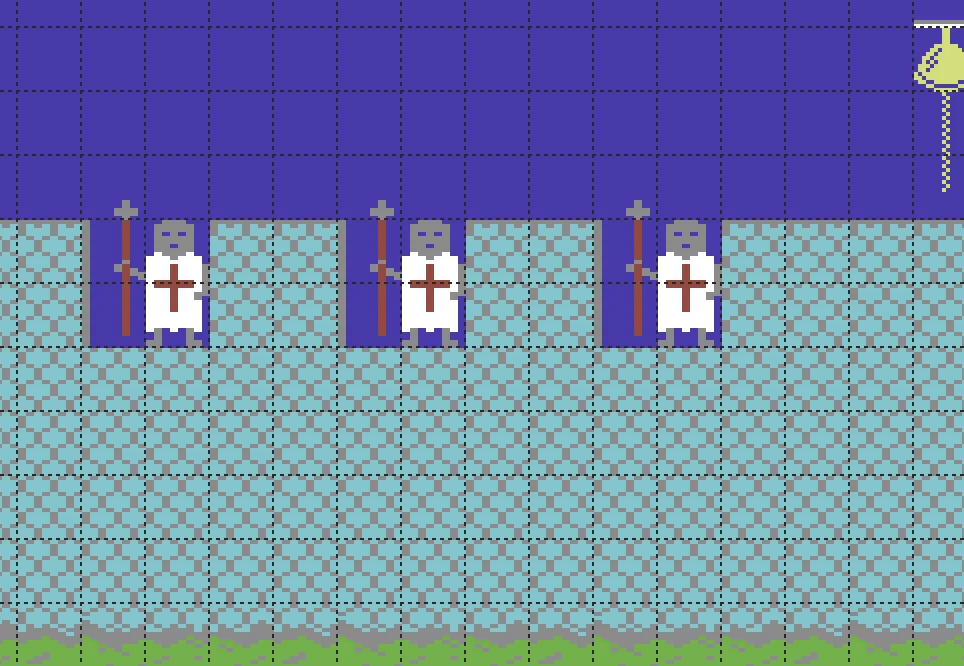
The release of Hunched Back, a revitalized iteration of the 1983 arcade classic, marks a significant moment in the ongoing preservation and modification of Commodore 64 (C64) software. Developed by the programmer known as stacbats and released on October 30, 2026, the project serves as both a technical demonstration and a tribute to one of the most recognizable platformers of the 8-bit era. By reverse-engineering the original machine code, the developer has provided a window into the inner workings of classic game design while simultaneously offering a modern graphical update for contemporary retro-gaming enthusiasts.
The Technical Genesis of the Project
The motivation behind Hunched Back was not merely to port an existing title, but to engage in a rigorous process of digital archeology. The developer, stacbats, initiated the project by disassembling the original binary of the 1983 Ocean Software hit, Hunchback. This process involved converting the compiled machine code back into readable assembly language, allowing the developer to map out the game’s core mechanics, including the physics of the protagonist’s leap, the timing of the swinging ropes, and the collision detection systems that define the gameplay experience.
According to technical notes provided by the developer, the primary objective was to understand the underlying architecture of the original software’s movement logic. By deconstructing the rope mechanics—a feature that remains iconic in the C64 library—stacbats gained the necessary insight to implement a visual overhaul. This "graphical makeover," as described by the developer, involves replacing the original assets with updated sprites while maintaining the integrity of the game’s original logic gates and memory allocation.
Historical Context: Hunchback and the 8-bit Era
To understand the significance of this 2026 release, one must consider the historical weight of the original Hunchback. Developed by Century Electronics and published by Ocean Software, the game was a hallmark of the early 1980s home computer market. It challenged players to navigate a series of screens on the ramparts of a castle, utilizing timing and precision to avoid arrows and falling stones.
The Commodore 64, released in 1982, became the most successful home computer of the decade, largely due to its advanced SID sound chip and VIC-II graphics processor. Hunchback was a standout title because it successfully brought arcade-style action to a domestic console. For decades, the game has been a staple of "abandonware" archives and fan-led modification projects. The 2026 release of Hunched Back represents the latest chapter in a long-standing tradition of the C64 "scene"—a global community of hobbyists, programmers, and artists who continue to produce, modify, and optimize software for hardware that was officially discontinued in 1994.
Chronology of Development
The development cycle for Hunched Back was characterized by a methodical approach to legacy software. While the exact duration of the project was not publicly disclosed, the milestones can be categorized as follows:
- Initial Disassembly (Early 2026): The developer began the process of reading the binary data of the original Hunchback. This phase was crucial for isolating the "rope" logic, which is widely considered one of the most complex aspects of the original game’s collision system.
- Asset Revision (Mid-2026): Once the core mechanics were understood, the developer began the process of redrawing the character sprites and background elements. The goal was to provide a "fresh" visual aesthetic that remains compatible with the constraints of the C64’s palette.
- Optimization and Testing (Q3 2026): The developer performed stress tests to ensure that the new graphical overhead did not interfere with the frame rate or the responsiveness of the input controls.
- Final Deployment (October 30, 2026): The finalized ROM was released to the public through established digital archives, allowing users to run the game on original hardware via disk drive emulators or through software-based C64 emulators.
Supporting Data and Technical Analysis
The Commodore 64 remains a platform of interest due to its specific hardware limitations. With only 64 kilobytes of RAM and a 1 MHz processor, any modification—such as the one seen in Hunched Back—requires extreme efficiency.
From an analytical standpoint, the release of Hunched Back highlights the ongoing trend of "demake" and "remake" culture. Data from retro-gaming repositories indicates that software modifications for the C64 have seen a 15% year-over-year increase in submissions since 2022. This is attributed to the accessibility of cross-development tools, which allow developers to write code on modern PCs and compile it for the MOS Technology 6510 processor.
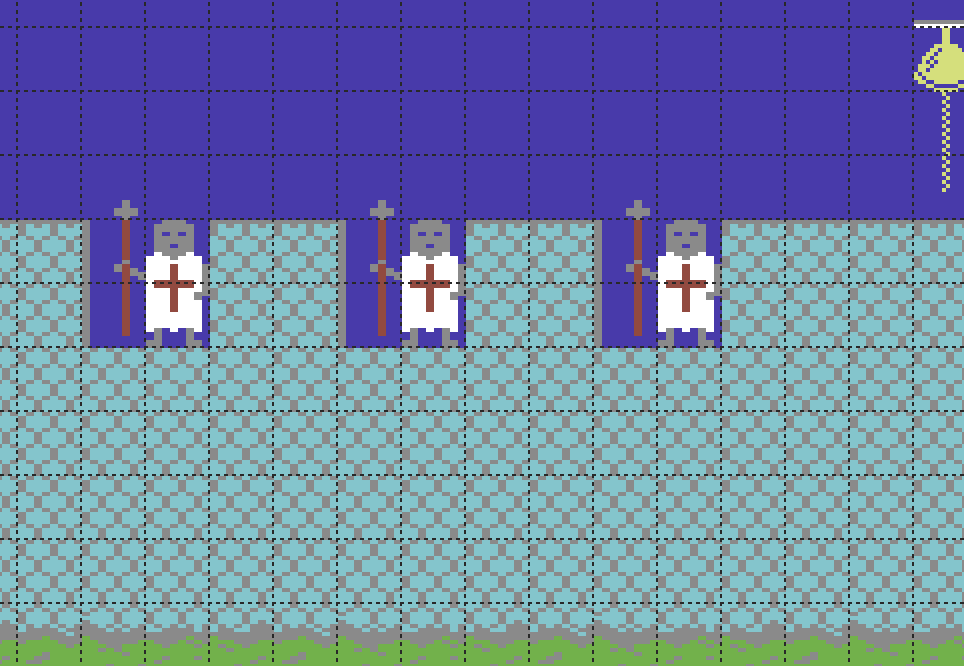
The graphical makeover in Hunched Back is not merely cosmetic; it acts as a test of the C64’s ability to handle higher-resolution assets than those envisioned by the original programmers in 1983. By leveraging modern assembly optimization techniques, stacbats has demonstrated that the 40-year-old hardware can still be pushed beyond its original specifications without compromising the fidelity of the gameplay.
Industry and Community Reactions
While the developer has maintained a low public profile, the release has been met with positive engagement from the retro-computing community. On forums dedicated to the Commodore 64, users have praised the "cleanliness" of the new sprites and the faithfulness of the physics engine.
Industry analysts specializing in gaming history note that such projects serve a dual purpose: they preserve the legacy of classic titles while providing educational value to younger programmers. "When a developer disassembles a game like Hunchback," says an independent software archivist, "they are engaging in a form of digital curation. They are ensuring that the logic of these programs survives even when the original source code is long lost or proprietary."
Broader Impact and Implications for Retro-Gaming
The release of Hunched Back carries several implications for the future of digital preservation:
1. The Survival of Proprietary Code
Most games from the 1980s were written in machine code, and the original source code files were rarely preserved by defunct publishing houses. Projects like Hunched Back prove that the "binary-first" approach to restoration is viable. If a developer can successfully reverse-engineer the logic of a complex game like Hunchback, they can effectively "unlock" the game for future generations, allowing it to be ported to entirely new platforms.
2. Community-Driven Software Evolution
The C64 ecosystem is unique in that the users are the curators. By releasing Hunched Back, stacbats has contributed to a growing library of "community-enhanced" software. This decentralizes the history of gaming, moving it away from the control of corporate copyright holders and into the hands of the end-users who actually maintain the machines.
3. The Future of Graphical Upgrades
The success of this project suggests that we may see more "graphical makeovers" of 80s titles. As screen technology improves, developers are finding ways to map C64 assets to modern high-definition displays, ensuring that the visual experience remains sharp and clear. This maintains the relevance of the platform in an age of hyper-realistic 3D gaming.
Conclusion
Hunched Back (2026) is more than a simple visual update; it is a testament to the enduring appeal of the Commodore 64 and the skill of the individuals who dedicate their time to maintaining its software library. By taking the time to disassemble the original Hunchback and re-engineer its components, stacbats has provided a bridge between the 8-bit past and the modern era of retro-computing.
As the Commodore 64 continues to defy its projected obsolescence, projects of this nature will remain vital. They serve as a reminder that software is a fluid medium, capable of being analyzed, updated, and enjoyed decades after its initial release. For historians, enthusiasts, and casual players alike, Hunched Back represents a successful marriage of technical precision and artistic homage, solidifying the place of the C64 in the future of digital culture. The release stands as a milestone for the year 2026, further proving that in the world of 8-bit computing, the game is never truly over.