Vera Clarissa
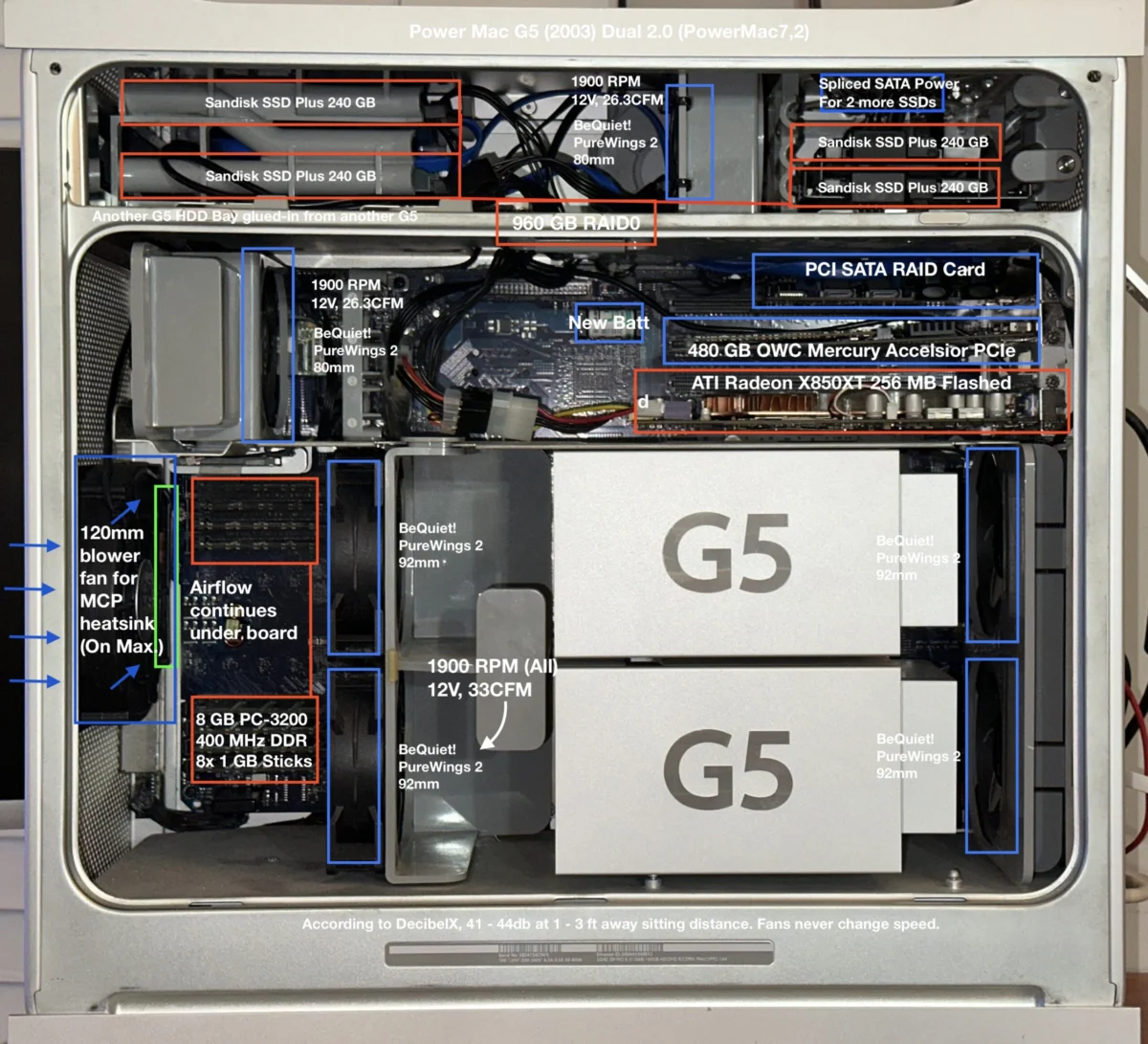
For the dedicated community of PowerPC enthusiasts who have maintained the Power Mac G5 as a viable daily-driver machine two decades after the architecture’s sunset, the arrival of a modern, functional web browser has long been considered the "holy grail" of hobbyist computing. A significant breakthrough has recently emerged from the developer community via Reddit, where user u/ButtonClean9403 has released a functional beta port of Chromium 117 for PowerPC systems. This development marks the first time that a feature-complete, modern browser architecture—distinct from stripped-down legacy forks—has been made available to users of the PowerPC G5 platform.

The release of the Aurora project, as it is colloquially known within the PowerPC user base, provides a necessary bridge between the modern, web-standard-heavy internet and hardware that was effectively rendered obsolete by the 2006 transition to Intel processors. By successfully porting a recent iteration of the Chromium engine, developers have enabled PowerPC users to access web applications and sites that have long been incompatible with older, unmaintained browsers such as the now-defunct TenFourFox or the aging PowerFox.
Historical Context of the PowerPC Challenge
The "PowerPC Challenge" is a recurring phenomenon among a subset of Mac users who persist in using machines from the early 2000s for contemporary computing tasks. This practice is driven by a mix of nostalgia, aesthetic appreciation for the industrial design of the G5 tower, and a desire to maximize the lifespan of durable, high-performance hardware. However, the primary obstacle for these users has consistently been the web.

As the internet transitioned toward HTML5, complex JavaScript frameworks, and modern CSS rendering, the browsers available for PowerPC—which relied on older Gecko or WebKit engines—began to fail. By the early 2010s, major sites began blocking these browsers due to security protocols or inability to render dynamic content. For years, the community relied on specialized forks like TenFourFox, but as these projects reached their natural end-of-life, the PowerPC platform faced a terminal decline in utility. The Aurora project represents the first major attempt to leapfrog this stagnation by moving directly to the Chromium 117 codebase, which supports modern web standards, security patches, and site compatibility.
Technical Hurdles and Development Milestones
The process of porting Chromium to the PowerPC architecture is a monumental engineering task, primarily due to the fundamental differences in instruction sets and memory management between RISC-based PowerPC chips and the x86_64 architecture for which Chromium is natively optimized.

The Aurora project addresses these differences through a series of experimental patches that translate modern browser calls into instructions the G5 processor can execute. One of the most significant challenges noted by the developer is the limitation of Apple’s legacy OpenGL drivers. Because modern web browsers lean heavily on GPU-accelerated compositing to render complex pages, the lack of modern driver support for the ATI and NVIDIA cards found in G5 machines has necessitated creative workarounds.
Current testing data indicates that browser performance is highly dependent on window resolution and hardware configuration. In benchmarking tests on a dual 2.0 GHz Power Mac G5, the browser demonstrates a notable speed increase over previous alternatives like PowerFox 26.4.0. Users have reported that while the application takes approximately 14 seconds to initialize and render the "New Tab" page, the browser is capable of handling multiple concurrent tabs—a capability that was previously impossible on such hardware.

Performance Analysis and Benchmarking
Early testing of the Aurora beta reveals a nuanced picture of performance. When streaming video content, such as 1080p YouTube, the browser exhibits "chugging" or frame drops when the window is set to full-screen or high resolutions. This is attributed to the heavy load placed on the CPU to handle video decoding in the absence of optimized hardware acceleration.
However, by scaling the window to a smaller size, the system achieves a more stable frame rate, demonstrating that the underlying hardware remains potent if the rendering workload is managed effectively. The developer has confirmed that performance currently scales with window size due to these ongoing efforts to bypass legacy driver limitations.

Specific findings from the testing phase include:
- Responsiveness: Once the UI finishes loading, interaction with web elements is significantly more fluid than in older browsers.
- Compatibility: While mainstream sites like Google Sheets are now functional, others, such as Facebook, remain inaccessible, likely due to user-agent blocking or specific anti-bot security scripts that do not recognize the browser environment.
- Stability: The browser experiences issues with certain intensive functions, such as saving full web pages as HTML files, which currently trigger application-level hangs requiring a restart.
The Role of Software Ecosystems: Sorbet Leopard
The project has also highlighted the complexity of the PowerPC software environment, particularly regarding "Sorbet Leopard," a popular, community-maintained modification of Mac OS X 10.5. Because Sorbet Leopard intentionally strips out various binaries to optimize performance, it has created unforeseen dependency conflicts for the Chromium port.

Developer u/ButtonClean9403 has acknowledged these issues, noting that the current build is not fully compatible with the stripped-down OS environment. The developer is actively working on a solution to restore the necessary dependencies without sacrificing the efficiency of the Sorbet Leopard OS. This interaction between the custom browser project and the custom OS community underscores the collaborative, iterative nature of the modern PowerPC enthusiast scene.
Broader Implications for Legacy Computing
The success of the Aurora project carries implications that extend beyond the individual user’s ability to browse the web. It demonstrates that the lifespan of high-end, vintage computing hardware is not strictly governed by the release of software updates, but rather by the availability of community-driven engineering efforts.

By bringing Chromium 117 to the PowerPC platform, the Aurora project bridges a 15-year gap in software support. It elevates the G5 from a machine that could only perform offline tasks or render simple text-based websites to a device that can interact with the modern, JavaScript-heavy web. This shift brings the G5 experience closer to that of a 2007-era iMac running OS X El Capitan, effectively granting the hardware a "second life."
While the project remains in a beta state, the rapid progress seen in the last few months suggests that further optimizations to the rendering pipeline and OpenGL handling are likely. For the time being, the project serves as a testament to the viability of the PowerPC architecture when paired with persistent software development. It also highlights the growing divide between modern web bloat and the efficiency of older architectures; even as the browser improves, the sheer weight of modern web content continues to push the physical limits of 20-year-old silicon.

As the Aurora project moves toward a more stable release, the focus will likely shift from basic functionality to power management and hardware-accelerated video playback. For those who view the Power Mac G5 not as a relic, but as a valid computing tool, the arrival of Chromium 117 is not merely a software update—it is the restoration of the machine’s utility in a world that had long since moved on. Future developments will be closely watched by the hobbyist community, as each iteration brings the PowerPC platform one step closer to parity with the modern digital landscape.