 Cecilia Chamidah Nur
The landscape of retro gaming preservation and community engagement has undergone a significant shift with the introduction of xeRAbora, a pioneering software utility that enables the tracking of RetroAchievements on original PlayStation 2 (PS2) hardware. Developed by the modder known as "hacan 359," this tool bridges the gap between classic console gameplay and modern digital achievement ecosystems, marking the first time native hardware has been integrated into the RetroAchievements framework without the intermediary necessity of emulation.
The Technological Breakthrough
For over a decade, RetroAchievements has served as a central hub for players looking to add a layer of modern gamification to classic titles. By utilizing specialized memory-monitoring software, the platform allows users to earn digital trophies for completing specific in-game milestones, effectively retrofitting games from the 8-bit to the 128-bit era with contemporary metrics. Until the release of xeRAbora, this experience was largely confined to emulated environments on PC or mobile devices, where the emulator could easily communicate with the RetroAchievements server by reading the system’s memory state.
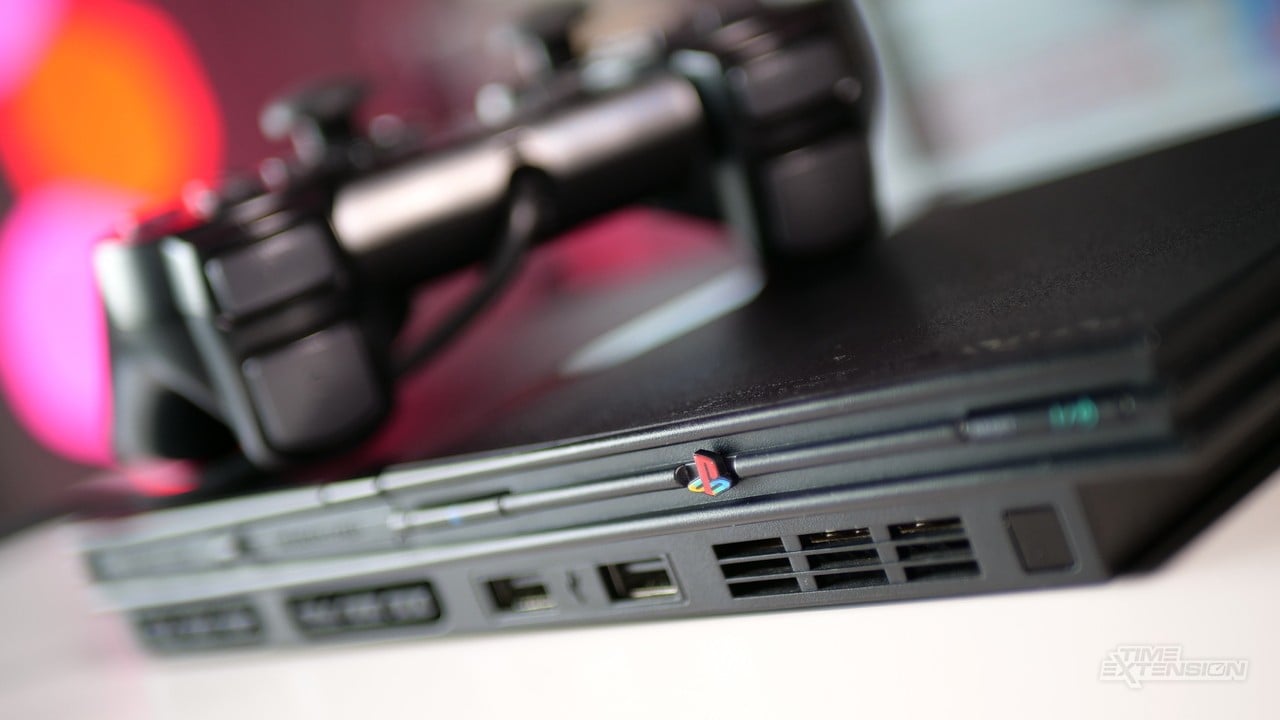
The xeRAbora utility changes this paradigm by interfacing directly with Open PS2 Loader (OPL), the industry-standard homebrew application for running game backups on original PS2 consoles. By acting as a bridge between the physical hardware and the player’s account, xeRAbora monitors the console’s memory in real-time. As the user plays, the program identifies specific memory flags that correlate to achievement triggers, transmits this data to the RetroAchievements API, and updates the player’s profile accordingly. This process effectively brings the "modern" achievement experience to hardware that predates the standardized trophy systems of the seventh console generation.
Chronology of Development
The development of xeRAbora represents the culmination of a broader movement within the homebrew community to modernize the PS2 experience. The timeline of this integration can be summarized as follows:
- Early 2000s to 2010s: The emergence of Open PS2 Loader (OPL) as the primary tool for loading games via USB, HDD, or Ethernet, laying the foundation for modernizing PS2 functionality.
- 2010s to Early 2020s: The rise of RetroAchievements as a global community effort to map game memory and implement achievement systems for legacy consoles via PC-based emulation.
- Mid-2024: Hacan 359 begins development of xeRAbora, focusing on the specific architecture of the PS2’s memory map and its compatibility with the OPL communication protocols.
- Late 2024: The public release of the xeRAbora utility, enabling beta testing on original hardware and the first successful synchronization of native console gameplay with the RetroAchievements backend.
Technical Implementation and User Experience
To utilize xeRAbora, the end-user requires a modified PlayStation 2 console—typically via FreeMcBoot or a similar soft-mod—and a stable connection to a local network. The software functions by operating in tandem with the OPL environment, requiring a PC on the same network to facilitate the handshake between the console and the RetroAchievements server.
Once the configuration is complete, the system provides a seamless experience. As the player hits a milestone in a game—such as defeating a boss or collecting a hidden item—the server recognizes the memory state change. An optional on-screen display (OSD) can be configured to appear on the television, mirroring the familiar pop-up notifications found on contemporary platforms like PlayStation 5 or Xbox Series X. This integration provides a tactile, authentic experience that preserves the "one box" philosophy of console gaming while incorporating the persistent digital footprint expected by modern gamers.
Industry Context and Achievement Culture
The popularity of achievement systems, popularized by the Xbox 360’s "Gamerscore" in 2005, fundamentally altered player behavior. Studies in gaming psychology have often pointed to the "completionist" drive as a key factor in long-term player retention. RetroAchievements emerged as a community-driven response to this, allowing enthusiasts to apply this same competitive motivation to titles that originally lacked such systems.

By bringing these mechanics to original hardware, xeRAbora addresses a long-standing critique of the achievement-hunting community: the reliance on emulation. Critics of emulation often cite input latency, graphical inaccuracies, and the loss of the "authentic" console feel as barriers to a pure experience. By removing the emulator from the equation, xeRAbora effectively validates the use of original hardware in a modern social gaming context, potentially increasing the demand for physical consoles and original game media.
Broader Implications for Preservation
The implications for the preservationist community are profound. As the hardware aging process continues, tools that link original consoles to modern web services help maintain the relevance of these devices. If such "bridge" software can be developed for the PS2, it is logically inferred that the community may soon pivot toward similar implementations for other platforms with network capabilities, such as the original Xbox or the Sega Dreamcast.
Moreover, this development signals a shift in how the homebrew community views the role of "modernization." Rather than simply aiming to make old games "look better" via upscaling, the focus is increasingly on making the entire ecosystem of gaming interactive and connected. This creates a feedback loop where older, often overlooked games receive renewed attention because they now feature a competitive layer, thereby encouraging a new generation of players to revisit classic titles.
Potential Challenges and Future Outlook
While the release of xeRAbora has been met with enthusiasm, it is not without challenges. The requirement for a dedicated PC to act as a bridge may be seen as a barrier to entry for some, and the complexity of setting up OPL for network connectivity can be intimidating for casual users. Furthermore, as a community-led project, the software relies on the continued maintenance of the RetroAchievements API and the stability of the OPL codebase.

However, the rapid adoption of this tool suggests a strong demand for "connected" retro hardware. Industry observers suggest that if the developers of xeRAbora continue to streamline the setup process, it could become a standard utility for any enthusiast seeking to legitimize their physical collection in the eyes of the digital community.
Conclusion
The arrival of xeRAbora is a testament to the ingenuity of the homebrew scene and the enduring appeal of the PlayStation 2. By effectively merging the nostalgia of the early 2000s with the social, competition-driven architecture of modern gaming, the tool has expanded the utility of original hardware. As the project evolves, it will likely serve as a blueprint for future endeavors in linking legacy systems to modern infrastructure. Whether this trend will lead to a broader movement of "connected" retro gaming remains to be seen, but for now, the achievement hunters of the world have a new, and very tangible, reason to dust off their original consoles.
This development confirms that, in the era of digital gaming, the physical console is far from obsolete. With a bit of code and a persistent community, the hardware of the past can be made to speak the language of the present, ensuring that even the oldest titles remain part of the contemporary conversation. As players continue to test the limits of what xeRAbora can track, the definition of what constitutes a "modern" gaming experience continues to expand, proving that the gap between the past and the present is smaller than ever.