 Cecilia Chamidah Nur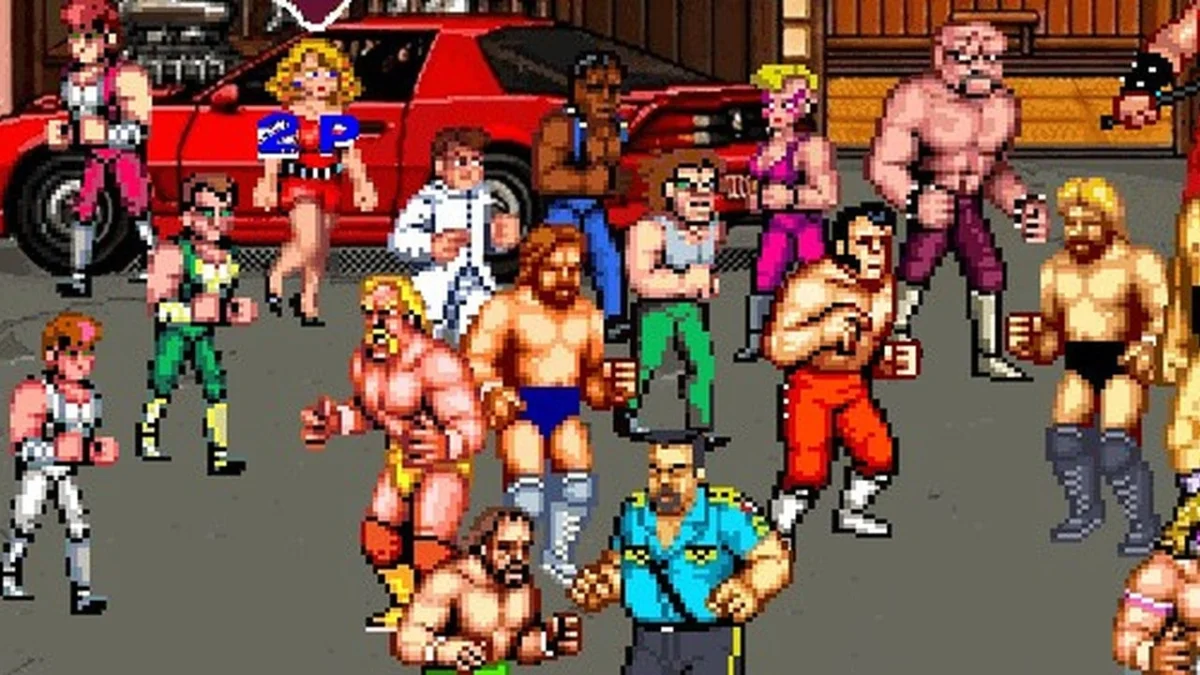
The release of Double Dragons, a fan-developed tribute to the Technos Japan arcade legacy, marks a significant moment in the intersection of retro gaming preservation and experimental fan projects. Developed by an independent creator and hosted on the itch.io platform, this unofficial project serves as an imaginative alternate sequel to the original 1987 Double Dragon. By blending mechanics and assets from across the Technos library—most notably the 1989 arcade title WWF Superstars—the developer has constructed a complex, multi-layered beat-’em-up that challenges the conventional boundaries of fan-made content.
A Chronology of the Double Dragon Legacy
To understand the significance of this project, one must examine the lineage of the Double Dragon franchise. Released by Technos Japan in 1987, the original title is widely credited with popularizing the scrolling beat-’em-up genre, introducing two-player cooperative play and a sophisticated combat system that allowed players to disarm opponents and utilize environmental hazards. The subsequent 1988 sequel, Double Dragon II: The Revenge, refined these mechanics, adding more varied stage hazards and a more robust narrative framework.
However, the third entry in the series, Double Dragon III: The Sacred Stones, released in 1990, remains a point of contention among fans due to its departure from the established art style and a divisive weapon-purchase system. Double Dragons positions itself as a "lost" alternative to this third installment, effectively attempting to bridge the gap between the established mechanics of the first two games and the creative aspirations of a modernized, high-octane brawler.
Technical Composition and Design Philosophy
The development of Double Dragons follows a rigorous "homegrown" philosophy. In an era increasingly dominated by generative artificial intelligence, the developer has explicitly confirmed that all newly implemented code, sprite work, and animations were created manually. This commitment to traditional development methods aligns the project with the historical production standards of the late 1980s.
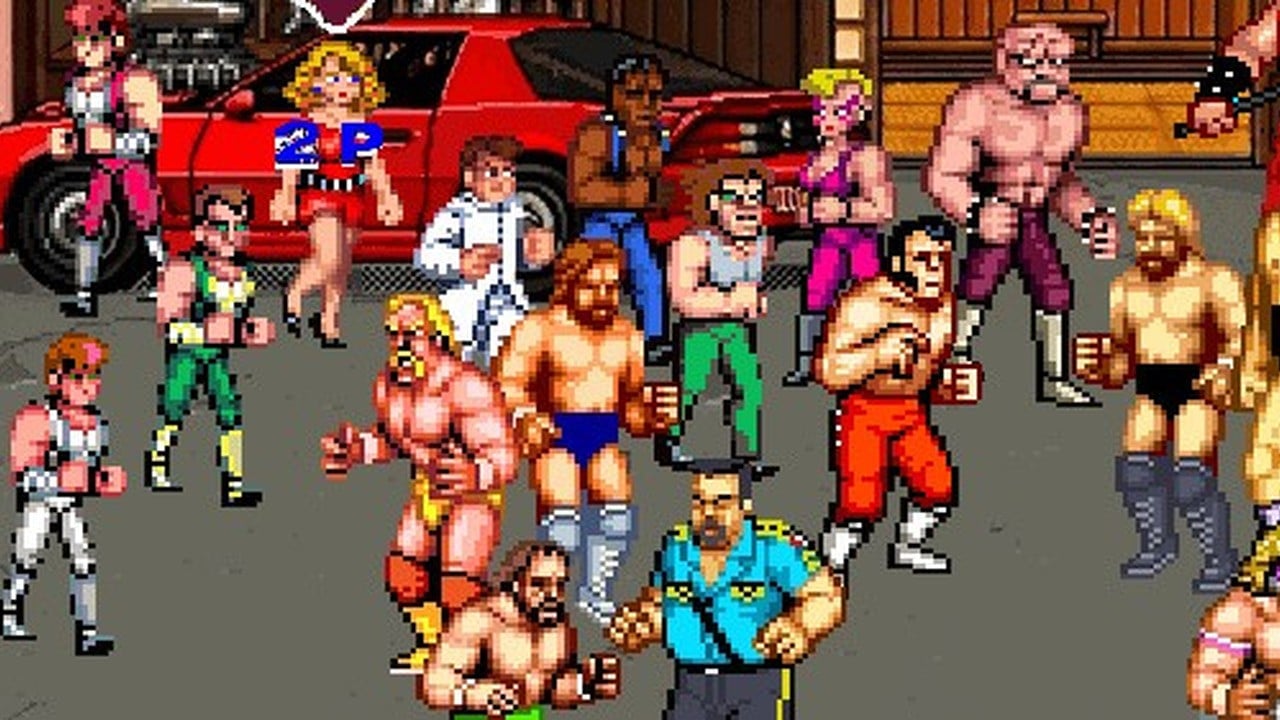
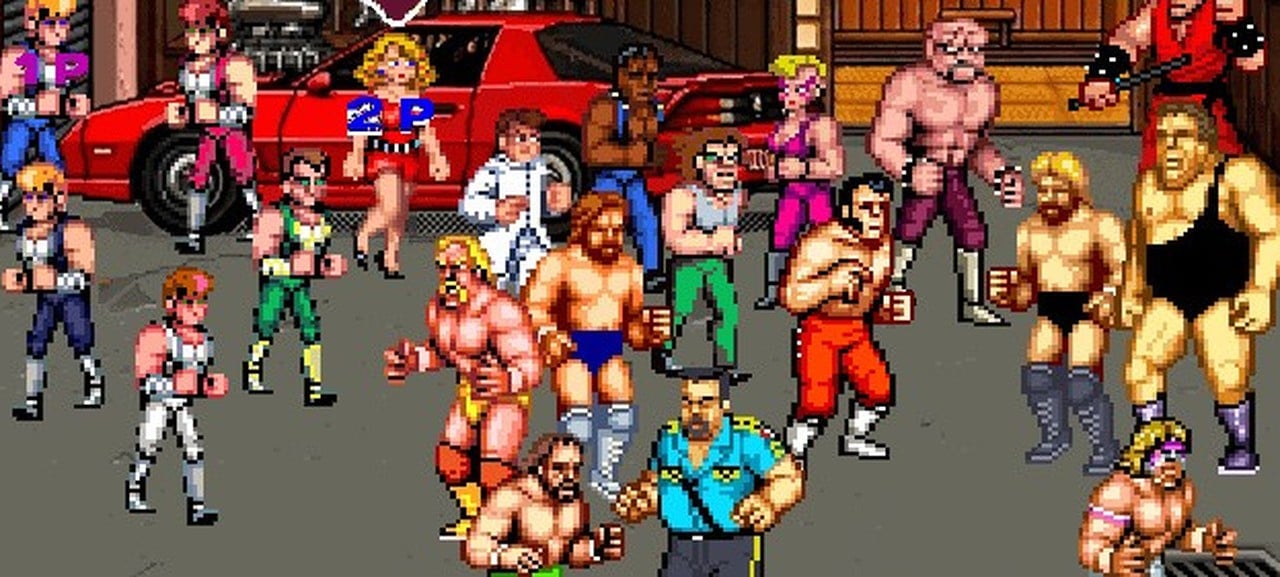
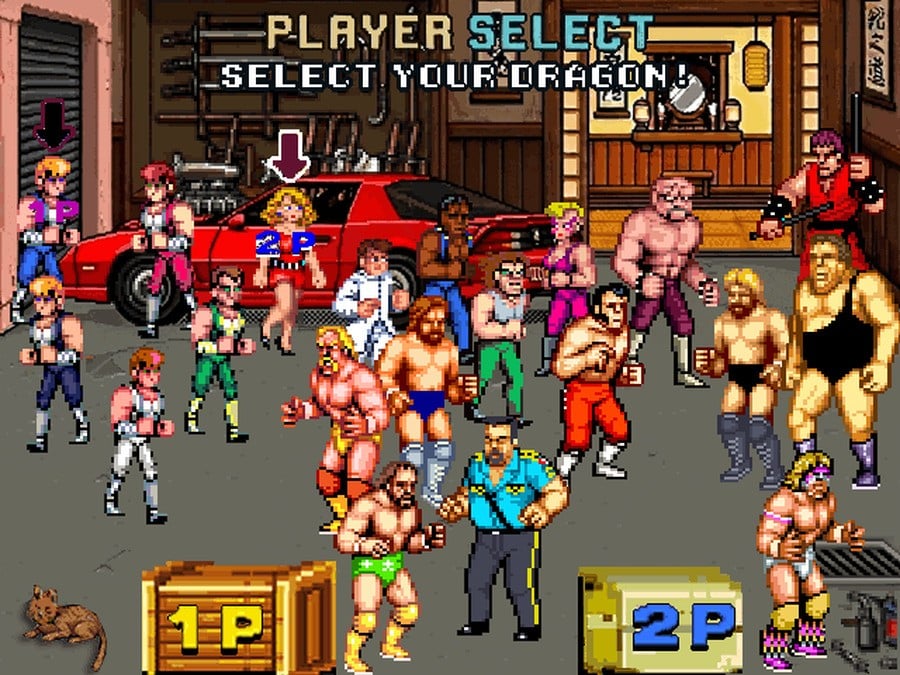
The game integrates a wide array of disparate intellectual properties under the Technos umbrella. The playable roster is perhaps the most ambitious aspect of the project, incorporating the Lee brothers alongside Kunio from the Renegade series, recurring antagonist "Jeff," and the civilian-turned-combatant Marian. The inclusion of the full roster from the 1989 WWF Superstars arcade game represents a unique technical challenge, as the developer has adapted the specific move sets and physics of these wrestling icons to function within the traditional side-scrolling beat-’em-up engine of the Double Dragon series.
Gameplay Innovations and Mechanical Adjustments
Beyond the expanded roster, the project introduces several systemic enhancements designed to modernize the aging gameplay loop of the late 80s:
- Responsive Control Schemes: The developer has implemented updated input handling to minimize the latency often associated with original arcade hardware emulation.
- Combat Diversity: Alternative attack paths and a broader range of tactical options have been introduced, allowing for more complex combos than the original 8-bit or arcade iterations permitted.
- Blood Mode: A toggleable gore feature offers a more visceral aesthetic, catering to modern expectations for mature-rated arcade action.
- Environmental Narrative: The game’s stages have been reimagined with a distinct post-apocalyptic aesthetic, featuring decaying urban infrastructure, functional AI data centers, and contextual nods to the political climate of the late 1980s.
The inclusion of three distinct side-modes—inspired by the IK+ fighting game, the legacy of Bruce Lee, and professional wrestling—demonstrates a high level of technical ambition. These modes effectively function as mini-games, extending the replayability of the core campaign and providing a diverse range of gameplay experiences within a single executable file.
Ethical and Charitable Implications
The distribution model for Double Dragons is noteworthy for its philanthropic focus. While the software is free to download, the developer has implemented a "Name Your Price" system on itch.io. All revenue generated through this system is being directed to the R.A.I.N.N. Network and Habitat for Humanity. This approach transforms the release from a simple piece of fan-driven software into a charitable vehicle, potentially mitigating the legal complexities often associated with the unauthorized use of intellectual property by demonstrating a commitment to social responsibility.
Broader Impact on the Retro Gaming Community
The emergence of such a high-fidelity fan game raises pertinent questions regarding the preservation and evolution of classic gaming titles. While Technos Japan is no longer an active development entity, the rights to their library remain a point of interest for various stakeholders in the industry. Fan projects often occupy a precarious space in copyright law; however, they remain a vital component of the gaming ecosystem.
Projects like Double Dragons serve as a form of "living documentation." By deconstructing and reassembling the mechanics of 1980s titles, developers are able to highlight the underlying design logic that made these games successful in the first place. This analysis, when performed at this level of depth, provides valuable insight into the evolution of game design, offering a perspective that standard emulation cannot provide.
Furthermore, the rejection of Gen-AI in this project is a significant data point in the ongoing industry conversation regarding the role of automated tools in creative works. By adhering to a manual, labor-intensive development process, the creator of Double Dragons has ensured that the "soul" of the game—the specific timing of a roundhouse kick or the weight of a thrown barrel—remains consistent with the original intent of Technos Japan’s design teams.
Analyzing the "Twist" and Narrative Conclusion
The promise of a "twist ending" that concludes the series "properly" addresses a common criticism in the history of the Double Dragon franchise. Fans have long debated the canonical path of the Lee brothers, particularly following the disjointed nature of the early 90s sequels. By creating a definitive conclusion, the developer is attempting to provide narrative closure to a series that has historically lacked a coherent through-line.
From a game design perspective, the integration of WWF Superstars characters into the urban combat of Double Dragon acts as a stress test for the game’s collision detection and animation engine. Integrating large, sprite-heavy characters like The Honky Tonk Man into a stage originally built for the smaller sprites of Billy and Jimmy Lee requires significant re-balancing of hitboxes and frame data. The success of this integration speaks to the developer’s technical proficiency and understanding of the original arcade architecture.
Final Assessment of the Project
Double Dragons stands as a testament to the enduring popularity of the scrolling brawler. It is a work of significant technical scale that successfully synthesizes disparate elements into a cohesive, albeit chaotic, experience. While it remains an unofficial project, its adherence to professional standards—from its manual art creation to its charitable integration—sets a high bar for future fan-led initiatives.
As the industry moves toward increasingly automated development cycles, the manual labor showcased in this project serves as a reminder of the craftsmanship that defined the golden age of arcade gaming. Whether the player is interested in the nostalgia of the Double Dragon franchise, the history of wrestling titles, or simply the technical achievement of a well-executed brawler, Double Dragons provides a unique case study in modern fan development. For those wishing to engage with this project, it remains available on itch.io, representing a rare example of a fan project that treats its source material with both reverence and a willingness to push that material in bold, unexpected directions.