Cecilia Chamidah Nur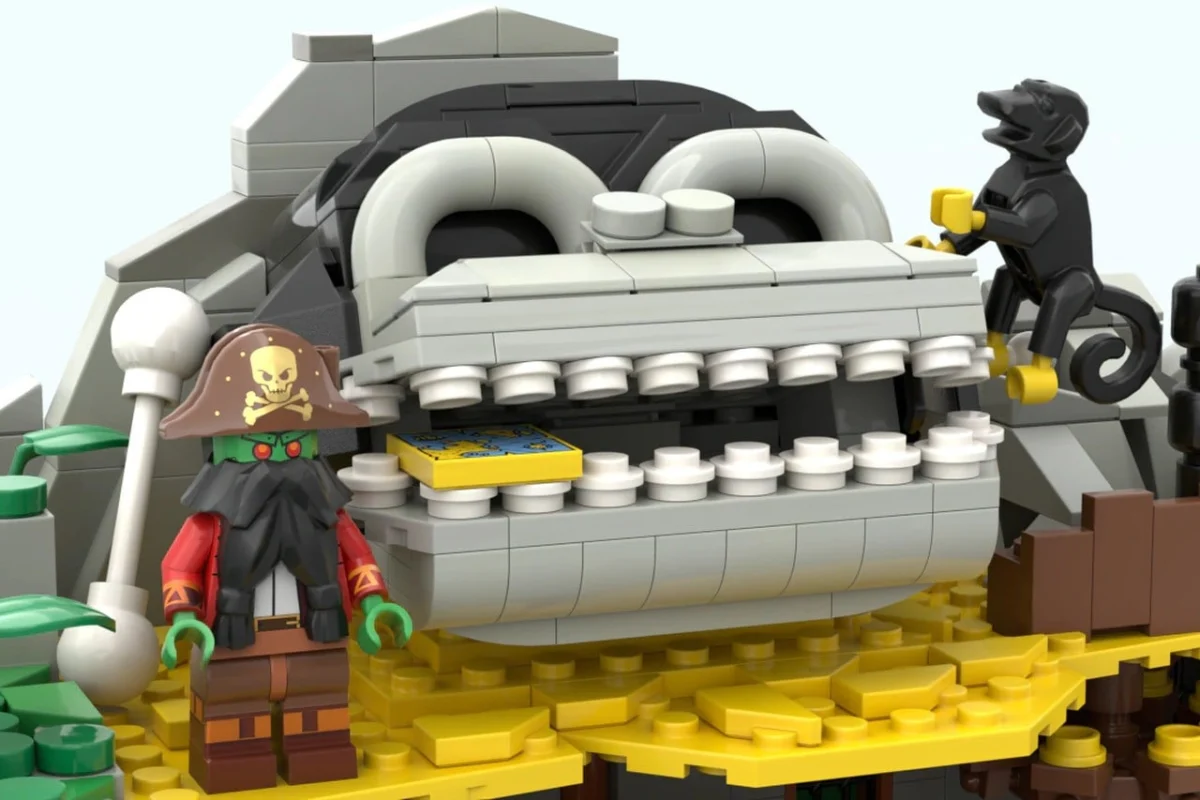
The Mechanics of the LEGO Ideas Platform
The LEGO Ideas initiative serves as a bridge between independent designers and the LEGO Group’s production pipeline. For a project to transition from a digital concept to a physical retail product, it must satisfy a rigorous set of criteria. First, a submission must garner 10,000 public votes within a set timeframe—typically within two years of submission. Once this threshold is met, the project undergoes an official review process by a panel of designers, product managers, and marketing experts at the LEGO headquarters in Billund, Denmark.
The Pester78 project, which currently sits at approximately 880 supporters, has been granted a window of over 400 days to reach the 10,000-vote milestone. Historically, reaching this number is only the first hurdle; the LEGO Review Board evaluates submissions based on feasibility, brand fit, safety, and, crucially, licensing availability. Given that the Monkey Island intellectual property is currently under the management of Lucasfilm Games—a division of Disney—any potential commercialization would require a complex licensing agreement between Disney and the LEGO Group.
Architectural Tributes to Melee Island
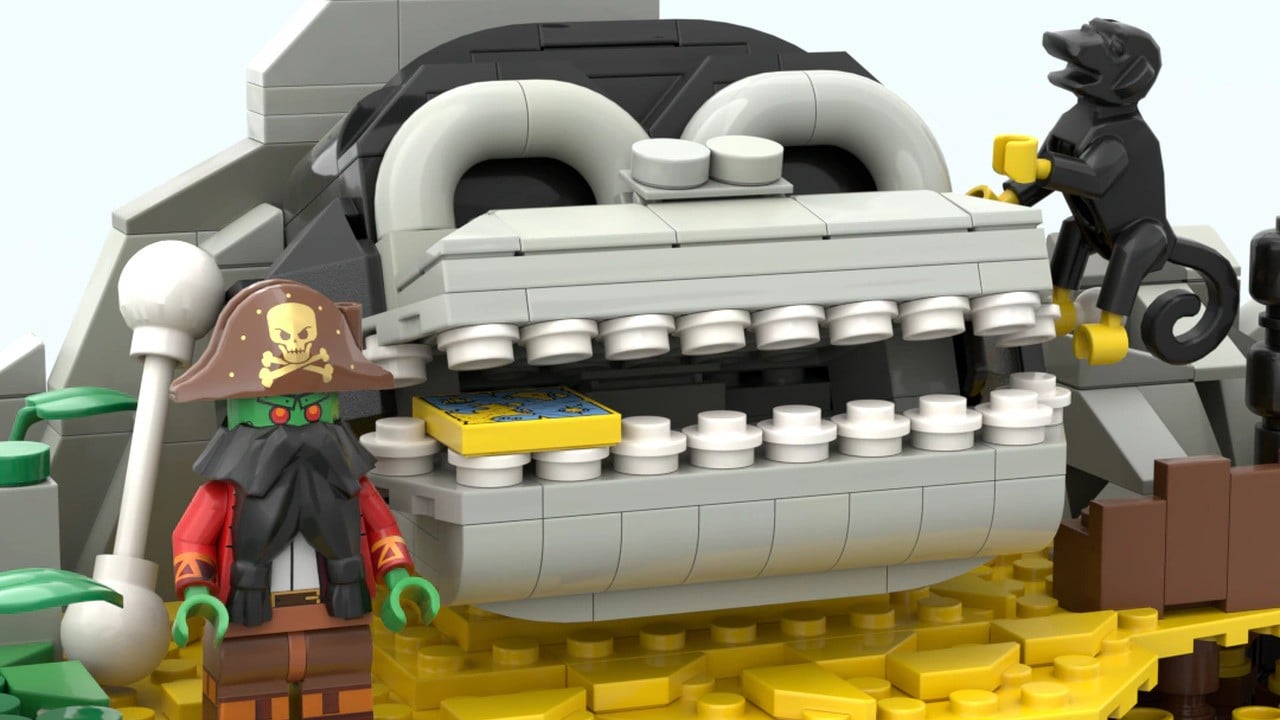
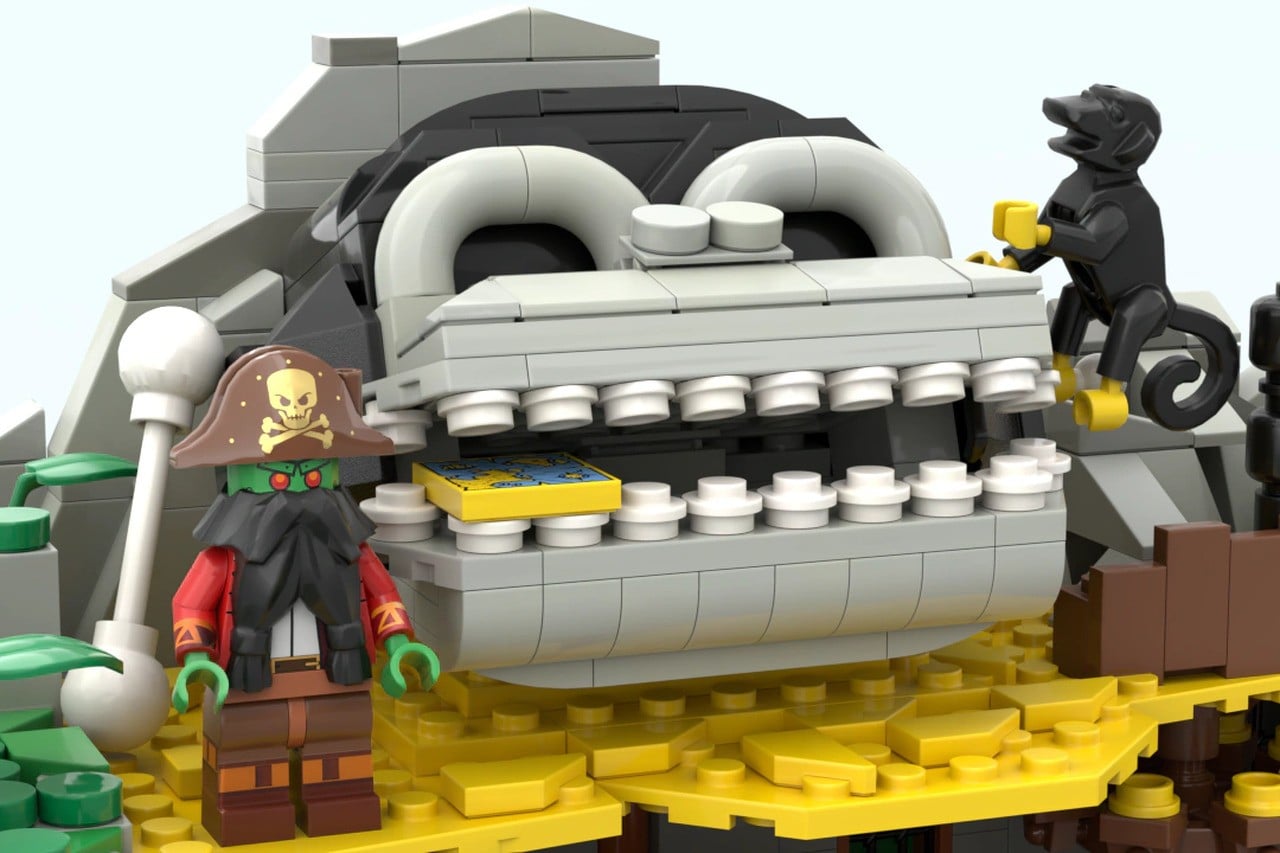
The diorama proposed by Pester78 is characterized by its modular, multi-level construction, designed to reflect the dense, whimsical geography of Melee Island. The creator has focused on translating 2D sprite-based locations into 3D LEGO brick form, specifically targeting high-traffic areas from the source material. Notable recreations include the SCUMM Bar, a staple of the series; the International House of Mojo, home to the enigmatic Voodoo Lady; and the retail storefront of Stan’s Previously Owned vessels, complete with its signature neon aesthetic.
The attention to detail extends to the inclusion of a curated selection of minifigures. The set features protagonist Guybrush Threepwood, his romantic counterpart Elaine Marley, the perpetually energetic salesman Stan, and the supernatural antagonist LeChuck. The inclusion of a singular monkey minifigure serves as a subtle nod to the series’ titular location, demonstrating the creator’s intent to capture the series’ specific brand of irreverent humor and thematic consistency. The build also features a small command board, a meta-reference to the SCUMM engine interface that defined the gameplay experience for a generation of PC gamers.
Industry Context and the Influence of Lucasfilm Games
The endorsement of the project by Craig Derrick, Executive Producer at Lucasfilm Games, represents a significant development in the project’s public profile. Derrick’s vocal support on social media platforms provides a layer of institutional validation that is rarely seen for early-stage fan projects. While such an endorsement does not guarantee that the LEGO Group will greenlight the set, it signals that key stakeholders within the Lucasfilm ecosystem are aware of and favorably disposed toward the project.

This dynamic is part of a broader trend where gaming entities engage more directly with fan-driven creative efforts. Historically, the relationship between developers and the modding or fan-art community was often one of indifference or strictly enforced legal boundaries. In the modern era, particularly with the success of crowdfunding and community-led initiatives, developers are increasingly leveraging fan enthusiasm to gauge market demand for legacy titles.
Precedents in Community-Led Product Design
The trajectory of the Monkey Island proposal can be compared to several previous successes within the LEGO Ideas ecosystem. The platform has successfully transitioned several digital-first or gaming-adjacent concepts into highly profitable retail lines. A primary example is the LEGO Minecraft set, which originated as a fan concept before ballooning into one of the most successful collaborative partnerships in toy history.
Similarly, the LEGO Sonic the Hedgehog: Green Hill Zone and the Dungeons & Dragons: Red Dragon’s Tale sets serve as case studies for how niche gaming nostalgia can be successfully packaged for a mass-market audience. These projects benefited from existing brand recognition and a clear aesthetic identity that translated well into the LEGO brick system. The Monkey Island set faces the challenge of adapting a series that, while critically acclaimed, lacks the pervasive global recognition of Minecraft or Sonic. However, the depth of its cult following remains a potent factor.
Market Implications and Future Outlook
The potential for a Monkey Island LEGO set is not merely a matter of nostalgia; it is a test of how successfully legacy point-and-click adventure games can be monetized in the current toy market. The gaming industry has seen a resurgence in interest for the genre, bolstered by remasters and the continued availability of classic titles on digital storefronts.
If the Pester78 project succeeds, it would likely set a precedent for other LucasArts titles to be considered for similar treatment. The portfolio of potential candidates is vast, including franchises like Full Throttle, Grim Fandango, and Day of the Tentacle. These titles share the same aesthetic DNA as Monkey Island and could theoretically be adapted using similar design principles.
However, the path to production remains fraught with logistical challenges. Beyond the voting threshold, the LEGO Group must ensure that any licensed set aligns with its brand safety guidelines. While the Monkey Island series is generally lighthearted, its satirical take on piracy and its occasional dark humor would require careful curation to meet the criteria for a wide-audience toy set.

Analytical Summary of Project Viability
From a data perspective, the progress of the Monkey Island diorama will be tracked closely by industry analysts as a bellwether for the "retro-gaming" segment of the adult collector market. LEGO’s recent focus on the "18+" demographic, which includes complex sets like the Pac-Man Arcade or the Atari 2600 console, suggests a willingness to cater to older consumers who possess both high disposable income and a deep emotional connection to 1980s and 1990s gaming.
As the 400-day countdown progresses, the engagement metrics—the rate of new votes per week and the level of social media sharing—will be the primary indicators of the project’s viability. If the project reaches 10,000 votes, the subsequent review by the LEGO Group will likely prioritize the strength of the brand’s current relevance and the feasibility of a production model that appeals to both nostalgic fans and new consumers unfamiliar with the original games.
For now, the project remains an ambitious expression of fandom. Whether or not it eventually arrives on store shelves, the collaboration between an independent designer and a major intellectual property holder serves as a compelling narrative regarding the future of user-generated content and the ongoing evolution of gaming culture in the physical world. The, as of yet, theoretical "LEGO Secret of Monkey Island" stands as a testament to the persistent legacy of Guybrush Threepwood and the enduring power of the point-and-click era in the collective consciousness of digital gamers.