Chalid Lutfie
The Artistic Genesis and Conceptual Framework
The creative impetus for The Frequency Modulators Orchestra, Vol. 1 can be traced back to 2014, during the production of YTCracker’s cyberpunk-themed album, Introducing Neals. While crafting the instrumental track "Feel Like Leisure Suit Larry," Irming experienced a creative breakthrough regarding the latent potential of FM synthesizers. He discovered that these instruments, often relegated to the "cold" or "metallic" categories of sound design, possessed a unique capacity for percussive, syncopated, and zany grooves when pushed into a jazz-funk context.
Following the success of his 2015 track "Funky Mustache" from the album Blue Bots Dots, Irming solidified his vision for an entire project dedicated to this specific sonic palette. Over the course of a ten-month development period, he sought to reconcile the "coldest" method of digital synthesis with the "warmest," most human musical genre: jazz. This required a fundamental shift in composition, moving away from vocal-led structures to a focus on purely instrumental expression where the burden of maintaining listener engagement rests entirely on the melodic and rhythmic dexterity of the arranger.

A Legacy of Demoscene Innovation
To understand the technical precision of this album, one must examine Irming’s foundational years in the European demoscene of the late 1980s. As a composer for the Atari ST-based group SYNC, Irming was part of an era where hardware limitations dictated musical output. The demoscene—a computer art subculture that focuses on producing demos, which are non-interactive, real-time-rendered audiovisual presentations—demanded extreme efficiency in sound design.
Irming’s early success in demo music competitions established a foundation in synthesizer programming that would eventually lead to a prolific career in game audio and independent electronic music. Following his education at the Musicians Institute in the early 1990s, Irming transitioned into a versatile composer for hire, contributing to the soundtracks of titles such as Power Drive 2000 and VirtuaVerse. His work has consistently intersected with major figures in the synthwave and electronic communities, including collaborative credits on albums featuring Mitch Murder, Lazerhawk, and GUNSHIP. His performance history, spanning appearances at major cultural touchstones like Comic-Con and the Game On Expo, reflects a career that has successfully navigated the intersection of gaming culture, digital art, and professional music production.
The Engineering of "Frequency Modulation"
The production of The Frequency Modulators Orchestra, Vol. 1 involved a high-fidelity approach rarely seen in the lo-fi aesthetic of chiptune production. Recognizing that the sonic nuances of jazz require specific frequency management to be perceived correctly by the human ear, Irming secured the services of Grammy Award-winning mastering engineer Don Grossinger. Grossinger, whose pedigree includes work with jazz icons such as Miles Davis, provided the final polish that ensures the album meets professional jazz-standard clarity while retaining the grit of the original FM sources.
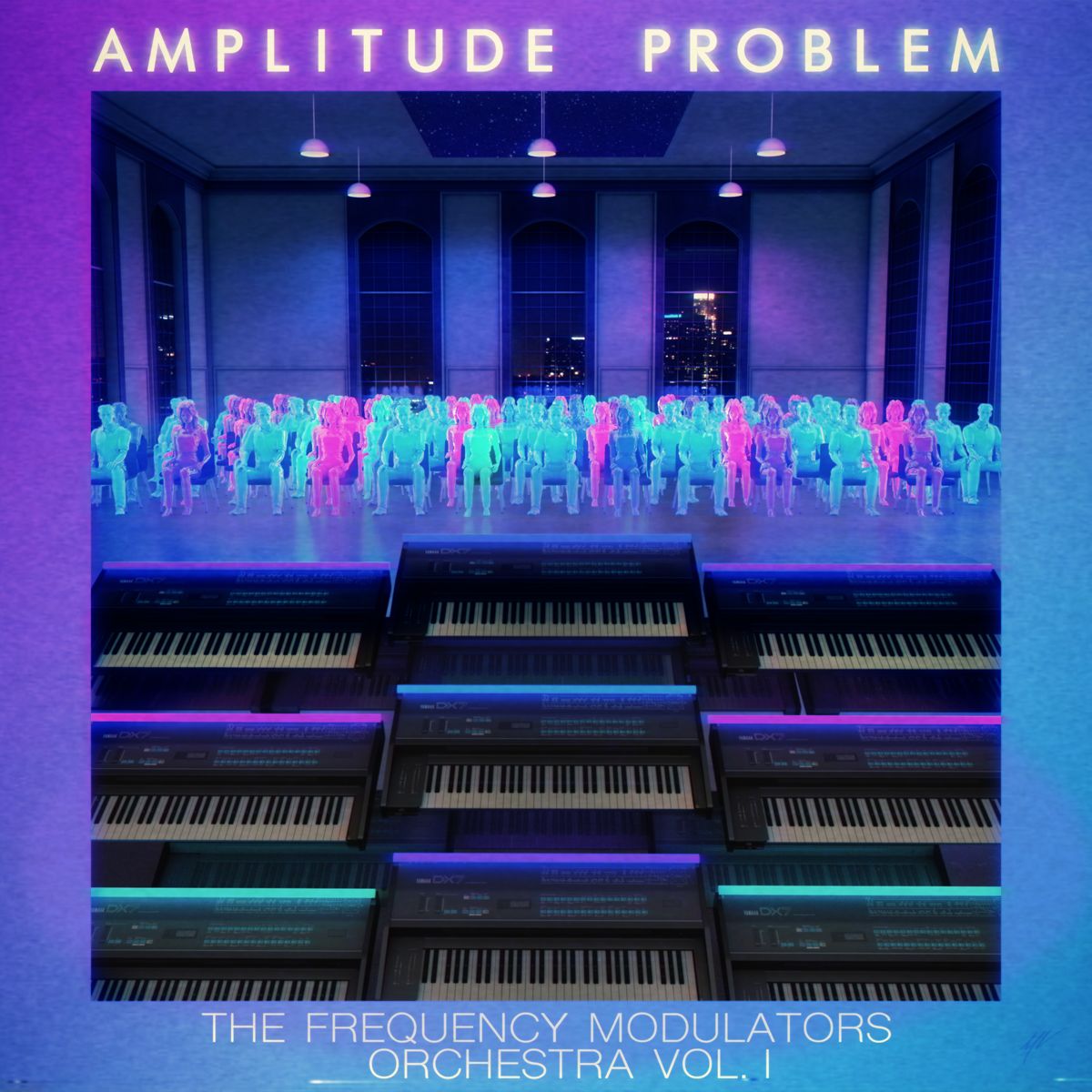
The instrumentation is defined by the intentional use of FM synthesizers and lo-fi percussion. In jazz, the "rhythm section" is the heartbeat of the ensemble; here, Irming treated each FM voice as a distinct "band member." By allowing these digital oscillators to occupy the roles of horns, bass, and keys, he utilized the concept of improvisation to ensure the music remained vibrant and "in the moment." This choice of nomenclature—The Frequency Modulators—was a calculated decision by the artist to signify that the music was not the product of a single machine, but an interactive, collective performance generated by various synthetic voices granted the freedom to express themselves.
Visual Identity and Multidisciplinary Collaboration
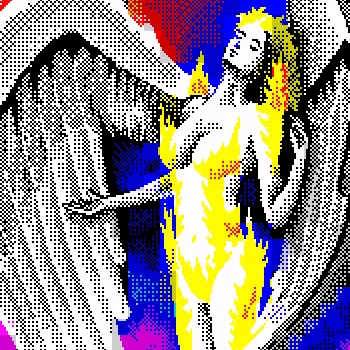
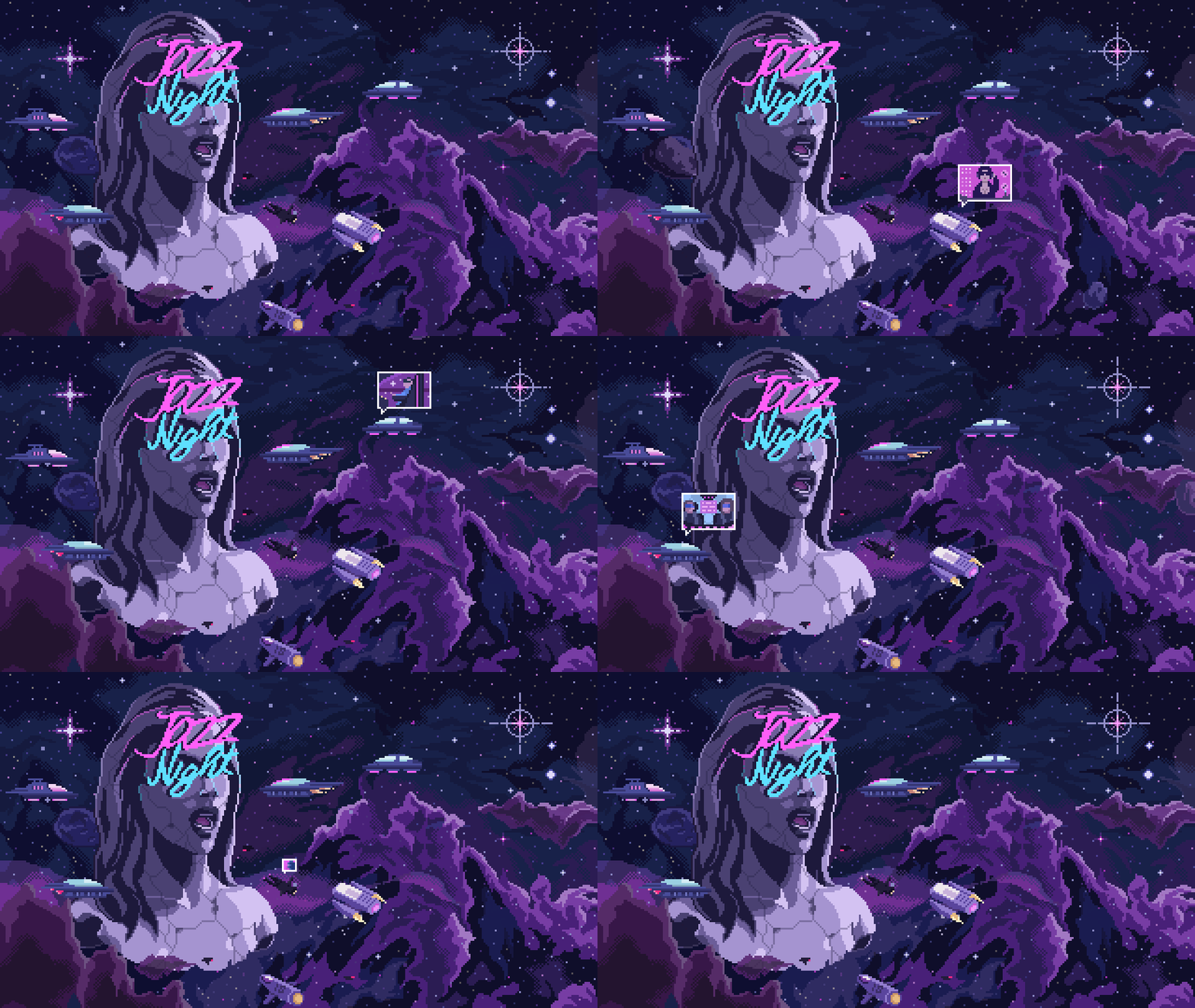
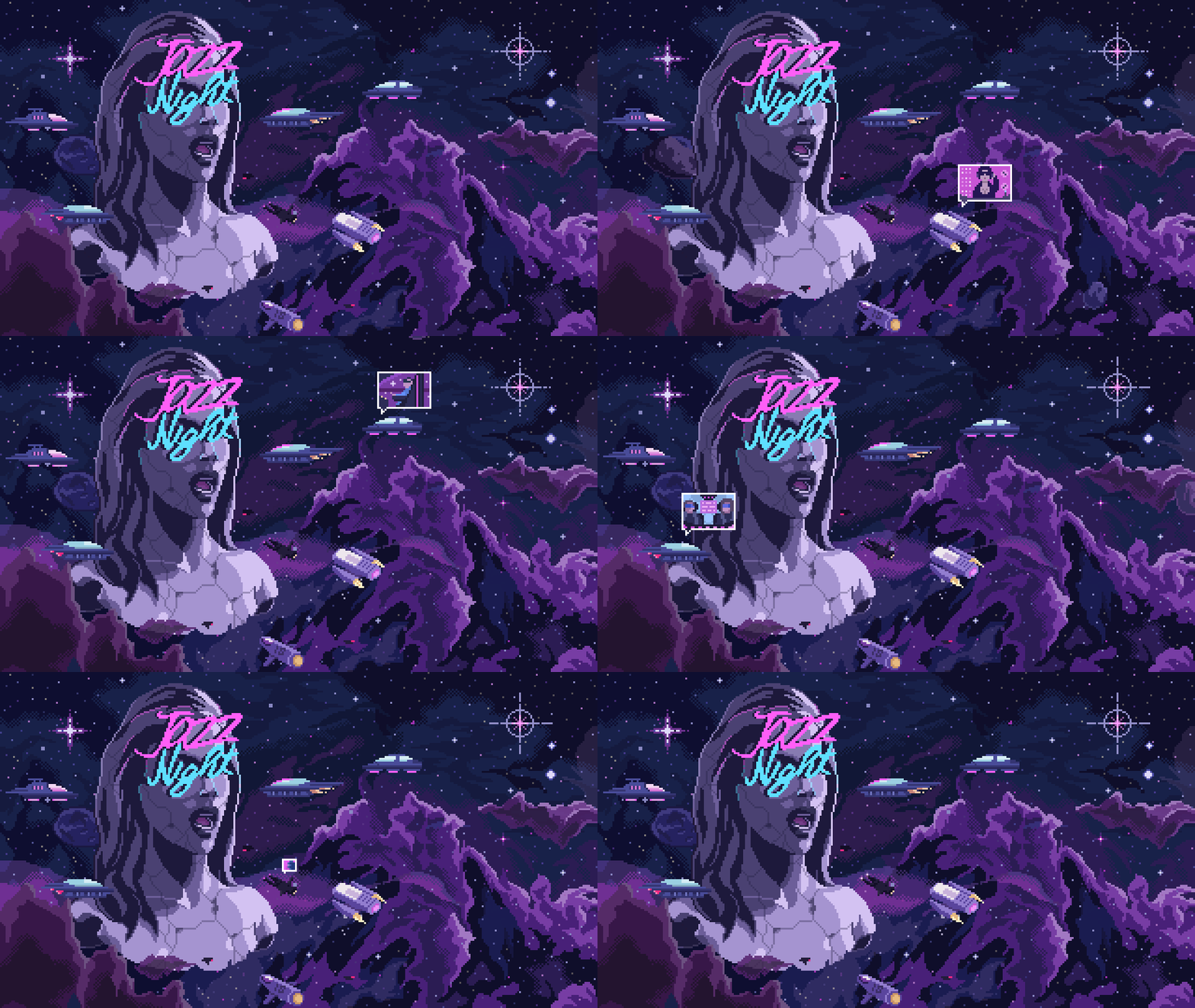
Visual presentation serves as a critical component of the album’s identity. The project features cover artwork by Mythical Vigilante, with supplemental animation and design provided by the artist Valenberg. Valenberg, a known entity in the digital art space, contributed a "Jazz Night" pixel-art animation that serves as a visual narrative counterpart to the soundscapes found on the record. This synergy between pixel art—a medium that mirrors the "digital" nature of the audio—and the improvisational jazz structure creates a unified aesthetic experience. By grounding the album in a distinct visual world, Irming reinforces the concept that the listener is not just hearing a collection of tracks, but entering a specific, stylized environment.
Implications for the Electronic Music Landscape
The release of The Frequency Modulators Orchestra, Vol. 1 holds broader implications for the development of electronic music in the late 2010s. By bridging the gap between the insular world of chiptune—which often focuses on emulating the sound of 8-bit game consoles—and the expansive, complex language of jazz, Irming demonstrates that digital synthesis is not a static medium.

Analysis of the album reveals a movement toward "genre-blurring" that has become increasingly prevalent in independent music. The project suggests that the inherent "limitations" of vintage synthesis are actually advantages for composers seeking to establish a unique, recognizable "voice" in a crowded streaming market. By adhering to a strictly personal vision—as Irming noted, he created music he wanted to hear without apology—the album provides a case study in artistic conviction. The track "Ghosts in My Medicine Cabinet" serves as a primary example of this approach, where the arrangement eschews traditional structural safety in favor of a bold, uncompromising sonic narrative.
Chronological Development and Track Significance
The narrative arc of the album is structured to mirror a psychological journey. The first four tracks of the LP function as an introspective exploration, focusing on the internal monologue of the artist. The subsequent three tracks transition into a more universal commentary on life, the cosmos, and the human condition.
This thematic structure underscores the evolution of Irming’s creative process since his 2014 collaboration with YTCracker. Where his earlier work was often dictated by the requirements of a specific project (such as a rap album or a game soundtrack), this release represents a transition toward total creative autonomy. The album acts as a retrospective of his growth from a demoscene composer to a sophisticated musical storyteller.
Industry Reception and Availability
The release of The Frequency Modulators Orchestra, Vol. 1 via Ubiktune has been met with interest from both the chiptune enthusiast community and the broader electronic music press. As the album became available across all major digital music platforms and streaming services in April 2017, it established a high-water mark for the label’s output.
By leveraging his deep history within the gaming and synthwave scenes, Irming has successfully positioned the project as both a technical achievement in FM synthesis and a compelling piece of instrumental jazz-funk. The success of the project reinforces the viability of niche, high-concept electronic music in a digital-first economy. As listeners continue to seek out genre-defying content, the work of Amplitude Problem remains a pertinent example of how the tools of the past—specifically 1980s synthesis technology—can be repurposed to create contemporary, emotionally resonant art that remains relevant well into the modern era.