 Cecilia Chamidah Nur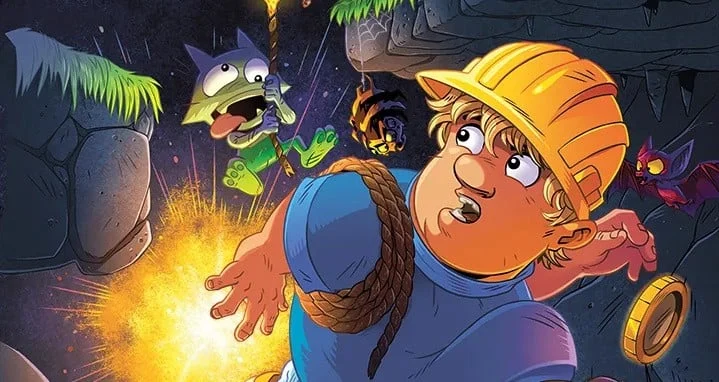
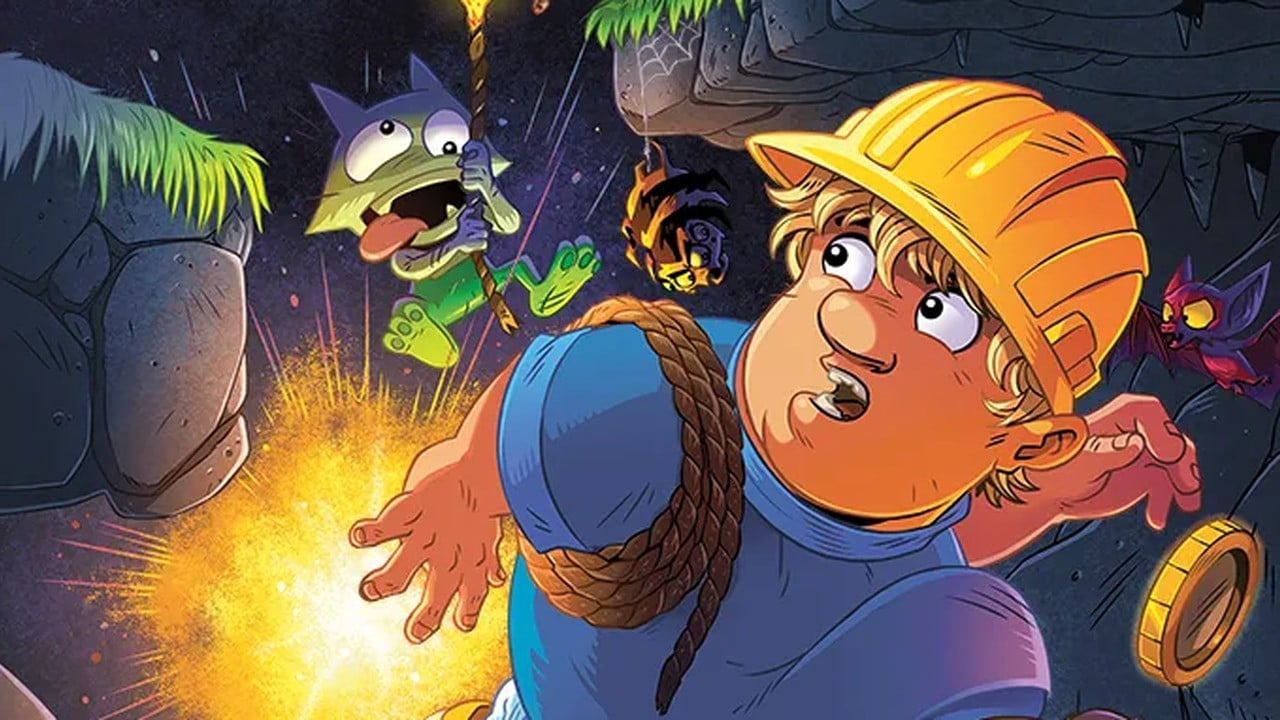
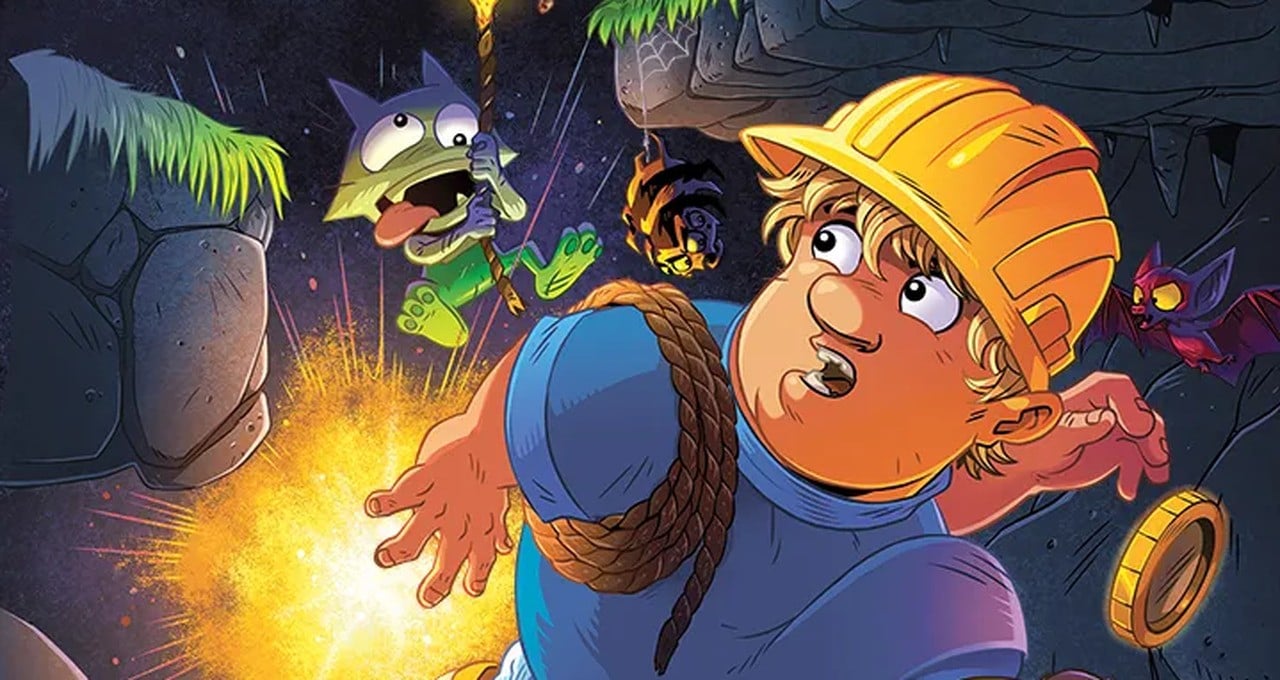
Thalamus Digital has officially unveiled the cover art for the upcoming physical edition of its 2025 retro-platformer, Cave Dave, a title designed specifically for the Game Boy Color architecture. The illustration, rendered in a style evocative of late-20th-century home computer cassette packaging, was crafted by renowned artist Wil Overton. This reveal marks a significant milestone in the publisher’s ongoing effort to bridge the gap between classic 8-bit/16-bit hardware aesthetics and modern independent game design.
The artwork serves as a visual bridge between eras, trading the minimalist pixel art inherent to the Game Boy Color’s limited hardware specifications for a bold, high-contrast, and cartoonish aesthetic. For long-time followers of the industry, the signature of Wil Overton carries considerable weight. Overton is widely celebrated for his contributions to Rare during the developer’s most prolific years, as well as his iconic, anime-inspired covers for Super Play and N64 Magazine during the 1990s. The collaboration between Thalamus Digital and Overton highlights a growing trend among boutique publishers to commission professional-grade, bespoke physical assets that elevate digital-first indie titles into collectible items.
The Gameplay Mechanics of Cave Dave
Cave Dave is a deliberate homage to the sub-genre of subterranean exploration games, primarily drawing inspiration from the 1983 classic Spelunker and the 2008 breakout indie success, Spelunky. In the title, players assume the role of Dave, a protagonist tasked with traversing a series of increasingly complex, procedurally challenging caverns. The core gameplay loop relies heavily on resource management, requiring players to utilize a finite supply of ropes and explosives to overcome environmental hazards, bypass vertical drops, and defeat subterranean enemies.
The game is noted for its punishing difficulty curve, a characteristic that remains faithful to the era of gaming it mimics. Unlike many contemporary titles that prioritize accessibility, Cave Dave is designed to be unforgiving; a singular misstep or a momentary lapse in player focus typically results in a terminal failure. The narrative framing of this quest—the recovery of a golden PSP handheld—adds a layer of absurdity that distinguishes the title from its more serious predecessors, grounding the high-stakes platforming in a lighthearted, modern context.
Wil Overton: A Legacy in Retro Aesthetics
The appointment of Wil Overton as the lead artist for this physical release is a calculated move to capitalize on historical nostalgia. Overton’s career trajectory, which includes significant roles at Rare and influential contributions to gaming journalism, established a visual standard that helped define the "look" of the 16-bit and 64-bit eras. His work on titles such as Perfect Dark Zero (2005) solidified his reputation for high-fidelity character design, yet his work with Thalamus Digital on Cave Dave represents a stylistic pivot back to his roots.
The use of a glossy, illustrative style on the box art mirrors the marketing strategies of companies like Ocean Software or US Gold, which often used elaborate painted covers to compensate for the technical limitations of the software within. By applying this "cassette-era" aesthetic to a Game Boy Color project, Thalamus Digital is effectively positioning the game not merely as software, but as a nostalgic artifact that appeals to collectors who value the tactile nature of physical media.
Thalamus Digital and the Physical Media Resurgence
Thalamus Digital has carved a niche for itself by actively publishing new software for legacy platforms, including the Commodore 64 and the Game Boy Color. The company’s strategy aligns with the broader "retro-renaissance" movement, wherein independent developers create new, original content for discontinued hardware. This practice has evolved from a niche hobbyist community into a legitimate market segment.

Recent releases, such as Binky: Frozen in Time for the C64, underscore the publisher’s commitment to supporting hardware that has been officially unsupported by original manufacturers for decades. By providing digital access via platforms like itch.io—allowing for play via modern emulators and custom flash-cart hardware—while simultaneously developing physical cartridges, Thalamus is catering to both the convenience-seeking digital consumer and the traditional physical collector.
Technical Context and Market Impact
The decision to develop for the Game Boy Color in 2025 involves specific technical constraints. Developers working within this space must adhere to the limitations of the Sharp LR35902 processor and the system’s limited color palette. These constraints often foster creative innovation, as developers must find efficient ways to simulate complex physics or enemy AI within a very restricted memory footprint.
The market for such titles is sustained by a demographic that includes both original-era gamers and a new generation of players drawn to the "pixel-art" aesthetic currently dominating the indie scene. As of late 2026, the success of titles like Cave Dave suggests that there is a viable, albeit specialized, commercial ecosystem for retro-hardware software. The physical release of such games acts as a preservation effort, ensuring that the legacy of these platforms continues to evolve through new, original creative works rather than just the re-release or emulation of existing intellectual property.
Future Projections and Industry Implications
The trend of releasing new games on legacy platforms suggests that the hardware lifespan of consoles like the Game Boy Color is being artificially extended by a dedicated community of developers and enthusiasts. While these projects do not command the market share of AAA titles, they occupy a crucial space in the preservation and continuation of gaming history.
The involvement of industry veterans like Overton serves to legitimize these projects, moving them beyond the realm of "fan-made" content and into the sphere of professional, boutique publishing. As physical media becomes increasingly rare in the mainstream gaming industry, the demand for high-quality, physical retro releases is likely to increase. Collectors are increasingly seeking out limited-edition physical cartridges, which carry inherent value due to their scarcity and the labor-intensive nature of their production.
Looking forward, Thalamus Digital has signaled its intention to continue its current release schedule. The interplay between digital distribution (for immediate access) and physical media (for long-term preservation and collection) appears to be a sustainable model for small-to-medium independent publishers. Whether this trend will expand to include more powerful legacy hardware remains to be seen, but for the present, the intersection of classic hardware and modern, high-quality art design continues to yield significant interest from the gaming public.
Summary of Recent Developments
- 2024 (Q4): Initial announcement of Cave Dave, positioning the title as a platformer focused on subterranean exploration and resource management.
- 2025 (Early): Digital release of Cave Dave on the itch.io platform, accompanied by support for emulators and flash-cart hardware.
- 2026 (Q3): Expansion of the Thalamus library with the release of Binky: Frozen in Time, demonstrating a continued commitment to 8-bit platforming.
- 2026 (Q4): Official unveiling of the Wil Overton-designed box art for the upcoming physical Game Boy Color release of Cave Dave, signaling the transition from digital-only to physical product.
The release of the physical cartridge is expected to provide fans with a tangible connection to the game’s aesthetic, further cementing Cave Dave’s position as a notable entry in the modern retro-gaming canon. While specific details regarding the physical distribution—such as quantity, pricing, and regional availability—have yet to be finalized, the announcement of the cover art is a clear indicator that the project is in its final stages of preparation. The ongoing collaboration between veteran artists and indie developers suggests a promising future for the continued creation of software for the platforms that laid the foundation for the contemporary gaming industry.