Vera Clarissa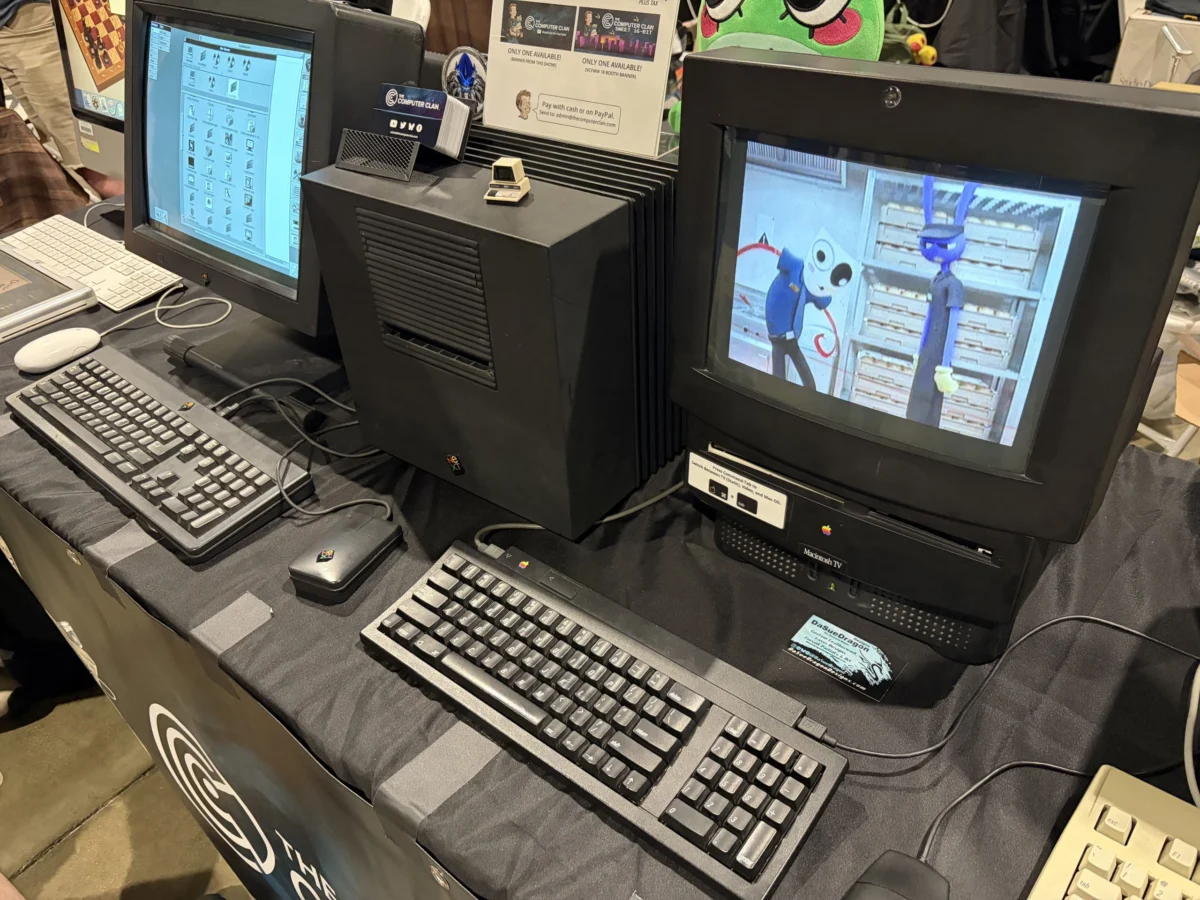
The Vintage Computer Festival (VCF) Midwest, held annually, serves as one of the premier gatherings for technology enthusiasts, historians, and engineers dedicated to the preservation of computing history. This year’s installment, which took place over a landmark weekend, showcased an expansive array of hardware spanning from the dawn of the microcomputer era to the early 21st century. The event functions as both a trade show and a living museum, drawing participants from across the country to engage with rare prototypes, legacy broadcast equipment, and the foundational systems that shaped modern digital infrastructure.
The Scope and Scale of the Exhibition
VCF Midwest has evolved from a niche hobbyist gathering into a significant cultural event that highlights the rapid trajectory of technical innovation. The venue, which appeared at maximum capacity during the event, featured hundreds of individual exhibits. These displays ranged from the iconic, such as the Nintendo Virtual Boy—a 1996 foray into virtual reality—to highly specialized enterprise-grade hardware that rarely reaches the public eye. The sheer volume of equipment on display underscored the event’s primary mission: the documentation and functional restoration of technology that would otherwise be discarded as electronic waste.

Chronology of the Exhibition Floor
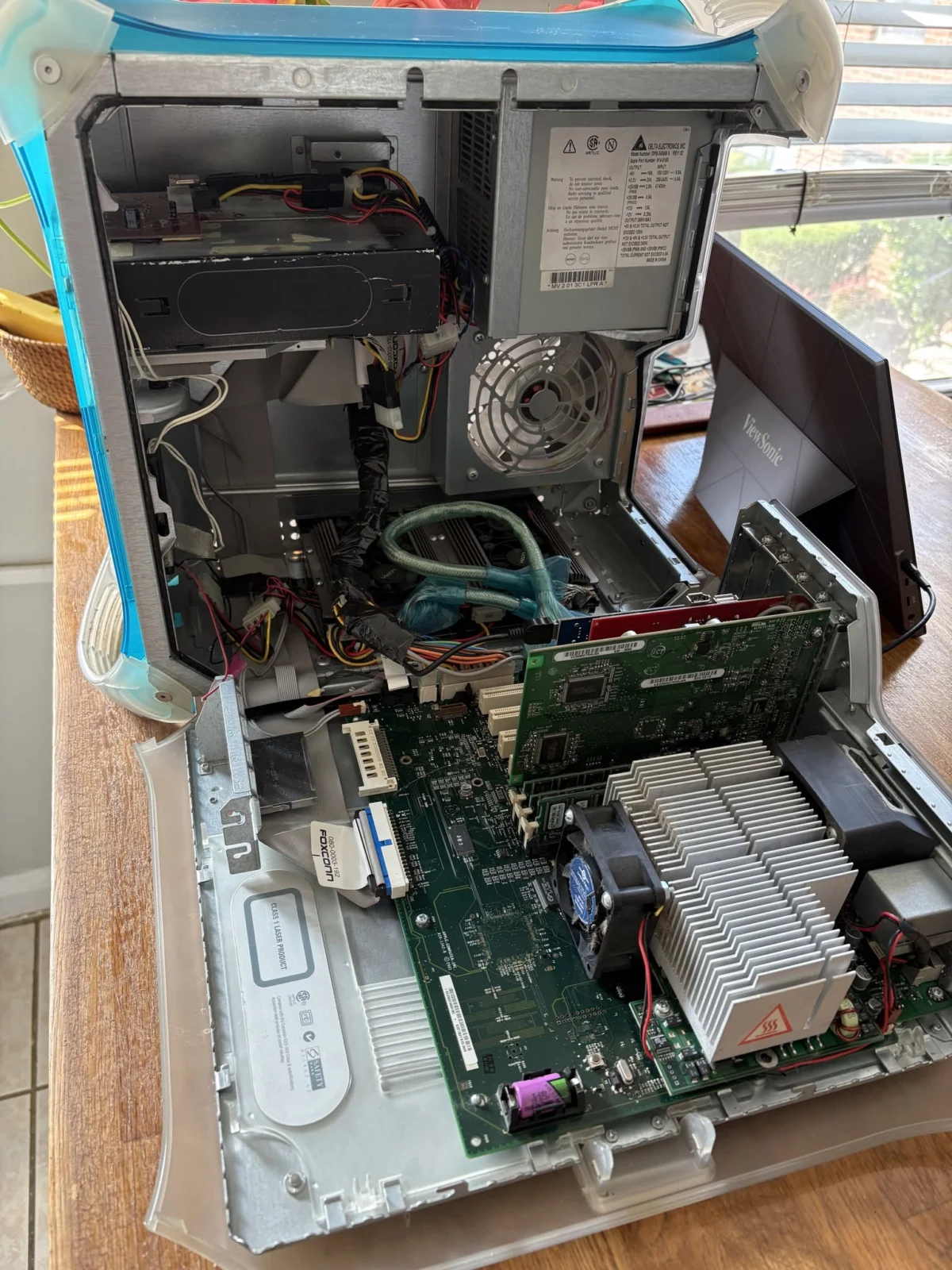
The Saturday programming commenced with a focus on hardware provenance, beginning with a detailed look at the evolution of Apple’s server division. Exhibits curated by historians like "Mr. Macintosh" provided a technical retrospective of Apple server architecture between 1996 and 2009. Of particular note was the presence of a prototype Apple Network Server 300, a precursor to the better-known 700/150 series. This period in Apple’s history, characterized by the transition from the proprietary A/UX operating system to the integration of more standardized server components, represents a pivotal moment in the company’s corporate strategy during the late 1990s.
Mid-afternoon sessions focused on the integration of high-definition analog broadcast technology. The OP Workshop/reelyinteresting exhibit demonstrated the complexity of legacy broadcast chains, featuring the Sony HDC500 camera linked to an HDM-1820 monitor and HVDS HR-Trinitron displays. Discussions with technical experts at the NCG Engineering booth clarified the feasibility of high-definition broadcast in the mid-1980s. While 800-scan-line resolution was technically achievable through massive optics and sophisticated camera control units (such as the Sony BVP-270/CCU-360 pairing), the infrastructure costs of the era rendered such quality impractical for domestic consumption, illustrating the disparity between broadcast capabilities and consumer-grade hardware.
Notable Hardware and Market Rarity
The floor featured several items of significant historical value, including the Apple III—a machine notorious for its early reliability issues—which reportedly sold for several hundred dollars despite being in non-working condition. This highlights a growing trend in the retro-computing market: the valuation of hardware is increasingly tied to its rarity and historical "quirks" rather than its current utility.

Further exploration of the Apple ecosystem revealed a highly sought-after prototype 24-inch 2007 iMac. This unit, displayed by The Computer Clan, served as a prime example of Apple’s internal testing procedures. The machine displayed several deviations from the production model, including a white front-facing logo, a distinct sleep indicator LED, and non-standardized housing components. Such prototypes provide researchers with a clearer understanding of the design iterations Apple underwent before finalizing the aluminum iMac aesthetic that would define the brand for the following decade.
Timekeeping and Infrastructure Preservation
A distinct highlight of the event was the presence of technical communicator Jeff Geerling, whose exhibit focused on the intersection of modern networking and legacy hardware. Geerling demonstrated the use of an Xserve G5 as a Stratum 2 Network Time Protocol (NTP) server. By utilizing a Pi-powered Stratum 1 server to provide a time reference, the exhibit showcased how obsolete hardware can be repurposed to serve functional roles in modern network environments. This approach is increasingly adopted by institutions that require precise synchronization for archival data systems, proving that G5-era PowerPC architecture retains relevance in specific network applications.
Technical Analysis: The Apple Pippin and Emulation
The event also provided a rare look at the Apple Pippin, a multimedia platform that serves as a case study in the risks of early market diversification. Released in the mid-1990s, the Pippin utilized a stripped-down version of the Mac OS. By observing the console in a functioning state, attendees were able to reconcile its identity as both a dedicated gaming platform and a miniaturized computer.

Complementing this were modern advancements in software preservation, such as the DREAMM emulator created by Aaron Giles. By demonstrating the software on a Macintosh TV, the exhibit bridged the gap between vintage hardware and modern accessibility. The emulator focuses specifically on LucasArts and Lucas Learning titles, demonstrating that as physical hardware inevitably degrades, software-based emulation is the most viable path forward for the long-term preservation of digital entertainment.
Broader Implications for Tech Preservation
The collaborative atmosphere of VCF Midwest, involving figures such as Stan Skora—a musician and technologist who provided insights into Atari and Macintosh music production gear—reinforces the multidisciplinary nature of the field. The movement to preserve these devices is not merely nostalgic; it is a systematic effort to maintain a functional record of engineering progress.
The economic impact of these events is also measurable, as seen in the trade of vintage components like the Maxtor 500 GB IDE drives and Seagate Barracuda hard drives. These transactions facilitate the ongoing maintenance of legacy systems. The event organizers and participants are currently in the process of cataloging these displays, with further documentation expected to be released in the coming weeks.

As the digital age continues to accelerate, the importance of physical computing history remains paramount. The hardware presented at VCF Midwest serves as a physical manifest of the software evolution that drives modern computing. By documenting these systems, the community ensures that the foundations of the current technological landscape are preserved, analyzed, and understood by future generations of engineers and historians. The consensus among attendees remains clear: the preservation of these devices is essential for a complete understanding of the digital transformation that has defined the last half-century.