 Ganda Hendra Perkasa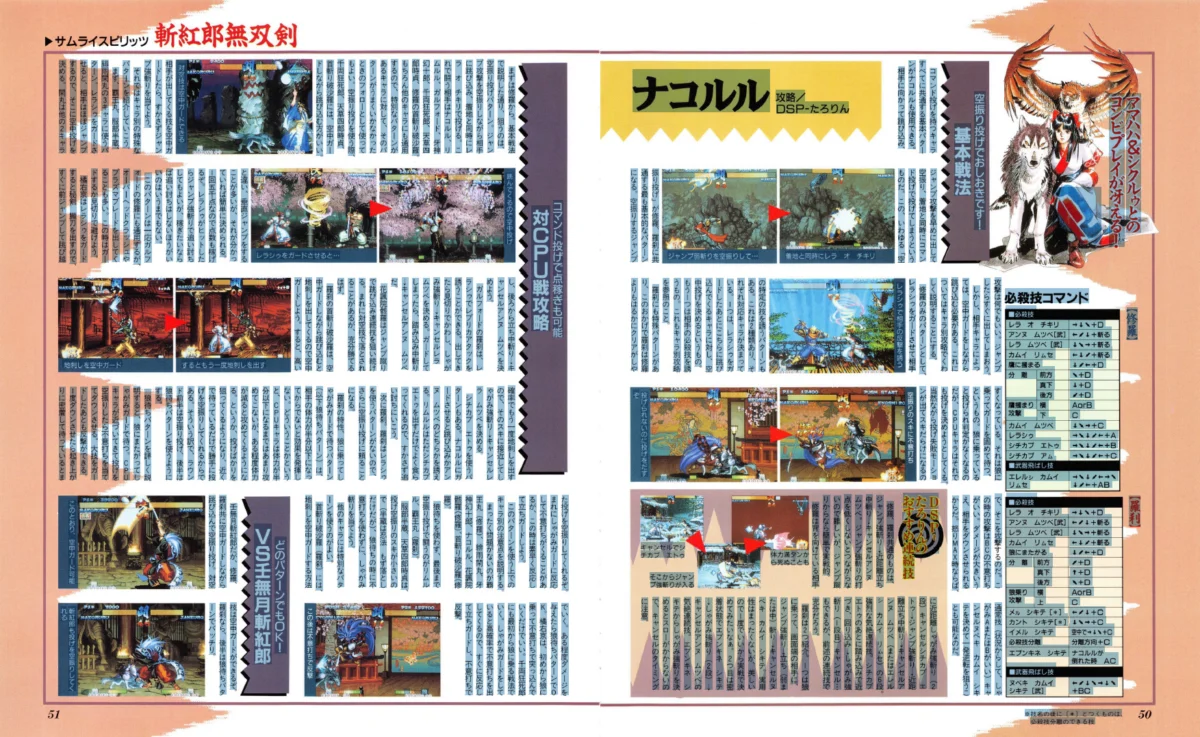
The Video Game History Foundation (VGHF) has achieved a significant milestone in digital preservation by expanding its online research library to include more than 5,000 out-of-print video game magazines. This latest expansion more than triples the size of the foundation’s initial digital archive, which launched just a year and a half ago with roughly 1,500 texts. Today, the repository houses nearly 600,000 pages of historical documentation—the equivalent of approximately 100 linear feet of physical shelf space—spanning 46 years of video game history from 1981 through 2026.
The newly integrated materials account for approximately 60 percent of the foundation’s total cataloged physical magazine inventory. Notable additions to the database include extensive runs of rare industry trade publications, historically significant newsletters that chronicled early industry developments, and niche enthusiast magazines dedicated to specific online and offline communities.
Alongside the sheer volume of English-language additions, the VGHF has rolled out a major platform upgrade: full support for Japanese-language video game publications. This new capability addresses a critical gap in Western-accessible video game research, unlocking rare developer interviews, hardware post-mortems, and firsthand accounts of Japanese player culture that have historically remained unavailable or untranslated for international scholars.
A Chronology of Digital Preservation and Growth
The journey toward a comprehensive, text-searchable digital gaming library has been characterized by steady institutional scaling and vital community collaboration.
The initiative began with the foundational launch of the VGHF digital archive, which debuted with an initial offering of 1,500 text-searchable, out-of-print magazines made freely accessible to researchers, journalists, and historians. Following the warm reception from the academic and enthusiast communities, the foundation quickly identified key areas for expansion.
During the subsequent months, the VGHF systematically cataloged and digitized trade-specific periodicals, corporate newsletters, and regional fan magazines. This phase culminated in the recent milestone of surpassing 5,000 total digitized titles. Recognizing that physical collections alone could not meet global research demands, foundation leadership turned its attention toward international content—specifically targeting Japanese publications, which represent the bedrock of classic video game development history.
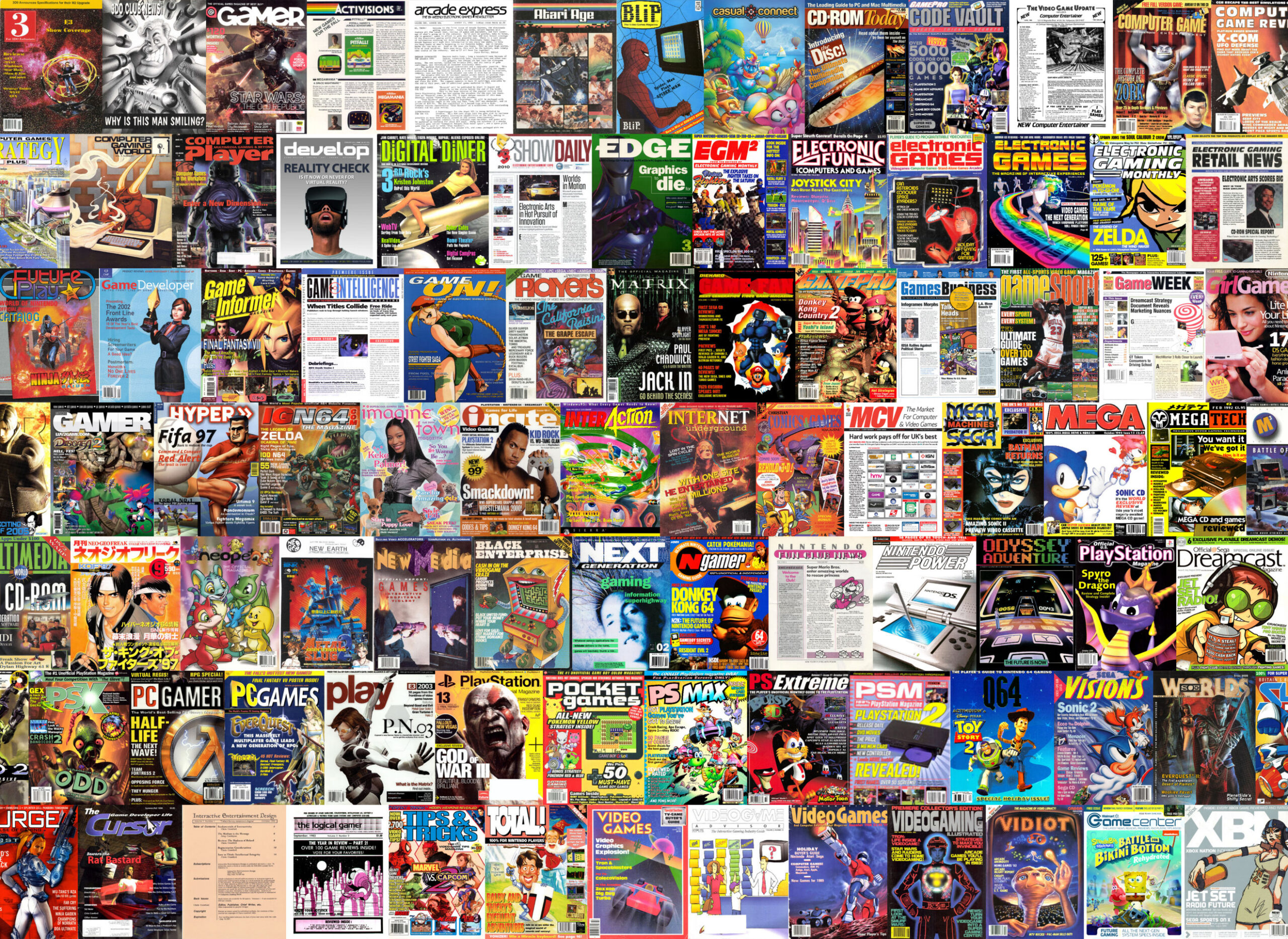
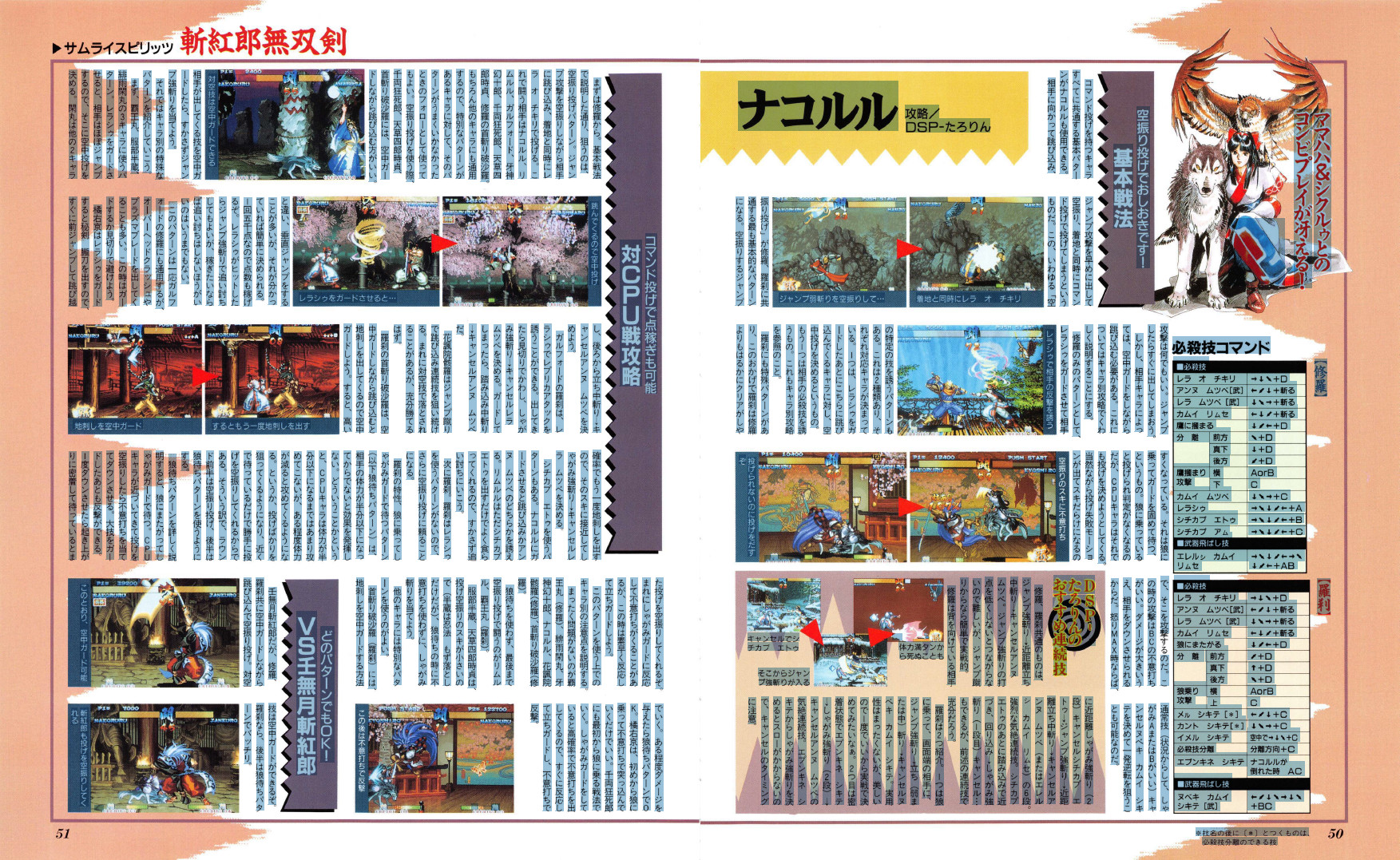
The launch of the Japanese-language initiative begins with a pilot project focused on Neo Geo Freak, a prominent magazine covering SNK’s Neo Geo home and arcade ecosystems from 1995 to 2000. Thanks to a complete physical donation from a private collector and initial scanning efforts by the community archivist group Japanese Magazine Scans, the VGHF was able to establish a streamlined workflow for handling complex, non-English documents.
Overcoming Technical Hurdles in Cross-Cultural Archiving
Integrating Japanese-language materials presented distinct technical and cultural hurdles that far exceeded standard PDF uploads. Because VGHF staff members are not universally fluent in Japanese, maintaining the archive’s rigorous indexing standards required innovative technological solutions and external academic partnerships.
To solve this, foundation engineers consulted professional archivists in Japan to identify industry-standard optical character recognition (OCR) libraries optimized for Japanese script. These specialized tools were integrated directly into the VGHF’s existing text-mapping infrastructure. The resulting system is capable of accurately recognizing complex kanji, hiragana, katakana, and vertical writing styles without misinterpreting layouts, producing what the foundation believes is the most accurate text-searchable Japanese magazine repository currently available online.
To make the extensive volumes navigable for English-speaking researchers without relying on error-prone automated bulk translation tools, the VGHF enlisted a dedicated team of bilingual volunteers. This group manually indexed major articles, feature pieces, and developer interviews across the entire run of Neo Geo Freak. Furthermore, platform developers engineered several crucial backend updates, including language-based filtering, native right-to-left page turning layouts, and search algorithms capable of processing Japanese text without interword spacing.
Pre-existing Japanese assets within the archive—such as promotional catalogs and ephemera from FromSoftware—were retroactively re-processed to comply with these updated technical standards.
Collaborative Foundations and Community Contributions
The rapid scaling of the VGHF digital library would have been impossible without the concerted efforts of independent, community-run scanning operations. Approximately one-third of the archive’s total contents were digitized directly in-house by the VGHF, while the remaining two-thirds were contributed by external collectors, preservationists, and digital preservation groups.
The successful rollout of the Japanese archive pilot specifically relied on the subject-matter expertise and language proficiencies of a specialized volunteer cohort. The foundation formally recognized the contributions of Brian Clark, Rob Curl, Misty De Méō, Dave Fishel, Akito Inoue, Stef “pidgezero_one” Kischak, Lillian McIntyre, Stephen Meyerink, and Adria Miller, whose linguistic labor ensured the technical and historical integrity of the pilot launch.
Broader Academic Impact and Implications for the Field
The implications of the VGHF’s expanding archive extend far beyond hobbyist nostalgia, serving as a transformative resource for formal academic research, journalism, and historical documentation.
Within just 18 months of its initial debut, the VGHF Digital Archive has established itself as an authoritative reference standard. The platform has already garnered over 500 direct citations on Wikipedia, becoming the preferred verified source for out-of-print gaming periodicals. By providing free, text-searchable access to historical documentation, the foundation has democratized access to primary sources that were previously locked behind prohibitive collector markets or restricted physical archives.
The inclusion of Japanese-language materials addresses a long-standing structural imbalance in gaming historiography. Historically, Western scholarship has relied heavily on localized coverage, occasionally missing the nuanced developmental timelines, marketing strategies, and cultural contexts originating from Japanese publishers. By making primary-source material from publications like Neo Geo Freak searchable and accessible alongside English-language texts, the VGHF is enabling comparative, transnational studies of the medium’s golden eras.
Future Horizons and Scalability
Buoyed by the success of the initial Japanese media pilot, VGHF leadership is already planning the next phases of archival expansion. Foundation representatives have confirmed that they are evaluating an additional batch of approximately 70,000 pages of international print media slated for integration over the coming years.
However, scaling this operation will require continued collaboration. While the VGHF houses an impressive inventory, it does not possess a monopoly on international gaming literature. Foundation leadership has issued an open call to partnering cultural institutions, libraries, and private collectors holding extensive international print runs who require technical assistance in turning their physical collections into accessible research assets.
Additionally, the foundation is actively recruiting volunteers proficient in Japanese to assist with the meticulous indexing of upcoming magazine batches. Researchers, historians, and language experts wishing to contribute to the project or provide feedback on the new Japanese-language interface are encouraged to contact the VGHF library team directly through their official portal.
As the digital library continues to grow, the Video Game History Foundation remains committed to preserving the ephemeral literature of an industry defined by rapid technological obsolescence, ensuring that the stories, advertisements, and critical discourse of video gaming’s past remain preserved for generations of scholars to come.