Ganda Hendra Perkasa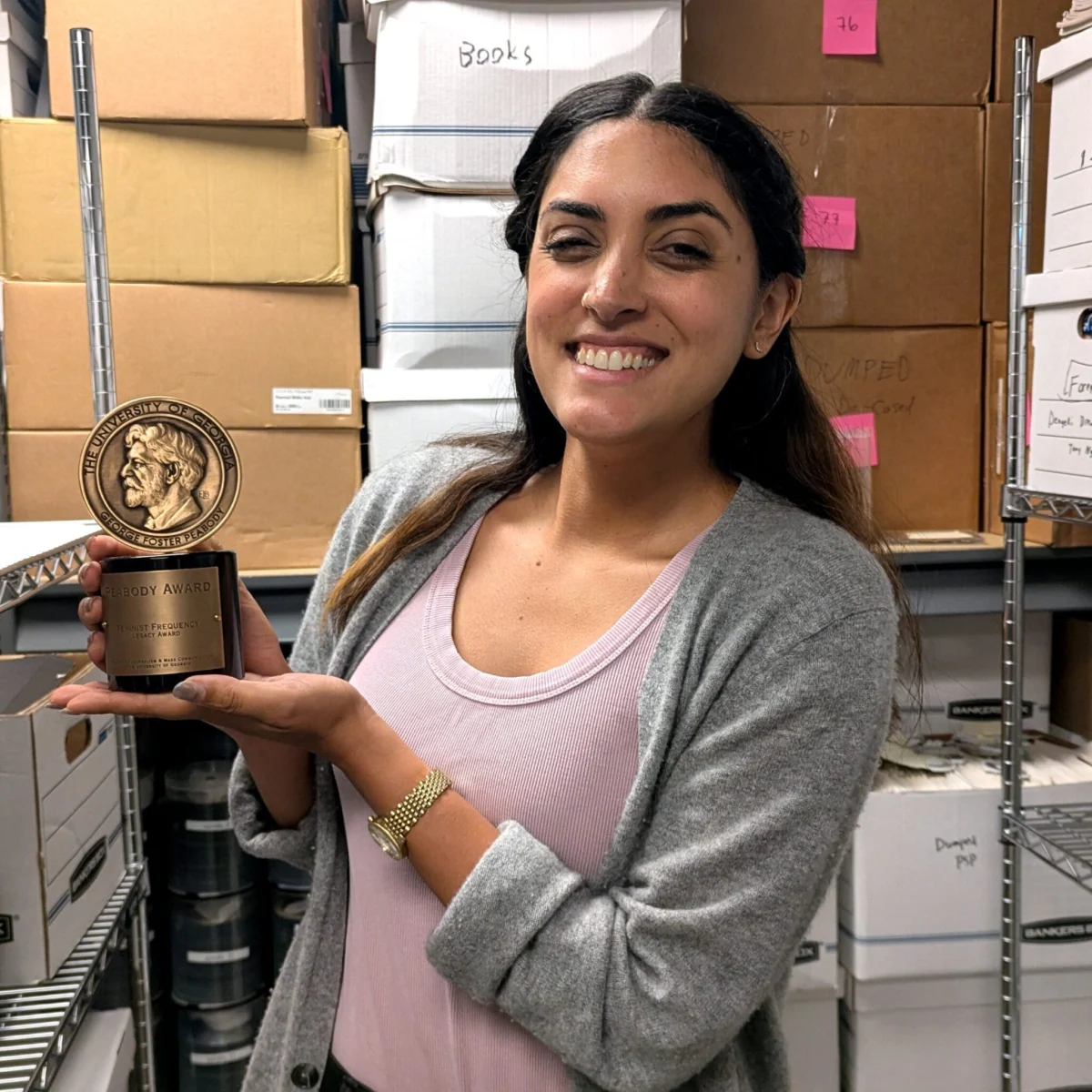
The Video Game History Foundation (VGHF), a leading non-profit organization dedicated to the preservation and documentation of interactive entertainment history, has officially announced the appointment of Meera Swanson as its new Development Manager. Swanson steps into the role with a decade of nonprofit fundraising experience spanning the education, youth development, and legal aid sectors. Her arrival marks a strategic expansion for the organization as it seeks to scale its donor relations, secure long-term funding streams, and accelerate the processing of thousands of uncataloged historical artifacts currently sitting in its acquisition queues.
Swanson’s transition to the VGHF represents a convergence of her professional background in institutional development and a lifelong affinity for interactive media. In her new capacity, she will spearhead efforts to deepen engagement with the foundation’s donor base, oversee grant-writing initiatives, and coordinate fundraising campaigns. The appointment comes at a critical juncture for the museum and archive sector, where digital preservation faces mounting financial and technological hurdles. By bringing in a seasoned development professional with a specialized appreciation for video game culture, the VGHF aims to fortify its operational infrastructure and broaden its public outreach.
Background Context of the Video Game History Foundation
Founded to address the pervasive industry-wide issue of "digital ephemera"—where source code, design documents, marketing materials, and physical hardware are routinely lost to time, format degradation, or corporate restructuring—the VGHF operates as a vital repository for global gaming heritage. Unlike traditional museums that often focus exclusively on finished consumer products, the foundation actively acquires and preserves the intermediate artifacts of game development. This includes internal corporate correspondence, early design pitches, original hand-drawn artwork, trade publications, and unused code repositories.
The institution’s governing philosophy posits that video games are cultural artifacts worthy of rigorous academic and public preservation, mirroring the treatment afforded to cinema, literature, and fine art. Over the years, the VGHF has established a digital archive and physical library that serve researchers, journalists, developers, and historians globally. However, maintaining these repositories requires substantial, continuous capital to fund secure climate-controlled storage, digital scanning operations, legal compliance regarding software preservation, and dedicated archival personnel.
The Evolution of Nonprofit Fundraising in Digital Preservation
The operational model of institutions like the VGHF relies heavily on a hybrid revenue structure comprising individual philanthropy, institutional grants, corporate partnerships, and recurring community-supported crowdfunding platforms such as Patreon. Over the past decade, non-profit organizations operating within the digital culture and archival space have had to adapt to shifting donor demographics and digital engagement strategies.
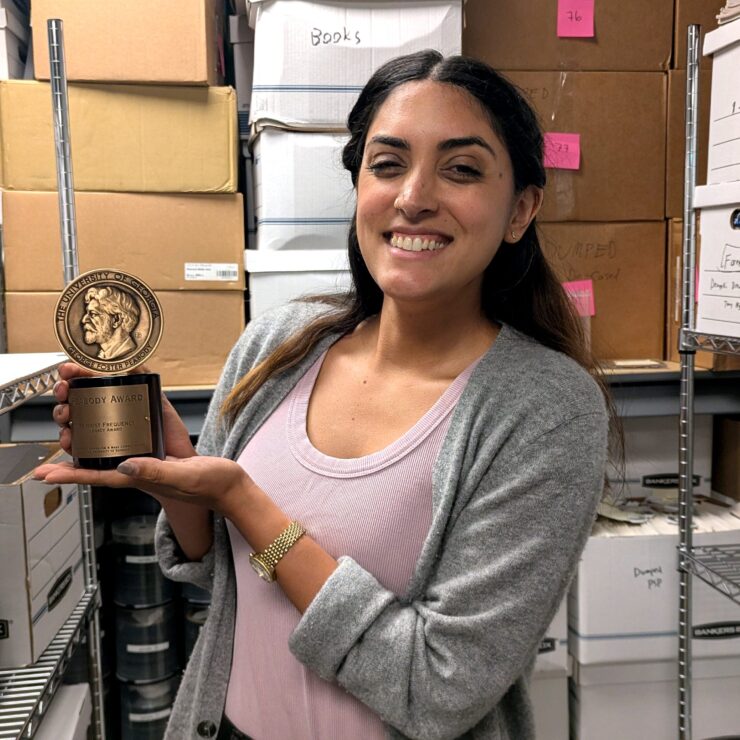
Swanson’s decade-long career in nonprofit development provides her with direct expertise in navigating these complex funding ecosystems. Having previously managed capital campaigns, special events, and major donor portfolios within education and legal advocacy, she brings a versatile skill set to the arts and culture sector. Her proficiency in grant writing and donor stewardship is expected to play a crucial role in diversifying the VGHF’s revenue sources, ensuring that the organization can sustain its labor-intensive cataloging processes without interruption.
Collection Highlights Driving Public Engagement
A central component of Swanson’s early onboarding involved familiarizing herself with the foundation’s extensive physical and digital holdings. The VGHF library houses numerous rare and historically significant collections that illustrate the complex, collaborative nature of video game development. Among the notable items highlighted during her first month are historical periodicals, foundational feminist media critiques, and pre-digital era design materials.
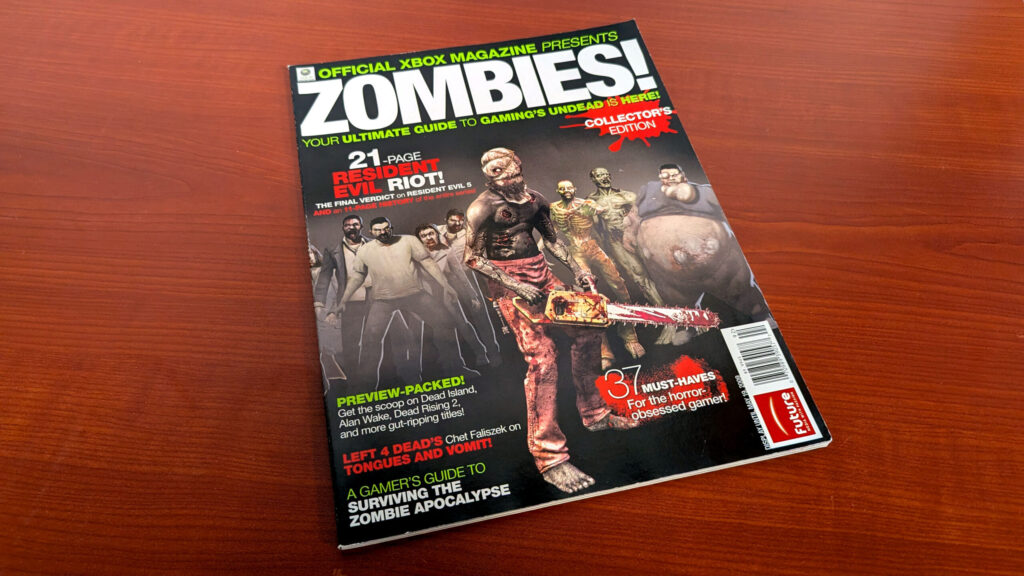
One such item is an archived issue of the Official Xbox Magazine titled Zombies!, which serves as a tactile time capsule of the medium’s late-2000s commercial landscape. This periodical encapsulates a transitional era for the industry, bridging the gap between sixth-generation console classics and the high-definition graphical leaps of the seventh generation, featuring titles like Resident Evil and BioShock 2. For contemporary researchers, such publications offer critical insight into how video games were marketed, reviewed, and perceived by consumers during specific historical windows.
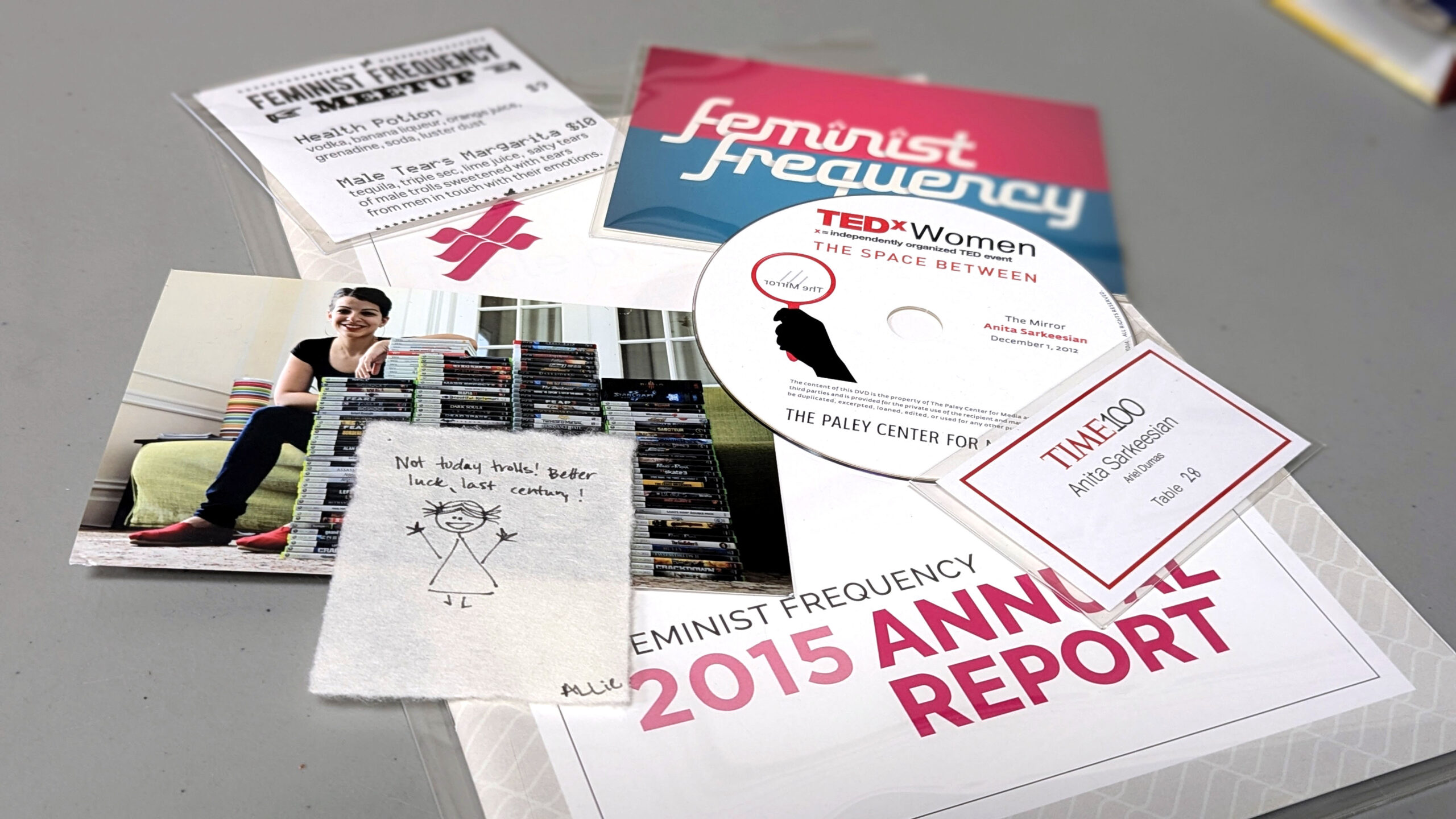
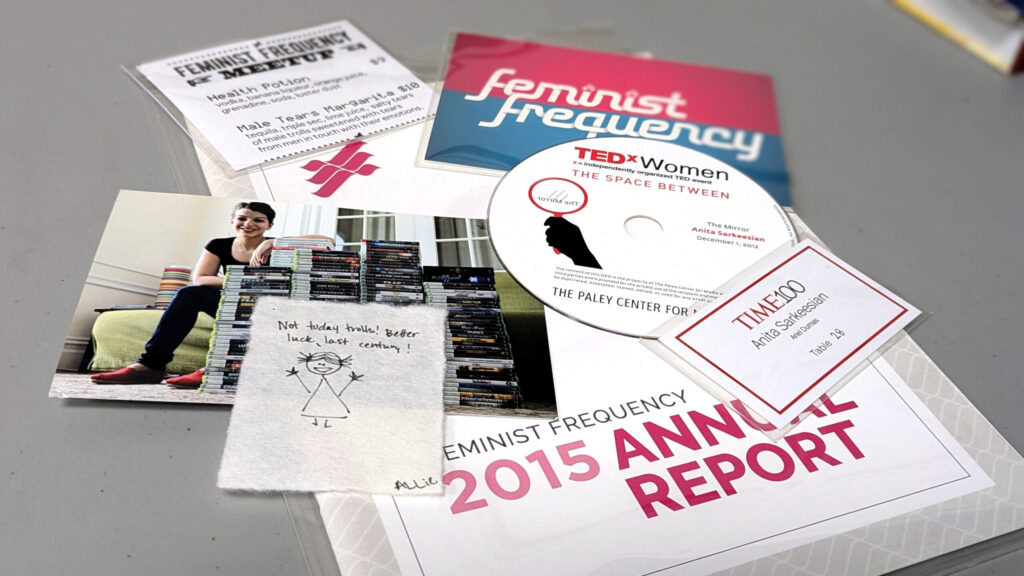
Another major acquisition housed at the foundation is the Feminist Frequency collection, encompassing reference materials, merchandise, and awards associated with media critic Anita Sarkeesian’s influential Tropes vs. Women in Video Games video series. The inclusion of these materials in a historical archive underscores the recognition that critical discourse, cultural analysis, and public debate surrounding representation are just as essential to understanding the medium’s history as the software itself. The collection includes physical artifacts such as Sarkeesian’s Peabody Award, preserving the tangible milestones of digital cultural criticism.
Furthermore, the VGHF maintains rare physical design assets, such as original hand-drawn reference art from Disney’s Aladdin for the Sega Genesis. Created by art director Mike Dietz and shared directly with traditional Disney animators, these sketches demonstrate the intricate intersection between traditional cell animation techniques and 16-bit sprite-based game development. Preserving these source documents allows historians to trace the exact workflows utilized by multidisciplinary teams during an era when cross-medium collaborations were becoming increasingly sophisticated.
Implications for the Future of Game Preservation
The appointment of a dedicated Development Manager carries broader implications for the long-term viability of digital preservation initiatives. Despite the growing cultural legitimacy of video games, institutional funding for interactive media archives lags significantly behind traditional art and historical institutions. Much of the world’s video game history remains trapped on aging magnetic media, proprietary cartridges, and uncataloged corporate hard drives.
The backlog of unprocessed materials within organizations like the VGHF highlights a persistent resource bottleneck: while acquisitions frequently arrive from generous developers, collectors, and citizen archivists, the labor required to sort, digitize, and catalog these items demands sustained financial backing. By expanding development operations under Swanson’s guidance, the foundation aims to secure the recurring revenue necessary to transform raw acquisitions into accessible, searchable resources for the public.
Strategic Outlook and Community Integration
Looking ahead, Swanson’s strategy involves not only securing institutional and major donor funding, but also fostering deeper connections with the grassroots community of gamers, independent researchers, and enthusiasts who passionately support the foundation’s mission. Through digital platforms such as Discord and regular community hangouts hosted on Patreon, the VGHF maintains an active, participatory relationship with its supporters.
Swanson has emphasized an open-door approach, encouraging community members and supporters to communicate regarding their motivations for backing the foundation and their aspirations for future archival projects. As the VGHF continues to scale its operations, the integration of targeted development strategies with community-driven engagement will remain central to its mission. By ensuring that the financial foundations of the institution are robust and resilient, the organization seeks to safeguard thousands of fragile historical documents, ensuring that the collective history of interactive entertainment remains preserved, studied, and accessible to future generations.