 Ganda Hendra Perkasa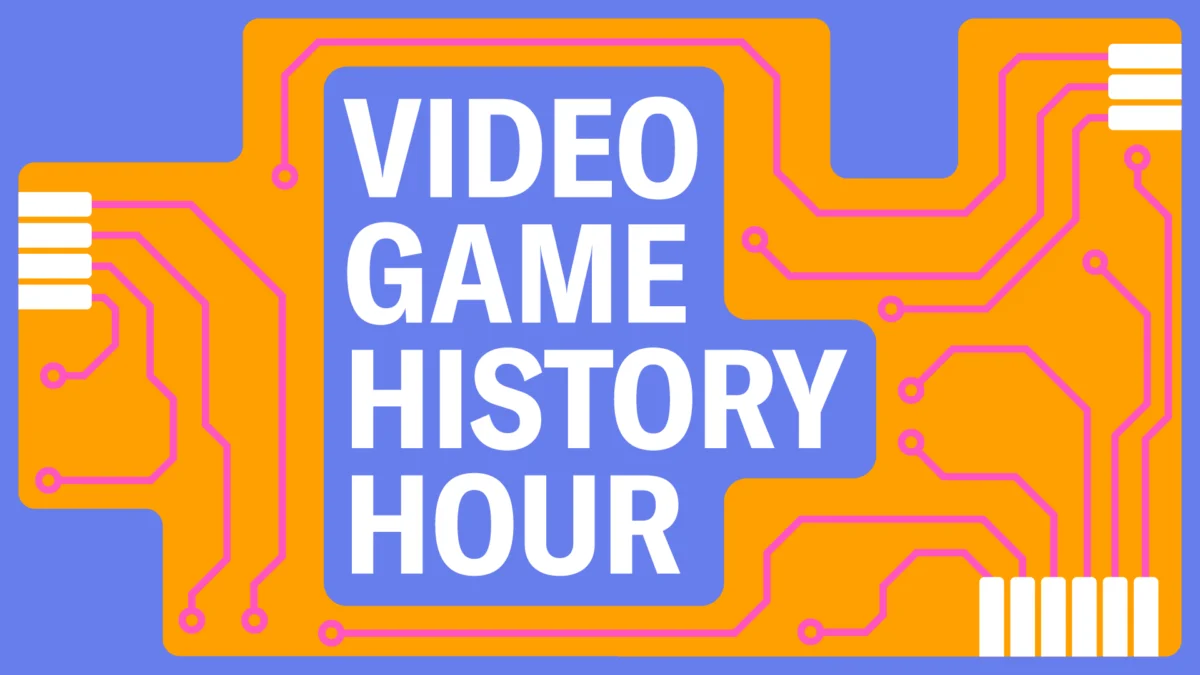
The urgent race to safeguard the ephemeral history of interactive entertainment has taken center stage as cultural preservationists grapple with a mounting crisis in software archiving. On the latest installment of the Video Game History Hour, host Phil Salvador welcomed Dr. Colin Post and Marisa Marzilli from the University of North Carolina at Greensboro (UNCG) to discuss a critical frontier in cultural heritage: the preservation of digital-only independent video games. The wide-ranging discussion serves as a prelude to the upcoming Digital Games in Libraries (DGIL) National Virtual Forum, a high-stakes collaborative event scheduled to take place online from October 29 through October 30.
As physical media continues its rapid decline in favor of cloud-based distribution, storefront closures, and digital rights management (DRM) restrictions, independent developers face unprecedented vulnerabilities regarding the long-term accessibility of their works. Unlike major industry publishers backed by massive archival budgets, indie creators frequently rely on transient digital distribution platforms. When these storefronts shutter or servers are decommissioned, entire libraries of culturally significant creative works risk vanishing entirely. The DGIL initiative, spearheaded by academic and information science professionals, aims to address these systematic gaps by establishing frameworks that empower public, academic, and specialized libraries to collect, curate, and preserve digital interactive media.
The Genesis of the Digital Games in Libraries Initiative
The origins of the Digital Games in Libraries initiative stem from a growing recognition within the academic and library science communities that traditional collection development policies are poorly equipped for the digital age. For decades, libraries collected physical cartridges, discs, and accompanying manuals, relying on established legal frameworks like the First Sale Doctrine and time-tested preservation standards. However, the paradigm shift toward digital-only distribution has introduced complex legal, technical, and logistical barriers.
Dr. Colin Post and Marisa Marzilli, speaking on Episode 164 of the podcast, detailed how the DGIL project was conceived to bridge the gap between cultural memory institutions and the rapidly expanding ecosystem of independent game development. Recognizing that indie games often capture unique cultural narratives, diverse perspectives, and avant-garde technical innovations that AAA blockbusters overlook, the researchers set out to build a collaborative network. This network is designed to help libraries navigate the murky waters of digital archiving, licensing, and community engagement.
The upcoming DGIL National Virtual Forum, running October 29-30, represents a major milestone for the initiative. The event is structured to bring together librarians, archivists, researchers, independent developers, and digital preservationists to formulate actionable strategies. By fostering a cross-disciplinary dialogue, the forum seeks to move beyond theoretical discussions and establish concrete collection models that institutions of varying sizes can implement.
The Rising Crisis of Digital Obsolescence in Video Games
To understand the gravity of the work being discussed on the Video Game History Hour, one must examine the broader data surrounding video game preservation. According to a landmark study published by the Video Game History Foundation in collaboration with the Software Preservation Network, a staggering 87 percent of classic video games released in the United States are currently considered critically endangered. This metric paints a grim picture for the medium as a whole, but the threat is exponentially more acute for digital-only independent releases from the past two decades.
Independent video games occupy a vital space in the cultural zeitgeist, frequently driving innovation in game design, tackling mature or marginalized thematic elements, and serving as a testing ground for artistic expression. Yet, these titles rarely receive physical releases. When a digital storefront ends its operational life cycle—such as Sony’s previous announcements regarding the PlayStation 3, PlayStation Vita, and PSP digital storefronts—thousands of games instantly transition from commercially available products to lost media for anyone who did not previously purchase and download them.
Furthermore, server-dependent indie games face the looming threat of sudden death. Titles that rely on proprietary cloud infrastructure or third-party matchmaking services can become completely unplayable the moment a developer ceases operations or can no longer afford server maintenance. This structural fragility highlights why initiatives like DGIL are no longer merely academic exercises, but rather urgent rescue missions for modern digital culture.
Developing New Collection Models for Libraries
A central theme of the conversation between Salvador, Post, and Marzilli centered on the evolution of collection models for digital games. Traditional library acquisitions rely on purchasing physical copies or subscribing to institutional databases. Neither approach translates neatly to independent video games, which are frequently distributed through platforms like Steam, itch.io, or console-specific digital storefronts.
During the podcast episode, the guests explored how libraries can adapt their acquisition strategies to embrace digital-only inventory. This includes negotiating institutional licensing agreements with indie developers, utilizing specialized preservation software capable of bypassing obsolete DRM without violating legal frameworks, and leveraging digital repository infrastructure to ensure files remain accessible over generations.
Marzilli and Post emphasized that libraries are uniquely positioned to serve as safe havens for digital culture. Unlike commercial entities driven entirely by short-term profitability, public and academic libraries operate under a civic mandate to preserve knowledge and creative works for the public good. However, fulfilling this mandate in the digital sphere requires standardized tools, shared metadata standards, and robust funding. The DGIL National Virtual Forum is explicitly designed to ideate on these future phases and resources, creating a shared toolbox that participating institutions can utilize.
Industry Reactions and the Path Forward
The preservation community has responded enthusiastically to the development of the DGIL initiative. While major technology and entertainment corporations often prioritize closed ecosystems and restrictive copyright enforcement, a growing coalition of legal scholars, archivists, and creators are pushing back in favor of user rights and cultural longevity.
Recent regulatory victories, such as expanded exemptions to the Digital Millennium Copyright Act (DMCA) granted by the U.S. Copyright Office allowing libraries and museums to bypass technical protection measures for preservation purposes, have provided legal tailwinds for these efforts. However, legal exemptions alone are insufficient without the technical infrastructure and institutional will required to execute large-scale digital archiving.
By connecting researchers from the University of North Carolina at Greensboro with public-facing platforms like the Video Game History Hour, the DGIL initiative successfully bridges the gap between insular academic research and public awareness. Listeners tuning into Episode 164 are provided with a comprehensive look at how systemic archiving works behind the scenes, transforming abstract preservation concepts into tangible operational goals.
Broader Implications for Cultural Heritage
The implications of the Digital Games in Libraries initiative extend far beyond the video game industry. As virtually all forms of contemporary artistic expression—including literature, music, film, and software—transition entirely to digital formats, society faces a collective amnesia if robust preservation models are not established now.
If successful, the frameworks developed through the DGIL National Virtual Forum could serve as a blueprint for archiving other forms of interactive and born-digital media. By proving that libraries can successfully collect, curate, and provide access to digital-only indie games, the initiative establishes a precedent that other cultural sectors can adapt and replicate.
As the October 29-30 forum approaches, anticipation within the archival and independent development communities continues to build. Stakeholders interested in participating, supporting, or learning more about the initiative can access resources through the official Digital Games in Libraries website and Substack publication. Meanwhile, Episode 164 of the Video Game History Hour remains available across major podcast platforms, offering an essential listening experience for anyone invested in the future of interactive art and digital preservation.