Cecilia Chamidah Nur
The recent decision by 33 Games to bring Gremlin Graphics’ 1992 platforming phenomenon, Zool: Ninja of the Nth Dimension, back to the Sega Mega Drive has sparked a wave of nostalgia within the retro-gaming community. This physical re-release, headlined by the expansive Ultimate Archive Edition, represents a significant moment in the preservation of 1990s British game development history. While the industry has shifted heavily toward digital distribution, the commitment of boutique publishers to produce tangible, high-quality collector’s sets serves as a vital bridge between the ephemeral nature of modern software and the physical legacy of the 16-bit era.
The Genesis of a Gremlin Legend
To understand the cultural weight of this re-release, one must first look at the landscape of the early 1990s. Developed by Sheffield-based Gremlin Graphics and released in 1992, Zool was positioned as the premier challenger to Sega’s Sonic the Hedgehog and Nintendo’s Mario. The game was an ambitious project, characterized by its breakneck speed, intricate level design, and a distinctive "cool" aesthetic that leaned heavily into the marketing tropes of the era.
Zool was designed by George Allan and featured a soundtrack by Patrick Phelan, both of whom helped define the "Amiga-to-Console" port culture. Originally developed for the Commodore Amiga, the title gained immense popularity due to its fluid controls and vibrant, if somewhat frenetic, visual style. Its transition to the Sega Mega Drive was a technical milestone for the time, marking the apex of Gremlin’s influence in the global market. The game’s success was further bolstered by an aggressive marketing campaign that included product placement—most notably the Chupa Chups lollipops featured prominently within the game’s first world, an early example of brand integration in gaming.
Chronology of the Re-release
The trajectory leading to the Ultimate Archive Edition began in early 2026, when 33 Games announced its intention to license and publish new physical cartridges for the Sega Mega Drive. This initiative was part of a broader trend of independent developers and publishers acquiring the rights to "abandonware" or classic IPs to revitalize them for a new generation of collectors.
- May 2026: 33 Games formally announces the licensing deal for the Zool franchise, confirming plans for both standard and premium physical editions.
- June 2026: Pre-orders for the Ultimate Archive Edition open, signaling strong consumer demand for legacy hardware titles.
- August 2026: Production milestones are met, though logistics challenges regarding specialized peripheral manufacturing arise.
- September 2026: The first units of the Ultimate Archive Edition begin distribution, including the disclosure of a minor manufacturing oversight regarding the exclusion of the commemorative collector’s coin.
Analyzing the Ultimate Archive Edition Contents
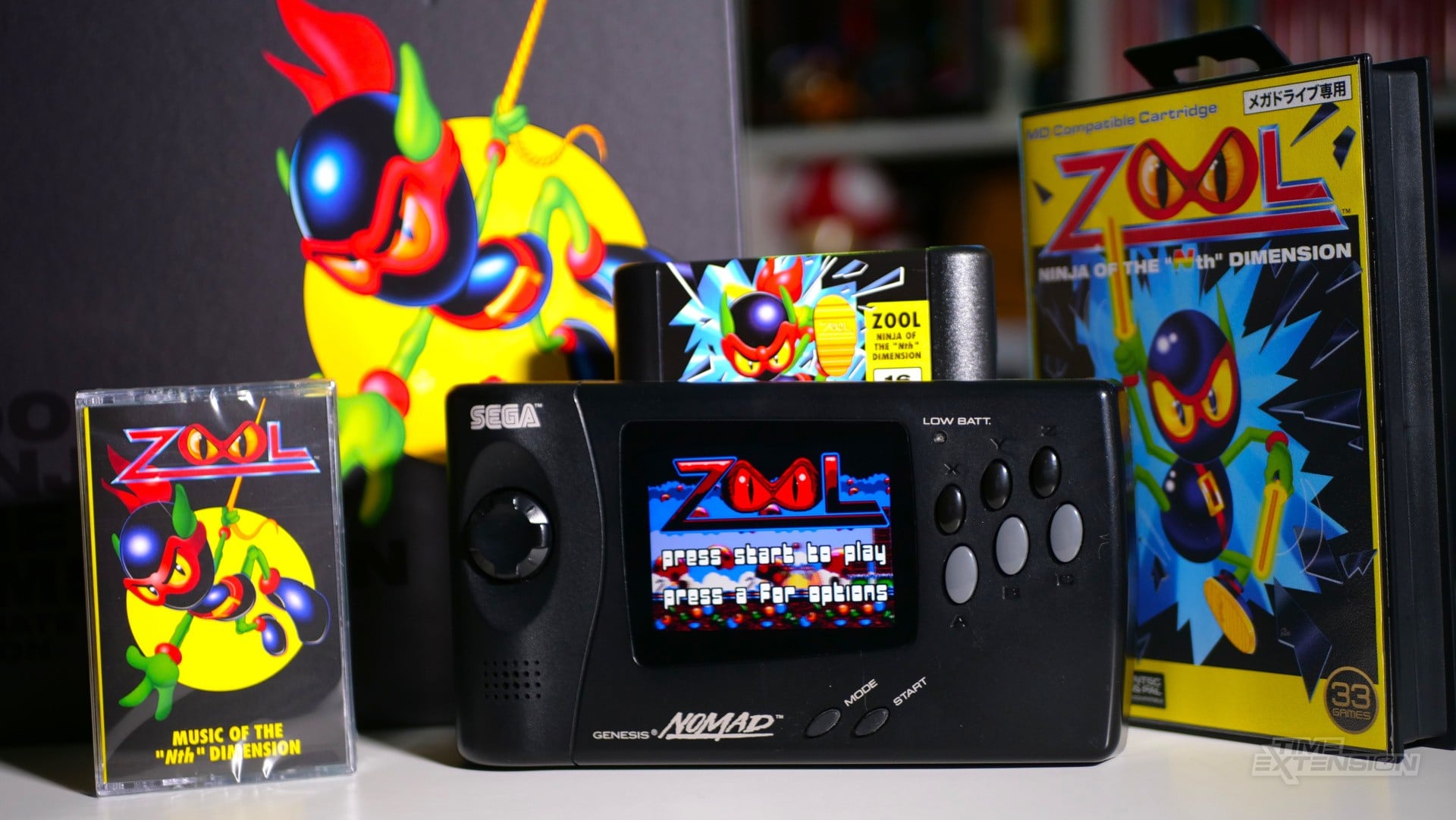
The Ultimate Archive Edition is designed as a definitive artifact for the franchise, intended to serve as both a functional game and a museum-quality display piece. While the current review units received by the press were noted to be missing the limited-edition commemorative coin—a result of a localized production delay—the remainder of the package is illustrative of the current standards for premium retro releases.
The package typically includes a high-fidelity recreation of the original cardboard packaging, a professionally printed instruction manual that mirrors the aesthetic of the 1992 release, and, crucially, a newly manufactured PCB (printed circuit board) housed in a classic-style cartridge shell. This attention to detail is essential for collectors, as the value of these releases is derived as much from the tactile experience of the packaging as it is from the software itself. By utilizing modern manufacturing techniques to mimic the specifications of original 16-bit hardware, 33 Games ensures compatibility with original consoles, thereby honoring the authentic experience of the era.
The Economics of Physical Preservation
The market for physical retro-gaming merchandise has grown substantially over the last decade. Data from auction houses and specialized retail tracking services indicate that demand for "Complete in Box" (CIB) titles has increased by roughly 15% annually since 2020. This shift is driven by a demographic of players who grew up in the 8-bit and 16-bit eras and now possess the disposable income to invest in the preservation of their childhood experiences.

33 Games’ approach represents a shift from "emulation-only" models to "hardware-native" models. By producing physical cartridges, the publisher is catering to a niche but highly dedicated segment of the market that values the physical integrity of the collection. This strategy mitigates the risk of software becoming inaccessible due to digital store closures or licensing expiration, effectively cementing Zool’s place in the gaming canon.
Official Responses and Industry Context
While 33 Games has not issued a formal statement regarding the manufacturing discrepancy of the collector’s coin, industry analysts suggest that such hurdles are standard in the niche boutique publishing sector. Small-batch manufacturing for items like stamped metal coins often involves third-party contractors, where a single failure in the supply chain can ripple through the entire fulfillment process.
"The effort required to recreate these experiences is immense," notes industry researcher Sarah Jenkins. "You aren’t just coding; you are sourcing plastics, printing archival-grade paper, and managing logistics for hardware that hasn’t been in mass production for thirty years. Missing a minor component like a coin is a common friction point in what is effectively a bespoke manufacturing process."
Broader Implications for Legacy Software
The resurgence of Zool serves as a case study for the viability of classic IP management. When companies like Gremlin (now part of the Sumo Group ecosystem) allow third-party specialists to handle the logistics of physical releases, it creates a sustainable model for intellectual property that would otherwise remain dormant.
The implications are twofold:
- Cultural Heritage: The game is preserved on physical media, ensuring that even if servers are shut down or digital platforms evolve, the game remains playable on original or compatible hardware.
- Market Validation: The success of these editions provides clear data to publishers that there is a permanent, profitable market for legacy titles, which may incentivize further licensing agreements for other 16-bit classics.
Future Outlook for the Franchise
As the retro gaming market continues to mature, the focus is shifting toward "Archive Editions" that offer more than just the base game. Collectors are increasingly seeking comprehensive documentation, historical context, and high-quality physical ephemera. The Zool Ultimate Archive Edition is a prime example of this evolution.
While the absence of the coin in initial review copies is a minor setback, the overall reception of the package reinforces the idea that the "Ninja of the Nth Dimension" still holds a place in the hearts of gamers. Whether or not this release leads to a larger, digital-native remake or a new entry in the series remains speculative. However, by validating the brand’s enduring appeal through this physical medium, 33 Games has ensured that Zool remains a visible and respected part of the gaming landscape for the foreseeable future.
In conclusion, the effort to bring Zool back to the Mega Drive is a testament to the enduring power of the 16-bit era. By balancing the technical requirements of the original hardware with the expectations of modern collectors, the Ultimate Archive Edition stands as a significant milestone in the ongoing efforts to document and celebrate the history of interactive entertainment. As the industry looks back at the foundations of platforming design, titles like Zool remind us that while technology advances, the core tenets of a well-designed game remain timeless.