Cecilia Chamidah Nur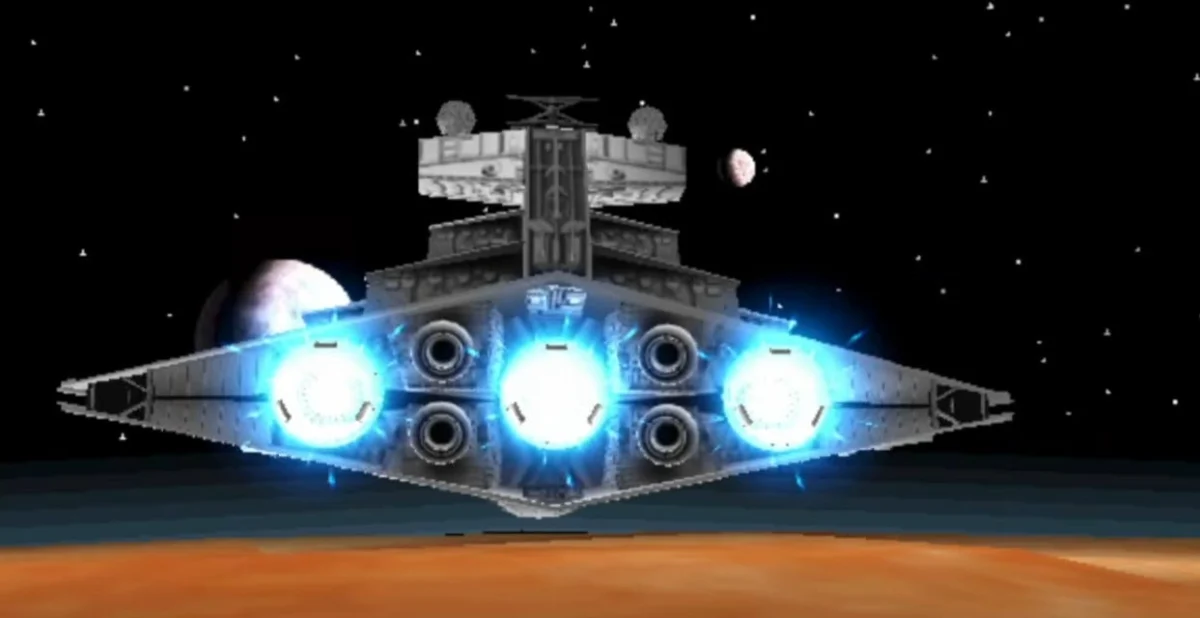
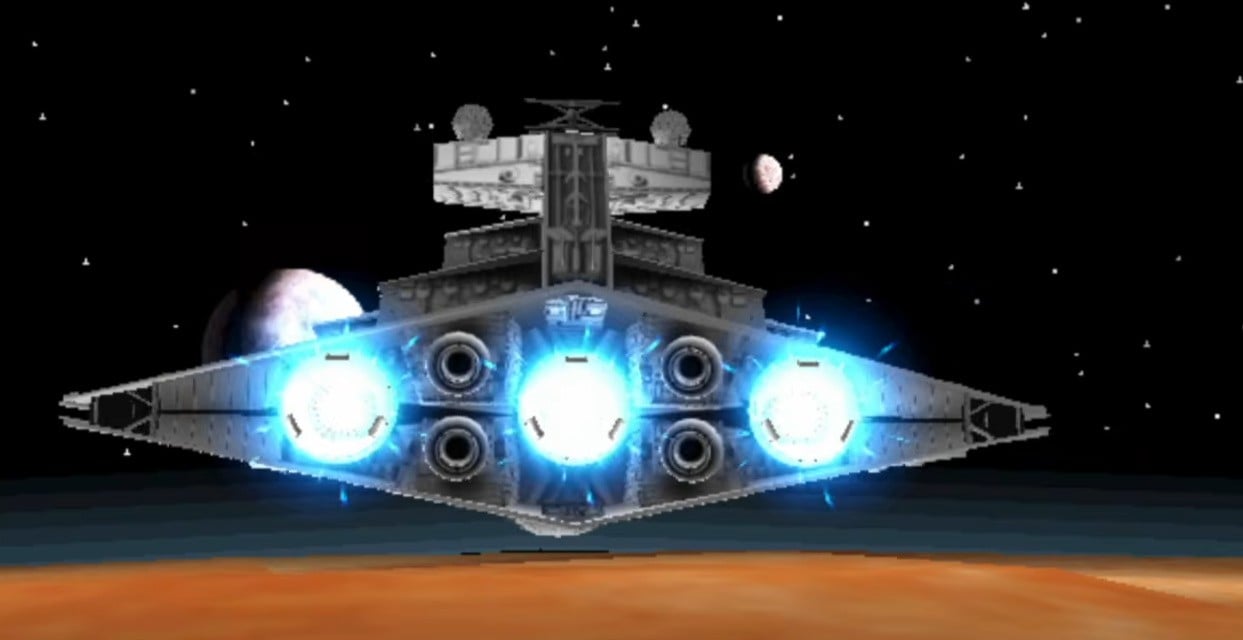
For over two decades, Sega’s 1998 arcade powerhouse Star Wars Trilogy Arcade has remained one of the most elusive titles for home console preservationists. Originally developed for Sega’s proprietary Model 3 hardware—a platform renowned for its high-polygon throughput and advanced lighting effects—the game captured the definitive cinematic experience of the original Star Wars trilogy. While the game enjoyed a long and profitable life in arcades globally, the subsequent absence of a home port left a significant void for enthusiasts. Now, an independent developer known as ToastedGreedo is attempting to rectify this historical omission by engineering a custom port of the title specifically for the Sega Dreamcast.
The Legacy of the Model 3 Hardware
To understand the technical challenge of this endeavor, one must first appreciate the architecture of the source material. The Sega Model 3 was a revolution in late-90s arcade technology. Featuring the Lockheed Martin Real3D/Pro-1000 chipset, it was capable of pushing millions of polygons per second, a feat that far exceeded the domestic console capabilities of the mid-to-late 1990s.
Star Wars Trilogy Arcade utilized this power to render iconic sequences such as the Battle of Yavin, the frozen expanses of Hoth, and the high-speed forest chase on Endor. Because the game was designed as a "rail shooter" with specific hardware-dependent rendering techniques, simply porting the code to the Dreamcast—which used the PowerVR2 graphics processor—is not a straightforward process. The Dreamcast, while a leap forward for the sixth generation of consoles, possesses significantly different memory management and floating-point math capabilities compared to the Model 3, necessitating a ground-up reconstruction of the game’s logic and assets.
Chronology of a Missed Opportunity
The demand for a home version of Star Wars Trilogy Arcade began almost immediately upon its 1998 release. In 1999, when the Sega Dreamcast launched, industry analysts and fans alike widely expected a port. At the time, Sega and LucasArts shared a prolific relationship, having collaborated on numerous titles including the celebrated Star Wars: Racer.
However, the port never materialized. Several factors contributed to this:
- 1999–2000: Sega shifted its internal development focus toward the launch of the Dreamcast, prioritizing original titles like SoulCalibur and Sonic Adventure.
- 2001: Following Sega’s exit from the hardware market, licensing agreements between LucasArts and various publishers became increasingly fragmented, making a retrospective port of an arcade game commercially unviable.
- 2005–2015: The emulation community saw the rise of MAME (Multiple Arcade Machine Emulator), which eventually achieved playable, albeit resource-heavy, status for the Model 3, effectively shelving the need for a native port for many years.
ToastedGreedo’s Technical Initiative
The current project, spearheaded by the homebrew developer ToastedGreedo, does not aim to utilize emulation. Instead, the project is a native porting effort. By rewriting the game’s logic to interface with the Dreamcast’s SH-4 CPU, the developer is effectively creating a new version of the game that runs as "native" software on the console.
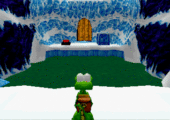
Preliminary demonstrations provided by the developer indicate that the core game loop, including the attract sequence, stage selection, and the Boba Fett lightsaber duel, has been successfully implemented. The footage released by ToastedGreedo shows performance metrics that closely mirror the original arcade experience, maintaining a consistent frame rate—a critical requirement for a high-speed shooter where player reaction time is paramount.
The Litmus Test: Vehicular Combat
The most significant hurdle remains the high-speed vehicular stages. Unlike the lightsaber duels, which are structured around scripted events and predictable enemy patterns, the Death Star trench run and the Endor speeder bike chase require intense background streaming and high-frequency collision detection.
Industry observers note that the Dreamcast’s 16MB of system RAM and 8MB of video RAM provide a narrow margin for error when attempting to replicate the expansive, high-speed environments of the Model 3. ToastedGreedo has announced plans to release a demo disc in the coming months. This release will function as a technical "litmus test," allowing the community to assess whether the Dreamcast can handle the processing load of these complex sequences without compromising the fluid gameplay that defined the arcade original.

Implications for the Homebrew Scene
The success of this project would represent a major milestone for the Dreamcast homebrew community, which has seen a resurgence in recent years. While the Dreamcast has long been a favorite for enthusiasts due to its ease of development and high-quality library, the ability to port sophisticated arcade games from the Model 3 era could open the door for a new wave of archival projects.
If ToastedGreedo succeeds, it will demonstrate that native porting is a viable alternative to software emulation for older, high-performance arcade hardware. This shift in approach could preserve arcade titles that are currently hindered by the heavy CPU requirements of modern emulators, providing a path for games to be played on original, period-appropriate hardware.
Institutional Challenges and Legal Context
It is important to acknowledge the legal and intellectual property landscape surrounding such projects. Star Wars remains one of the most protected properties in the world, under the stewardship of Disney and Lucasfilm. Historically, fan-made projects involving major IPs occupy a precarious space.
While homebrew developers often operate under the assumption of "non-commercial preservation," copyright holders have the legal prerogative to issue cease-and-desist orders. To date, there has been no public comment from Lucasfilm regarding the project. However, the nature of the development—as a passion-led, non-profit endeavor—often shields such projects from the level of scrutiny applied to commercial piracy or unauthorized retail releases. The project’s reliance on original arcade assets also raises questions regarding the distribution of the final software, as developers must balance the desire for public release with the reality of corporate intellectual property enforcement.
Broader Impact on Preservation
The effort to bring Star Wars Trilogy Arcade to the Dreamcast serves as a case study in the broader movement of "software archaeology." As original arcade cabinets age and the underlying electronic components—specifically custom ASICs—become increasingly difficult to source or replace, the loss of these titles becomes a genuine risk.
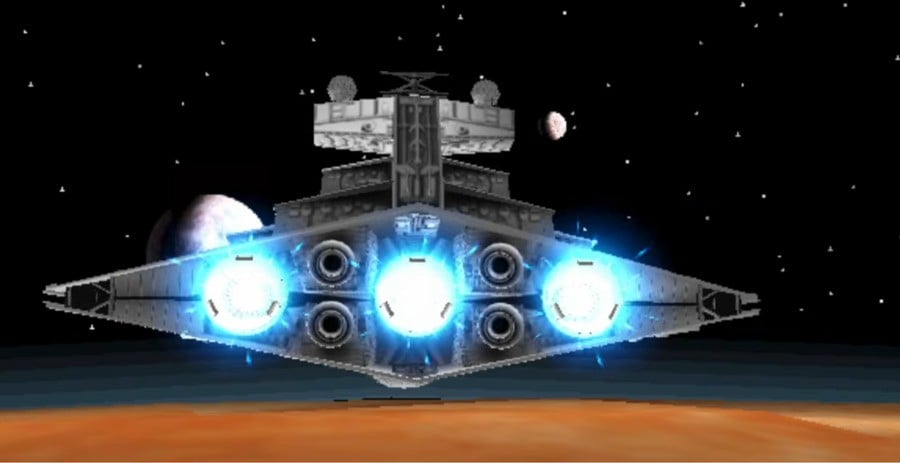
By migrating the game’s code to a platform with a robust, documented development environment like the Dreamcast, developers like ToastedGreedo are effectively "future-proofing" the experience. Even if the project does not achieve 1:1 parity with every graphical effect of the Model 3, the preservation of the gameplay logic, audio assets, and player experience ensures that the title remains accessible to future generations.
The Path Forward
The upcoming demo release will likely dictate the future trajectory of the project. If the vehicular stages prove stable, the developer will shift focus toward the remaining game levels, including the climactic battle against Darth Vader.
For the gaming community, the endeavor is more than just a nostalgic exercise; it is an assertion of the community’s capability to perform complex software engineering. Whether or not the project reaches a final, fully playable state, it has already succeeded in drawing renewed attention to a seminal title that helped define the arcade experience at the turn of the millennium. As the release date for the demo approaches, the community remains in a state of high anticipation, waiting to see if this "Great White Whale" of the emulation world can finally be brought to shore.