Cecilia Chamidah Nur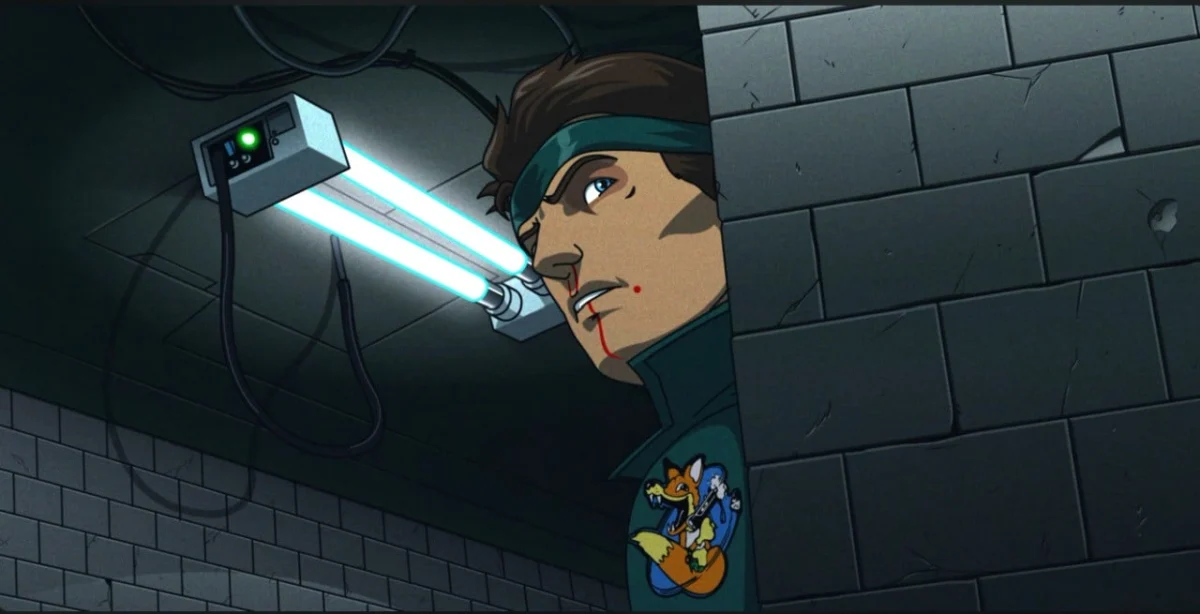
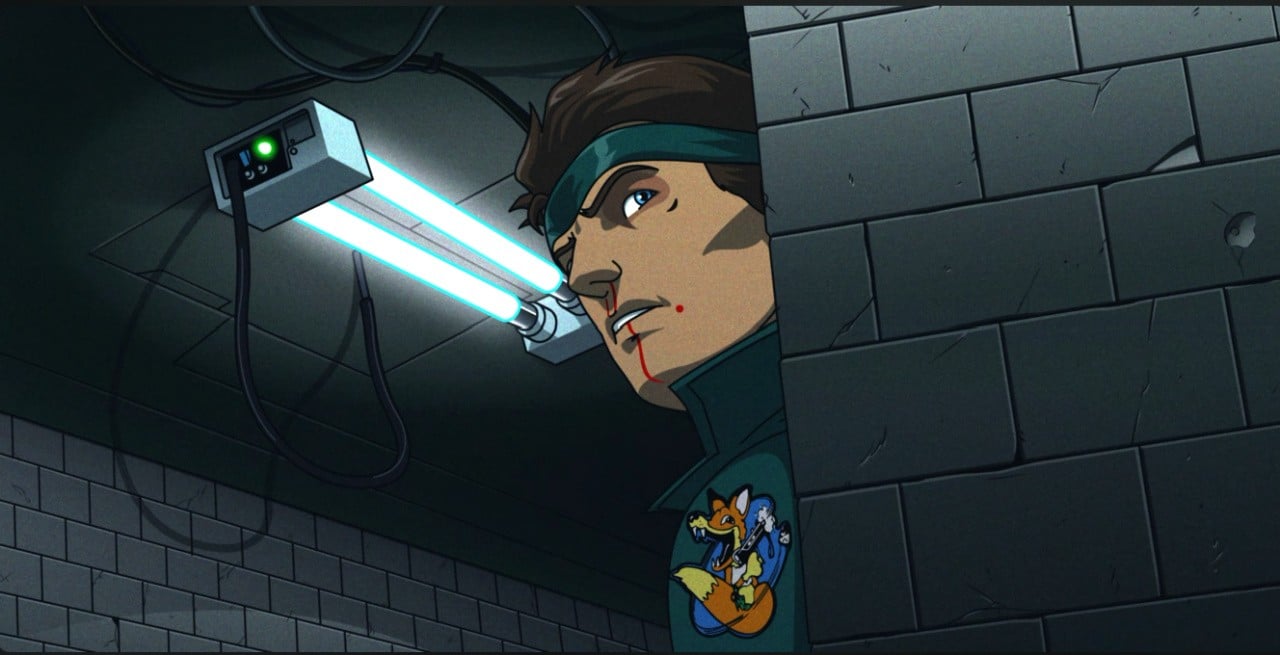
It has been two years since the animation community was captivated by Mitchell Hammond’s ambitious project, "Metal Gear Warhead Activate," a testament to the power of independent, single-creator animation within the gaming sphere. Now, Hammond has returned with a new installment titled "Metal Gear Snake Returns," which shifts the focus back to the foundational roots of Hideo Kojima’s legendary stealth franchise. The new short film offers a frame-by-frame, stylistic reimagining of a pivotal sequence from the 1987 MSX2 classic, Metal Gear, marking a significant intersection between retro gaming history and contemporary digital artistry.
The Historical Significance of the MSX2 Metal Gear
To understand the gravity of Hammond’s latest work, one must look back at the origins of the franchise. Released in 1987 for the MSX2 home computer, the original Metal Gear was a watershed moment in video game design. Developed by Hideo Kojima at Konami, it essentially invented the stealth-action genre by incentivizing players to avoid combat rather than seek it out.
The sequence Hammond chose to animate—Solid Snake’s escape from an enemy prison cell and his subsequent confrontation with the boss known as "Shotmaker"—is quintessential to the game’s narrative structure. In the original 1987 release, the player finds themselves unarmed and vulnerable, forced to navigate the facility to reclaim their equipment. The encounter with the Shotmaker serves as the first major test of the player’s ability to manipulate the game’s rigid, top-down grid-based environment. By choosing to render this specific moment in high-fidelity animation, Hammond is not merely creating fan art; they are paying homage to the mechanical tension that defined the birth of tactical espionage action.
Chronology of the Hammond Project
The trajectory of Mitchell Hammond’s Metal Gear animation series has been one of gradual, deliberate evolution.
- 2024 (April): Hammond released "Metal Gear Warhead Activate," which garnered significant attention for its high-octane depiction of modern Solid Snake action sequences.
- 2024–2025: A period of relative silence from the creator, fueling speculation within the fan community regarding the potential abandonment of the project.
- 2026 (September): The surprise release of "Metal Gear Snake Returns," signaling a return to the series’ roots.
This two-year hiatus is emblematic of the challenges inherent in independent animation. Unlike large-scale studio productions that rely on render farms and massive teams, Hammond operates as a solo creator. This labor-intensive process requires meticulous attention to every frame, explaining the sporadic release schedule. The transition from the more "modern" aesthetic of the 2024 short to the 1987-inspired sequence demonstrates a cyclical approach to the source material, suggesting that Hammond is interested in covering the entire breadth of the franchise’s history rather than moving in a linear, chronological path.
Technical Craftsmanship and the "No AI" Standpoint
A notable element of "Metal Gear Snake Returns" is the explicit disclaimer provided by the creator: "No AI. Only Human." In an era where generative artificial intelligence has become a flashpoint for debate regarding copyright, creative integrity, and the future of the animation industry, this declaration serves as a deliberate professional statement.
Hammond’s work stands as a rebuttal to the perception that high-quality, stylized animation requires algorithmic assistance. The "comic-book texture" cited in the production notes is achieved through a mixture of traditional and digital techniques that prioritize texture depth and lighting contrast.

Specifically, the short film excels in its attention to the minutiae of the Metal Gear universe:
- Weaponry Mechanics: The animation of the shotgun cartridge ejection is rendered with mechanical accuracy, a nod to the game’s emphasis on hardware.
- Iconography: The inclusion of the FOXHOUND patch—the fictional special forces unit to which Solid Snake belongs—serves as a grounding element that bridges the 1987 pixels with modern visual design.
- Meta-References: The brief appearance of the boxed MSX2 console serves as an "Easter egg" for long-time enthusiasts, acknowledging the hardware that made the original game possible.
Industry Implications and Independent Animation
The success and visibility of Hammond’s work highlight a shifting trend in how legacy video game intellectual properties (IP) are treated by their fanbases. Historically, game publishers maintained rigid control over their assets. However, as the digital creator economy has matured, the line between official marketing and high-quality fan productions has blurred.
While Konami, the rights-holder of the Metal Gear franchise, has not issued a formal statement regarding Hammond’s specific work, the broader gaming industry has increasingly begun to acknowledge the value of community-led creative projects. The existence of a Patreon account for Hammond’s studio suggests a sustainable, if modest, model for independent creators. By relying on direct fan funding, creators can avoid the pitfalls of corporate censorship while maintaining the high production values typically associated with larger studios.
The Broader Impact on Stealth Gaming
Why does a short animation about an encounter with a 1987 boss still resonate in 2026? The answer lies in the permanence of the stealth genre’s core loop. The psychological tension of being caught, the reliance on limited resources, and the requirement for spatial awareness are elements that remain as relevant today as they were in the 8-bit era.
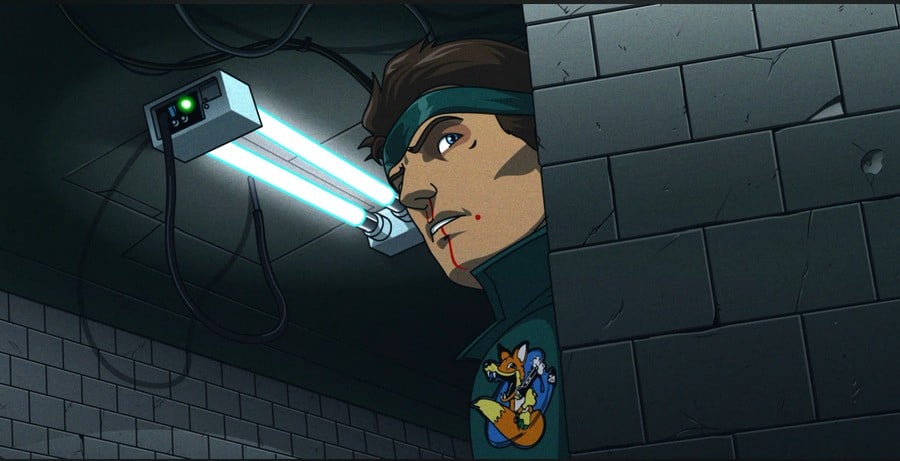
Hammond’s animation succeeds because it strips away the bloat that often accompanies modern blockbuster gaming, returning to the essence of the "Shotmaker" fight: one man, a limited arsenal, and a hostile environment. By isolating these core components, the animation serves as a visual essay on why Metal Gear remains a cornerstone of interactive media.
Looking Toward the Future
The question remains: where does the series go from here? Hammond has not committed to a long-term roadmap or a final release date for future chapters. This "timed-rollout" strategy—or lack thereof—is perhaps the most honest way to handle such a project. It allows for creative growth without the pressure of a corporate deadline, ensuring that the final output maintains the high standard set by the first two entries.
For the animation industry, Hammond’s work is a case study in brand management and creative discipline. By focusing on the smaller, often overlooked details—such as the specific way Solid Snake interacts with his environment—the creator builds a sense of authenticity that is difficult to replicate through automated means.
As the gaming industry continues to grapple with the integration of AI-assisted tools, the popularity of human-centric projects like "Metal Gear Snake Returns" may signal a growing appetite for artisanal, labor-intensive digital art. It reaffirms the notion that in the world of high-stakes, big-budget gaming, the most impactful work often comes from the individuals who have the deepest, most nuanced understanding of the source material. For now, fans of the series must wait to see if Hammond will tackle the more complex boss battles of the later franchise entries, or if this latest short marks a temporary conclusion to their tribute to the MSX2 era. Regardless of what comes next, "Metal Gear Snake Returns" stands as a definitive example of what one artist can achieve with enough patience, reverence for history, and an uncompromising commitment to their craft.