Farhan hamdan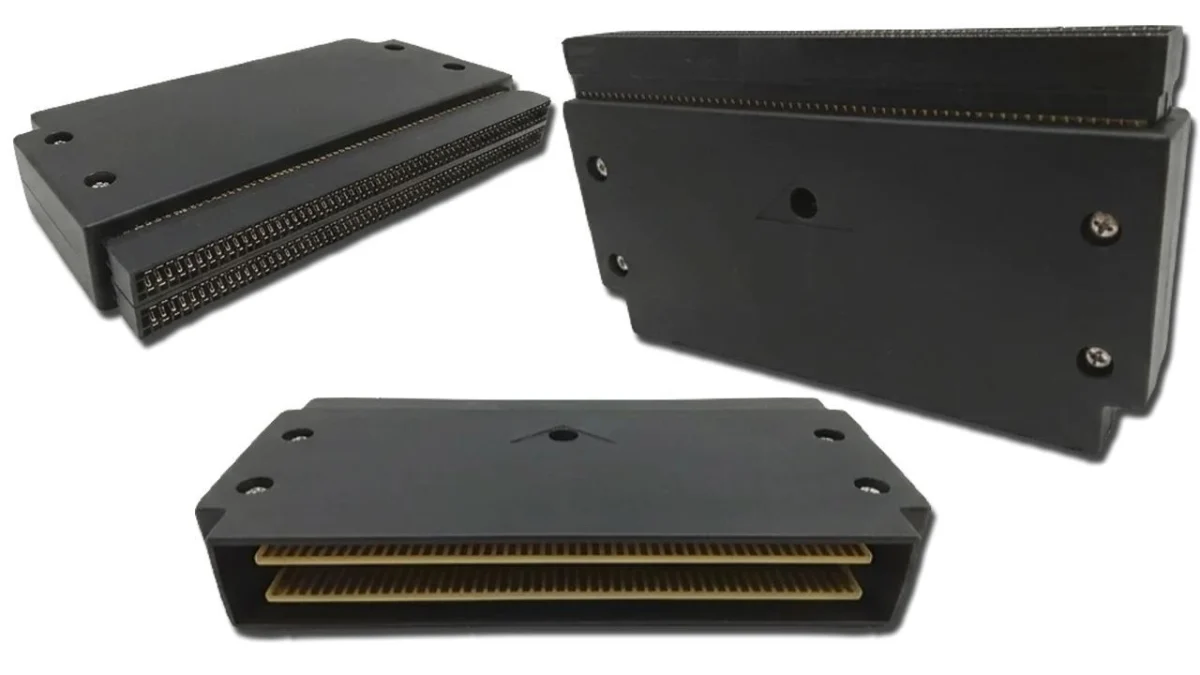
The retro gaming community has received a significant hardware boost as specialty retailer Stone Age Gamer announces a fresh inventory of the open-source Fusion adapter, designed by prominent developer Furrtek. This hardware modification peripheral allows standard Neo Geo Multi Video System (MVS) arcade cartridges to be played directly on Neo Geo Advanced Entertainment System (AES) home consoles. Given the substantial historical price disparity between identical software titles released for the arcade MVS format and the collector-driven home AES format, the availability of this adapter represents a major economic and practical development for retro gaming enthusiasts.
Priced at $110 and shipping immediately from domestic US stockists alongside Furrtek’s direct European storefront, the Fusion adapter addresses a long-standing logistical challenge for console collectors. While the internal hardware architecture of the arcade MVS and home AES systems is fundamentally identical—meaning the gameplay experience, graphics, and audio are completely indistinguishable—the collector market has historically valued home cartridges significantly higher. By bridging the physical and pinout divide between the two formats, the Fusion adapter opens up the vast, and generally more affordable, MVS library to home console users without requiring permanent hardware modifications to their original systems.
Background Context and Technological Evolution
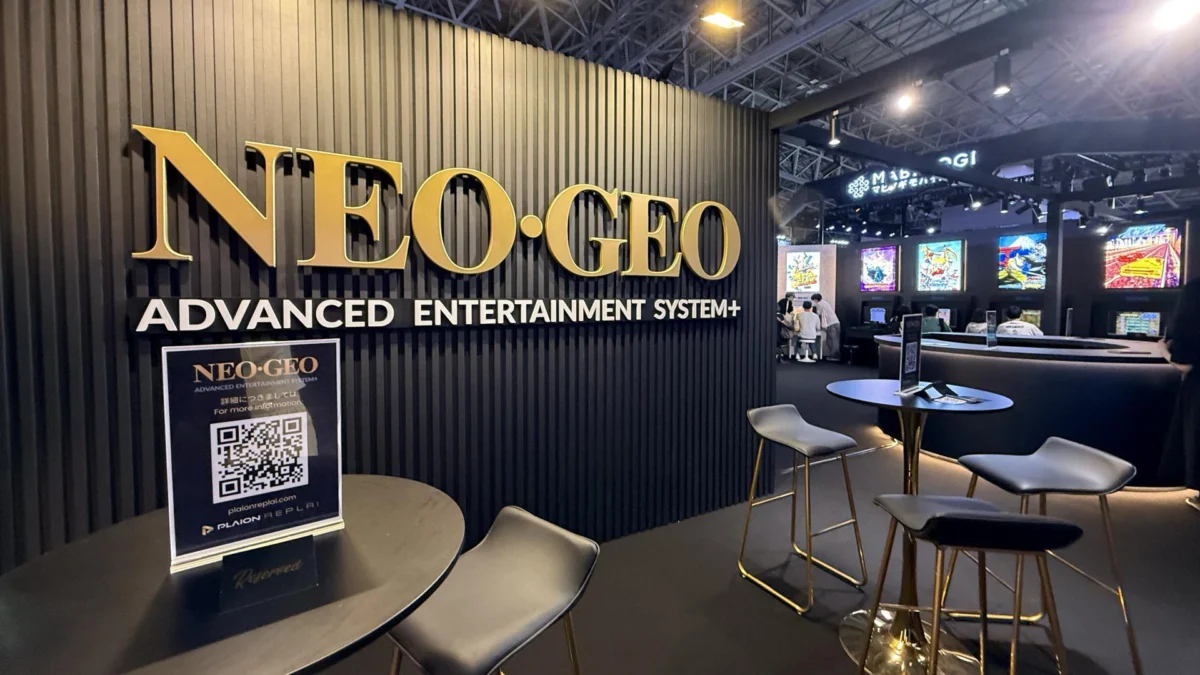
The Neo Geo hardware ecosystem, originally launched by SNK in 1990, remains a legendary pillar of arcade and home video game history. SNK famously utilized the same underlying hardware board for both its commercial arcade cabinets (the MVS) and its luxury home entertainment system (the AES). This business strategy allowed arcade operators and home users to enjoy arcade-perfect ports, as the home console was essentially an arcade machine housed in a sleek, consumer-friendly plastic shell.
However, SNK implemented distinct physical cartridge designs and pin configurations to prevent arcade operators from purchasing cheaper home cartridges and using them in commercial cabinets, or vice versa. The MVS cartridges are tall and utilize a standard edge connector format, whereas AES cartridges are wide, flat, and designed to slide horizontally into the top-loading home console. Over the decades, third-party converters have occasionally emerged to bridge this gap, but many suffered from build quality issues, compatibility glitches with modern multi-carts, or extremely limited production runs.
The Fusion adapter stands apart from its historical predecessors due to its open-source design ethos. Developed by Furrtek—a hardware engineer renowned in the retro community for complex reverse-engineering projects and custom silicon modifications—the Fusion is built with modern components and open-source documentation. This ensures transparency, longevity, and community-driven support, moving away from proprietary, black-box hardware solutions that often plagued the retro market in the past.
Compatibility and Hardware Ecosystem Integration
Technical compatibility is a critical consideration for retro gaming hardware, and the Fusion adapter has been rigorously tested against a wide variety of official and flash-based storage solutions. According to technical documentation and retailer specifications, the adapter is fully compatible with all original, mass-produced Neo Geo MVS game cartridges. This grants AES owners immediate access to hundreds of classic fighting games, beat-’em-ups, and shooters, including titles from the King of Fighters, Metal Slug, and Samurai Shodown franchises, often at a fraction of the cost of their AES counterparts.
Furthermore, the Fusion adapter demonstrates extensive compatibility with modern flash cartridges and ROM emulation devices, which have become essential tools for modern retro preservation. The hardware is confirmed to work seamlessly with the BackBit MVS ROM Cart, as well as Darksoft’s MVS ROM cart batches. However, consumers and developers have noted certain limitations regarding Neo SD ROM carts, indicating that while physical cartridges function universally, specific FPGA-based loading mechanisms may require future firmware adjustments or present isolated operational anomalies.
Beyond legacy hardware support, early technical evaluations indicate that the Fusion adapter is fully forward-compatible with upcoming hardware releases, including the anticipated 2027 Neo Geo AES+ console revisions. This future-proofing makes the $110 investment appealing not only to long-term owners of original 1990s hardware but also to newer enthusiasts adopting modern iterations of the classic SNK platform.

Market Implications and Economic Impact
The release and stocking of the Fusion adapter arrive at a time when the pricing of original physical retro video games has reached unprecedented heights. Rare Neo Geo AES cartridges frequently command thousands of dollars among collectors and investors, pricing casual players and enthusiasts out of the physical software market. Conversely, original MVS arcade cartridges, while still commanding respectable prices due to their collector appeal, are typically much more accessible and economical.
By lowering the barrier to entry for playing physical software on home consoles, the Fusion adapter alters the purchasing dynamics of the secondary market. Collectors who own an AES console no longer need to restrict their purchasing habits to the prohibitively expensive home cart ecosystem. Instead, they can curate physical MVS libraries that take up less physical storage space on a shelf while delivering the identical software experience.
Industry analysts and community leaders have observed that hardware modifications of this nature help sustain active engagement with vintage platforms. When hardware becomes too expensive or fragile to use regularly, player communities tend to migrate toward software emulation. Devices like the Fusion adapter help preserve the tangible, physical aspect of retro gaming by keeping original cartridge-based hardware viable in modern home entertainment setups.
Supply Chain Challenges and Retail Availability
Due to the niche nature of advanced retro gaming hardware, manufacturing runs for devices like the Fusion adapter are typically constrained by the availability of specialized electronic components, printed circuit boards (PCBs), and precision-molded plastic shells. Stone Age Gamer has noted that initial stock levels are limited, and historical precedent suggests that specialized converters of this caliber sell out rapidly upon restocking.
The distribution model relies on a dual-hemisphere approach, with Stone Age Gamer servicing North American and international markets, while Furrtek’s direct storefront handles European distribution. This logistical setup helps mitigate international shipping delays and high customs fees for end-users, ensuring that the hardware reaches consumers efficiently. However, prospective buyers are consistently advised to act quickly during restock phases, as subsequent manufacturing batches depend entirely on component procurement timelines.
Future Outlook for Neo Geo Hardware Modification
As the retro gaming hobby matures into a sophisticated, engineering-driven market, projects like the Fusion adapter highlight the growing intersection between open-source hardware design and commercial specialty retail. Developers are no longer working in isolation; instead, collaborative platforms allow complex hardware mods to be prototyped, refined, and brought to market with professional-grade enclosures and quality control.
The successful commercial availability of the Fusion adapter through established entities like Stone Age Gamer sets a precedent for future hardware preservation projects. As original components age and mechanical failures become more common in 1990s electronics, the demand for modern, reliable, and open-source alternatives will only increase. For Neo Geo AES owners, the Fusion adapter provides an immediate, cost-effective solution to software scarcity, ensuring that the legendary library of SNK’s 16-bit powerhouse remains accessible to players for years to come.