Farhan hamdan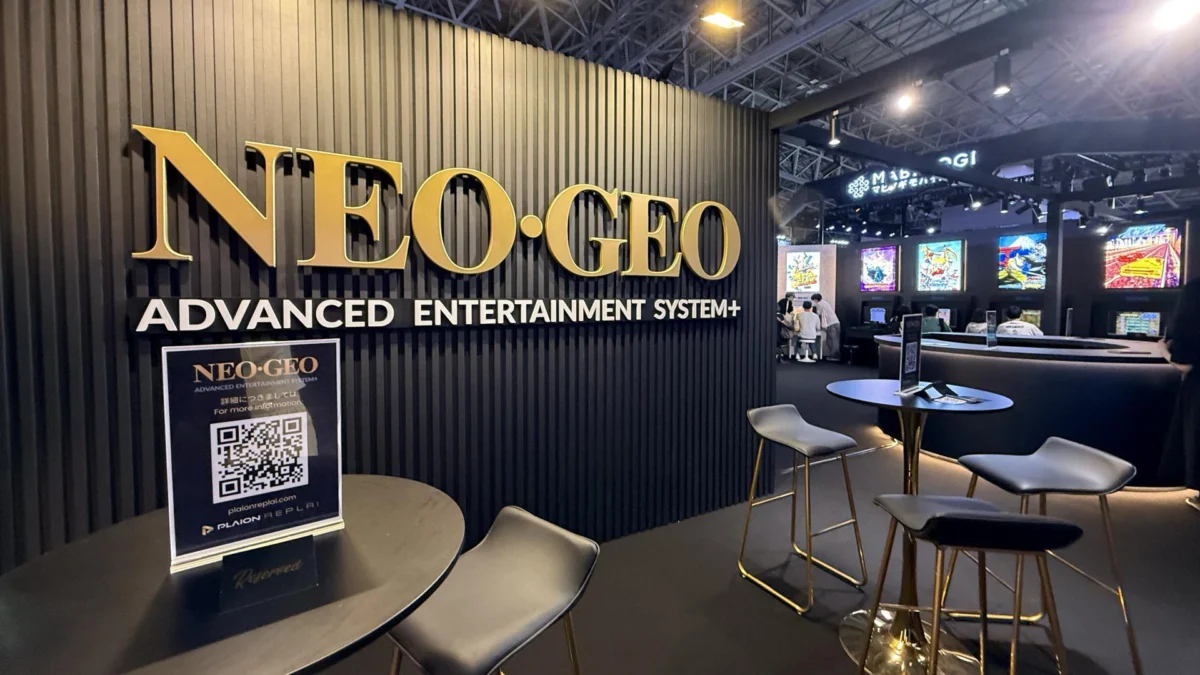
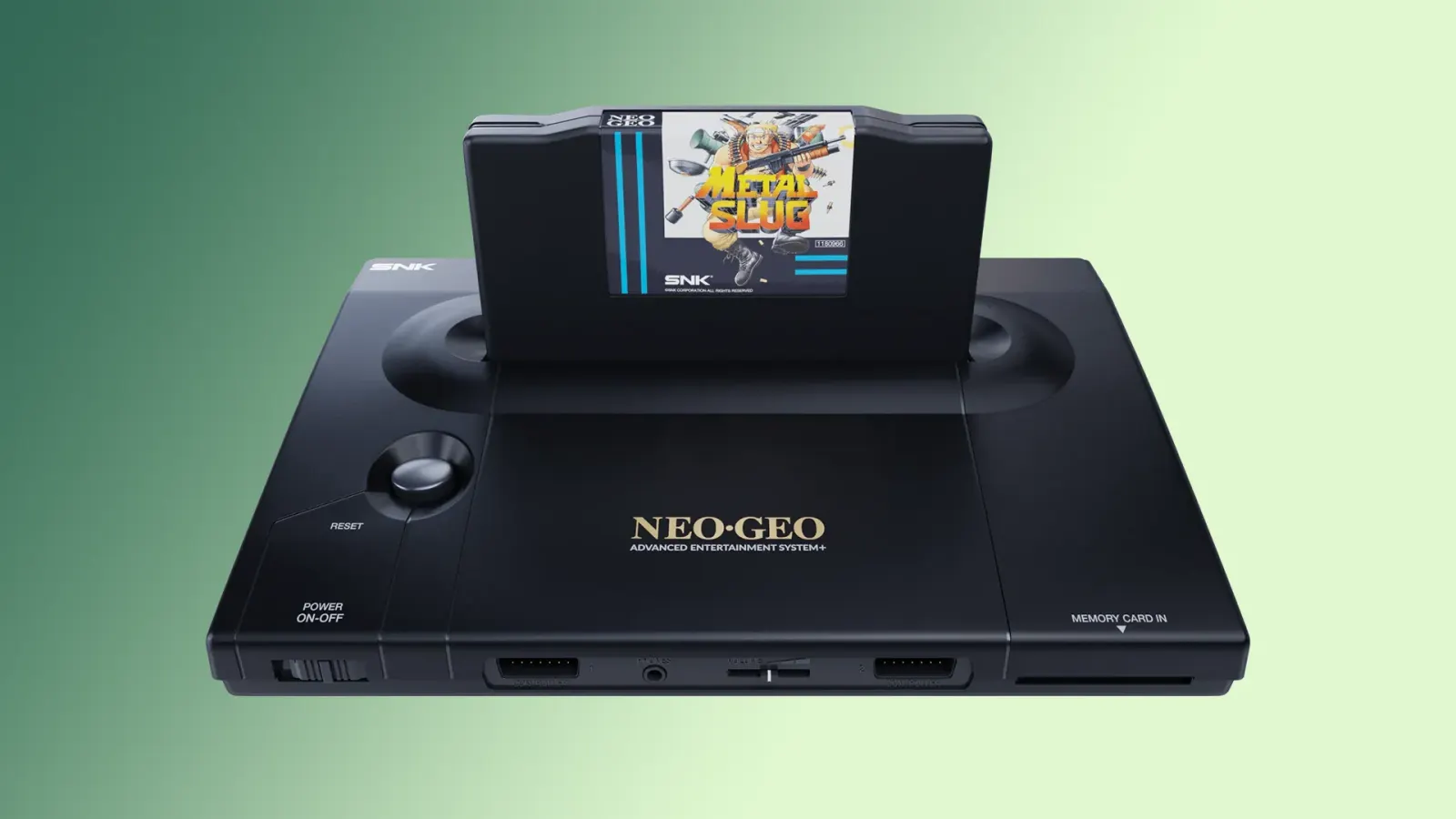
The video game industry gathered in the Japanese capital for the annual Tokyo Game Show, where publisher Plaion provided attendees with hands-on demonstrations of the Neo Geo AES+. For the first time since the hardware’s development cycle was announced, the public and members of the press were invited to run diagnostic tests, evaluate hardware performance, and examine the capabilities of the newly revised retro console system. While initial feedback regarding the console’s technical performance has been overwhelmingly positive, the hardware showcase occurs under the shadow of a contentious full-year delay to September 2027 and widespread criticism regarding corporate transparency.
Technical Overview and Hardware Specifications
Public demonstrations at the Tokyo Game Show revealed granular details regarding the Neo Geo AES+ architecture and user-facing features, illuminated by on-site testing from hardware enthusiasts and industry analysts. According to observations of the system’s physical DIP switches, the console features discrete display modes rather than simultaneous multi-output capability. Users must select between analog and HDMI output options.
The high-definition multimedia interface provides users with native 720p or 1080p resolution choices, accompanied by dedicated cropping configurations. Technical observers have noted that these cropping settings similarly influence the analog video signal. To accommodate modern televisions unequipped to handle the non-standard 59.6 Hz refresh rate characteristic of original Neo Geo hardware, Plaion has integrated an alternative 60 Hz display mode alongside support for the original timing frequency. Furthermore, the system includes native overclocking capabilities and a 16:9 aspect ratio toggle. While widescreen stretching options are traditionally discouraged in retro gaming circles, industry specialists note that this toggle is functionally necessary to achieve correct geometry on specific 4:3 1080p display cabinets, such as those utilized in Arcooda arcade setups.
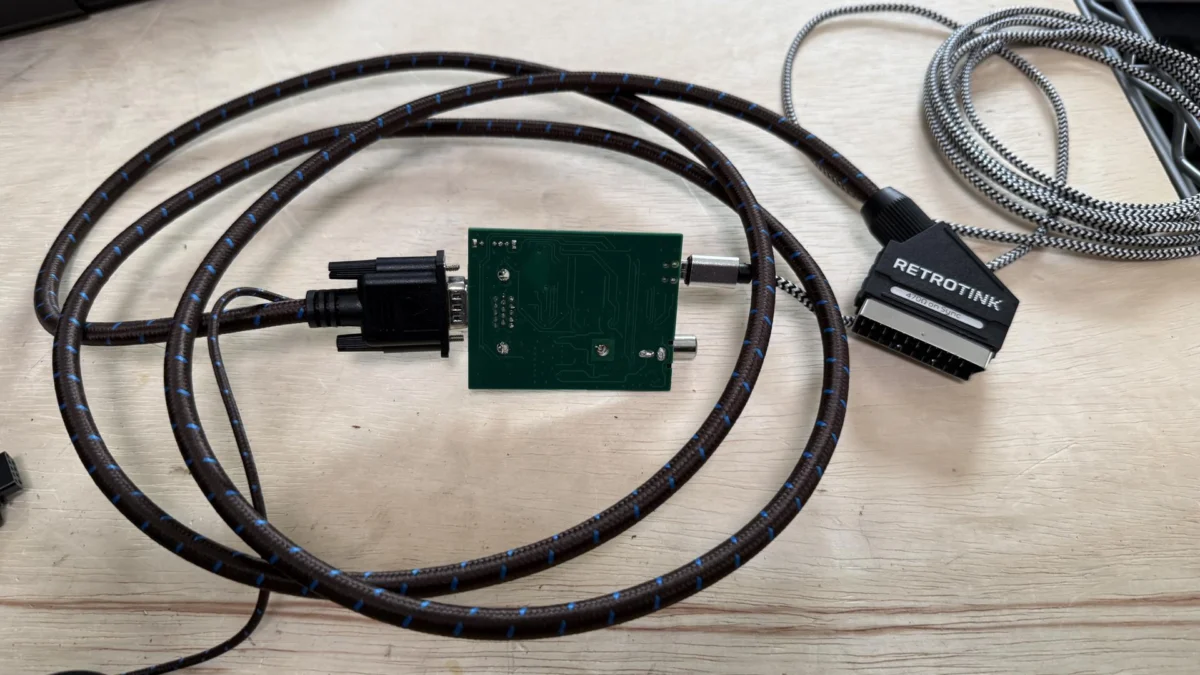
Analog video output is handled via a Genesis/Mega Drive 2-style MiniDIN port, replicating the pinout and signal output of the common Sega console. This design choice allows users to leverage existing RGB SCART and composite cables compatible with the Mega Drive 2 standard, though it excludes native S-Video support. Hardware testers verified compatibility using a Sony professional video monitor (PVM), confirming the integrity of the analog signal. However, technicians caution that poorly shielded third-party passthrough cables originating from discount marketplaces present a known risk of equipment damage, mirroring hardware vulnerabilities historically associated with Sega Genesis hardware revisions.
Compatibility testing further confirmed that the Neo Geo AES+ operates seamlessly with third-party peripherals, including Furrtek’s MVS-to-AES cartridge converter and the BackBit MVS ROM Cart. Additionally, bundled wireless controllers are slated to ship with dual adapter configurations, providing connectivity for both modern USB ports and legacy Neo Geo console ports. Alongside the hardware testing, Plaion displayed software lineups featuring newly announced titles slated for the platform.
The Genesis of the 2027 Delay and Supply Chain Pressures

The public debut of the functional hardware at the Tokyo Game Show follows months of consumer anxiety and speculation prompted by a significant schedule adjustment. Plaion officially postponed the release of the Neo Geo AES+ by a full year, moving the target launch window to September 2027.
Industry reporting indicates that the postponement was driven primarily by component shortages and pricing volatility surrounding specialized microchips required for cartridge manufacturing rather than flaws in the console motherboard itself. When the cost of necessary semiconductor components experienced exponential inflation, corporate leadership faced a critical manufacturing dilemma. Rather than passing inflated hardware costs directly onto consumers or releasing a product vulnerable to supply chain disruption, leadership authorized a comprehensive redesign of the cartridge architecture. This engineering pivot involved substituting legacy or inflated components with alternative chipsets designed to maintain performance benchmarks and retail price targets.
Despite the logical motivations behind the hardware adjustments, the extended silence from the publisher prior to the Tokyo Game Show drew intense scrutiny. Initial leaks regarding the timeline adjustment circulated via digital platforms weeks prior to formal confirmation, leaving consumers to interpret fragmented reports without corporate clarification. Rather than issuing direct video updates or utilizing accessible digital communication channels to address the rumors, the publisher opted to reserve live hardware demonstrations exclusively for the convention floor, inviting selected content creators and influencers to review the machinery on-site.
Consumer Sentiment and Public Relations Implications
The public relations strategy surrounding the delayed launch has generated significant friction within the retro gaming community. Observers and long-term patrons have contrasted Plaion’s approach with modern standards of corporate communication, noting that the widespread availability of digital video production tools eliminates traditional barriers to transparent consumer updates.
Critics argue that immediate, direct-to-consumer clarification when leaks initially surfaced could have mitigated confusion and preserved consumer trust. Instead, the prolonged information vacuum prompted widespread cancellations among individuals who had secured early pre-orders. Observers note that while the physical hardware ultimately appears capable of meeting technical expectations—exemplified by comprehensive unboxing previews of the $1,000 Ultimate Edition hardware tier—the execution of the product roll-out has damaged goodwill among dedicated brand loyalists.
The financial and operational gamble of relying on major convention appearances to quell consumer doubt remains to be evaluated. As the industry looks toward the newly established September 2027 release window, the core technical promise of the Neo Geo AES+ remains intact, even as stakeholders weigh the long-term cost of the publisher’s communication missteps.