 Edi Durjana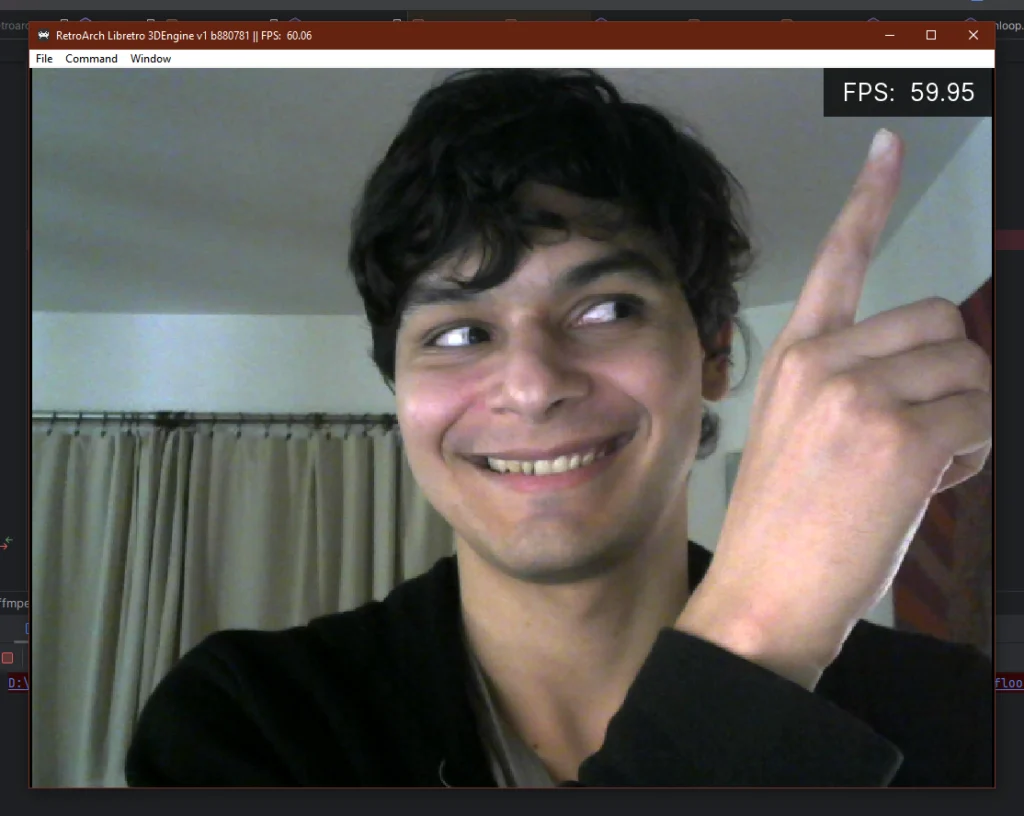
The open-source emulation ecosystem has taken a significant leap forward with the official release of RetroArch 1.20.0, a major software update that introduces advanced visual shaders, operating system-level hardware integrations, and core emulation improvements. As the flagship frontend for the Libretro API, RetroArch continues to serve as the unifying hub for running classic video games across a vast array of hardware platforms, ranging from high-end personal computers and modern handheld consoles to mobile devices and smart TVs. The latest version reinforces the development team’s long-standing commitment to user-centric software design, maintaining a strict adherence to an ad-free, paywall-free model that relies entirely on community goodwill and crowdfunding platforms such as Patreon and GitHub Sponsors.
At the forefront of the RetroArch 1.20.0 release is a revolutionary shader technology developed in collaboration with industry pioneers, alongside hardware-level integrations that bridge the gap between vintage gaming mechanics and modern peripheral capabilities. By expanding the platform’s underlying rendering capabilities, the Libretro development team has once again demonstrated its capacity to innovate within the retro gaming space, offering features that rival or exceed the accuracy of original hardware implementations.
Revolutionary CRT Beam Simulation Shaders
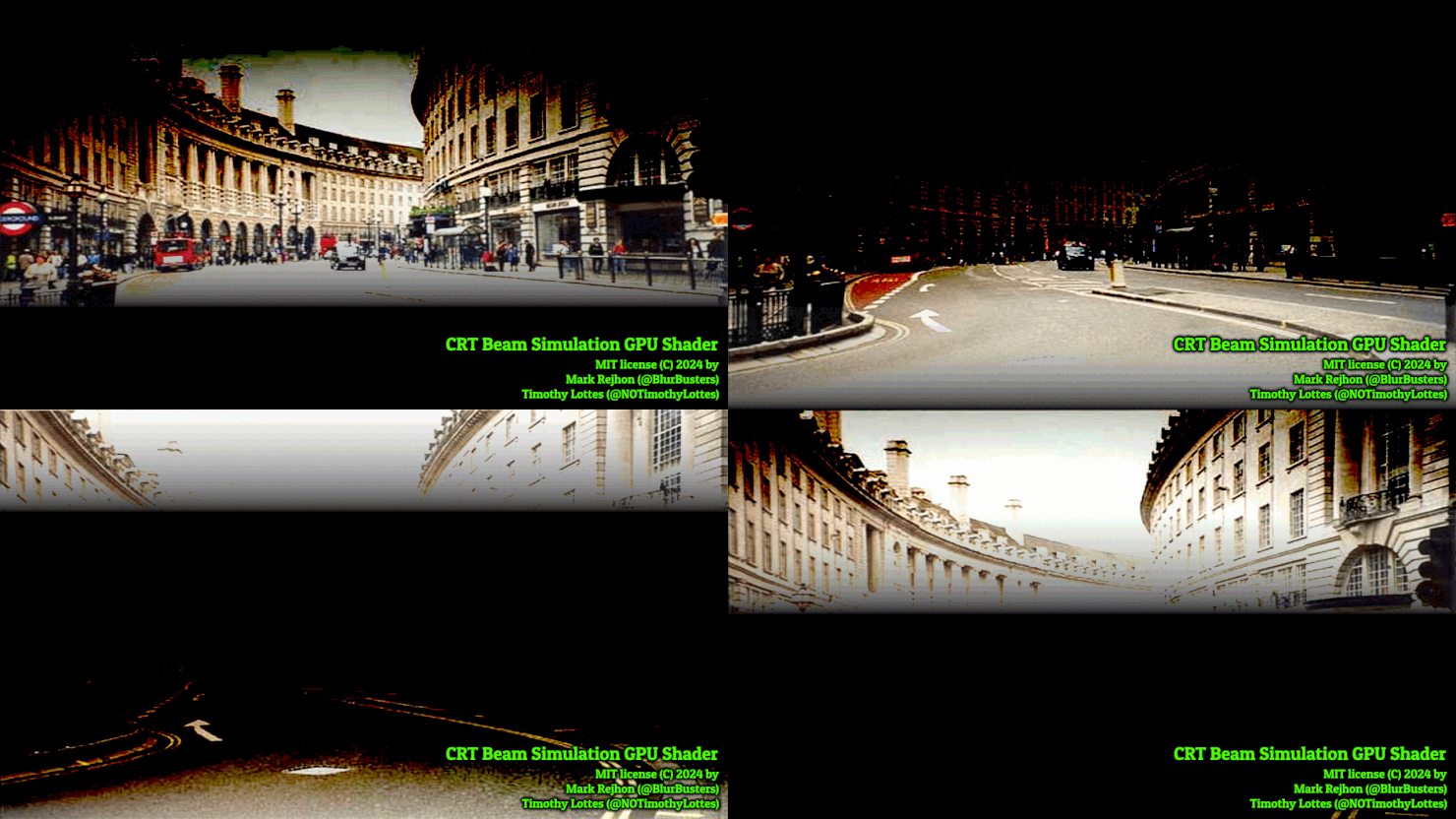
One of the most technically ambitious additions to RetroArch 1.20.0 is the inclusion of a cutting-edge CRT beam simulation shader. Developed jointly by Mark Rejhon of BlurBusters—a leading authority on display motion clarity—and Timothy Lottes, renowned creator of the original FXAA shader and the popular crt-lottes shader collection, this new visual tool addresses one of the most enduring challenges in retro game preservation: replicating the motion clarity and visual characteristics of cathode-ray tube displays on modern sample-and-hold liquid crystal display and organic light-emitting diode panels.
Historically, emulators attempting to simulate CRT behavior relied heavily on techniques such as black-frame insertion to reduce motion blur. However, traditional BFI implementations frequently introduced undesirable side effects, including a noticeable reduction in peak display brightness, washed-out or dulled color reproduction, and an increased risk of temporary image persistence—a transient form of ghosting common on various LCD panel configurations. The new BlurBusters CRT beam simulation shader leverages RetroArch’s newly implemented subframe shader architecture to bypass these limitations entirely. By calculating visual updates at a subframe level, the shader achieves unprecedented motion sharpness while preserving vibrant color output and avoiding the harsh brightness penalties previously associated with motion-clarity enhancements. This development marks a milestone for display technology enthusiasts, bridging the gap between vintage phosphor persistence and modern high-refresh-rate monitor capabilities.
Linux Illuminance Sensor Integration and Real-World Gameplay
In addition to visual enhancements, RetroArch 1.20.0 expands its hardware interfacing capabilities through the introduction of native illuminance sensor support for Linux-based operating systems. Spearheaded by developer Jesse Talavera, this feature opens up new avenues for gameplay mechanics that depend on environmental lighting conditions.
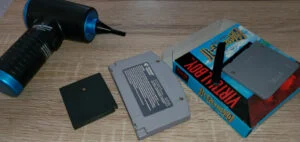
The most prominent beneficiary of this new integration is the Boktai franchise, a critically acclaimed series of action-adventure games originally released for the Game Boy Advance. Developed by Konami under the guidance of Hideo Kojima, the Boktai series famously featured a physical photovoltaic sensor built directly into the game cartridge, requiring players to step out into real-world sunlight to recharge their in-game solar weapons and defeat enemies. For decades, emulation enthusiasts relied on manual slider adjustments or software hacks to simulate sunlight levels within the game. With the integration of Linux illuminance sensor support, players utilizing compatible hardware—such as a Steam Deck or modern laptops equipped with ambient light sensors—can now play titles like Boktai and its spiritual successor, Lunar Knights, using genuine environmental light fluctuations. Demonstration footage released alongside the update showcases seamless transitions in game lighting as ambient light levels shift dynamically, proving the viability of environmental sensor emulation on portable PC gaming hardware. Furthermore, developers have confirmed that upcoming updates to the melonDS Nintendo DS emulator core will incorporate solar sensor support, alongside plans to roll out expanded camera support for additional platforms in subsequent post-1.20.0 patches.
Chronology of Development and Core Philosophy
The release of version 1.20.0 is the culmination of months of rigorous testing, community feedback, and iterative code integration managed by the global Libretro contributor network. RetroArch has evolved significantly since its inception, transitioning from a conceptual multi-emulator interface into a comprehensive software framework capable of handling complex multimedia tasks beyond traditional video game emulation.
Throughout its development lifecycle, the Libretro team has adhered strictly to a non-commercialized distribution model. In an era where digital software is increasingly burdened by intrusive monetization frameworks, telemetry tracking, software development kits featuring third-party advertisements, and subscription-walled features, RetroArch remains entirely free and open-source software licensed under the GNU General Public License. Project maintainers have consistently emphasized that the platform exists exclusively for the benefit of its user base. Financial sustainability is achieved transparently through community-driven crowdfunding initiatives, including official Patreon and GitHub Sponsors pages, alongside community merchandise storefronts hosted on Teespring. This financial model ensures that core updates like version 1.20.0 remain accessible to all users without financial barriers, reinforcing trust within the digital preservation community.
Broader Impact, Preservation Implications, and Future Outlook
The release of RetroArch 1.20.0 carries profound implications for the broader fields of digital preservation, video game history, and display technology research. As authentic vintage hardware continues to age, degrade, and become increasingly scarce on the secondary market, software-based emulation serves as the primary mechanism for ensuring that generations of interactive media remain accessible to researchers, historians, and enthusiasts.
By pushing the boundaries of what software emulators can achieve on modern hardware, innovations such as the BlurBusters subframe CRT shader demonstrate that software-based preservation can surpass the limitations of original hardware in specific contexts. While physical hardware preservation remains crucial, software emulators enhanced with accurate latency reduction, high-refresh-rate subframe rendering, and environmental sensor integration offer an adaptable, scalable medium for studying how classic video games were originally experienced by players.
Furthermore, the integration of ambient light sensor support highlights a growing trend within the emulation community: the utilization of modern device peripherals to replicate proprietary hardware features. As handheld PC gaming devices like the Steam Deck, ASUS ROG Ally, and Lenovo Legion Go become increasingly ubiquitous, software frontends must adapt to leverage the unique physical sensors embedded within these modern form factors. RetroArch’s proactive adoption of Linux illuminance sensor support establishes a technical framework that other emulation projects may follow, ensuring that peripheral-dependent titles are not permanently lost to technological obsolescence.
As the Libretro team looks beyond the 1.20.0 release, development efforts are already underway to expand camera support across additional operating systems and refine existing core architectures for improved performance and accuracy. With an active community of contributors, a steadfast dedication to open-source principles, and a continuous stream of technical innovations, RetroArch solidifies its position as an indispensable tool in the ongoing mission to preserve, study, and celebrate the rich history of interactive entertainment.