Edi Durjana
The PlayStation 2 remains the best-selling video game console of all time, having shifted over 155 million units worldwide during its historic lifecycle. Yet, beneath its sleek black chassis lay an engineering philosophy rooted entirely in the analog era of Cathode Ray Tube (CRT) televisions. Designed from the ground up for analog video output rather than digital pixel grids, the system’s architecture prioritized scanlines and precise hardware timing over fixed resolutions. While an official PS2 Linux toolkit allowed for a VGA monitor attachment via specific VESA display modes, this functionality remained an afterthought, utilized by virtually no commercial releases. Understanding the technical realities of the PlayStation 2 requires examining how hardware limitations, regional broadcasting standards, and display technologies forced developers to innovate under severe constraints.
Anatomy of the Graphics Synthesizer and the 60FPS Mandate
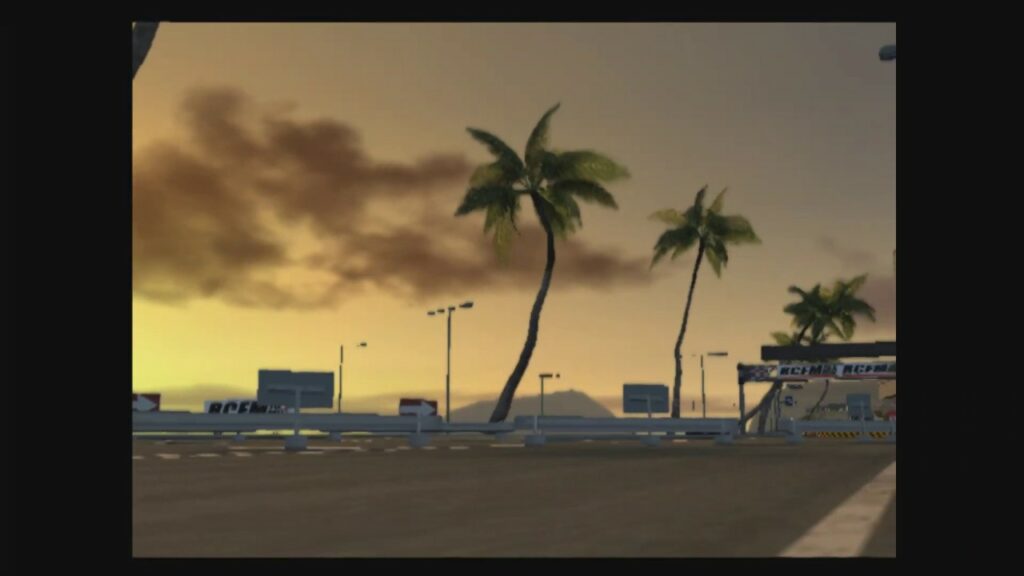
At the heart of the console’s graphical prowess was the Graphics Synthesizer (GS), a Graphics Processing Unit paired with a mere 4MB of embedded Video RAM (eDRAM). Sony famously instructed developers to view this minuscule memory pool not as traditional VRAM, but as a digital scratchpad. Rendering a standard 640×480 framebuffer—let alone higher resolutions—was mathematically impossible within this 4MB ceiling for most complex scenes. However, what the GS lacked in storage capacity, it made up for with staggering memory bandwidth. Expensive modern GPU operations like alpha blending, multipass rendering, and rapid framebuffer copies were executed almost effortlessly. Games like Driv3r pushed the GS to architectural limits that would have crippled contemporary PC graphic cards.
Furthermore, the inclusion of two vector coprocessors, Vector Unit 0 (VU0) and Vector Unit 1 (VU1), yielded a fully programmable geometry pipeline. This delivered advanced hardware capabilities akin to mesh shaders introduced nearly two decades later in NVIDIA’s GeForce RTX 20-series architecture.
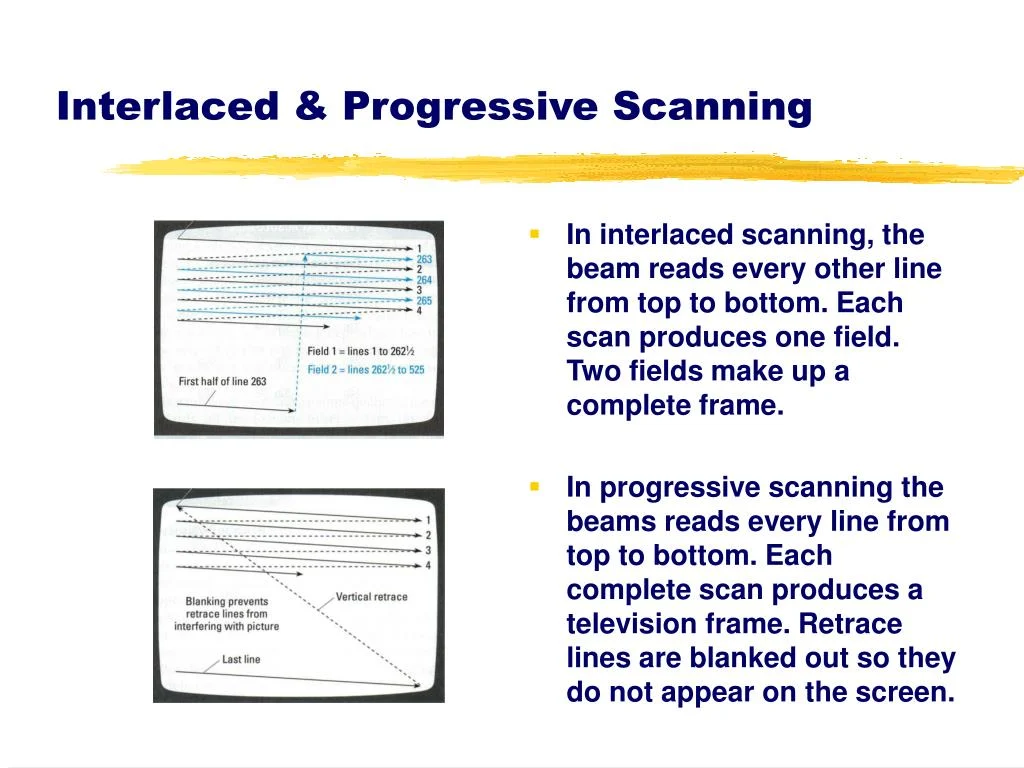
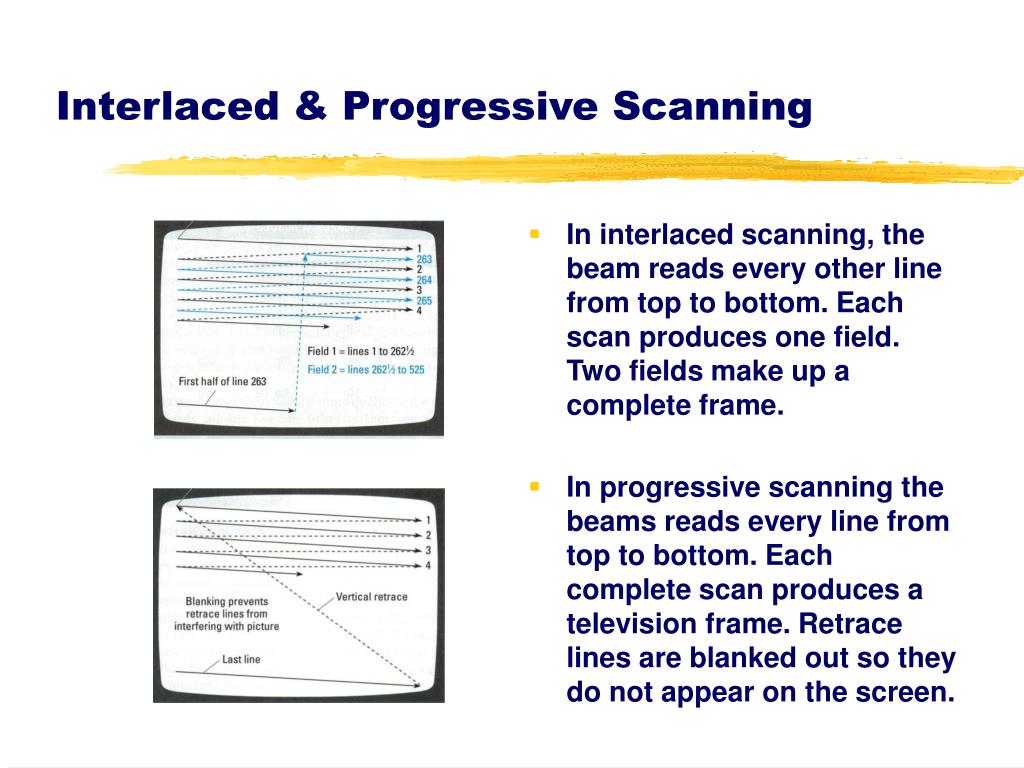
To prevent catastrophic image degradation, developers were heavily incentivized to lock their titles at a rigid 60Hz/60fps for NTSC territories or 50Hz/50fps for PAL regions. Early Software Development Kits (SDKs) initially supported interlaced scanline modes exclusively, demanding 60Hz to achieve a 640×448 image. As software libraries matured, developers could choose between full-frame rendering modes and field-rendered modes.
Field rendering offered a vital memory-saving compromise. By interlacing frames, memory requirements were halved by outputting images at 640×240 or even 512×224. This drastically reduced render times, making high framerates achievable within the 4MB eDRAM constraint. However, this method introduced a ruthless penalty: if a game dropped a frame and forced the hardware to display the previous frame twice, a jarring vertical image shift of a single scanline occurred. Consequently, titles such as SSX 3 chose to internally throttle and skip frames during performance spikes rather than risk breaking the rigid 60fps pacing target.
Conversely, full-frame rendering yielded higher-quality static images (640×448 or 512×448) at the cost of increased render times. While maintaining a consistent 60fps proved more difficult, the system was significantly more forgiving of dropped frames; the display simply repeated the second field of the previous frame without the violent vertical shaking associated with field-rendered errors. This reliance on CRT hardware blending half-frames into cohesive images explains why the PS2 library features a disproportionately high volume of 60fps launch titles compared to subsequent generations.
The Print Media Perception Crisis
During the console’s launch window in 2000, print journalism outlets heavily criticized PlayStation 2 software for severe jaggies and a distinct lack of anti-aliasing, unfavorably comparing its output to Sega’s Dreamcast. This criticism was largely an artifact of the media capture technology of the era. Gaming magazines relied on single-frame capture devices for print screenshots. Because many PS2 games utilized interlaced field rendering, capturing a single frame yielded only the odd or even scanlines, producing artificially degraded print imagery that failed to reflect the smooth motion observed on physical CRT displays.
The Evolution of Widescreen Support and Aspect Ratio Complications
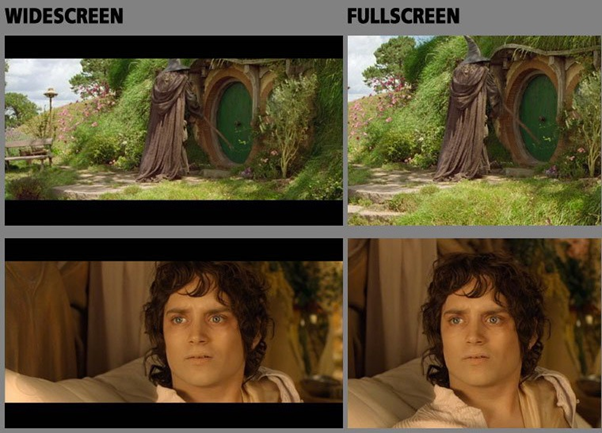
As home entertainment shifted away from traditional 4:3 displays toward 16:9 widescreen CRT televisions—accelerated by the PlayStation 2’s built-in DVD playback capabilities—developers faced new hurdles. Widescreen support generally manifested in three distinct configurations: Hor+ (expanding the horizontal field of view), Vert- (cropping the top and bottom of a 4:3 image and zooming in), or a hybrid approach.
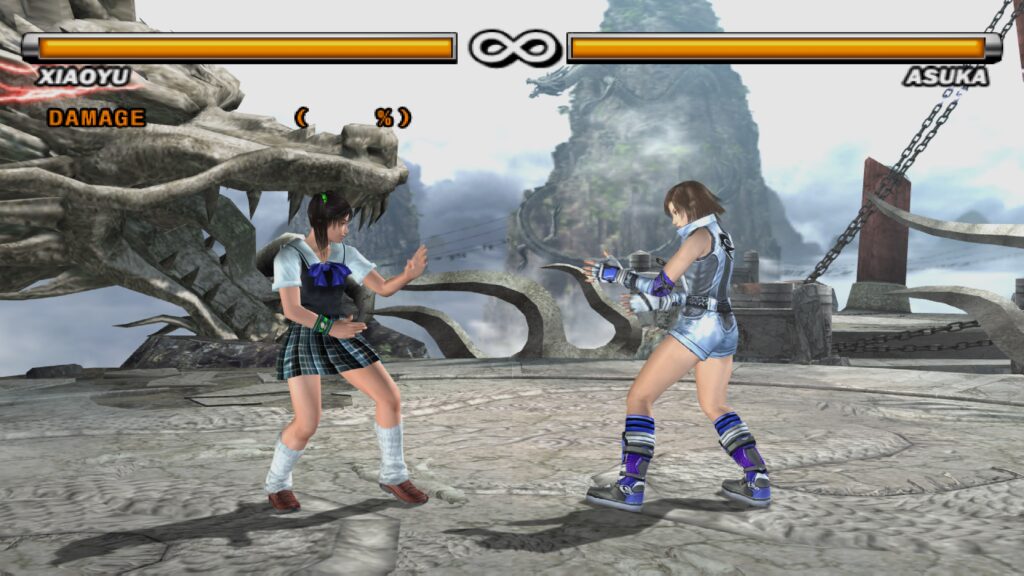
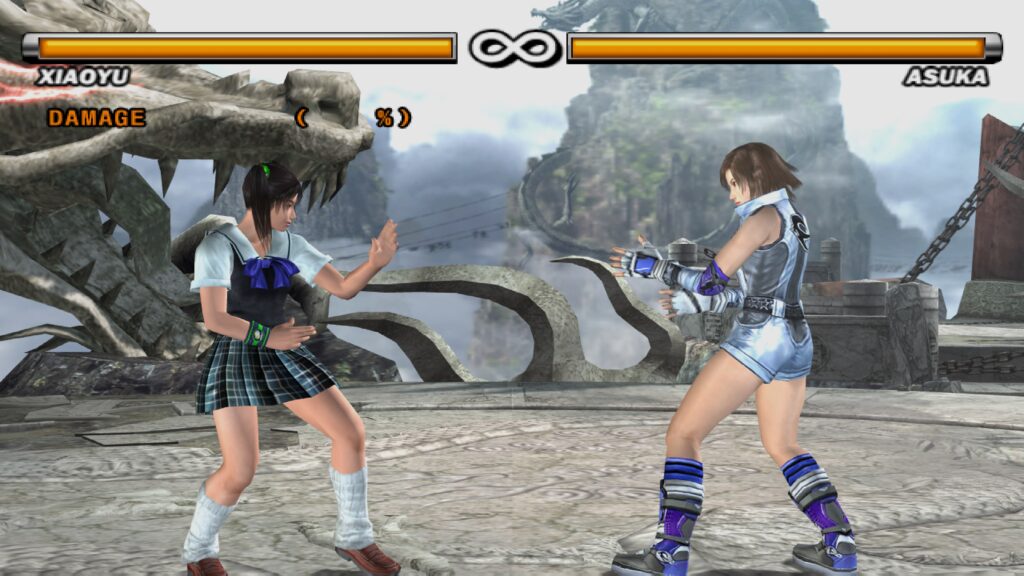
The vast majority of PlayStation 2 developers opted for the Vert- approach. Titles such as Tekken 5, alongside major platforming franchises like Ratchet & Clank and Jak and Daxter, utilized quasi-widescreen modes. These modes cropped unimportant vertical real estate while zooming in on the center to fill a 16:9 frame. This methodology conserved the precious 4MB eDRAM by avoiding the increased horizontal resolution demands of Hor+ rendering, which would have exposed the hardware’s pixel density limitations. Modern emulation patches and internal core modifications have since demonstrated that true Hor+ rendering was mathematically possible, but contemporary developers prioritized performance stability over native widescreen expansion.
The Progressive Scan Era and 1080i Upscaling Tricks
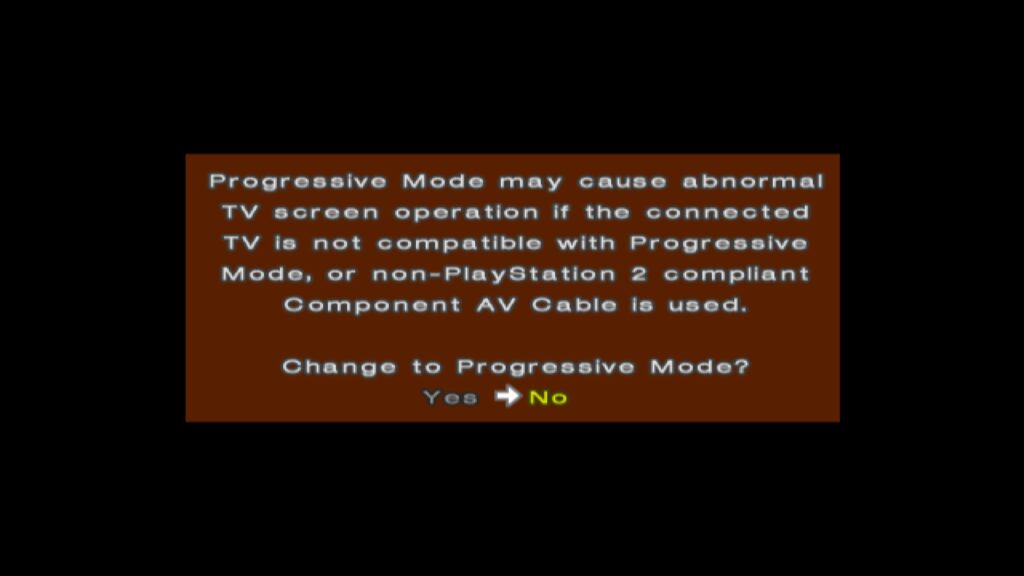
As the CRT market neared its twilight, manufacturers introduced Enhanced Definition Television (EDTV) standards to bridge the gap toward digital broadcasting. Around 2001, progressive scan-capable CRTs emerged, allowing consoles to output non-interlaced 480p and 576p signals via component cables (NTSC) or RGB SCART cables (Europe and Japan). Holding the X and Triangle buttons during a game’s boot sequence prompted supported titles to shift into progressive scan mode, eliminating interlacing artifacts entirely.
To maintain compatibility within the 4MB eDRAM constraint, certain progressive scan titles dropped framebuffer depth to 16bpp, introducing minor color banding in exchange for crisp progressive clarity. Meanwhile, ambitious software such as Gran Turismo 4 and Valkyrie Profile 2 advertised 1080i capabilities. In reality, these titles employed clever frame-buffering manipulation via the GS Cathode Ray Tube Controller (CRTC). Gran Turismo 4, for example, internally rendered at 640×540 before using integer magnification scalars (MAGH of 3 and MAGV of 2) to scale the image to 1920×1080. On period-accurate CRTs, the optical blur of the tube masked these scaling artifacts convincingly.
The European PAL Dilemma: 50Hz Versus 60Hz
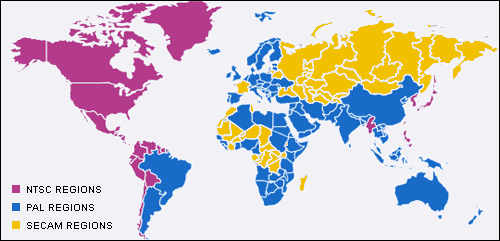
European consumers faced systemic disadvantages due to the regional reliance on PAL broadcasting standards, which operated at 50Hz compared to the 60Hz NTSC standard. While competing hardware like the Dreamcast widely adopted PAL60 options to prevent the 16.9% framerate reduction and heavy letterboxing inherent in poorly optimized ports, Sony initially refused to mandate PAL60 support. Consequently, early European PS2 releases were locked to sluggish 50Hz playback.
British studios like Psygnosis and Core Design attempted to mitigate this by rendering additional scanlines for PAL versions, increasing visual fidelity at the expense of motion speed. By 2002, developers began incorporating in-game 50Hz/60Hz toggles, though the PS2 architecture often handled this by forcing an NTSC 480i signal switch rather than a native PAL60 mode. RPG developers, notably Square with Final Fantasy X, elected to remain at 50Hz because the massive data footprints of pre-rendered Full Motion Video (FMV) sequences precluded shipping dual 50Hz and 60Hz video assets on a single DVD.
The Seventh Generation Transition and Modern Implications
The mid-2005 transition from analog CRTs to early high-definition LCD panels proved catastrophic for sixth-generation hardware. Early LCD displays suffered from severe input latency, motion ghosting, and poor black levels. Framebuffer blur effects—artfully deployed by developers to simulate high-speed motion on CRT screens—smudged horribly on early flat-panel displays.
For decades, playing legacy PlayStation 2 hardware on modern displays involved severe compromises in motion clarity and responsiveness. However, recent advancements in display technology and emulation software—such as BlurBusters’ CRT beam racing simulation shaders integrated into platforms like RetroArch—have finally bridged the gap. By combining modern OLED response times with advanced beam-racing shaders, enthusiasts can now replicate the latency, motion clarity, and visual aesthetics of the original CRT displays that defined the PlayStation 2’s golden age.