Farhan hamdan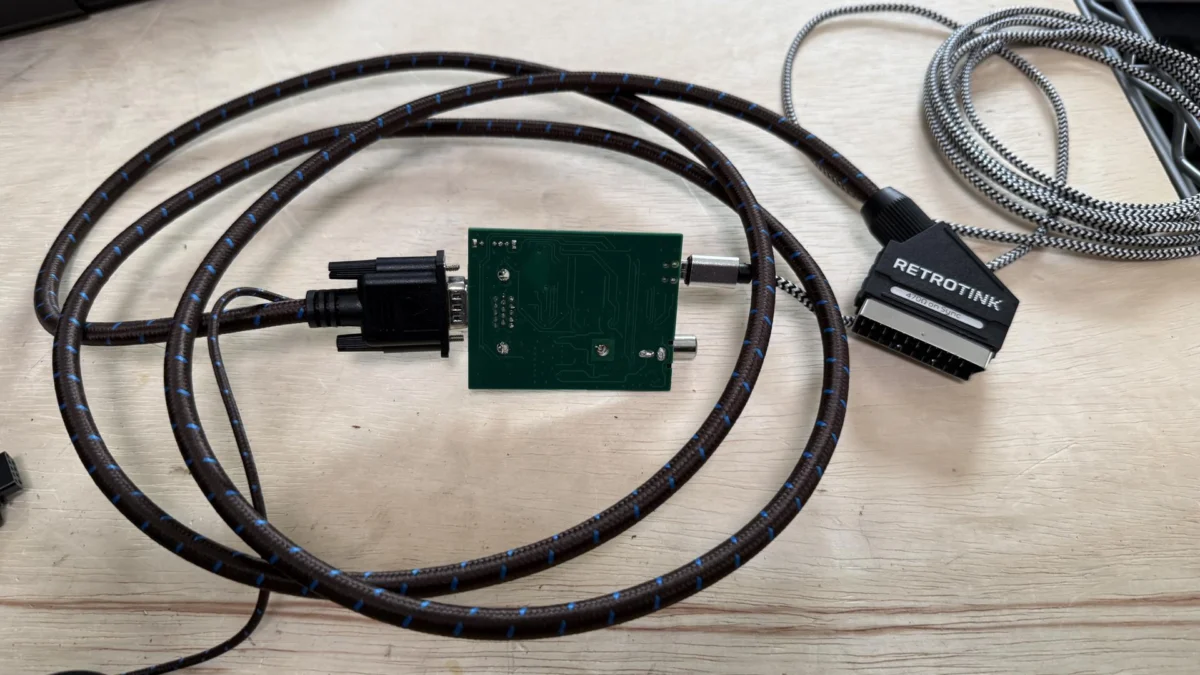
Retro gaming hardware development continues to evolve at a rapid pace, bridging the gap between vintage electronics and modern display technologies. In the latest advancement for retro console modifications, hardware engineer and developer C0pperdragon has introduced a forthcoming RGB and YPbPr Component Video adapter designed specifically to interface with existing Lumacode-modded gaming systems. The announcement, demonstrated during a recent live-streamed technical overview, provides retro gaming enthusiasts with an analog output solution that requires no hardware modifications to previously installed Lumacode kits, ensuring seamless integration for early adopters and future users alike.
The new adapter represents a significant step forward in the modular ecosystem of retro video hardware. As display technologies have transitioned away from standard-definition cathode-ray tubes (CRTs) toward high-definition digital panels, the retro gaming community has relied heavily on digital-to-analog converters, line doublers, and custom internal modifications to achieve pristine video signals. The Lumacode project, which previously focused heavily on digital output streams, now expands its utility into traditional analog pathways, offering users the flexibility to route high-quality video signals to both legacy CRT monitors and modern upscalers.
Comprehensive Overview of Hardware Architecture and Setup
The integration process for the new C0pperdragon adapter has been engineered for simplicity and user convenience. To utilize the device, a user connects a standard RCA cable from any existing Lumacode-modded console directly into the adapter’s input terminal. Power is then supplied to the unit, and an appropriate output cable is attached depending on the desired video standard.
For YPbPr Component Video output, users require either a standard D-sub adapter or a D-sub to RCA breakout cable. For RGB SCART output, industry recommendations advise the use of a MiSTer-compatible cable featuring an integrated resistor on the synchronization line, such as the RetroTINK D-sub to SCART cable. Once cabling is established, the user toggles a physical switch on the unit to match the desired output signal format before powering on the console.
A built-in on-screen display (OSD) menu, navigated via physical buttons on the device, allows users to select the specific console currently connected. Notably, the adapter features non-volatile memory that saves the last-used console profile, eliminating the need for reconfiguration during subsequent gaming sessions. Furthermore, early adopters will find reassurance in the hardware architecture: zero modifications are required to existing or future Lumacode internal installations. The adapter functions similarly to digital digitizers but is purpose-built to handle analog signal generation.
Technical Calibration, Scope Measurements, and Performance Metrics
During the live demonstration, the developer subjected the prototype hardware to rigorous bench testing using an oscilloscope to evaluate signal integrity and voltage compliance. The measurements revealed exceptional precision, with all three primary RGB color channels registering almost exactly at the industry-standard 700 millivolts peak-to-peak.
Synchronization signals likewise conformed to strict engineering parameters, measuring just under 1.4 volts when utilized with a passthrough cable and approximately 400 millivolts when paired with a properly terminated D-sub to SCART cable. These metrics confirm that the adapter produces clean, well-regulated analog signals suitable for both consumer-grade CRT televisions and professional video monitor (PVM) units.

While the plug-and-play functionality covers standard operation, certain console configurations may necessitate manual phase and gain calibration to eliminate visual artifacts or signal jitter. C0pperdragon has streamlined this procedure into an intuitive process. By executing a long-press on the board’s control button, users enter a calibration mode where two dedicated buttons adjust phase and gain parameters.
The calibration methodology is straightforward: the user adjusts the parameter in one direction until signal degradation or failure occurs, reverses the adjustment until the image stabilizes, and continues until failure occurs in the opposite direction. Setting the final value precisely midway between the two failure points achieves optimal calibration. Once the on-screen menu times out and disappears, the configuration is permanently saved to the device’s internal memory, persisting through power cycles and even subsequent firmware updates.
Timeline and Anticipated Market Availability
The development timeline for the Lumacode ecosystem has steadily progressed over the past several years, marked by detailed technical interviews, hardware revisions, and community feedback sessions. C0pperdragon’s latest analog adapter prototype represents the culmination of months of engineering refinements aimed at diversifying the output capabilities of the Lumacode platform.
Initial beta testing and live demonstrations are currently underway, with industry observers tracking the hardware’s transition from prototyping to mass production. While exact pricing and regional distribution partners have not yet been finalized, official retail availability is projected for release before the conclusion of the calendar year. The developer has committed to providing comprehensive firmware documentation and video guides closer to the launch date to assist users with installation and calibration.
Broader Impact on Retro Gaming Setups and Signal Routing
The introduction of the RGB and YPbPr adapter broadens the operational scope of Lumacode-modded consoles, introducing versatile configuration options for complex home entertainment and streaming setups. Because the adapter operates independently of the internal console modification, enthusiasts retain the ability to integrate both analog and digital converters into a centralized video switching matrix.
According to preliminary hardware evaluations, users can potentially connect both analog and digital conversion units to a compatible video switcher. This configuration enables a single Lumacode-modded console to output simultaneous signals. When paired with a buffered video switch, users may be able to feed a pristine analog signal to a legacy CRT for zero-latency, authentic retro gaming, while simultaneously routing a digital signal to a frame-locked hardware scaler for high-definition streaming or modern flat-panel display.
This dual-path capability addresses a common logistical challenge for content creators, speedrunners, and purists who demand both authentic analog display performance and modern capture capabilities without constantly swapping cables or hardware modules. As retro hardware modifications continue to mature, modular accessories like C0pperdragon’s adapter underscore a growing industry emphasis on interoperability, longevity, and user-centric design. Further updates regarding official release dates, purchasing information, and comprehensive video reviews are expected to be published across prominent retro gaming information networks in the coming months.