 Farhan hamdan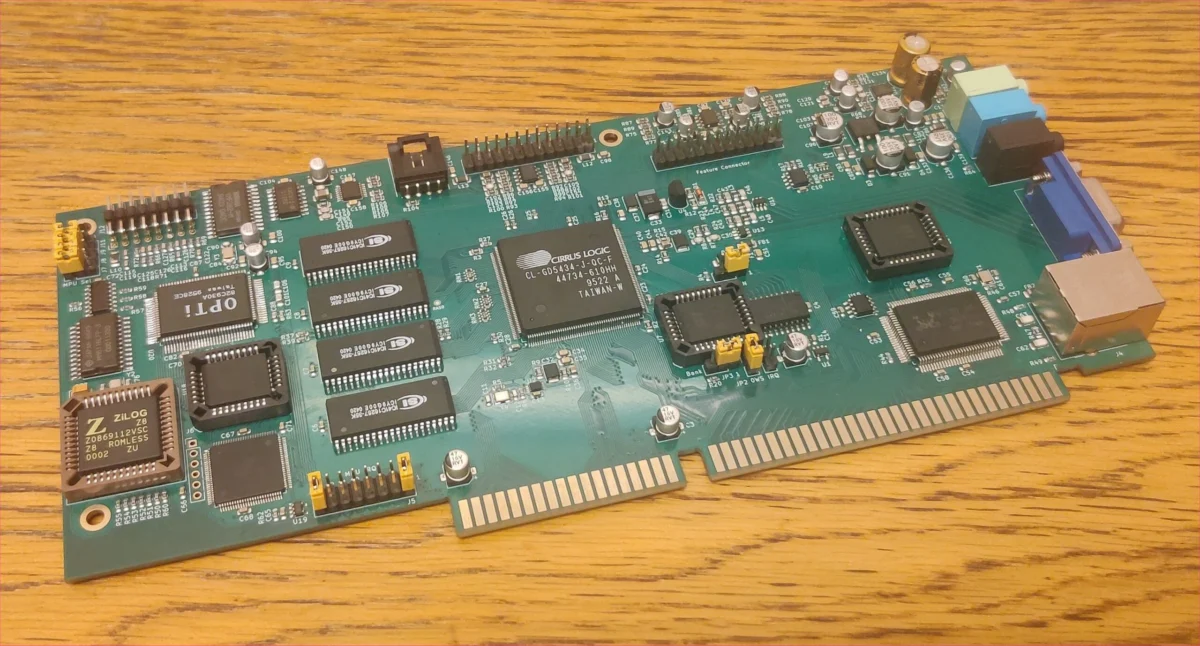
The retro-computing community has long grappled with a frustrating hardware paradox: while vintage 386 and 486 motherboards offer unmatched software compatibility for classic DOS and Windows 3.1 applications, they are severely constrained by physical architecture limitations. Specifically, most vintage motherboards feature only a handful of ISA (Industry Standard Architecture) slots. Modern retro-enthusiasts looking to outfit these machines with high-performance video accelerators, advanced sound cards, authentic MIDI interfaces for pristine musical playback, and local area network (LAN) connectivity routinely run out of expansion slots.
Addressing this persistent hardware bottleneck head-on, the engineering team at PC MIDI.eu has officially announced the upcoming release of the SonicVision Pro. This innovative, multipurpose ISA add-on card consolidates the functionality of four distinct hardware peripherals onto a single circuit board. By merging a robust 2D graphics controller, a versatile audio system with native OPL3 synthesis, an intelligent PC MIDI interface, and an Ethernet networking card into one cohesive unit, the SonicVision Pro promises to streamline vintage PC building, reduce system heat and power draw, and unlock the full potential of space-constrained retro rigs.
Main Facts and Technical Specifications
The SonicVision Pro is designed from the ground up to serve as the ultimate all-in-one upgrade path for late-80s and early-90s desktop computers. Rather than forcing users to hunt down rare, expensive, and space-consuming individual expansion cards, PC MIDI has integrated four foundational subsystems into a single-slot footprint.
At the core of the video subsystem is a Cirrus Logic CL-GD5434 VGA controller paired with 2MB of dedicated VRAM. The Cirrus 5434 is widely celebrated within the retro-computing community for its exceptional 2D graphics acceleration, offering snappy Windows 3.1 performance, robust VESA local bus emulation capabilities via ISA, and flawless compatibility with standard DOS graphic modes. For users accustomed to sluggish onboard video or basic VGA chips, this controller delivers a noticeable performance upgrade during high-resolution desktop environments and graphically demanding DOS titles.
The audio architecture of the SonicVision Pro is equally impressive, driven by an Opti 82C930A sound controller coupled with a genuine, hardware-level Yamaha OPL3 YMF-262-M chip. While many modern reproduction cards rely on software emulation or inferior clones, the inclusion of the authentic Yamaha OPL3 guarantees pristine, hardware-accurate FM synthesis—the gold standard for classic PC game soundtracks composed during the MS-DOS golden era. Furthermore, the audio subsystem supports Sound Blaster (SB), Sound Blaster Pro (SBP), and Windows Sound System (WSS) standards, ensuring seamless compatibility with thousands of legacy games and productivity applications.
Complementing the sound chip is PC MIDI’s signature feature: an integrated MIDI interface designed to communicate effortlessly with external sound modules such as the legendary Roland MT-32 or Sound Canvas series. Many vintage sound cards lacked "Intelligent Mode" MIDI processing or required difficult-to-source breakout boxes and dedicated daughterboards. The SonicVision Pro provides native support for external MIDI hardware, allowing enthusiasts to experience rich, orchestral-grade game scores exactly as developers intended in the early 1990s.
Rounding out the hardware suite is an integrated Local Area Network (LAN) controller. Connecting a 386 or 486 computer to a modern home network has traditionally required tracking down scarce vintage NICs (Network Interface Cards), locating obsolete drivers, and configuring complex packet drivers like ODI or NDIS. By incorporating a reliable network interface directly onto the SonicVision Pro, PC MIDI allows users to easily transfer disk images, access network shares, and download retro software directly onto their vintage machines, largely eliminating the tedious reliance on aging 3.5-inch floppy disks or cumbersome parallel-port transfer cables.

Background Context and the Evolution of Retro-Computing Hardware
To fully appreciate the significance of the SonicVision Pro, one must examine the hardware landscape of the early 1990s and the modern challenges faced by vintage computing enthusiasts. During the height of the 386 and 486 eras, personal computers were modular by design. Users purchased bare-bones motherboards and progressively populated ISA—and later VESA Local Bus (VLB) or early PCI—slots with separate controller cards. A typical high-end multimedia setup required a dedicated VGA card, a sound card (such as a Sound Blaster 16), a MIDI interface card or WaveBlaster daughterboard, and a separate network card for corporate or academic environments.
As decades passed, these components became increasingly prone to component failure, capacitor leakage, and mechanical wear. Furthermore, original high-end hardware—particularly intelligent MIDI interfaces and high-performance graphics accelerators—became prized collector’s items, driving secondary market prices to prohibitive levels.
In response, the modern retro-computing movement has spurred a renaissance in open-source hardware design and commercial reproduction manufacturing. Enthusiast communities on platforms like VOGONS (Very Old Games On New Systems) and websites like RetroRGB have chronicled a shift away from fragile, degrading original hardware toward modern, highly integrated reproduction boards. Products like the SonicVision Pro represent the logical maturation of this movement: moving beyond simple 1:1 reproductions of vintage parts to create innovative, multi-function hardware solutions that solve historical engineering limitations using modern manufacturing techniques.
Chronology and Production Timeline
The development of the SonicVision Pro follows a meticulous prototyping and community-driven feedback cycle characteristic of boutique retro-hardware manufacturing. PC MIDI.eu initially floated concepts for multi-function expansion architecture within enthusiast forums to gauge interest and identify the most requested feature sets among active builders.
With the hardware design finalized and thoroughly tested for signal integrity and system stability across various motherboard configurations, PC MIDI has officially opened preorders for the device. Production for the initial manufacturing run is scheduled to commence in mid-October 2026.
According to statements released by the development team, this production run will mirror the manufacturing scale and distribution model utilized for their previous successful product offerings. Due to the specialized nature of sourcing vintage-compatible controllers and the labor-intensive assembly process required for multi-layer ISA cards, PC MIDI has indicated that only one or two batch runs are planned at this time, depending entirely on sustained consumer demand. Enthusiasts wishing to secure a unit are strongly advised to monitor the official PC MIDI website and participate in the ongoing tracking threads hosted on the VOGONS community forums.
Supporting Data, Pricing, and Availability

Boutique hardware manufacturing in the retro computing space operates under tight economic margins, balancing the high cost of specialized silicon sourcing with relatively low production volumes. The SonicVision Pro is priced competitively within the high-end retro hardware market, with retail costs established at approximately €185 to €195, depending on specific configuration options and regional taxes.
When compared to the cumulative cost of sourcing separate, working vintage components—purchasing a reliable Cirrus logic or Trident VGA card, a genuine Yamaha OPL3-equipped sound card, a rare standalone intelligent MIDI interface, and an era-appropriate ISA network card—the SonicVision Pro offers substantial financial value. Furthermore, acquiring individual secondhand cards carries an inherent risk of purchasing faulty hardware, whereas a newly manufactured, factory-tested unit provides immediate plug-and-play reliability complete with modern power regulation and fresh surface-mount components.
Industry Analysis: Implications for the Retro PC Market
The introduction of highly integrated, multi-function expansion cards like the SonicVision Pro signals a broader shift in how retro-computing hardware is conceptualized, built, and consumed. For years, purists insisted on maintaining strict adherence to period-accurate hardware configurations, accepting the hardware failures, driver conflicts, and physical space limitations inherent to 1990s computing.
However, as the hardware pool ages past the point of reliable restoration, the community has increasingly embraced pragmatic innovation. Multi-function cards reduce motherboard trace stress, lower overall power consumption within vintage power supplies, generate less internal heat within cramped desktop cases, and free up precious ISA slots for specialized expansion cards such as SCSI controllers or early sound card wavetable upgrades.
From an economic and ecological perspective, consolidating four devices onto a single printed circuit board reduces raw material consumption, minimizes packaging waste, and streamlines international shipping for hobbyists worldwide. By bridging the gap between historical software compatibility and modern hardware reliability, products such as the SonicVision Pro ensure that vintage computing remains an accessible, sustainable, and deeply rewarding hobby for future generations of technology historians and gamers alike.
For detailed technical documentation, driver availability, and secure preorder instructions, interested enthusiasts can visit the official PC MIDI Product Page (https://pcmidi.eu/sonicvisionpro.html) or join the active community discussion on the VOGONS Forum Thread (https://www.vogons.org/viewtopic.php?t=112290).