Cecilia Chamidah Nur
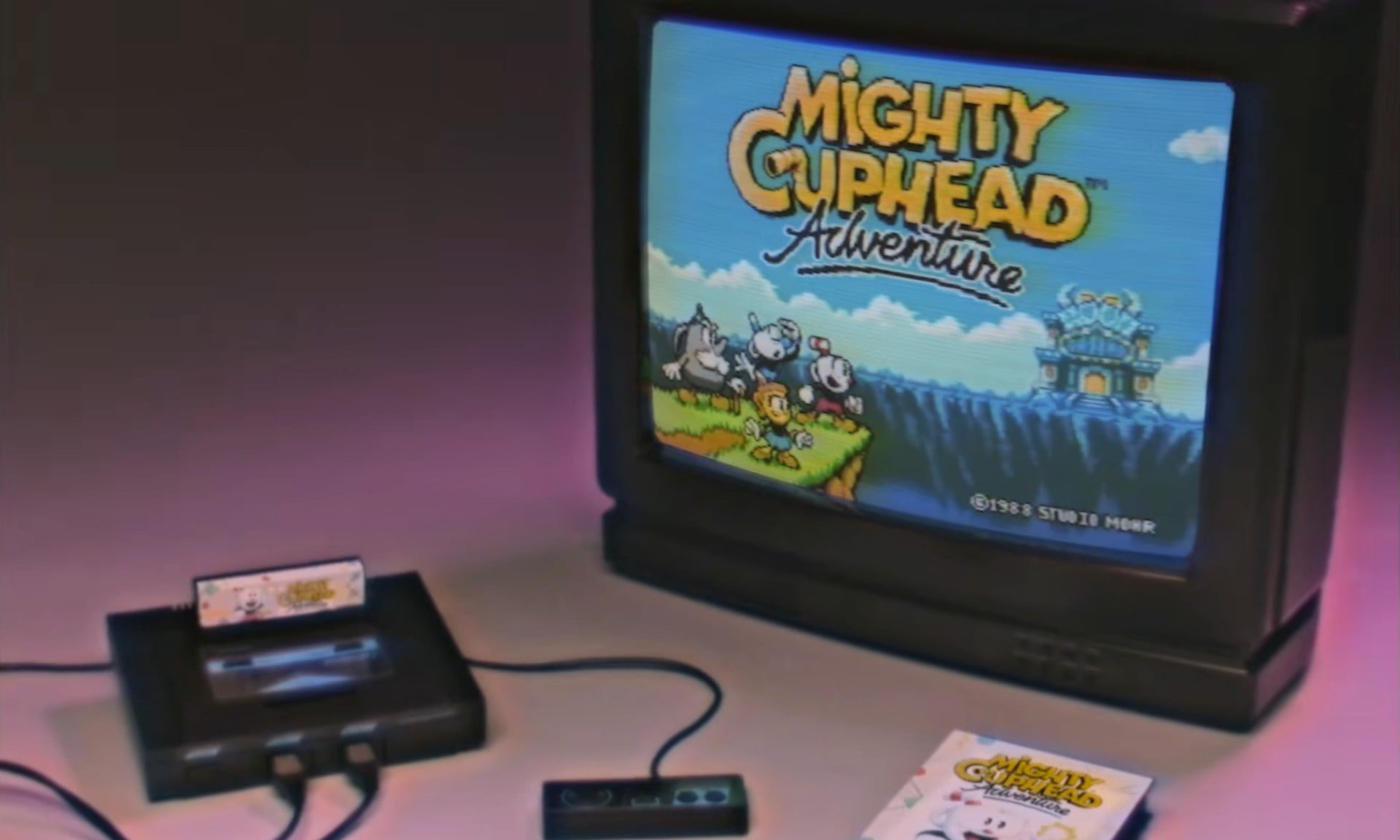
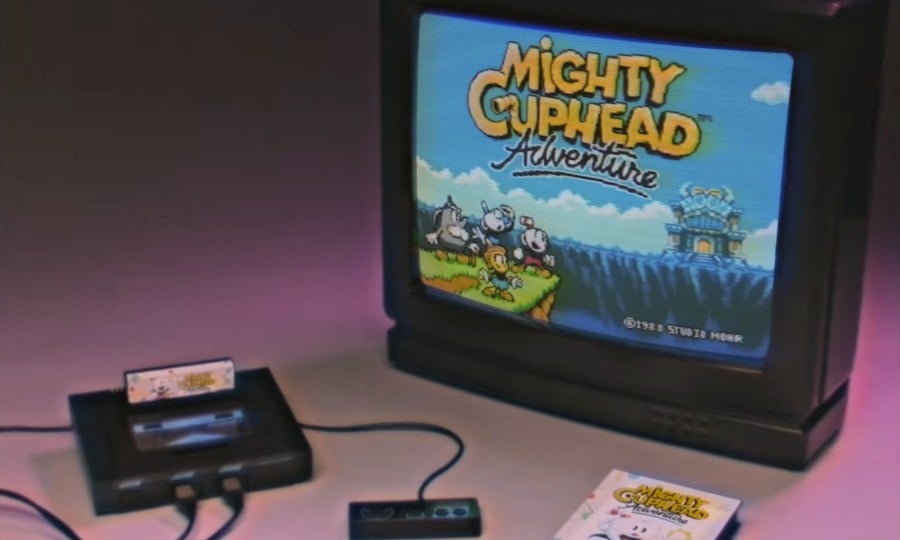
During the highly anticipated Summer Game Fest 2026, Studio MDHR, the acclaimed developer behind the critically lauded Cuphead, made a stunning dual announcement that sent ripples across the gaming industry. In a move that marries cutting-edge game development with a profound homage to gaming history, the studio revealed it is actively developing an entirely new hand-animated Cuphead video game, alongside an unprecedented 8-bit action platformer titled Mighty Cuphead Adventure. What truly distinguishes this latter project is its commitment to authentic retro technology: it is being built from the ground up for the venerable Sega Master System, in addition to simultaneous releases on modern consoles and PC.
The Summer Game Fest 2026 Revelation
Summer Game Fest, a premier global event in the video game calendar, serves as a crucial platform for developers and publishers to showcase upcoming titles and make significant industry announcements. The 2026 iteration continued this tradition, drawing millions of viewers worldwide through live streams and in-person attendance. Amidst a flurry of trailers and developer interviews, Studio MDHR’s presentation stood out for its unexpected and ambitious reveal. A "special bulletin" video was broadcast, showcasing a brief but impressive slice of footage from Mighty Cuphead Adventure. The visual style, distinctly reminiscent of late 1980s 8-bit graphics, immediately captivated audiences, leading to widespread speculation before the full scope of the project was clarified. The juxtaposition of a globally recognized, modern indie darling like Cuphead appearing in an authentic 8-bit aesthetic for a console released nearly four decades prior created an immediate buzz that dominated post-event discussions.
A Dual Development Path: New Horizons for Cuphead
The announcement confirmed Studio MDHR’s ambitious strategy: not one, but two distinct Cuphead projects are currently underway. The first, a "brand-new, hand-animated Cuphead video game," signals a continuation of the meticulously crafted, 1930s-cartoon-inspired aesthetic that defined the original game and its critically acclaimed DLC, The Delicious Last Course. This project is expected to build upon the established gameplay mechanics and artistic vision that garnered numerous awards and a dedicated global fanbase.
However, it was the second project, Mighty Cuphead Adventure, that truly seized headlines. The press release accompanying the announcement detailed that this 8-bit endeavor is reportedly the work of a "small team within Studio MDHR." This suggests a focused, specialized group dedicated to the unique technical challenges and artistic constraints of retro development, operating perhaps as an independent skunkworks within the larger studio framework. This dual-track approach allows Studio MDHR to simultaneously innovate within its established high-fidelity animation pipeline while also exploring a fundamentally different, historically informed development methodology. It reflects a studio unafraid to diversify its creative output and push boundaries, both forward into new artistic expressions and backward into foundational programming practices.
Embracing Authentic Retro: Beyond Inspiration
The core of Mighty Cuphead Adventure‘s groundbreaking nature lies in its development philosophy. Studio MDHR explicitly stated, "In true Studio MDHR fashion, this game goes beyond just taking inspiration from the classics of the 1980s… it is actually built with technology of the era!" This declaration underscores a commitment far deeper than mere aesthetic mimicry. Many modern games adopt pixel art or chiptune music to evoke nostalgia, but few undertake the arduous process of developing a game using the actual programming languages and hardware limitations of a bygone era.
Specifically, the game is being "programmed in classic Assembly Language and designed with the exacting specifications of the Sega Master System home gaming console in mind." Assembly Language, a low-level programming language that directly interacts with a computer’s hardware, offers unparalleled control over a system’s resources. However, it is notoriously complex and time-consuming, requiring intimate knowledge of the target processor’s architecture – in this case, the Zilog Z80 CPU that powered the Sega Master System. This approach is a stark contrast to modern game development, which relies on high-level languages like C++ or C# and sophisticated game engines (e.g., Unity, Unreal Engine) that abstract away much of the underlying hardware complexity. The decision to use Assembly for the Master System version is not merely a stylistic choice but a profound technical and philosophical one, aiming for absolute fidelity to the 8-bit experience.

Furthermore, the game’s design adheres to the "exacting specifications" of the Master System. This implies strict adherence to the console’s graphical capabilities (e.g., limited color palette, sprite count, screen resolution of 256×192 pixels), sound chip (PSG, Programmable Sound Generator), and memory constraints. Such limitations force developers to be incredibly ingenious and efficient, often leading to highly optimized code and creative solutions that defined the golden age of 8-bit gaming. This commitment ensures that Mighty Cuphead Adventure will not just look like a Master System game but will feel and perform like one, offering a genuine time capsule experience.
The Sega Master System Legacy: A Console Reborn
The choice of the Sega Master System as a primary development platform is significant. Released in Japan in 1985 (as the Sega Mark III) and North America in 1986, the Master System was Sega’s direct competitor to Nintendo’s dominant NES. While it achieved considerable success in Europe and Brazil, it struggled to gain significant market share against Nintendo in North America and Japan. Despite this, the Master System boasted impressive technical specifications for its time, including a richer color palette (32 colors on screen from a palette of 64, compared to NES’s 25 from 52) and generally superior graphics hardware. Its library included beloved titles like Phantasy Star, Wonder Boy III: The Dragon’s Trap, and Alex Kidd in Miracle World.
The Master System eventually faded from mainstream prominence by the early 1990s with the advent of 16-bit consoles like Sega’s own Mega Drive/Genesis. However, it has maintained a dedicated cult following among retro gaming enthusiasts, particularly in regions where it was more successful. The decision by Studio MDHR to develop a new title for a console that ceased commercial production decades ago is an unprecedented nod to this enduring legacy. It speaks to a deep appreciation for the hardware and the historical context of video games, a sentiment that resonates strongly with a segment of the gaming community increasingly interested in preservation and authentic retro experiences.
Crucially, the press release confirmed that players seeking "a true blast from the past will be able to experience it on a physical cartridge on the Sega Master System home gaming console." This detail further solidifies the commitment to authenticity and caters directly to collectors and purists who value physical media and the tactile experience of playing on original hardware. The production of new, officially licensed physical cartridges for a legacy system is a rare and highly specialized endeavor, highlighting the studio’s dedication to this unique project.
Studio MDHR’s Vision and Technical Prowess
Studio MDHR’s reputation was forged on an uncompromising commitment to artistic vision and technical execution. The original Cuphead, released in 2017 after years of painstaking development, became a benchmark for independent game development. Its hand-drawn, frame-by-frame animation, painstakingly replicating the rubber hose animation style of 1930s cartoons, required immense artistic talent and an almost fanatical attention to detail. This meticulous approach extended to its challenging run-and-gun gameplay, which evoked the difficulty and precision of classic arcade titles.
The pivot to 8-bit Assembly Language development for Mighty Cuphead Adventure can be seen as a natural extension of this ethos. Just as they embraced the labor-intensive art form of traditional animation, they are now embracing the equally demanding art form of low-level retro programming. This project demands a different kind of mastery – not over intricate animation software, but over memory management, CPU cycles, and direct hardware manipulation. It showcases the studio’s versatility and a deep bench of talent capable of tackling vastly different technical challenges while maintaining a consistent brand identity rooted in homage and craftsmanship. The "small team" working on this project likely comprises individuals with specialized expertise in retro hardware and Assembly programming, a rare and valuable skillset in today’s game development landscape.
Market Implications and Industry Trends
The announcement of Mighty Cuphead Adventure carries significant implications for the retro gaming market and broader industry trends.

- Validation of Retro Authenticity: This project elevates the concept of "retro gaming" beyond simple emulation or stylistic inspiration. By developing for original hardware with period-accurate tools, Studio MDHR provides a blueprint for true retro authenticity, potentially inspiring other developers to explore similar avenues.
- Niche Market Expansion: The physical cartridge release for the Sega Master System directly targets a highly passionate, albeit niche, market of collectors and enthusiasts. This move could invigorate interest in the Master System and other vintage consoles, potentially driving up demand for original hardware and fostering a new wave of homebrew or officially sanctioned retro development.
- Brand Differentiation: In an increasingly crowded gaming landscape, Mighty Cuphead Adventure offers Studio MDHR unparalleled differentiation. It’s a bold statement that positions them not just as creators of visually stunning games, but as connoisseurs of gaming history and technical pioneers.
- The Power of Nostalgia: The enduring appeal of Cuphead already taps into a certain nostalgia for classic animation and challenging gameplay. By layering authentic 8-bit retro development on top, Studio MDHR doubles down on this emotional connection, appealing to multiple generations of gamers.
- Bridging Eras: The decision to release the game on modern consoles and PC alongside the Master System is crucial. It ensures that the unique technical achievement and creative vision are accessible to a broad contemporary audience, while still offering the ultimate "purist" experience. This dual release strategy maximizes reach while preserving the integrity of the retro vision. Industry analysts suggest this hybrid approach could become a model for future retro-focused projects, allowing for widespread accessibility without compromising on historical fidelity.
Community Reaction and Anticipation
Initial reactions from the gaming community have been overwhelmingly positive, particularly among retro enthusiasts and long-time Cuphead fans. The sheer audacity of the project, coupled with Studio MDHR’s sterling reputation for quality, has generated immense excitement. Discussions across social media platforms and gaming forums highlight the novelty of a major studio undertaking such a technically challenging and historically reverent project. Many expressed eagerness to see how the distinct Cuphead aesthetic and challenging gameplay translate to the 8-bit limitations, while others lauded the commitment to physical media for a vintage console. The announcement also sparked renewed interest in the Sega Master System itself, with some speculating on a potential surge in demand for the console.
Looking Ahead
As of Summer Game Fest 2026, details regarding Mighty Cuphead Adventure remain somewhat limited. The teaser trailer offered a tantalizing glimpse, but specific gameplay mechanics, story elements, and a firm release date for both the physical Master System cartridge and digital modern versions have yet to be revealed. The gaming world eagerly awaits further bulletins from Studio MDHR, keen to see the full realization of this audacious and technically ambitious project. Mighty Cuphead Adventure represents not just another game in the Cuphead universe, but a significant milestone in retro gaming, demonstrating a profound respect for the past while pushing the boundaries of modern game development’s embrace of heritage. It stands as a testament to the enduring power of creative vision and technical mastery, promising an experience that is both a blast from the past and a beacon for the future of authentic retro gaming.