Cecilia Chamidah Nur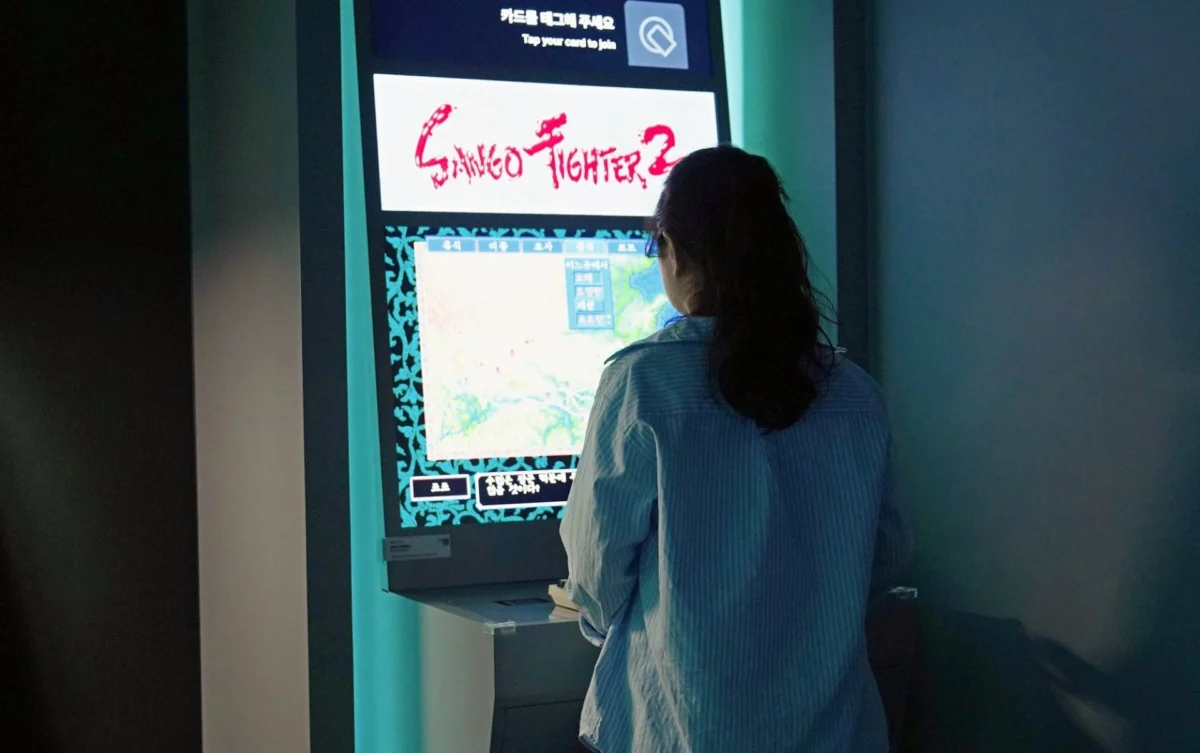
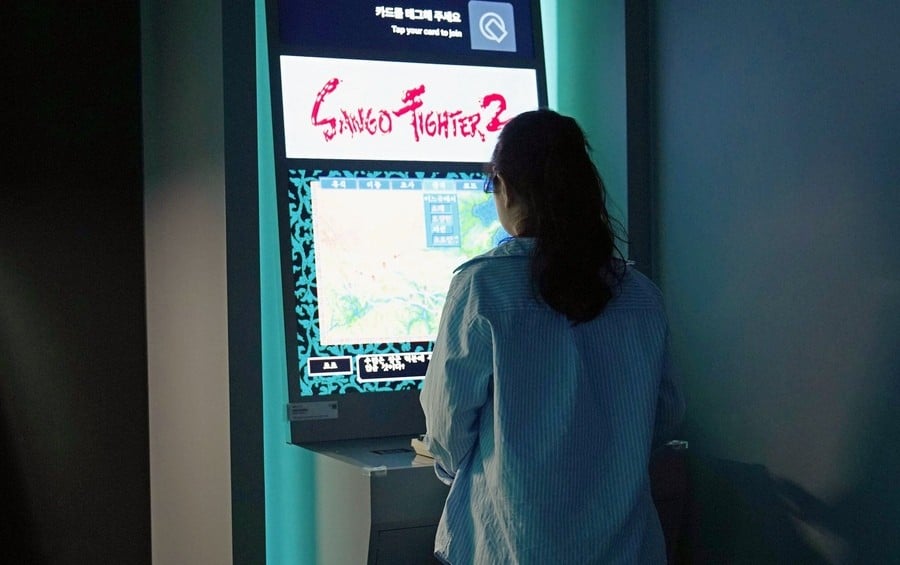
In a significant milestone for regional video game history and preservation, Sango Fighter 2, a Taiwanese-developed fighting game that captivated audiences across South Korea in the mid-1990s, has been granted a place in the permanent exhibition of the prestigious Nexon Computer Museum. This recognition elevates the cult classic from its origins as a regional competitor to global titans like Street Fighter to a bona fide cultural artifact, celebrating its unique impact on East Asian digital entertainment. The game is one of only 40 titles selected for the museum’s acclaimed exhibit, "Players: Don’t Die, Keep Up!", marking a pivotal moment for a title often overlooked outside of its primary markets.
The Genesis of Sango Fighter: A Regional Phenomenon
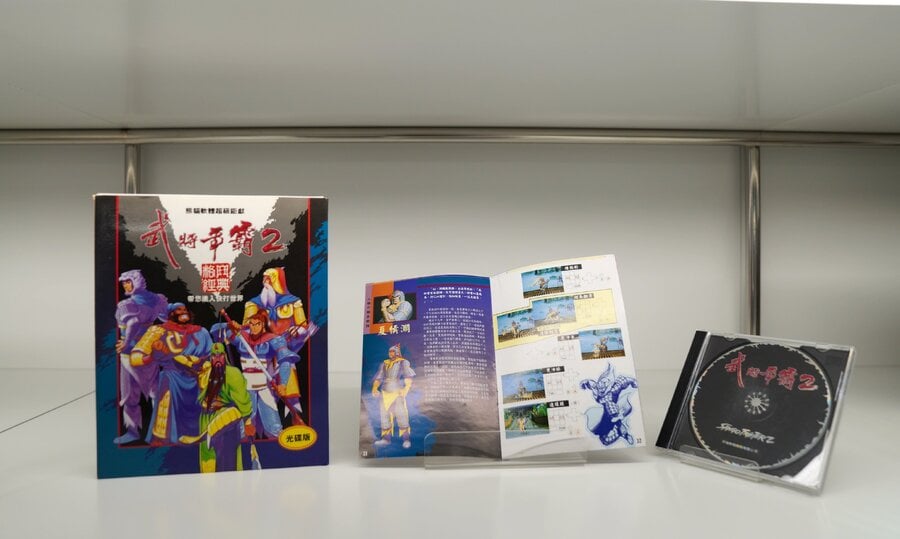
The Sango Fighter series emerged from Panda Entertainment, a Taiwanese development studio, with its inaugural title launching on MS-DOS computers in 1993. Its sequel, Sango Fighter 2, followed two years later in 1995. These games skillfully adapted the one-on-one combat mechanics popularized by arcade giants such as Capcom’s Street Fighter and SNK’s Samurai Shodown, but crucially, they imbued this familiar gameplay with a distinct cultural identity. The setting for Sango Fighter (a romanization of "Three Kingdoms") draws deeply from China’s legendary Three Kingdoms period, a tumultuous era of warring states from 220 to 280 AD. This rich historical tapestry, filled with iconic generals, strategists, and epic battles, has long been a foundational element in East Asian literature, film, and indeed, video games, providing a resonant backdrop that immediately connected with local audiences.
While Sango Fighter may remain an obscure title to many in Western territories, its commercial success and cultural penetration in Taiwan and, particularly, South Korea were undeniable. During the 1990s, the South Korean gaming landscape was undergoing a rapid transformation. The proliferation of personal computers and the burgeoning "PC bang" (internet café) culture created a fertile ground for PC-based gaming. In an era when console distribution and official arcade presences of major Japanese fighting game franchises could be inconsistent or limited, Sango Fighter filled a critical void. Its accessible gameplay, combined with a culturally relevant theme, made it a household name among PC gamers. The game offered a high-quality, localized fighting experience that resonated deeply, cementing its status not merely as an alternative, but as a beloved staple in its own right. This regional dominance, born out of a unique market dynamic, is precisely what underscores its significance for the Nexon Computer Museum’s curatorial objectives.
Nexon Computer Museum: Safeguarding Digital Heritage
The Nexon Computer Museum, located on Jeju Island, South Korea, stands as a pioneering institution dedicated to the preservation and exhibition of the nation’s, and indeed the world’s, digital heritage. Established by Nexon, one of South Korea’s largest video game companies, the museum opened its doors in 2013 with a mission to explore the evolution of computers and video games, showcasing their profound impact on society and culture. Its meticulously curated collection spans from early computing devices to seminal video game consoles and software, providing an invaluable resource for understanding the technological and creative journey of digital entertainment.
The selection of Sango Fighter 2 for the permanent exhibition "Players: Don’t Die, Keep Up!" is a testament to the museum’s commitment to recognizing titles that have left a tangible mark on the cultural fabric, irrespective of their global market penetration. The exhibit’s title itself, "Players: Don’t Die, Keep Up!", evokes the persistent, often challenging, yet ultimately rewarding journey of both playing and creating games. The curation process for this prestigious exhibit is rigorous, focusing on games that demonstrated commercial popularity, innovative design, or significant cultural resonance within South Korea. Sango Fighter 2‘s inclusion, nominated by several of Nexon’s own staff members who likely grew up playing the game, speaks volumes about its enduring legacy and the fond memories it evokes among a generation of South Korean gamers. The exhibit features 40 meticulously chosen video games, each representing a crucial chapter in the narrative of digital play, ranging from iconic global blockbusters to regionally beloved gems like Sango Fighter 2.
A Journey of Preservation and Recognition: Super Fighter Team’s Role
The path to Sango Fighter 2‘s museum recognition is intertwined with the dedicated efforts of Super Fighter Team, an American company specializing in the preservation and re-release of obscure and cult classic video games, particularly those from the retro era. In 2009, Super Fighter Team successfully acquired the rights to Panda Entertainment’s entire software catalogue, a move that ensured the continued availability and potential future rediscovery of titles like Sango Fighter. This acquisition was a critical step, as many older games from defunct or dormant studios face the risk of being lost to time due to legal ambiguities or lack of interest in preservation.
It was Brandon Cobb, the founder of Super Fighter Team, who first brought this significant event to light. Recounting the moment the museum contacted them for permission to include Sango Fighter 2, Cobb shared his profound reaction: "When the museum contacted us for permission to include the game, we were shocked and thrilled. It’s a huge honour for us, but all the glory goes to the original development team in Taiwan, many of whom are now personal friends of mine." This statement eloquently captures the dual emotions of surprise and immense pride. For Cobb and Super Fighter Team, it validates their mission of digital archaeology and preservation. More importantly, it brings long-overdue recognition to the original Taiwanese developers who crafted the game, many of whom might never have imagined their creation would one day be enshrined in a museum. Cobb’s emphasis on giving "all the glory" to the original team underscores a deep respect for creative legacy and a collaborative spirit in safeguarding gaming history.
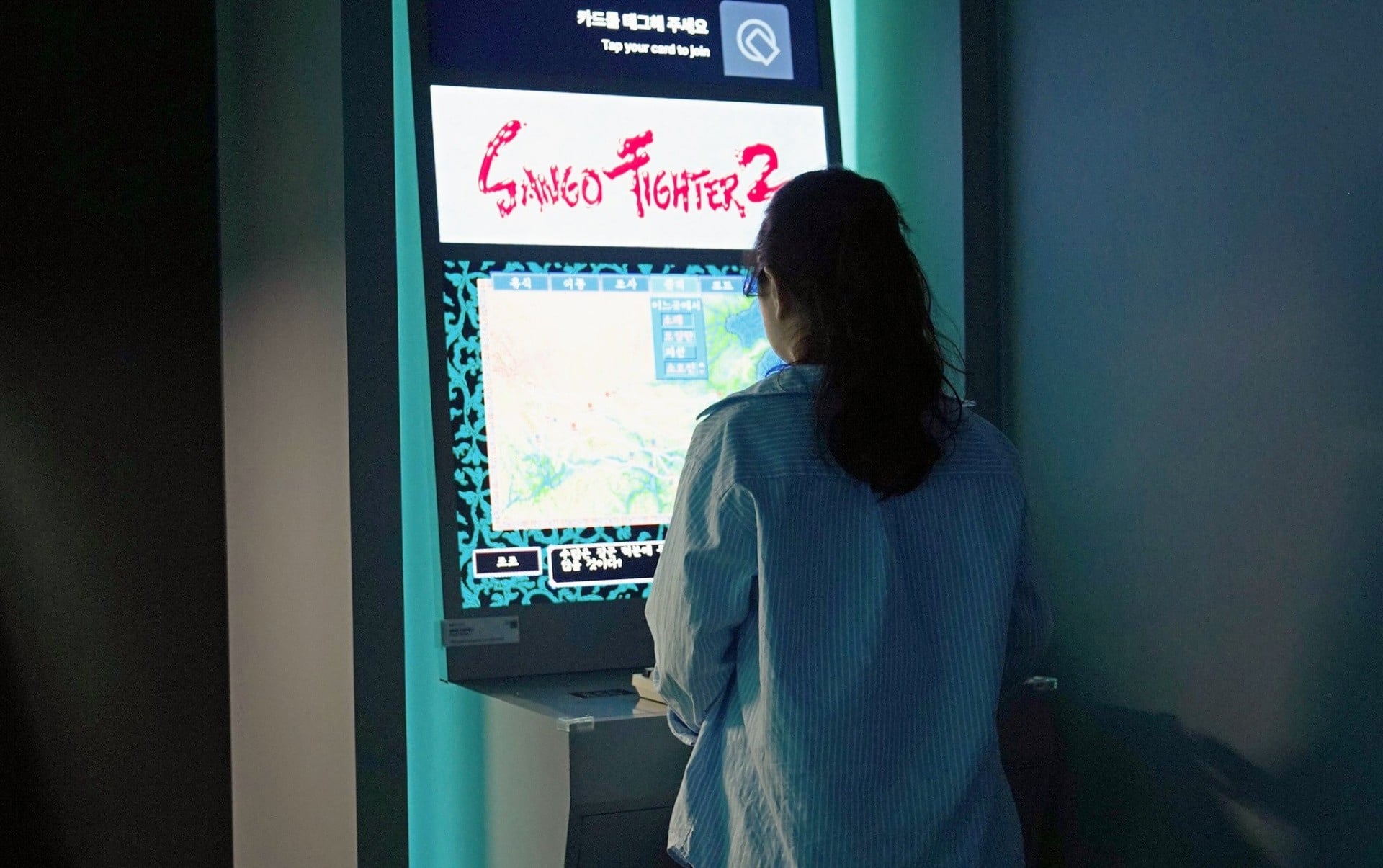
A particularly noteworthy aspect of this exhibit is that it marks the first time Sango Fighter 2 has been officially presented as an arcade unit. This transformation from a PC-based title to an arcade-style playable exhibit offers a new interactive dimension for museum visitors, allowing them to experience the game in a format reminiscent of traditional arcade culture, albeit within a modern museum context. "It’s the first time Sango Fighter 2 has been officially made available as an arcade unit, for people from across the world to enjoy," Cobb elaborated. "We couldn’t be happier, and I plan on visiting the museum myself later this year to check it out and thank the staff in person." This planned visit highlights the personal connection and dedication involved in the game preservation community.
Broader Implications: Redefining "Clones" and Elevating Regional Gaming
The inclusion of Sango Fighter 2 in a national museum carries several profound implications for the broader discourse around video game history, preservation, and cultural identity.
Firstly, it serves as a powerful testament to the importance of digital game preservation. In an industry characterized by rapid technological advancement and often short commercial lifespans, countless games, especially those popular only in specific regions or on now-obsolete platforms, risk being forgotten. The Nexon Computer Museum’s initiative highlights that historical significance is not solely determined by global sales figures or critical acclaim in major Western markets. Regional impact, cultural resonance, and the unique stories these games tell about their time and place are equally vital for a comprehensive understanding of gaming’s global tapestry. This move encourages other institutions and individuals to actively seek out, document, and preserve such valuable digital artifacts before they are lost forever.
Secondly, this recognition elevates the narrative of Asian game development. While Japan’s contributions to the global gaming industry are widely celebrated, the rich histories of game development in other Asian countries like Taiwan and South Korea often receive less international attention. Sango Fighter 2‘s enshrinement in a prominent South Korean museum underscores the creative prowess and cultural distinctiveness of Taiwanese developers and acknowledges the cross-cultural appeal of their work within the region. It shines a light on the intricate web of influence and innovation that characterizes East Asian game development, moving beyond a Japan-centric view of the region’s gaming legacy.

Perhaps most significantly, this event challenges and redefines the conventional understanding of "clone" titles. Sango Fighter was often categorized as a "Street Fighter clone" due to its similar genre and mechanics. However, its success was not merely a result of imitation but of successful adaptation and localization. By embedding the fighting game formula within the revered Three Kingdoms narrative, Panda Entertainment created a game that, while inspired by others, developed its own unique identity and cultural significance. The museum’s decision to preserve Sango Fighter 2 legitimizes its status as a significant cultural artifact, suggesting that a game’s impact and historical value can transcend its initial classification as an homage or derivative work. It demonstrates that cultural resonance and commercial success within a specific market can elevate a title from being a mere imitation to a unique and cherished piece of cultural heritage. This shift in perspective encourages a more nuanced appreciation of game history, acknowledging how titles adapt and evolve within different cultural contexts.
Finally, the continued accessibility of Sango Fighter 2 further amplifies its impact. Super Fighter Team’s decision to make the game freely available for download from its website means that this piece of history is not confined to a museum exhibit. Enthusiasts and curious players worldwide can experience the game firsthand, connecting with its legacy directly. This dual approach of museum exhibition and digital distribution represents a robust model for cultural preservation, ensuring that the game’s story can be both formally celebrated and widely experienced.
In conclusion, the induction of Sango Fighter 2 into the Nexon Computer Museum’s permanent collection is more than just a nod to a cult classic; it is a profound statement about the evolving understanding of video game history. It champions regional narratives, underscores the critical importance of digital preservation, and re-evaluates the cultural contributions of games often marginalized by dominant historical narratives. As visitors from across the world step into the "Players: Don’t Die, Keep Up!" exhibit, they will not only encounter a piece of South Korean and Taiwanese gaming heritage but also witness a powerful affirmation of the diverse and rich tapestry that defines the global story of video games.