Cecilia Chamidah Nur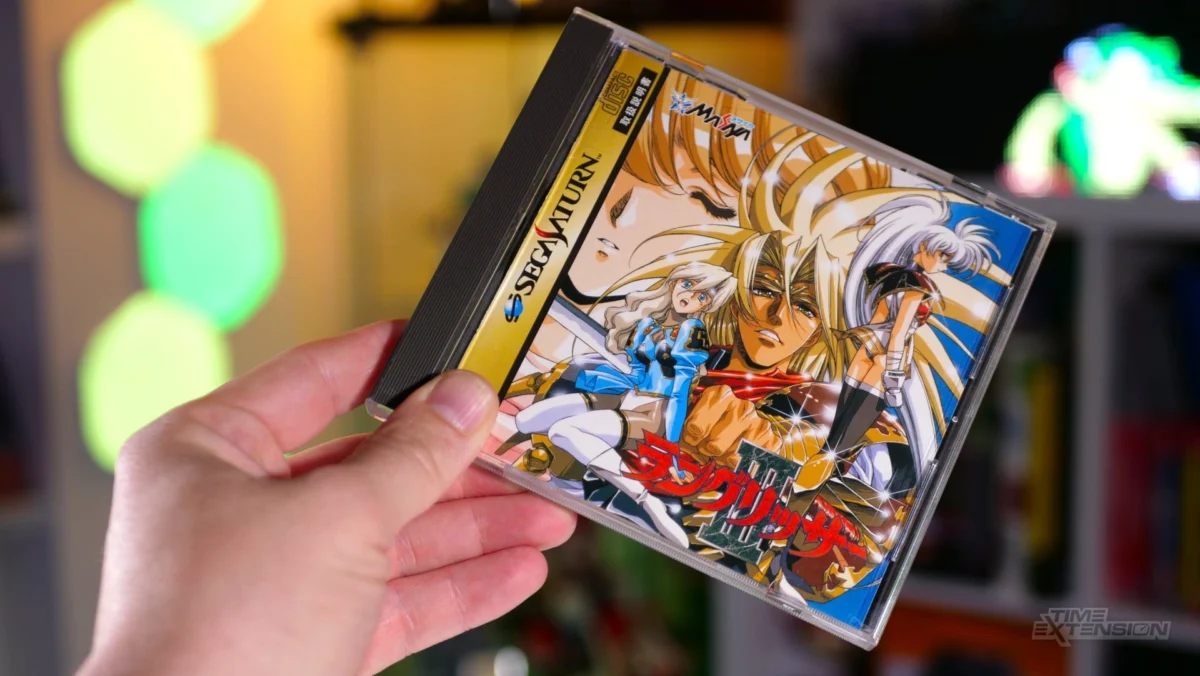
Released exclusively in Japan in 1996, Langrisser III marked a significant, albeit divisive, departure from its acclaimed predecessors within the venerable tactical role-playing game (TRPG) series. While the game itself navigated a complex reception due to radical gameplay shifts, its physical presentation for the Sega Saturn platform stood out as a testament to the era’s appreciation for elaborate packaging, transforming a potentially controversial entry into a collector’s item through sheer artistic merit and premium production values.
The Langrisser Legacy: A Series in Evolution
The Langrisser series, known in the West initially as Warsong (the localized title for Langrisser I), carved a niche for itself in the tactical RPG genre through its unique commander-and-unit combat system, engaging narratives, and distinctive character designs. Developed by Career Soft and originally published by Masaya, the series quickly gained a dedicated following, particularly with the critical success of Langrisser II. These early installments established a formula that combined strategic depth with compelling fantasy lore, setting high expectations for any subsequent entry.
By the mid-1990s, the video game industry was undergoing a dramatic transition, moving from cartridge-based systems to CD-ROM consoles like the Sega Saturn and Sony PlayStation. This shift offered developers unprecedented storage capacity, enabling richer narratives, full-motion video (FMV) sequences, and higher-fidelity audio. For Langrisser III, this technological leap presented an opportunity to reimagine the series for a new generation, leveraging the enhanced graphical and storage capabilities of the Sega Saturn. The game aimed to immerse players further into its world, moving beyond the pixelated sprites of its 16-bit origins to embrace the more detailed visuals and cinematic potential of 32-bit hardware.
Leveraging the Sega Saturn’s Power and Artistic Vision
Upon its release, Langrisser III immediately showcased the Sega Saturn’s increased power. The console, while often overshadowed by the PlayStation in raw 3D processing, was renowned for its strong 2D capabilities and its ability to handle intricate sprite work and elaborate FMV sequences. Langrisser III capitalized on these strengths, presenting a visually striking experience with fluid animations and extensive cinematic cutscenes that were a significant upgrade from earlier titles. These FMV segments, interspersed throughout the gameplay, provided a more dynamic and engaging narrative presentation, a hallmark of 32-bit era Japanese RPGs.
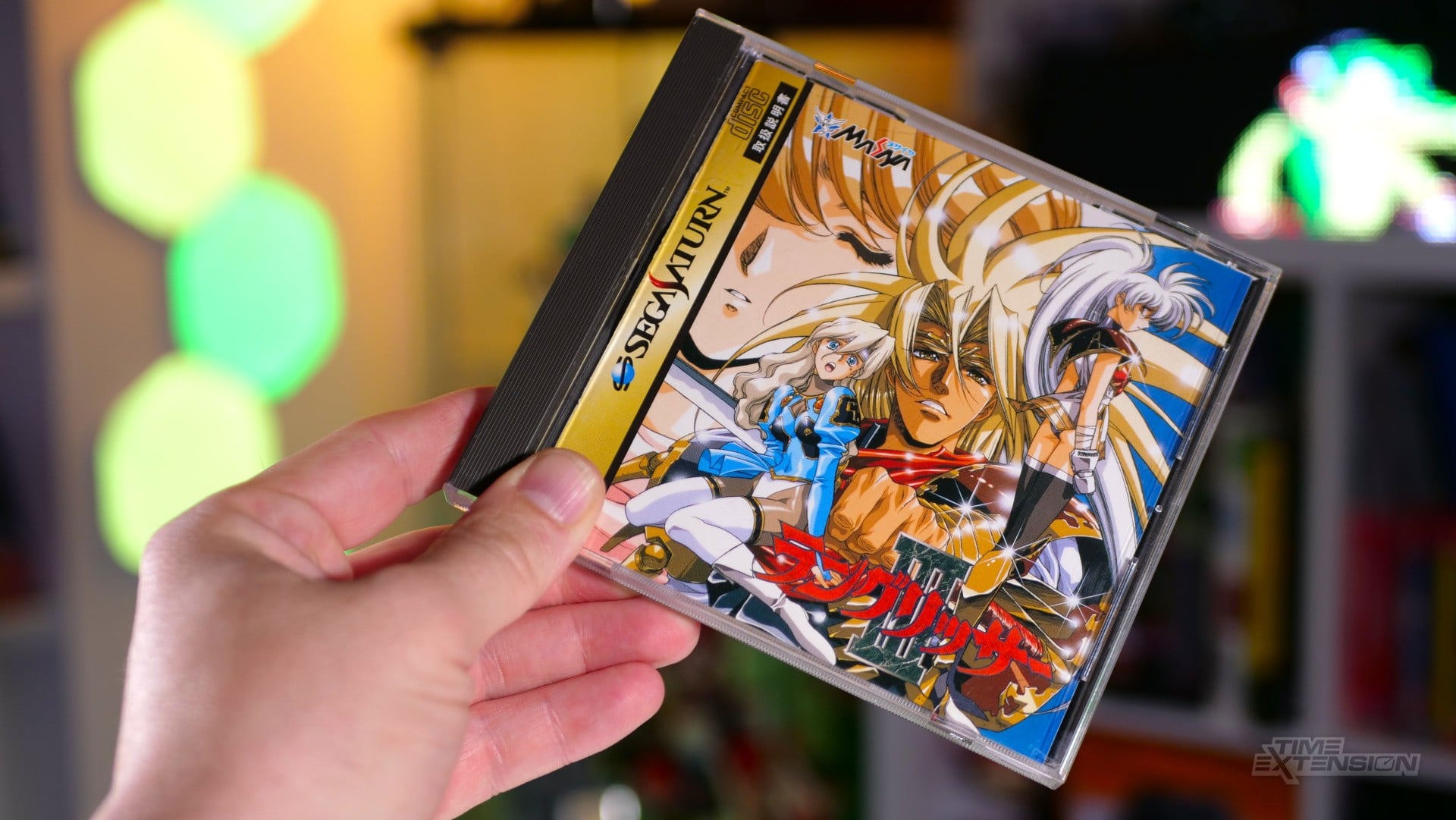
A cornerstone of the Langrisser series’ enduring appeal has always been its distinctive character artwork, and Langrisser III continued this tradition with the return of Satoshi Urushihara. Often recognized for his unique aesthetic, Urushihara’s style is characterized by highly detailed, expressive, and often voluptuous female character designs. His artwork for Langrisser III was no exception, featuring vibrant colors, intricate costuming, and dynamic poses that imbued each character with a strong personality. This artistic consistency provided a visual anchor for fans, even as other aspects of the game underwent significant changes. Urushihara’s contributions were not merely cosmetic; they defined the visual identity of the series, making it instantly recognizable and contributing significantly to its overall brand appeal. His designs were a major draw for many players, underscoring the importance of character aesthetics in Japanese gaming culture.
A Radical Shift in Gameplay Mechanics
While Langrisser III impressed visually, its most contentious aspect lay in its "wholesale changes" to the battle mechanics. The first two Langrisser games were praised for their grid-based, turn-based tactical combat where commanders led small groups of units, and strategic positioning and unit composition were paramount. Langrisser III, however, introduced a real-time element and a more free-form battle system that departed significantly from its predecessors. This shift aimed to modernize the gameplay, perhaps in response to evolving genre trends or to better utilize the capabilities of the 32-bit hardware.
The new system allowed for more fluid movement and a less rigid approach to combat, but it also alienated some long-time fans who cherished the precise, calculated strategy of the earlier games. The removal of the traditional grid, coupled with changes to unit management and command structures, led to a perception among some critics and players that the game had sacrificed strategic depth for action-oriented immediacy. This was a common challenge for many franchises transitioning to 3D, as developers grappled with adapting established 2D gameplay paradigms to new technological capabilities. While the developers, Career Soft, likely intended to innovate and broaden the series’ appeal, the resulting gameplay changes were met with mixed reactions, contributing to Langrisser III‘s reputation as a weaker installment in an otherwise critically acclaimed lineage.
The Premium Physical Presentation: Beyond the Game Disc
Despite the internal debate surrounding its gameplay, the physical packaging of Langrisser III was unequivocally a premium offering that captivated collectors and fans alike. In an era where physical media reigned supreme and digital distribution was still decades away, the tactile experience of purchasing and owning a game was an integral part of its appeal. Publishers often invested heavily in elaborate packaging to differentiate their products and enhance perceived value, and Langrisser III exemplified this trend.
For starters, the game featured a striking lenticular cover. A lenticular print is a specialized printing technology that gives the illusion of depth or movement when viewed from different angles. This advanced printing technique was a relatively expensive and visually impressive feature for a game case in 1996, immediately catching the eye and conveying a sense of luxury. The cover art, undoubtedly showcasing Urushihara’s stunning character designs, would shift and animate as the owner tilted the jewel case, offering a dynamic preview of the game’s aesthetic prowess before even opening it.
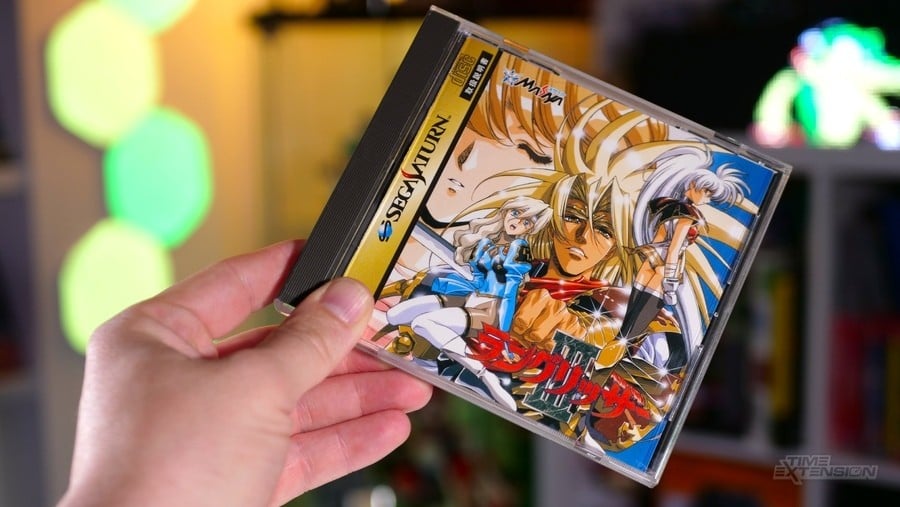
Adding to the premium feel, Langrisser III was housed in a slightly thicker CD jewel case than standard releases. This wasn’t merely for aesthetic bulk; it accommodated a second, supplementary manual. While the primary manual provided essential gameplay instructions, character profiles, and story context, the additional booklet offered deeper insights, specifically detailing the vocal talent behind the game’s characters. This inclusion was significant for several reasons: it highlighted the burgeoning importance of voice acting in console games, allowed players to connect with the professional actors bringing their favorite characters to life, and further emphasized the game’s cinematic aspirations. For fans, this extra content transformed the packaging from a mere container into a collectible artifact, enriching the overall ownership experience.
This meticulous attention to physical detail resonated strongly with consumers. In a market where numerous titles vied for attention, such premium packaging acted as a powerful differentiator. It transformed the purchase from a simple transaction into an acquisition of a piece of art and a collector’s item, ensuring that even if the gameplay mechanics proved divisive, the aesthetic and material value of Langrisser III remained undeniable. This approach underscored a prevailing philosophy in Japanese game publishing: that the entire product, from its disc to its documentation, contributed to the overall perceived quality and desirability.
Bridging the Language Barrier: The Role of Fan Translations
For decades, Langrisser III‘s impact beyond Japan remained largely limited due to its exclusive Japanese release. The formidable language barrier prevented a vast global audience from experiencing its story, appreciating its characters, or evaluating its controversial gameplay shifts firsthand. This scenario was common for many Japanese RPGs of the 1990s, where localization efforts for niche titles were often deemed too costly or time-consuming for Western markets.
However, the advent of the internet and the passionate dedication of fan communities have revolutionized access to such historically inaccessible titles. Fan translations, born out of a desire to share and preserve gaming history, have become a vital bridge between cultures and languages. These grassroots efforts involve dedicated teams reverse-engineering game code, extracting text and graphics, translating dialogue, and re-inserting the localized content, often over many years.
The case of Langrisser III is a prime example of this phenomenon. It was noted that "the game has only very recently received a decent English translation," a project that reportedly spanned "25 years after it began." This timeline underscores the immense dedication, technical skill, and collaborative spirit required for such an undertaking. The completion of this fan translation, decades after the game’s original release, is a momentous event. It allows a new generation of players, as well as long-time Western fans of the Langrisser series, to finally delve into Langrisser III‘s narrative, understand its character dynamics, and critically assess its gameplay innovations without relying on fragmented guides or machine translations. This accessibility is crucial for a comprehensive retrospective analysis of the game’s place within the series and its broader historical context.
Retrospective Analysis and Legacy
When viewed through the lens of history, Langrisser III‘s position within its celebrated lineage remains complex. Critically, it is often cited as one of the weaker installments, primarily due to the divisive reception of its gameplay mechanics. However, its visual splendor, particularly the character artwork by Satoshi Urushihara, and its exquisite physical packaging undeniably elevated its status. Even if players found the new battle system less engaging than its predecessors, the sheer artistry and premium presentation ensured that Langrisser III held a significant place on collectors’ shelves.
The game serves as an important case study in the multifaceted nature of a product’s appeal. While core gameplay is often considered paramount, elements such as artistic direction, narrative depth, and even physical presentation can significantly influence a title’s perceived value and longevity. For Langrisser III, the artistic vision and the luxurious packaging acted as a counterweight to its gameplay controversies, contributing to its enduring recognition, if not always for the right reasons.
The long-awaited fan translation further solidifies Langrisser III‘s legacy, transforming it from a niche Japanese curiosity into a more widely accessible piece of gaming history. It allows for a more complete understanding of Career Soft’s ambitious, albeit flawed, attempt to evolve the Langrisser formula for the 32-bit era. This renewed accessibility facilitates a deeper appreciation for the game’s narrative and characters, and provides context for the subsequent directions the series would take.
In conclusion, Langrisser III on the Sega Saturn stands as a fascinating artifact of the mid-90s gaming landscape. It embodies the era’s technological aspirations, the challenges of evolving beloved franchises, and the profound impact of artistic vision and premium physical presentation. While its gameplay innovations sparked debate, the stunning artwork of Satoshi Urushihara and the luxurious details of its packaging ensured its place as a visually remarkable and collectible entry, demonstrating that sometimes, the packaging can indeed play a pivotal role in selling the game and securing its enduring appeal.