 Cecilia Chamidah Nur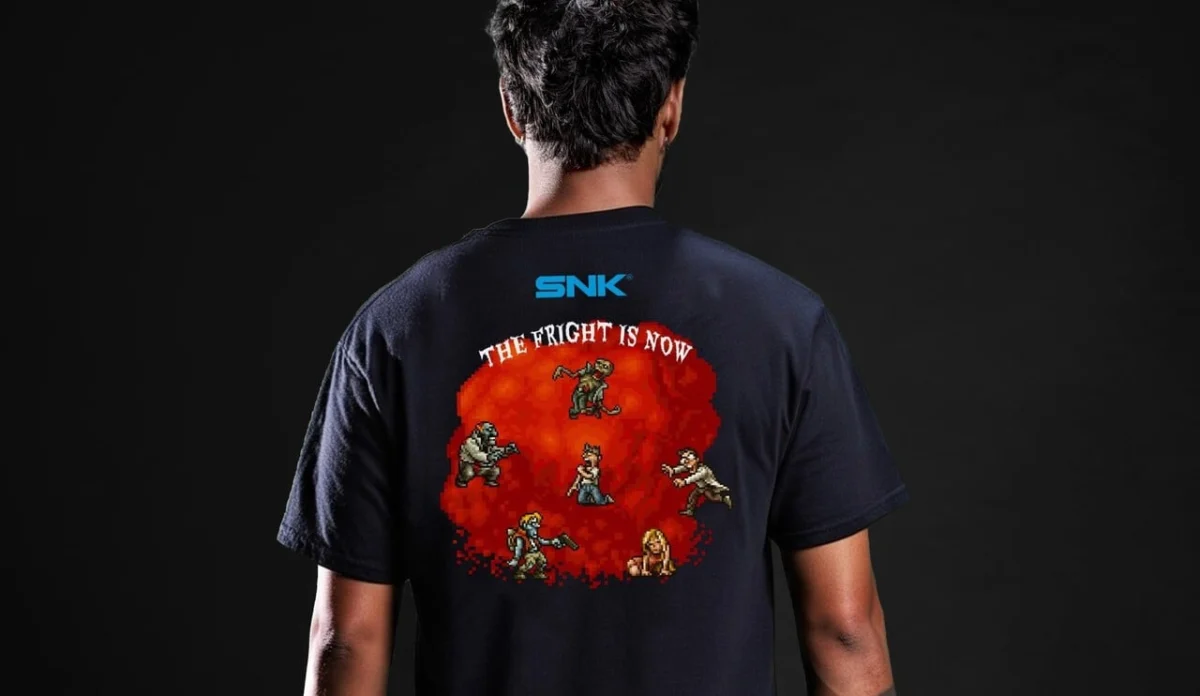
The Origins of a Cult Classic
Metal Slug 3, originally released by SNK for the Neo Geo arcade hardware in the year 2000, is widely regarded as the pinnacle of the series. Developed by Nazca Corporation, the title refined the frantic, pixel-art-heavy combat that defined the franchise. One of the most memorable sequences in the game occurs during the second mission, where players find themselves navigating a derelict, horror-themed environment infested with undead enemies.
In this stage, the gameplay dynamic shifts significantly; should a player character come into contact with the roaming zombies, they are promptly transformed into one themselves. This transformation not only alters the player’s movement speed and attack capabilities—specifically replacing the standard high-caliber weaponry with a slow-moving, high-damage projectile vomit attack—but also serves as a permanent reminder of the game’s penchant for dark, tongue-in-cheek humor. It is this specific intersection of retro gaming nostalgia and macabre design that serves as the foundation for Kumagumi’s new clothing line.
Apparel Details and Design Specifications
The collection features two distinct shirt designs, both of which incorporate a heavy emphasis on "splatter" art styles to mirror the visceral nature of the Metal Slug 3 zombie sequence. The first design highlights a "zombie Tarma" iteration, featuring the iconic protagonist Tarma Roving in his undead form. The garment utilizes high-resolution screen printing to capture the intricate sprite work that SNK became famous for during the late 1990s and early 2000s.
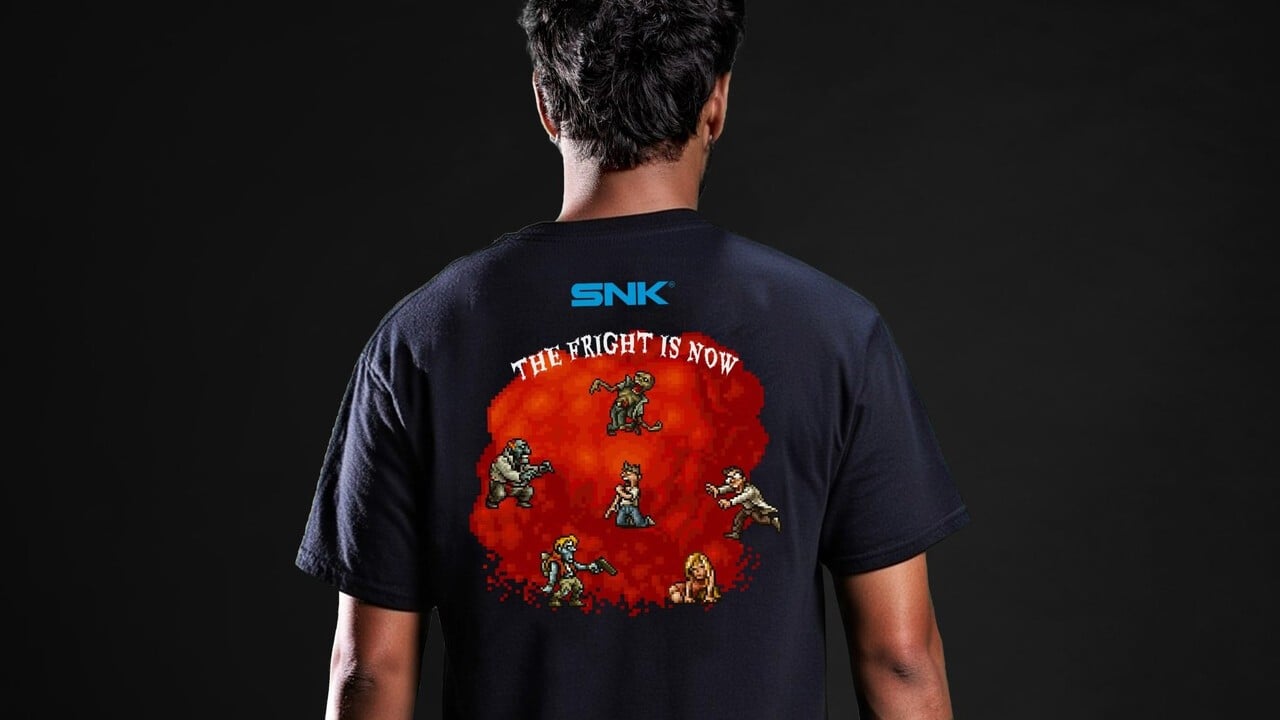
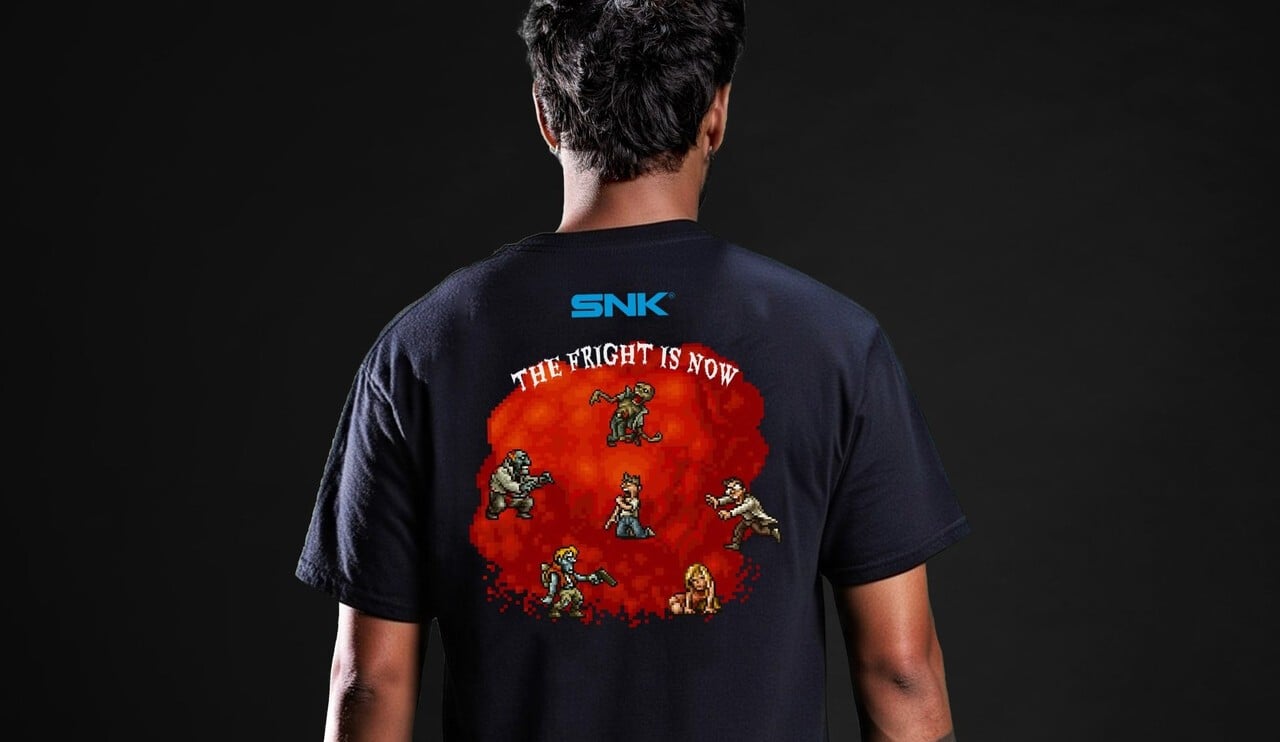
The second garment focuses on the introductory title card of the level, featuring the text "Mission 2 Start" prominently displayed on the front. To maintain thematic consistency with the Halloween release, the reverse side of the shirt features the phrase "The fright is now." This is a deliberate, stylized play on the classic SNK arcade tagline "The mission is now," which has appeared throughout the series’ history. By subverting this well-known slogan, Kumagumi aims to appeal to long-time franchise enthusiasts who appreciate the brand’s commitment to the source material’s established iconography.
The Evolution of Gaming-Inspired Fashion
The collaboration between Kumagumi and the Metal Slug franchise reflects a broader trend in the fashion industry, where "nerd culture" and retro gaming nostalgia have moved from niche subcultures to mainstream commercial ventures. According to recent market analysis, the global licensed apparel market has seen a consistent uptick in demand for vintage gaming IP. Apparel manufacturers are increasingly moving away from simple logo-based merchandise, opting instead for deep-cut references that require a high level of brand literacy from the consumer.
For Metal Slug, which celebrated its 30th anniversary recently, this shift is particularly significant. The franchise, which debuted in 1996, has maintained a robust community despite long periods of dormancy between major entries. By focusing on specific, granular details—such as the specific zombie transformation mechanic—manufacturers are able to leverage the high engagement levels of legacy fanbases. This strategy not only drives sales but also reinforces the historical significance of the Neo Geo era, a period often cited by historians as the "Golden Age" of 2D arcade development.
Chronology of Metal Slug’s Legacy
The Metal Slug series has maintained a consistent trajectory of influence since its inception. A brief look at the franchise’s history explains the enduring appeal of these specific designs:
- 1996: The original Metal Slug is released, setting the standard for fluid, hand-drawn animation in run-and-gun titles.
- 1998: Metal Slug 2 introduces new playable characters and a more diverse range of enemy types, expanding the narrative scope.
- 2000: Metal Slug 3 is released, introducing the branching paths and the infamous zombie horror level that serves as the inspiration for the current Kumagumi collection.
- 2003–2009: The series expands to home consoles and portable devices, cementing its status as a multi-generational staple.
- 2026: In recognition of the 30-year milestone, renewed interest in the franchise leads to high-profile merchandise collaborations, including the current Halloween-themed apparel.
Industry Implications and Market Strategy
The decision to launch this collection specifically for the Halloween season is a calculated move in seasonal retail. By framing a 24-year-old game level as a "horror" aesthetic, Kumagumi is effectively broadening the reach of the brand beyond the traditional gaming demographic. This cross-pollination of genres—gaming and seasonal horror—is a proven tactic in apparel retail. It allows a brand to participate in the "spooky season" festivities without relying on generic horror tropes, instead utilizing a specific, identifiable aesthetic that resonates with fans.
Furthermore, the choice of using "The fright is now" as a subverted slogan demonstrates a sophisticated understanding of brand identity. In the world of intellectual property licensing, modifying a trademarked phrase requires careful coordination with the rights holder—in this case, SNK. This indicates a high level of cooperation between the clothing firm and the original developers, suggesting that the current licensing environment is becoming increasingly flexible and creative.
Analysis of the Consumer Response
Early reactions from the gaming community, observed across various social media platforms and digital forums, suggest a positive reception to the collection. The inclusion of the "zombie Tarma" design has been specifically noted by collectors as a standout, given that secondary characters often receive less attention in official merchandise compared to the series’ mascot, Marco Rossi.
From an economic perspective, the scarcity of such specialized, high-quality merchandise often drives secondary market value. While Kumagumi has not released production numbers, the niche nature of the designs suggests a limited-run strategy. For collectors, this adds a layer of exclusivity that justifies the price point of specialized licensed apparel. Analysts suggest that if this collection performs well, it may pave the way for further "deep-cut" releases, focusing on other obscure levels or hidden mechanics from the broader SNK library.
Broader Cultural Significance
The persistence of Metal Slug in the modern cultural zeitgeist is a testament to the quality of its original development. At a time when 3D graphics were the industry priority, SNK’s commitment to high-fidelity, hand-drawn 2D animation resulted in a visual style that remains timeless. Unlike early 3D games, which often suffer from aging visual fidelity, Metal Slug’s aesthetic remains as vibrant today as it was in the year 2000.
By wearing these designs, consumers are essentially engaging in a form of cultural curation. The "Mission 2 Start" shirt serves as a badge of honor for those who navigated the punishing difficulty of the Neo Geo era. It represents an acknowledgment of the technical prowess of the original developers and the emotional connection players formed with the game’s unforgiving, yet rewarding, design philosophy.
Conclusion and Future Outlook
As the gaming industry continues to look backward for inspiration, the collaboration between Kumagumi and the Metal Slug franchise serves as a blueprint for how to handle legacy intellectual property with respect and creative flair. By avoiding the pitfalls of generic branding and instead opting for thematic, lore-accurate designs, the collection succeeds in satisfying the needs of a demanding, nostalgia-driven market.
The full collection is currently available through the official Kumagumi digital storefront. As the Halloween season approaches, the intersection of horror-themed gaming apparel and traditional retail is likely to see further expansion. For fans of the series, this latest release provides a rare opportunity to wear a piece of arcade history, blending the high-octane action of the 1990s with the seasonal traditions of the present day. Whether the intent is to commemorate a favorite gaming memory or simply to participate in the Halloween aesthetic, the collection stands as a significant marker in the ongoing longevity of one of gaming’s most cherished titles.