 Vera Clarissa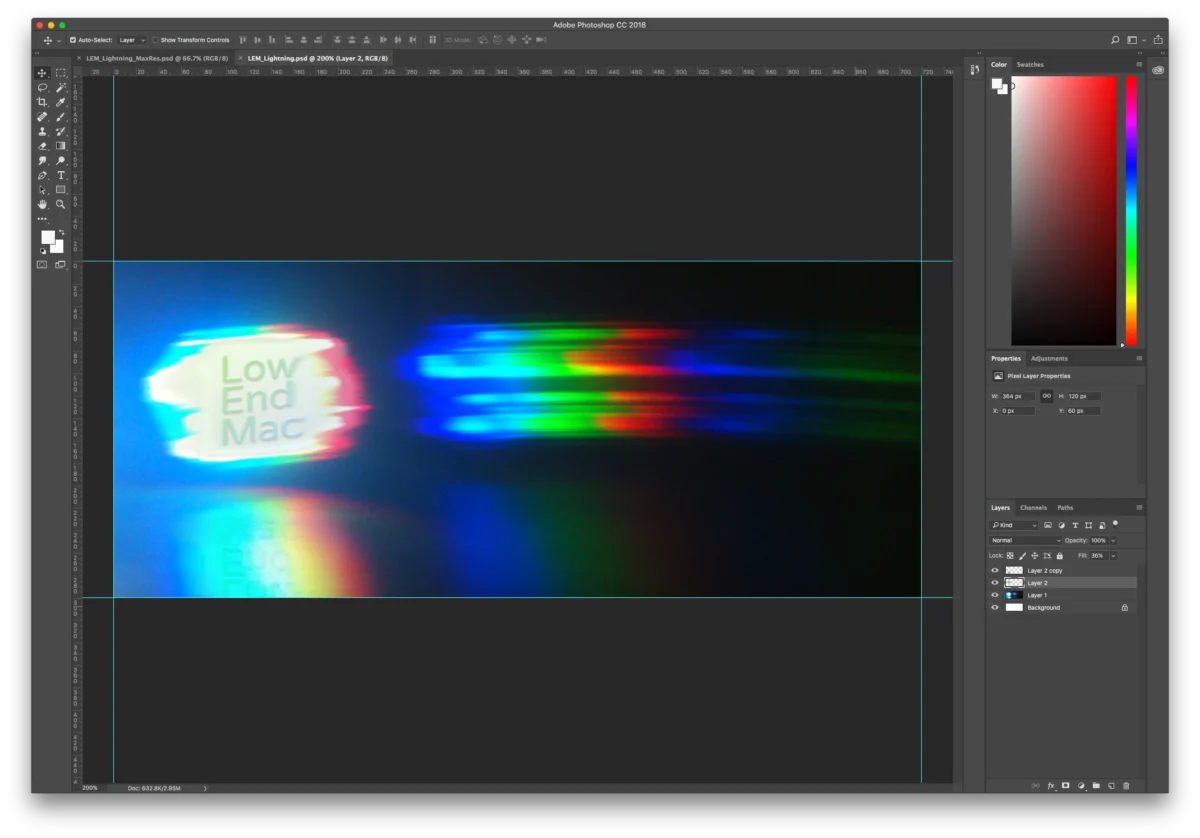
The exploration of light through optical diffraction represents a intersection of physics and creative digital artistry, a practice that has evolved from simple curiosity into a sophisticated method of graphic design. By utilizing a color diffraction grating—a component typically reserved for spectral analysis and laboratory light study—creators are increasingly repurposing consumer-grade hardware, such as legacy smartphone cameras, to manipulate light into art. This process, which began as a casual experiment with an iPhone 3Gs, demonstrates how the principles of wave interference can be harnessed to create complex visual assets without the need for high-end optical equipment or expensive studio lighting setups.
The Physics of Diffraction and Consumer Hardware
At its core, a diffraction grating is an optical component with a periodic structure that splits and diffracts light into several beams traveling in different directions. These beams, often appearing as a rainbow of colors, are the result of the constructive interference of light waves. When a standard LED flashlight or a halogen lamp is passed through such a grating, the resulting light profile is not merely a bright point, but a spectrum defined by the grating’s groove density.

The experiment conducted by researchers and artists in this field highlights a transition from observational science to aesthetic application. While the iPhone 3Gs, a device released in 2009, was limited by modern standards in terms of sensor resolution and dynamic range, its camera proved capable of capturing the intricate spectral signatures produced by diffraction. By positioning the grating directly in front of the lens, the light source is effectively "deconstructed" into its constituent wavelengths. This phenomenon provides a foundation for high-contrast photography that relies on the physical properties of light rather than software-based color grading or synthetic filters.
Chronology of Experimental Development
The progression of these experiments followed a logical sequence, moving from uncontrolled ambient environments to precise, dark-room setups. Initial tests involved pointing the camera directly at the sun. This proved to be an exercise in frustration; the overwhelming intensity of solar radiation resulted in lens flare and sensor blooming, which obscured the delicate diffraction patterns. While the results were visually striking, they lacked the clarity required for purposeful artistic composition.
The shift toward artificial light sources marked a significant turning point in the project’s timeline. In late 2025, the utilization of a bright yellow halogen light source provided a more stable and consistent spectrum. Unlike the broad-spectrum white light of the sun, the halogen bulb offered a warm, radiant light that behaved more predictably when passing through the grating. This series of photos eventually served as the basis for desktop wallpapers for Low End Mac, marking the first time these experimental captures were moved from a private test file to a public-facing digital asset.

By mid-2026, the focus shifted to LED light sources. LEDs are monochromatic or narrow-spectrum in comparison to halogen bulbs, creating distinct, sharp-edged "light comets" when diffracted. The lack of ambient light in these controlled environments allowed for long-exposure techniques, resulting in crisp, defined streaks of light that could be manipulated in post-production.
Technical Methodology: From Light Capture to Digital Synthesis
The digital post-processing phase is where the captured spectral images are transformed into final graphical assets. The methodology relies on a strict non-destructive workflow to maintain the integrity of the captured light data. The process begins with the selection of a "blank" light orb—a central point of intensity that has been cleared of background noise or stray reflections.
Once the primary light source is isolated, the artist utilizes Adobe Photoshop to integrate branding elements. This involves a multi-step digital manipulation:

- Perspective Alignment: The logo or graphic element is skewed to match the trajectory of the light streak, ensuring the image appears as though it is physically embedded within the beam of light.
- Edge Manipulation: Utilizing the smudge tool, the edges of the inserted graphic are softened to mimic the natural dispersion of light as it passes through the grating, creating a seamless visual integration.
- Reflective Mirroring: To provide depth, a secondary, low-opacity version of the logo is mirrored below the light streak. This simulates a reflection on a polished surface, grounding the floating light element within a 3D space.
- Gradient Masking: A transparent-to-black gradient is applied as a final layer. This removes any unwanted room artifacts from the original photograph, leaving only the spectral streak and the synthesized logo.
This technique is notable for its lack of artificial color manipulation. Because the colors are produced by the physical diffraction of the light source, the final image retains a level of optical authenticity that digital color-shifting cannot replicate.
Supporting Data: Spectral Analysis in Photography
Data gathered from these experiments suggests that the quality of the "light comet" is directly proportional to the groove density of the diffraction grating. Gratings with 500 to 1,000 lines per millimeter (l/mm) provide the most aesthetically pleasing separation of colors when viewed through a smartphone lens. When utilizing an LED flashlight, the peaks in the spectrum correspond to the specific phosphor coating of the diode. White LEDs, which typically consist of a blue diode with a yellow phosphor coating, exhibit a distinct bimodal spectrum. This is visible in the captured photos as a prominent blue streak flanked by broader yellow and green diffractive bands.
The implications for digital design are significant. By mastering these physical variables, designers can generate custom "lens flare" effects that are mathematically accurate to the light source being used. This represents a more efficient and aesthetically superior alternative to stock lens flare overlays, which often suffer from repetitive patterns and unrealistic color rendering.

Official Perspectives and Industry Implications
While these methods are largely experimental, they mirror a growing trend in the design industry known as "analog-digital hybrid workflows." Experts in optical design note that as smartphone cameras continue to improve in dynamic range and sensor sensitivity, the ability to capture and manipulate light in real-time will become an essential skill for digital artists.
"The move away from purely software-generated effects toward capturing physical phenomena is a return to fundamental photography principles," says a source familiar with digital imaging workflows. "By using a diffraction grating, the artist is not just making a picture; they are recording a physical measurement of the light source itself. When that recording is then used as the base for a brand identity, it creates a unique visual language that is impossible to replicate with generic software filters."
Broader Impact and Future Outlook
The broader implications of this project extend to the field of desktop and mobile interface design. As users demand more high-fidelity, unique graphical content, the use of physical light capture offers a pathway to creating custom wallpapers and interface elements that feel organic and high-end.

Furthermore, the project demonstrates that high-quality visual results are not strictly contingent on the latest hardware. By leveraging the optical principles of diffraction, even legacy equipment like an iPhone 3Gs can produce images that meet contemporary standards of visual quality. This accessibility democratizes the creation of complex digital art, encouraging a wider demographic of designers to explore the physics of light.
As the project continues to evolve, future iterations are expected to incorporate more complex light sources, such as multi-colored laser arrays and variable-intensity strobe lighting. Each addition to the experimental lineup serves to expand the repository of available light effects, further cementing the role of physical optics in the digital age. The integration of these techniques into standard design practices signifies a shift toward a more nuanced understanding of how light, optics, and digital post-processing can converge to create compelling visual narratives. The successful synthesis of these elements proves that the most sophisticated digital effects are often those that start with the most basic, yet fundamental, laws of physics.