Indra Gunadi
The burgeoning retro gaming scene continues to demonstrate its vitality with the announcement of "A Retro Platformer," a new title developed by AllAloneGamez for the Nintendo Game Boy Color, slated for a 2026 release. This contemporary creation for a classic handheld console not only underscores the enduring appeal of vintage hardware but also introduces an innovative distribution strategy where the full ROM will be made publicly available only after the developer accrues sufficient community ratings and feedback. The game, categorized as a quick platformer with a short playtime, represents a fascinating intersection of nostalgia and modern indie development practices.
The Enduring Allure of the Game Boy Color and Retro Homebrew
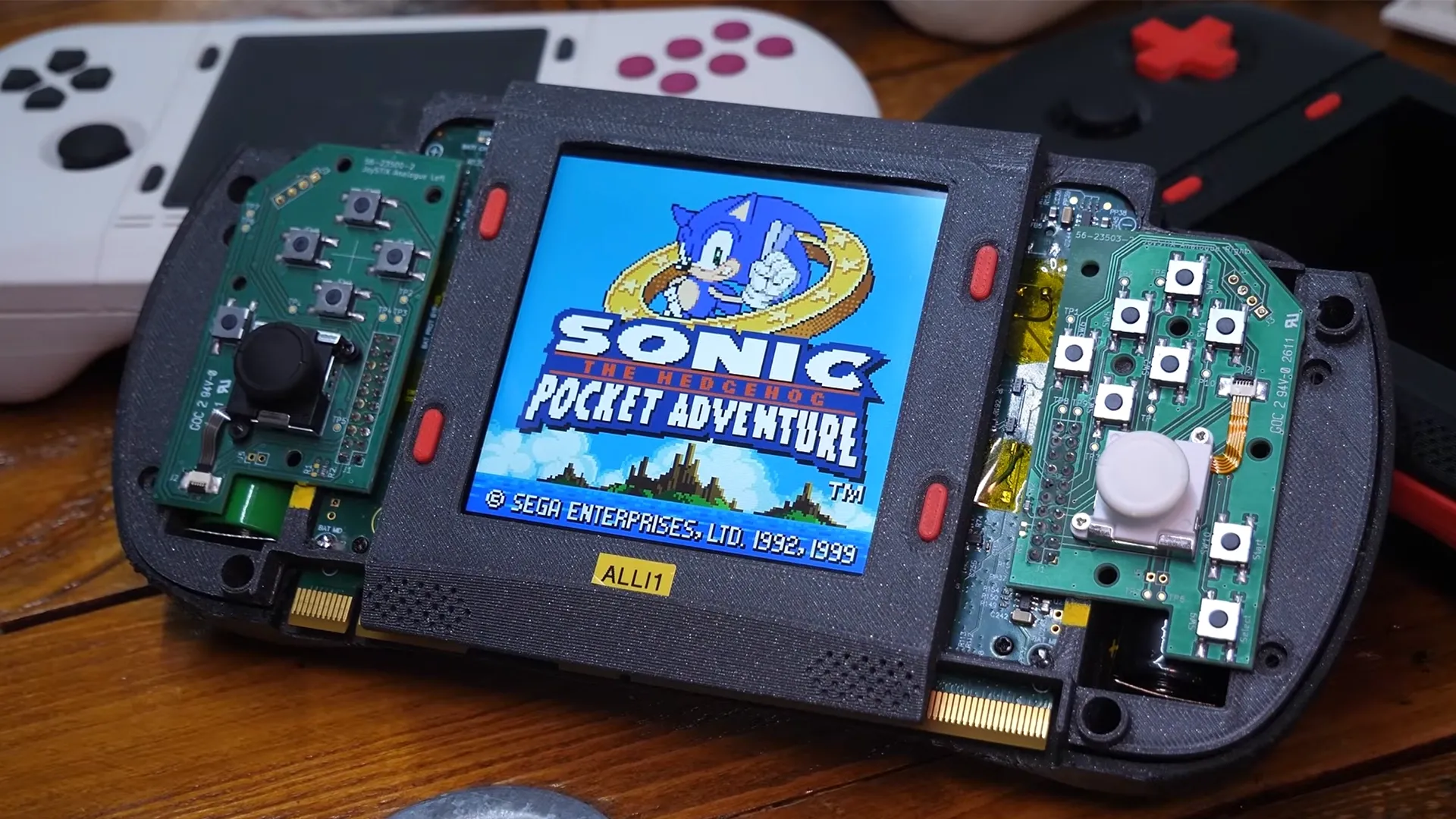
The Nintendo Game Boy Color, originally launched in Japan in October 1998, followed by North America and Europe, quickly became a global phenomenon, selling over 118 million units combined with its monochrome predecessor, the original Game Boy. Its 8-bit architecture, limited 56-color palette (out of 32,768), and a modest 160×144 pixel screen resolution were once considered cutting-edge for portable gaming. Today, these very limitations serve as a crucible for creativity, attracting independent developers like AllAloneGamez to craft new experiences within these established confines. The homebrew community, a vibrant ecosystem of developers, enthusiasts, and modders, has consistently pushed the boundaries of what these consoles can do, long after official manufacturer support ceased. This sustained interest is fueled by several factors: a deep sense of nostalgia for a formative era of gaming, the artistic challenge of working with retro hardware specifications, and a desire to preserve and expand the legacy of these iconic systems. For many, developing for the Game Boy Color is an exercise in pixel artistry and meticulous coding, requiring a profound understanding of the hardware’s intricacies to optimize performance and visual fidelity.
AllAloneGamez and the Rise of Independent Development on Niche Platforms
AllAloneGamez, presumably an independent or solo developer given the moniker and the nature of the project, exemplifies a growing trend in the gaming industry: the democratization of game creation. Platforms such as itch.io, where "A Retro Platformer" is hosted, have become crucial hubs for independent developers to showcase their work, gather feedback, and distribute their games without the traditional gatekeepers of publishers or major studios. This ecosystem thrives on passion projects, experimental designs, and a direct connection between creators and their audience. For developers choosing to work on retro platforms, the motivation often transcends commercial success. It’s frequently driven by a profound love for the hardware, a desire to hone their technical skills, and to contribute new content to a beloved console that shaped their own gaming experiences. "A Retro Platformer" is poised to join a distinguished lineage of modern homebrew titles that demonstrate the surprising longevity and adaptability of 8-bit and 16-bit systems, proving that innovation isn’t solely reserved for cutting-edge technology.
Game Design Philosophy: A Quick Platformer with Short Playtime
The description of "A Retro Platformer" as a "quick platformer with a short playtime" offers insights into its likely design philosophy. Retro platformers typically emphasize precise controls, challenging level design, and often a clear objective per stage. The "quick" aspect suggests fast-paced gameplay, potentially with an emphasis on reflexes and pattern recognition, characteristic of many classic titles from the late 1980s and early 1990s. The "short playtime" could imply several things: a highly replayable experience designed for speedrunning, a series of compact, self-contained levels, or a game that provides a satisfying, albeit brief, burst of entertainment. This design choice aligns well with the portable nature of the Game Boy Color, where games were often played in shorter bursts during commutes or breaks. It also taps into a modern sensibility for digestible content, offering a complete experience without demanding hundreds of hours, a stark contrast to many contemporary AAA titles. Developers often choose shorter playtimes for indie projects to manage scope, allowing for a polished experience within realistic development timelines. The artistic direction will almost certainly lean into pixel art, a natural fit for the Game Boy Color’s display, aiming to evoke nostalgia while potentially introducing fresh visual elements within the established aesthetic.
Innovative Distribution Model: Community-Driven Release
Perhaps the most distinctive aspect of "A Retro Platformer" is its unique distribution strategy: "The ROM is released to the public, once the author collected enough ratings and feedback." This model represents a blend of early access principles and community-centric development, adapted for the homebrew scene. In traditional early access, players pay for an unfinished game to support its development and provide input. Here, the incentive for early players is not just to experience the game but to actively participate in its journey towards a full public release.
This strategy offers several potential benefits for AllAloneGamez:
- Quality Assurance and Refinement: Early feedback from a dedicated community can identify bugs, suggest gameplay tweaks, and help refine the overall experience before a wider launch, leading to a more polished final product.
- Community Engagement and Hype Generation: Involving players directly in the development process fosters a strong sense of community and ownership, generating organic hype and word-of-mouth promotion.
- Validation and Motivation: Positive ratings and constructive feedback can serve as crucial validation for the developer, providing motivation to complete and optimize the game.
- Risk Mitigation: By gauging interest and quality early, the developer can assess the viability of a full public release, potentially iterating on the design if initial reactions are lukewarm.
This approach contrasts with the conventional "release-and-review" model, placing the community directly into the role of a collective quality control and marketing arm. It speaks to the collaborative spirit often found within the homebrew and independent gaming communities, where players are not just consumers but active participants in the creative process.
Technical Constraints and Creative Solutions
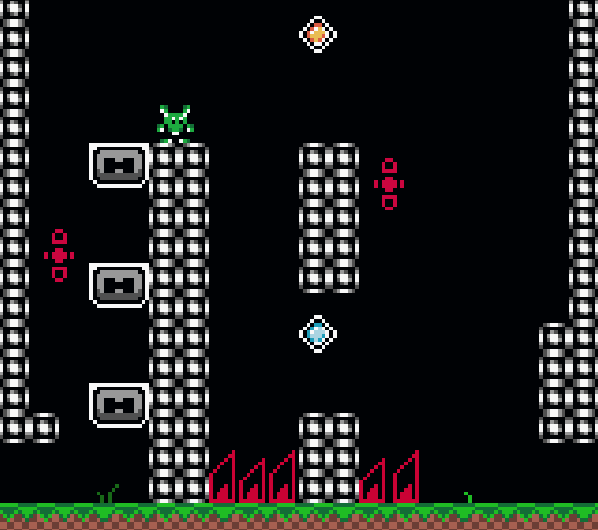
Developing for the Game Boy Color in 2026 means working within the same technical constraints that developers faced in the late 1990s, albeit with modern development tools and a wealth of accumulated knowledge. The GBC’s CPU, a Sharp LR35902 (a hybrid between the Z80 and Intel 8080), operates at a modest 4 or 8 MHz. Memory is also limited, typically 32 KB of Work RAM (WRAM) and 8 KB of Video RAM (VRAM), with cartridges often containing additional ROM and SRAM for saving game data. Sound is generated by a rudimentary PSG (Programmable Sound Generator) chip, offering four channels for various waveforms.
Overcoming these limitations requires ingenious programming and artistic decisions:
- Pixel Art Mastery: Artists must meticulously craft sprites and backgrounds, making every pixel count to convey detail and atmosphere within the low resolution.
- Efficient Code: Programmers must write highly optimized assembly or C code (often using the Game Boy Development Kit, GBDK) to ensure smooth performance and manage memory effectively.
- Clever Palette Usage: Maximizing the impact of the limited color palette often involves careful dithering and judicious color choices to create the illusion of more depth and vibrancy.
- Sound Design: Crafting memorable chiptune music and sound effects within the PSG’s capabilities is an art form in itself, often requiring composers to work like digital miniaturists.
The very act of developing for such constrained hardware is a statement against the often-bloated requirements of modern games, emphasizing skill and ingenuity over raw processing power.
The Retro Gaming Market and Community Ecosystem
The market for retro homebrew games is niche but incredibly passionate. It comprises several segments:
- Collectors: Those who acquire physical cartridges (often fan-made) or flash carts to play these new titles on original hardware.
- Retro Enthusiasts: Players who appreciate the aesthetic, challenge, and simplicity of older games.
- Speedrunners: The "quick platformer" nature of "A Retro Platformer" makes it potentially appealing to the speedrunning community, who thrive on optimizing routes and mastering game mechanics for fast completion times.
- Indie Game Fans: Players who seek out unique, artistic, or experimental games often found outside mainstream channels.
The rise of flash cartridges like the EverDrive GB X7 or EZ-Flash Omega has democratized access to these homebrew titles, allowing players to load ROM files onto an SD card and play them on their original Game Boy Color hardware. This bridges the gap between digital distribution and authentic hardware experience, a crucial factor for many retro purists. The digital distribution model on platforms like itch.io complements this, making the initial ROM accessible to anyone with an emulator or a flash cart.
Chronology of Game Boy Color Homebrew Development
- 1998: Nintendo Game Boy Color officially launches, beginning its commercial lifespan and inspiring a generation of developers and players.
- Early 2000s: Official support for the GBC wanes as the Game Boy Advance takes over. Early homebrew efforts begin, often driven by reverse engineering and hobbyist programming.
- 2010s: The homebrew scene gains momentum with improved development tools (e.g., GBDK updates), online communities, and the proliferation of affordable flash cartridges. Platforms like itch.io begin to gain prominence for indie developers.
- Mid-2010s to Present: A resurgence in retro gaming interest, driven by nostalgia, YouTube content creators, and the "indie boom," further energizes the homebrew community. Numerous new titles for GBC and other retro consoles are released annually.
- 2026: AllAloneGamez announces "A Retro Platformer," introducing its community-driven release model, marking a contemporary milestone in the ongoing saga of retro homebrew. This release continues to demonstrate that nearly three decades after its original launch, the Game Boy Color remains a viable and exciting platform for new game development.
Inferred Statements and Community Reception
While no direct statements from AllAloneGamez are available at this time, one could infer their motivations: "Our goal with ‘A Retro Platformer’ is to craft a loving homage to the classic Game Boy Color era, offering a distilled, engaging platforming experience. We believe that by involving the community directly in the feedback process, we can ensure the final ROM not only meets but exceeds the expectations of retro enthusiasts, creating a game that truly belongs to the players who helped shape it."
The retro gaming community is likely to respond with enthusiasm to such a project. Forums and social media channels dedicated to Game Boy homebrew would likely buzz with anticipation. Comments could range from excitement over new content for a beloved console ("It’s amazing how much life is still left in the GBC!") to discussions about the innovative distribution model ("This community-driven approach is a brilliant way to ensure quality and build hype"). Players would likely express eagerness to contribute feedback, eager to see their beloved platform continue to receive new, high-quality titles.
Broader Impact and Implications for the Future of Gaming
The development and release model of "A Retro Platformer" by AllAloneGamez holds several broader implications for the gaming industry and culture:
- Decentralization of Development: It reinforces the idea that compelling games can emerge from anywhere, developed by anyone, on any platform, challenging the traditional centralized model of game production.
- Value of Niche Markets: It highlights the economic and cultural viability of niche markets, demonstrating that dedicated communities can sustain creative endeavors long after mainstream attention has moved on. This encourages developers to pursue passion projects without necessarily targeting mass-market appeal.
- Community as Co-Creators: The community-driven release model blurs the lines between player and developer, fostering a more collaborative environment where player feedback is not just heard but directly influences the product’s final form. This could set a precedent for future indie and retro homebrew projects.
- Preservation and Evolution of Gaming History: Every new homebrew game for a retro console contributes to the preservation of that console’s legacy, showcasing its capabilities and expanding its software library. It demonstrates that gaming history is not static but continues to evolve with new creations.
- Sustainability of Retro Platforms: The continued release of high-quality homebrew titles ensures the long-term relevance and playability of classic hardware, encouraging new generations to discover and appreciate these systems.
In an industry increasingly dominated by high-fidelity graphics and expansive open worlds, "A Retro Platformer" serves as a poignant reminder of the enduring power of concise design, pixel art, and the foundational joy of platforming. Its unique distribution model further positions it as a significant case study in contemporary indie game development, proving that innovation can thrive in unexpected places, especially within the cherished confines of retro gaming.