Hartono Sudibyo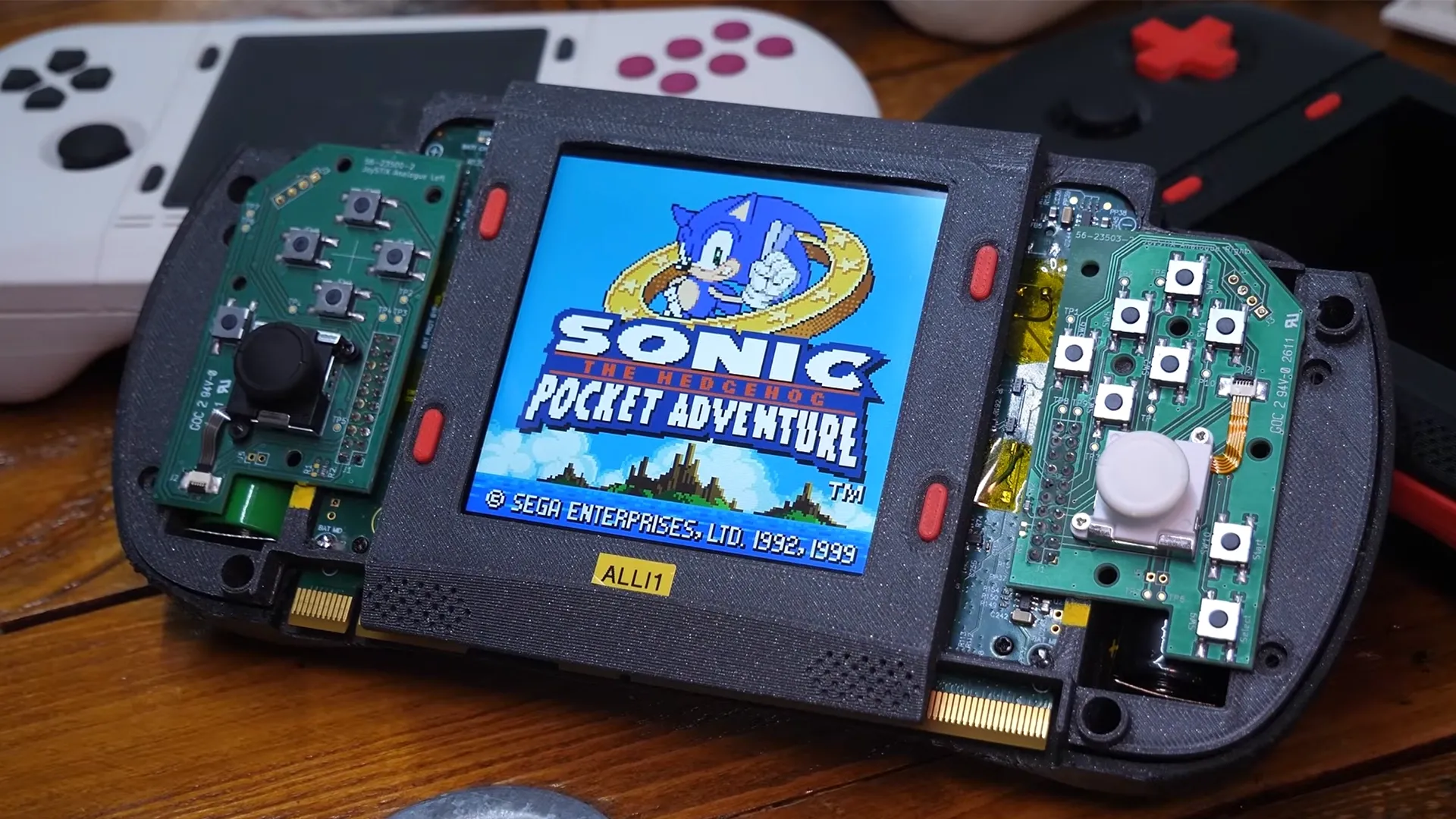
The landscape of portable retro gaming is undergoing a steady evolution, driven largely by advancements in Field Programmable Gate Array (FPGA) technology. Recently, UK-based museum and content collective The Retro Collective released a comprehensive update detailing the design and developmental trajectory of the Multisystem Pocket 2, an ambitious, independent MiSTer FPGA-based handheld console. While still in its prototyping phase, the project has reached a critical juncture with the finalization of its physical form factor and exterior layout. As the retro gaming community watches closely, the development team has signaled a targeted completion window toward the end of the year, though internal components and final pricing structures remain under wraps.
Background and Context of MiSTer FPGA Handhelds
To understand the significance of the Multisystem Pocket 2, one must examine the technological shift currently taking place within the emulation community. For years, portable retro gaming has been dominated by software-based emulation devices running on Android or Linux operating systems. While these devices are cost-effective and capable of running thousands of titles, they rely on software abstraction layers to translate code written for vintage hardware, which can occasionally introduce input lag, audio inaccuracies, or frame-pacing issues.
In contrast, FPGA technology allows hardware to be reconfigured at a silicon level to physically replicate the architecture of classic computer and console chips. The MiSTer FPGA project has become the gold standard for enthusiasts seeking hardware-accurate emulation, offering near-zero latency and cycle-accurate performance for systems ranging from the Nintendo Entertainment System and Game Boy to the Sega Mega Drive and Neo Geo. Bringing this sophisticated architecture into a portable handheld form factor has been a holy grail for hardware developers, though previous attempts have faced hurdles regarding power consumption, thermal management, and manufacturing costs.
Chronology of Development and Design Evolution
The journey toward the Multisystem Pocket 2 began several months ago when The Retro Collective first announced its intention to build a dedicated MiSTer handheld tailored for enthusiasts. The initial announcements generated substantial interest across retro gaming forums and enthusiast circles, establishing expectations for a robust device capable of handling complex FPGA cores on the go.
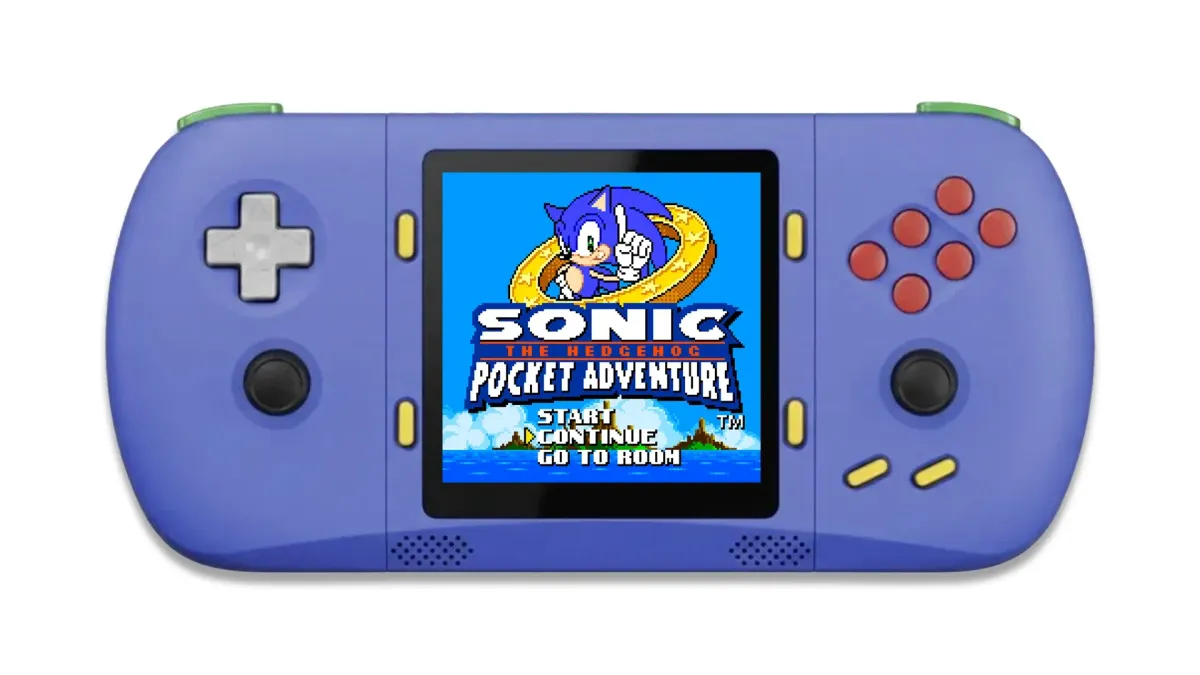
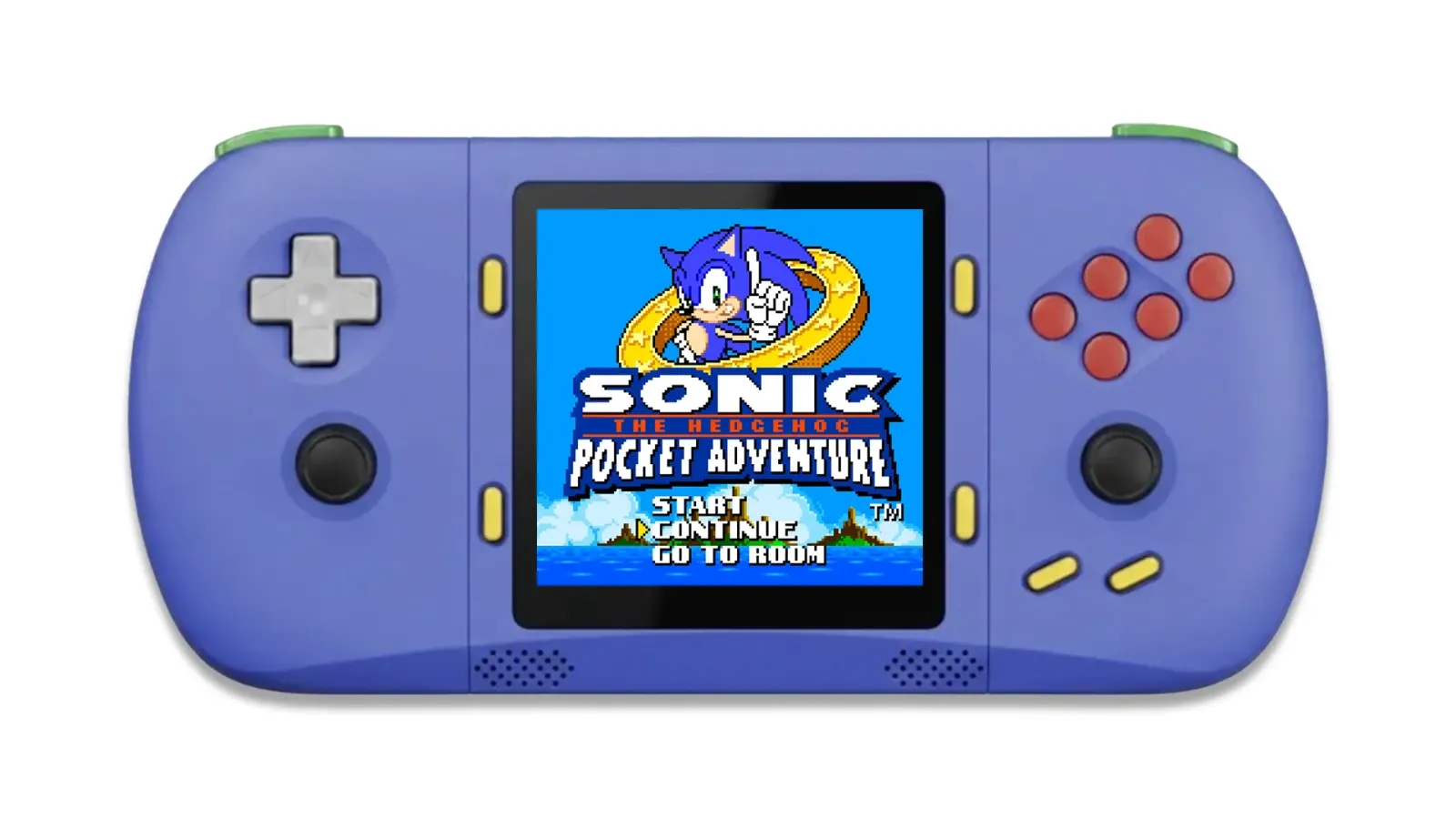
In the latest development milestone shared via an official project update video, the collective unveiled the finalized industrial design of the chassis. Drawing heavy aesthetic inspiration from classic 1990s hardware—specifically blending the chunky, ergonomic contours of the Sega Game Gear with the wide stance of the Atari Lynx—the prototype showcases a distinct departure from modern, minimalist handheld designs.

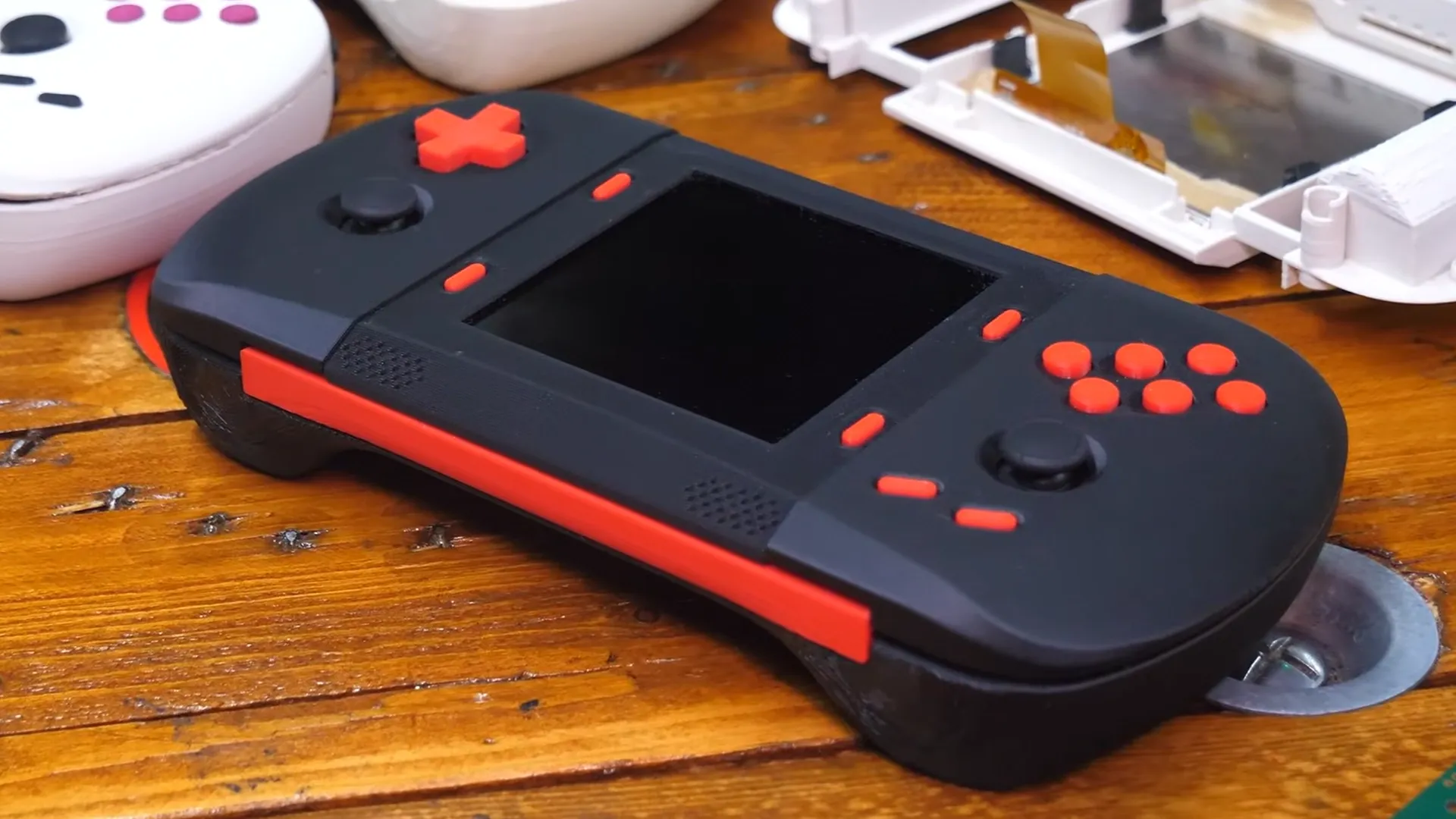
The current physical shell is produced via 3D printing for rapid prototyping and evaluation, featuring a distinct square display configuration, six action buttons, dual analog sticks, and four dedicated shoulder buttons. According to the development team, this layout is designed to accommodate a wide variety of retro platforms, ensuring that players can seamlessly transition from standard D-pad experiences to titles requiring dual-stick or multi-button inputs. The team has noted that while the outer casing design is locked in, the internal layout, power management systems, and final component selection remain subject to ongoing refinement.
Manufacturing Transition and Community Engagement
A major milestone for any independent hardware project is the transition from rapid prototyping to mass manufacturing methods. The Retro Collective has confirmed that once the internal architecture is fully optimized and tested, production units of the Multisystem Pocket 2 will transition from 3D-printed shells to precision injection-molded casings. This manufacturing shift will significantly improve structural integrity, surface finish, and long-term durability, elevating the device from a hobbyist prototype to a polished consumer product.
Uniquely, the development process has maintained a high degree of transparency. Rather than operating behind closed doors, The Retro Collective has actively solicited feedback from the retro gaming community regarding ergonomics, button placement, and feature sets. This collaborative approach allows the creators to fine-tune the hardware based on real-world testing from experienced handheld users before committing to costly injection-molding tooling.
Financial Projections and Market Positioning
As development presses forward toward its projected late-year completion date, official pricing details for the Multisystem Pocket 2 have not yet been disclosed. Industry observers note that unlike mass-produced consumer electronics manufactured by multinational corporations, boutique FPGA hardware built by small teams typically carries a higher price tag. The specialized nature of FPGA chips, combined with low-volume production runs and high-quality manufacturing processes, suggests that the device will occupy a premium segment of the retro gaming market.
Rather than competing with budget-friendly Linux emulators aimed at casual players, the Multisystem Pocket 2 is explicitly targeted at hardcore purists, collectors, and enthusiasts who prioritize hardware-level accuracy and are willing to invest in specialized gear.
Broader Impact and Technical Implications
The introduction of the Multisystem Pocket 2 highlights a growing niche within the broader video game industry: the demand for uncompromising hardware authenticity. While software emulation continues to advance through software updates and powerful mobile processors, the purist community remains dedicated to FPGA solutions that eliminate the variables of operating system overhead.
If The Retro Collective successfully brings the Multisystem Pocket 2 to market with its promised feature set and build quality, it could serve as a blueprint for future independent hardware developers looking to bridge the gap between desktop FPGA setups and portable gaming. As the final months of development unfold, the retro gaming community will be monitoring how the team tackles the remaining engineering challenges, particularly thermal management, battery life, and component sourcing, ahead of the anticipated launch window.