Indra Gunadi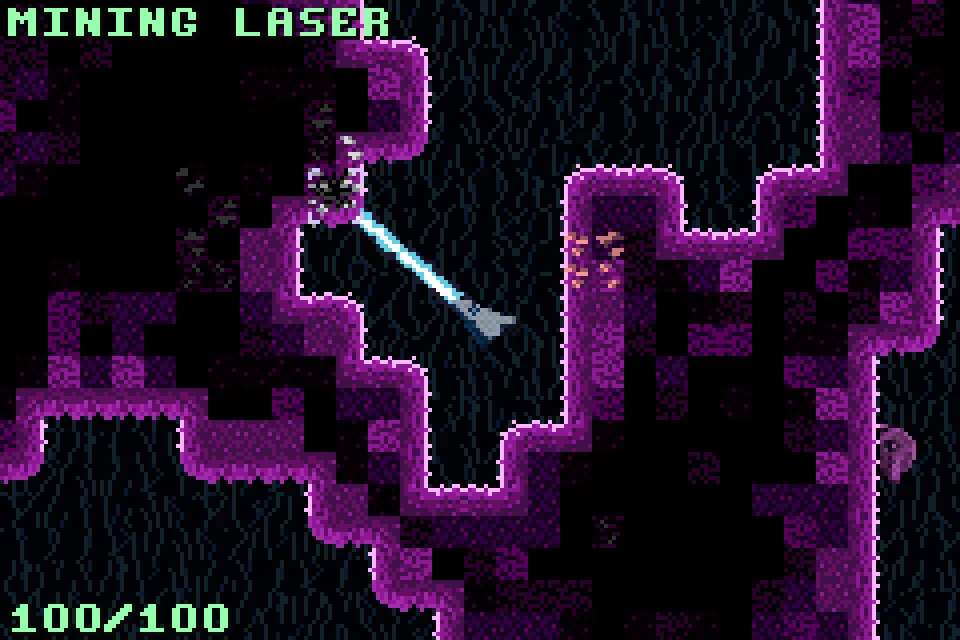
The landscape of homebrew software for the Nintendo Game Boy Advance continues to evolve, as evidenced by the September 15, 2026, release of xo89, a new title developed by the independent studio Nostabyte Interactive. The game, which blends resource management with arcade-style exploration, represents a sophisticated utilization of the GBA’s aging but versatile hardware. By leveraging modern development tools alongside traditional assembly and C-based programming techniques, Nostabyte Interactive has successfully delivered a title that challenges the technical limitations of a handheld console originally released in 2001.
Core Gameplay Mechanics and Narrative Framework
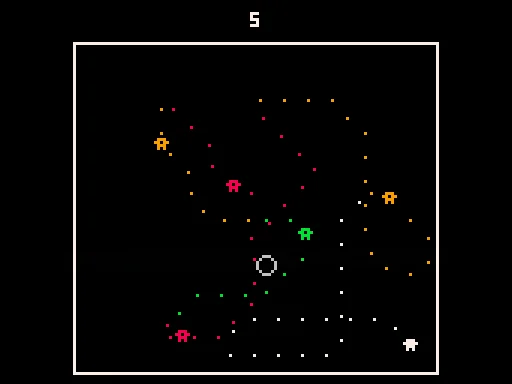
At its center, xo89 casts the player as a solitary pilot operating a mining drone within an alien orbital environment. The gameplay loop centers on a high-stakes cycle: carving into procedurally generated terrain to extract valuable resources, returning those assets to a base of operations, and subsequently upgrading the rig to delve deeper into more hazardous zones.
The integration of procedural generation is particularly notable for the GBA platform. While early 2000s titles often relied on static, pre-rendered maps due to memory constraints, the use of algorithms to create terrain in real-time demonstrates a significant advancement in homebrew optimization. Beyond the mining aspect, the game introduces tactical combat elements, featuring a rocket launcher system that provides both a defensive mechanism against potential environmental hazards and a means of navigating terrain more efficiently. This duality of focus—between the tedious, methodical nature of resource gathering and the chaotic, fast-paced combat—creates a distinct tension that defines the experience of xo89.
The Evolution of the GBA Homebrew Scene
To understand the significance of a 2026 release like xo89, one must look at the trajectory of the Game Boy Advance development community. Following the console’s discontinuation in 2008, the scene transitioned from simple "ROM hacks" to complex, original engine builds.
The timeline of GBA homebrew development can be categorized into three distinct eras:
- The Emulation Era (2002–2009): Primary focus was on porting existing titles or small modifications of original ROMs.
- The Library Expansion Era (2010–2019): Developers began creating original engines, such as those used for platformers and side-scrolling shooters, often utilizing open-source libraries like libgba.
- The Modern Optimization Era (2020–Present): A surge in professional-grade tools, including custom compilers and better memory management techniques, has allowed developers to push the GBA’s ARM7TDMI processor to its absolute limits, enabling features like procedural generation and advanced particle effects.
Nostabyte Interactive’s contribution arrives during this third era, benefiting from two decades of cumulative knowledge shared within developer forums and open-source repositories. The technical documentation available today for the GBA far exceeds what was available to developers during the console’s retail lifespan, allowing small teams to achieve visual and mechanical depth that was previously deemed impossible by the original hardware manufacturers.
Technical Specifications and Hardware Limitations
The GBA hardware, characterized by its 16.78 MHz 32-bit ARM7TDMI processor and 32 KB of internal Work RAM (plus 256 KB of external Work RAM), presents a narrow corridor for performance. The display resolution of 240×160 pixels, while iconic, forces developers to be incredibly efficient with sprite handling and tile-map rendering.
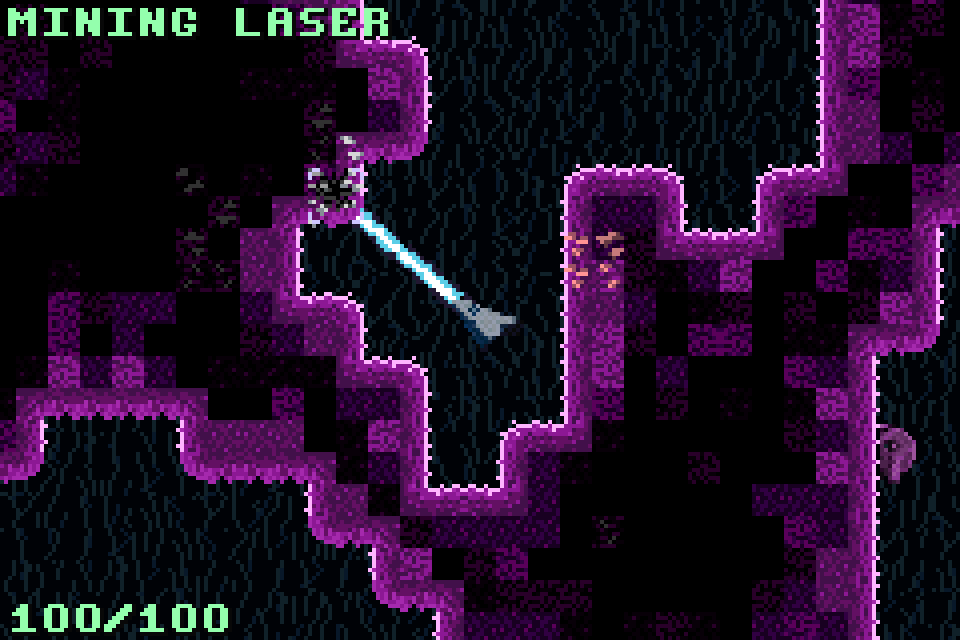
According to technical analysis of the xo89 build, the game utilizes a sophisticated tile-streaming engine to manage the procedurally generated terrain without exceeding the console’s limited RAM capacity. By dynamically swapping tile data in and out of video memory, the developer ensures that the frame rate remains stable even during intense combat sequences. This is a critical technical achievement; the GBA lacks a hardware-based floating-point unit, meaning all mathematical calculations for the procedural terrain must be handled via fixed-point arithmetic, requiring precise coding to prevent overflow errors or performance bottlenecks.
Market Context and Developer Perspective
While Nostabyte Interactive has not released an official financial statement, the choice to release xo89 via the itch.io platform highlights a growing trend among independent developers: the use of digital storefronts to bridge the gap between retro hardware and modern accessibility.
The developer, Nostabyte Interactive, has framed the project as an exploration of "minimalist efficiency." In a brief statement provided via their project page, the team noted that the primary goal of xo89 was to "prove that the limitations of a 25-year-old architecture can still serve as a fertile ground for emergent gameplay." By focusing on a tight feedback loop—mine, upgrade, defend—the developers have successfully minimized the need for complex narrative sequences or high-fidelity assets, which would otherwise strain the hardware’s 32 MB ROM limit.
Broader Implications for the Retro Gaming Ecosystem
The release of xo89 is more than just a nostalgic exercise; it represents the long-term sustainability of the Game Boy Advance as a platform. As retro gaming shifts from pure preservation to active development, the "lifespan" of hardware is being redefined. The GBA is no longer a dead console but a living medium, similar to how the Commodore 64 or the ZX Spectrum have maintained active development communities for decades.
This trend has several implications:
- Preservation through Creation: By creating new software, the community is forced to document hardware registers and timing quirks that were previously undocumented, ensuring that future emulators and FPGA implementations remain accurate.
- Economic Viability: The rise of physical cartridge production services, which allow developers to print small batches of homebrew games, has turned hobbyist projects into boutique consumer products. This incentivizes higher quality standards, as seen in the polished UI and balanced mechanics of xo89.
- Knowledge Transfer: The influx of younger developers into the GBA scene ensures that legacy programming languages like C and assembly remain relevant in modern education, fostering a cross-generational exchange of technical skills.
Conclusion: A New Chapter for the GBA
The launch of xo89 marks a notable moment in the 2026 gaming calendar. It exemplifies how independent studios are utilizing retro hardware not just to mimic the past, but to innovate within a constrained environment. By focusing on the mechanics of procedural generation and resource management, Nostabyte Interactive has provided a template for future developers to follow.
As the industry continues to move toward higher-fidelity experiences and cloud-based gaming, the continued dedication to the GBA serves as a reminder of the value of hardware-level optimization. The success of xo89 will likely encourage further exploration of the GBA’s hardware, potentially leading to even more complex titles in the coming years. For enthusiasts, the game is currently available through the developer’s official page, standing as a testament to the fact that, regardless of its age, the Game Boy Advance remains a robust and capable platform for modern game design. The project serves as a compelling bridge between the ingenuity of early 21st-century portable gaming and the technical proficiency of today’s independent developer landscape.