Retno Hari Mulyono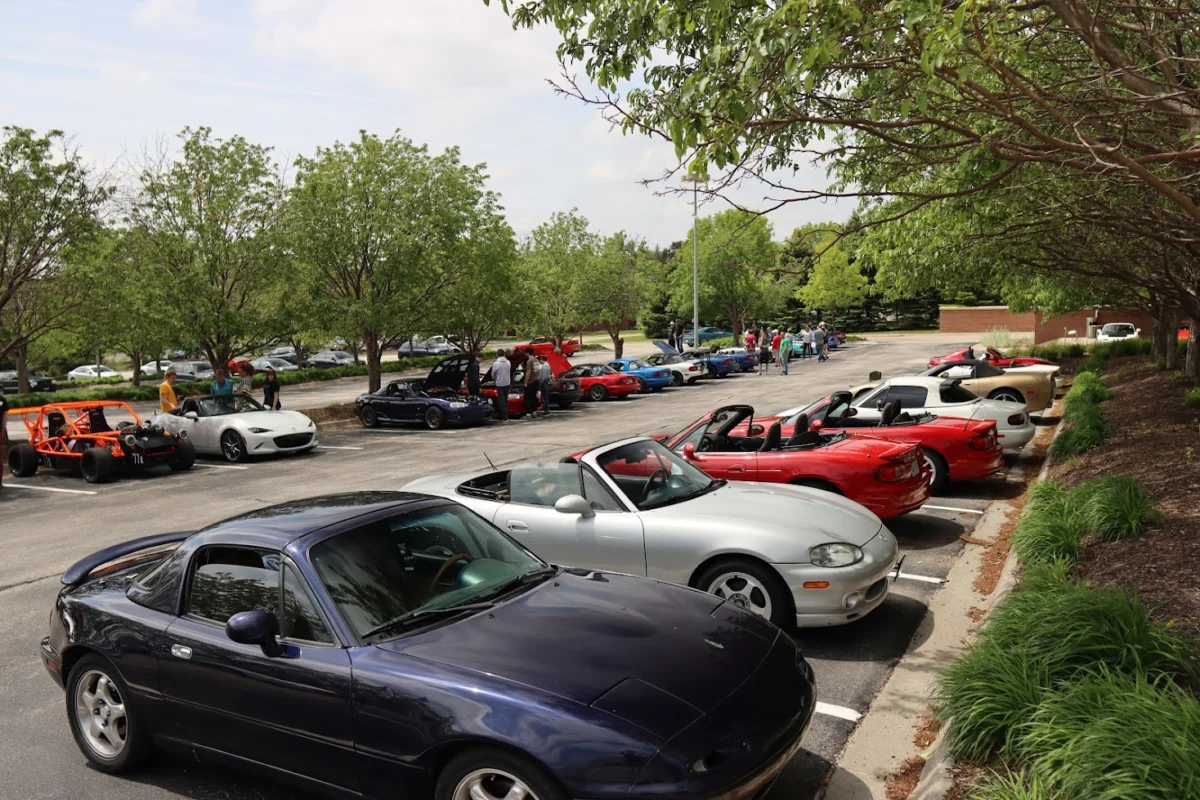
The automotive enthusiast community has long regarded the Mazda MX-5 Miata—particularly the second-generation NB platform produced from 1999 to 2005—as a masterclass in affordable, lightweight sports car engineering. Balancing mechanical simplicity with a remarkably communicative chassis, the NB generation bridges the gap between the analog rawness of classic British roadsters and the stringent safety and emissions standards of the 21st century. Owning one of these vehicles requires a deliberate commitment to preventative maintenance, chassis tuning, and iterative modification. This retrospective examines the first twelve months of ownership of a 2000 Mazda MX-5 Miata, detailing the systematic transformation of a standard, silver daily-driver candidate into a track-ready, meticulously customized performance machine through a rigorous timeline of mechanical overhauls, aesthetic updates, and competitive driving events.
The Acquisition and Baseline Assessment
The vehicle in question, a 2000 Mazda MX-5 Miata equipped with the naturally aspirated 1.8-liter BP4W engine, was acquired on March 19, 2021, with an entirely unverified maintenance history. Weighing in at approximately 2,400 pounds, the NB platform serves as an ideal foundation for both street driving and motorsports due to its exemplary power-to-weight ratio and neutral handling characteristics. While the stock engine’s straight-line performance is modest, outputting roughly 140 horsepower from the factory, the vehicle’s true capability lies in its suspension geometry, steering feedback, and modular aftermarket support.
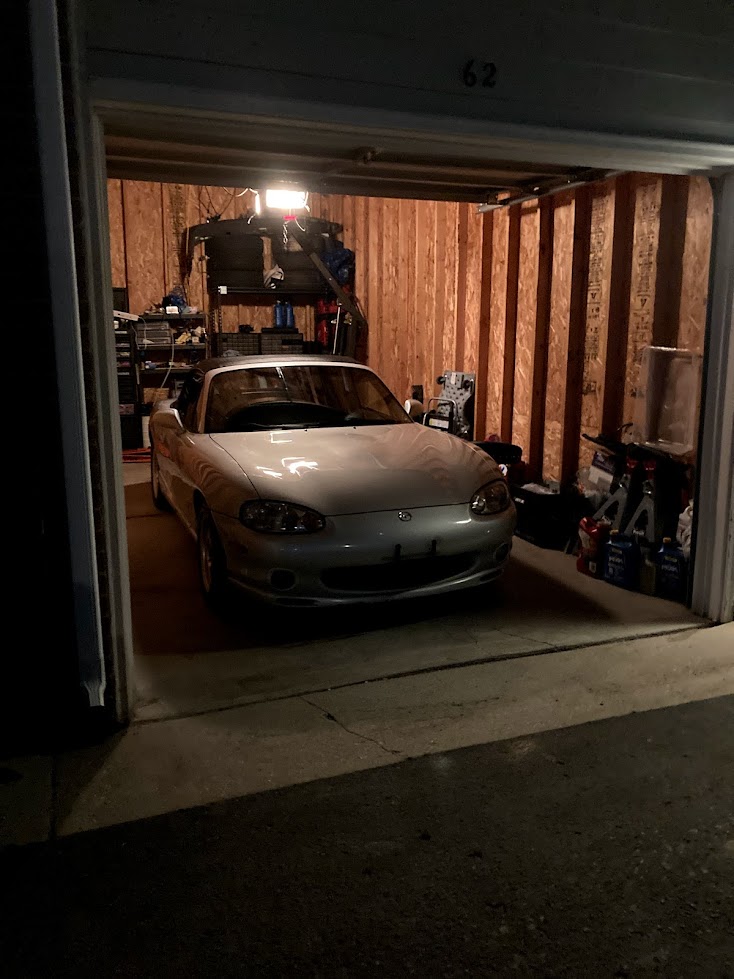
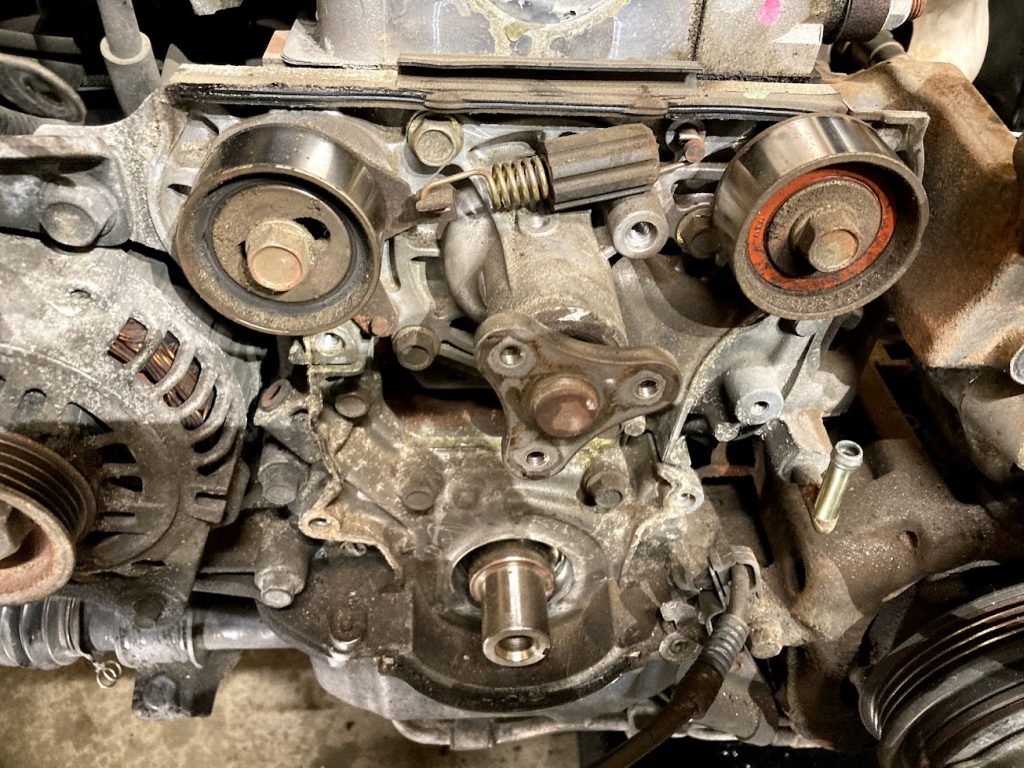
However, purchasing a two-decade-old sports car without documented service records necessitates immediate intervention. Although the BP4W is traditionally classified as a non-interference engine—meaning catastrophic piston-to-valve contact is generally avoided should the timing belt fail—relying on deferred maintenance poses unacceptable reliability risks. Consequently, April 2021 was dedicated entirely to mechanical baselining. Major service items, including fluid flushes, belt inspections, ignition system refreshes, and gasket replacements, were prioritized to establish mechanical integrity before subjecting the vehicle to high-stress track environments.
Community Engagement and Exhaust System Redesign
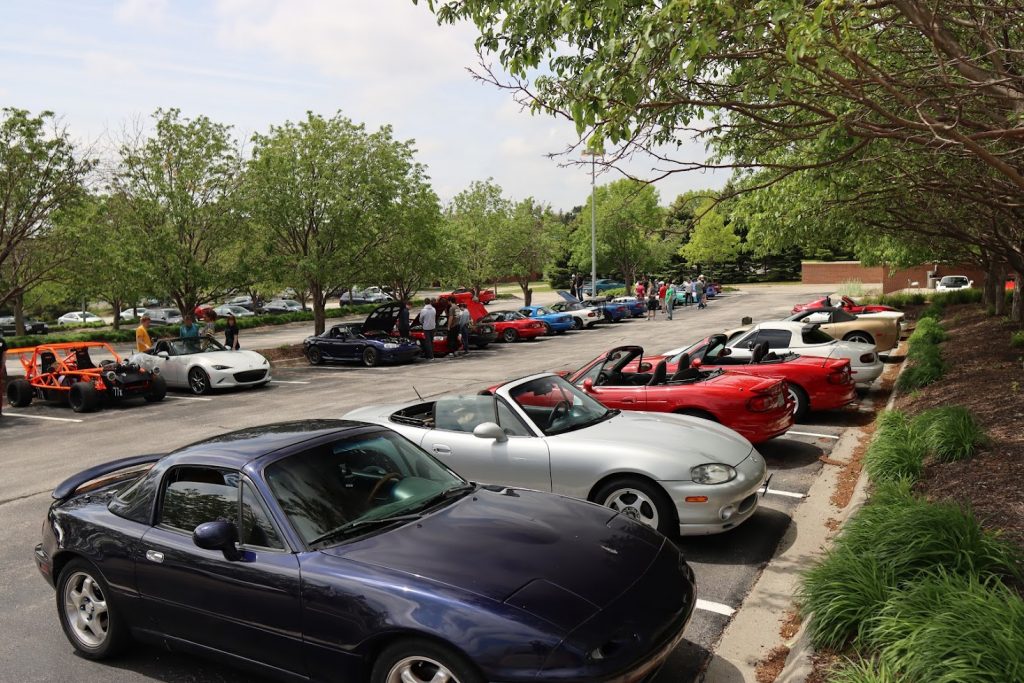
With the mechanical baseline secured, ownership shifted toward integration into the broader regional automotive culture and targeted performance enhancements. In May 2021, the vehicle made its debut at a local Mazda enthusiast gathering. Such events highlight the vast diversity within the Miata ecosystem, ranging from pristine, factory-original examples to heavily modified variants featuring forced induction systems, engine swaps, and specialized track-day configurations such as V8-powered Exocets.
By June 2021, attention turned to the vehicle’s exhaust architecture. Persistent catalytic converter diagnostic trouble codes, combined with corroded fasteners and a desire for an optimized acoustic profile, prompted a comprehensive overhaul of the exhaust system. The stock components were systematically removed and replaced with an aftermarket configuration consisting of a Raceland exhaust header, a Cobalt midpipe, and a Racing Beat Power Pulse muffler. This specific tri-component setup is widely regarded in the enthusiast community for delivering a refined, moderate exhaust note that avoids excessive cabin drone while improving exhaust gas scavenging. Nonetheless, the installation underscored the meticulous nature of automotive modification; an oversight involving the omission of the exhaust gas recirculation (EGR) pipe connection temporarily triggered secondary engine codes, illustrating the delicate interdependency of emissions controls on late-90s engine management systems.
Cosmetic Evolution: The Transition to High-Visibility Yellow
Aesthetics played a significant role in the vehicle’s evolution during the summer of 2021. Prior to cosmetic alterations, the car’s exterior showed typical signs of aging, including a damaged front driver-side fender. This compromised panel was temporarily replaced with a rattle-can-painted donor part, establishing a uniform surface plane in preparation for a full-body vinyl wrap.
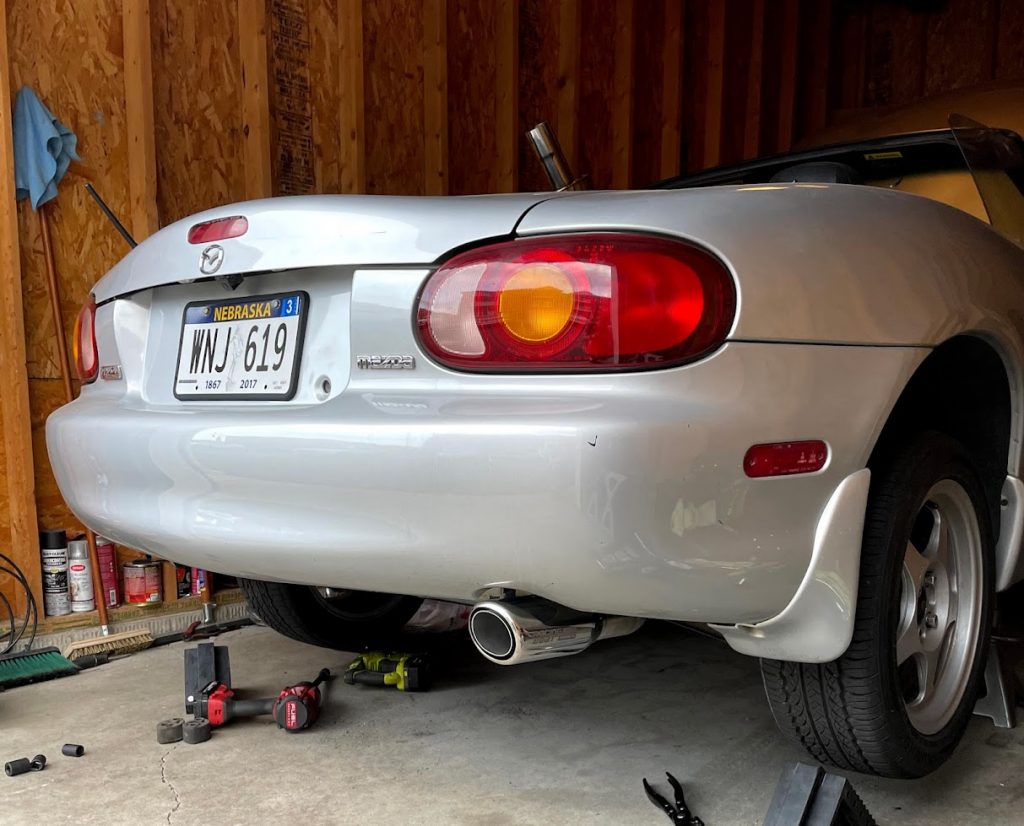
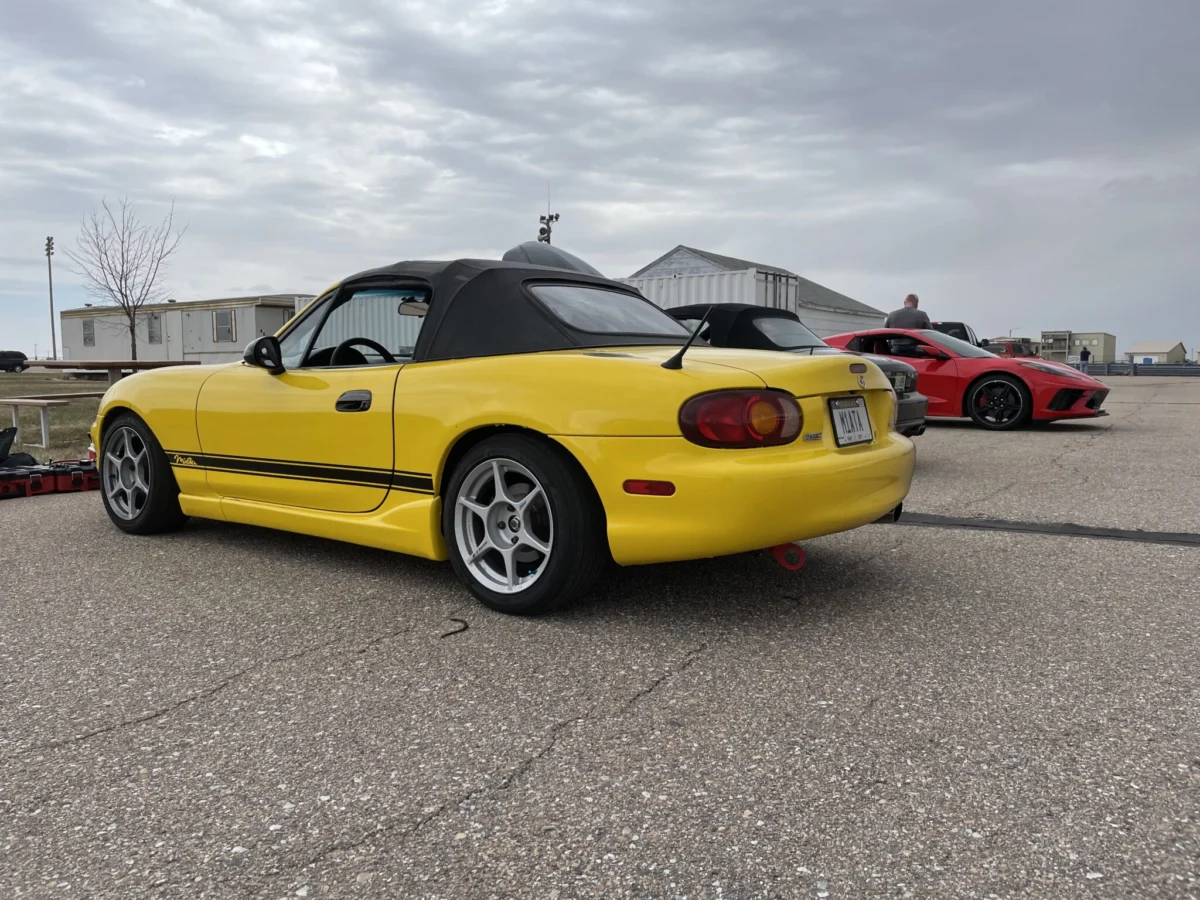
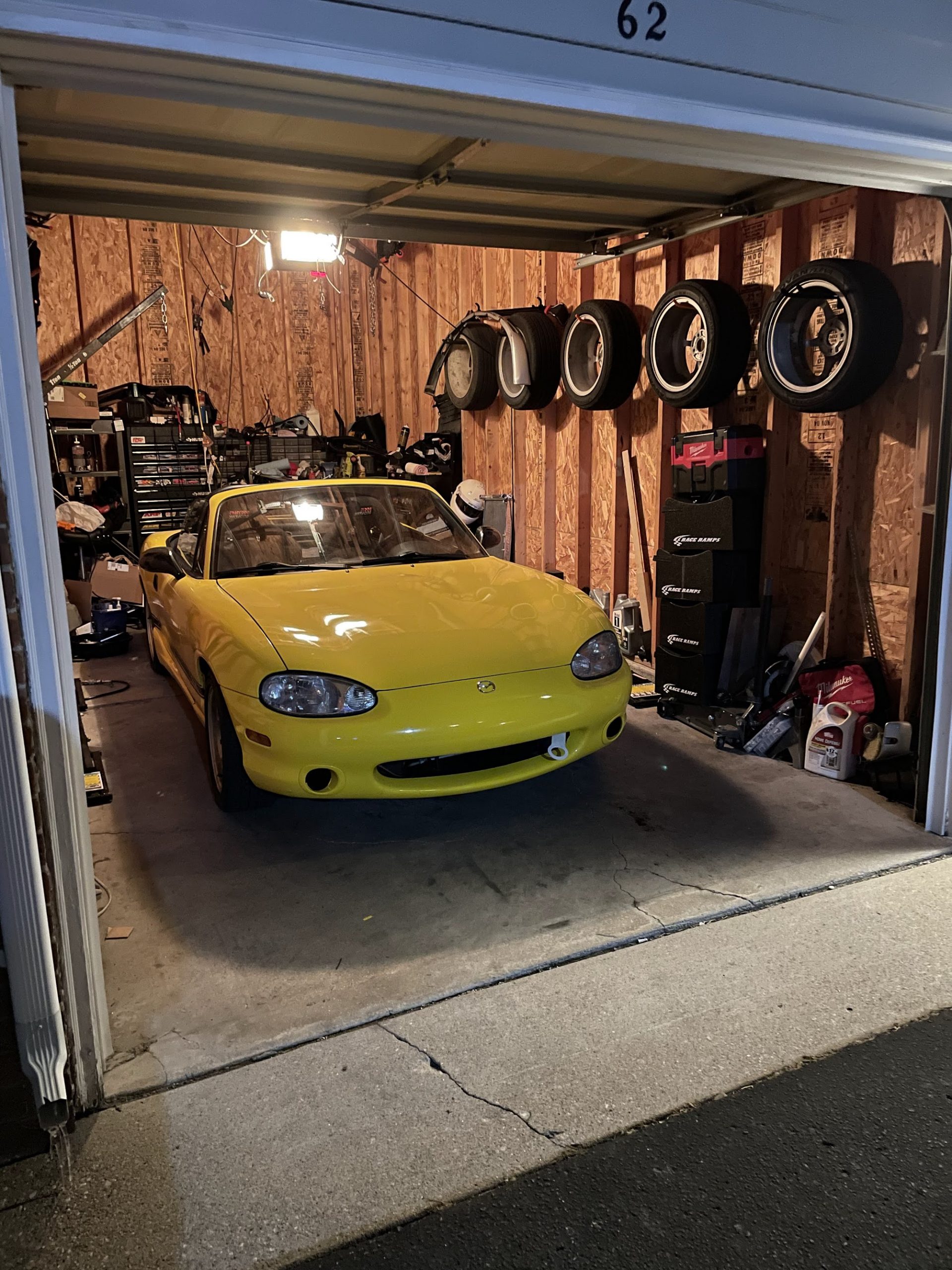
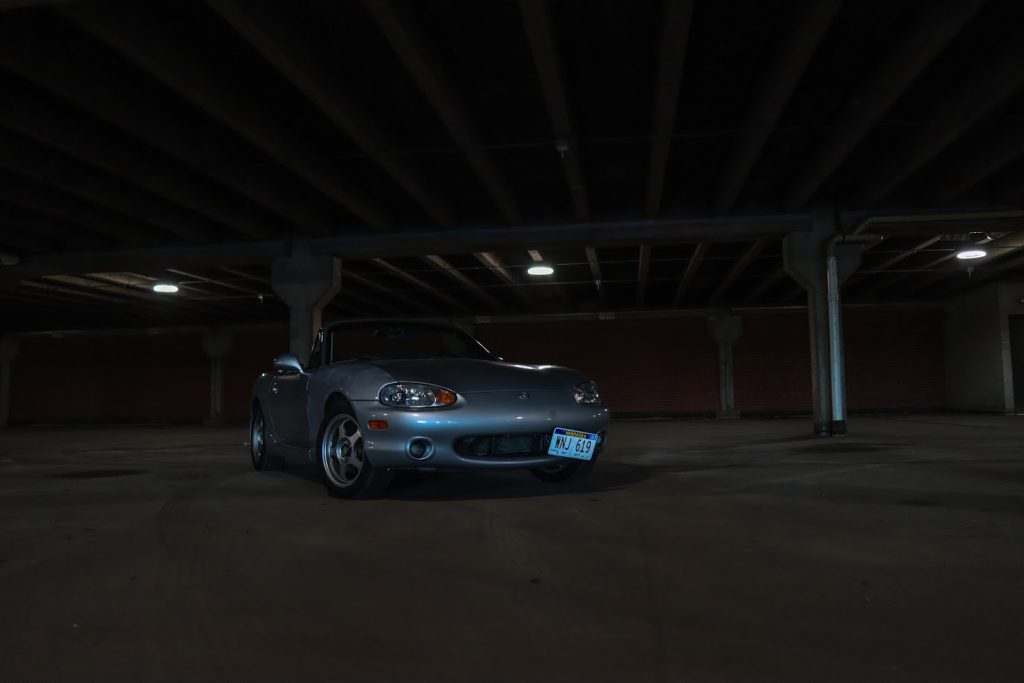
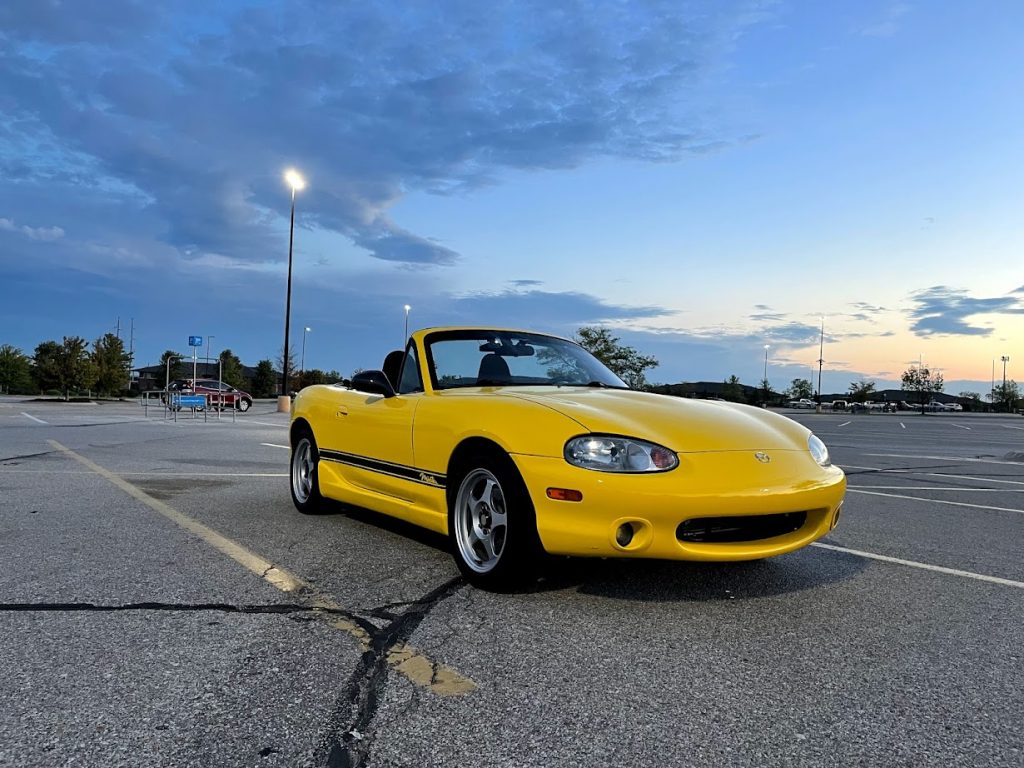
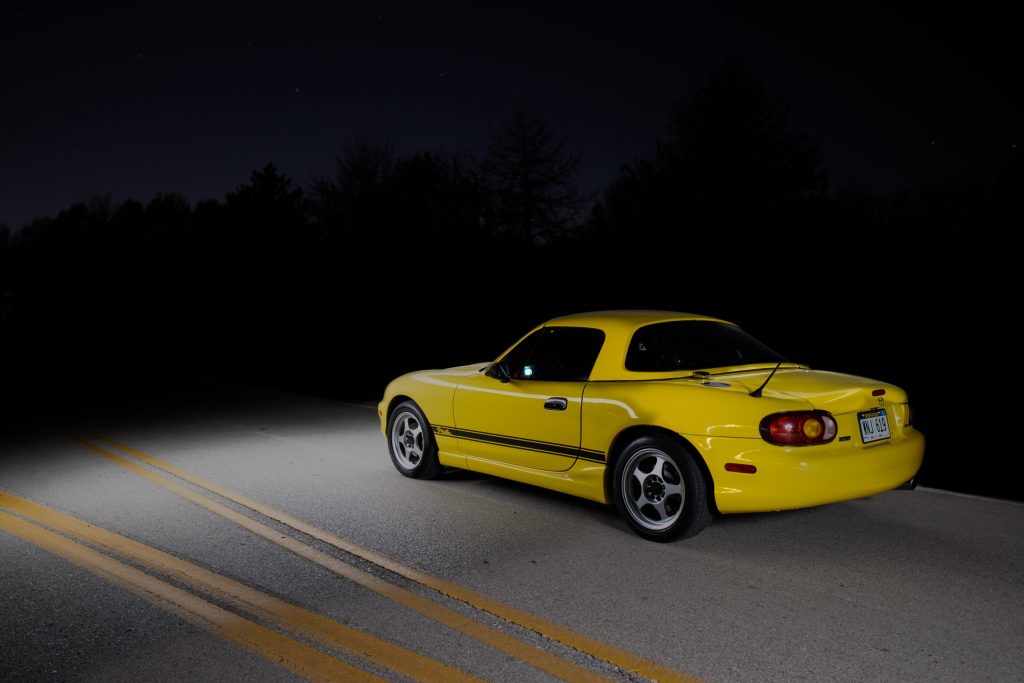
In July 2021, the final documentation of the factory silver paint was captured before the application of a vibrant yellow wrap, which was fully completed by August 2021. Beyond personal preference, high-visibility colors are frequently favored in motorsports for their enhanced safety profile on track days, ensuring greater visibility to marshals and fellow drivers during high-speed sessions.
Motorsports Integration: Track Days and Autocross
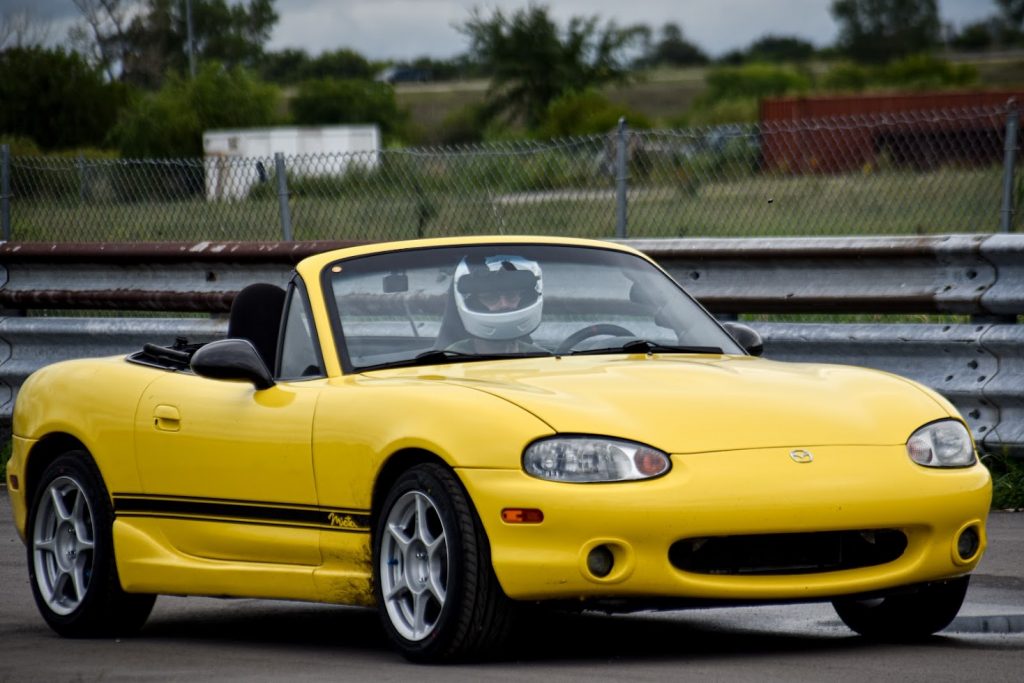
The true engineering purpose of the MX-5 chassis is realized in dynamic driving conditions, a philosophy validated in the autumn of 2021. In September 2021, the vehicle participated in its maiden track day event at the Raceway Park of the Midlands. This high-speed outing provided critical empirical data regarding the performance limitations of the stock suspension, braking system, and tire compounds, directly informing the trajectory of subsequent modifications.
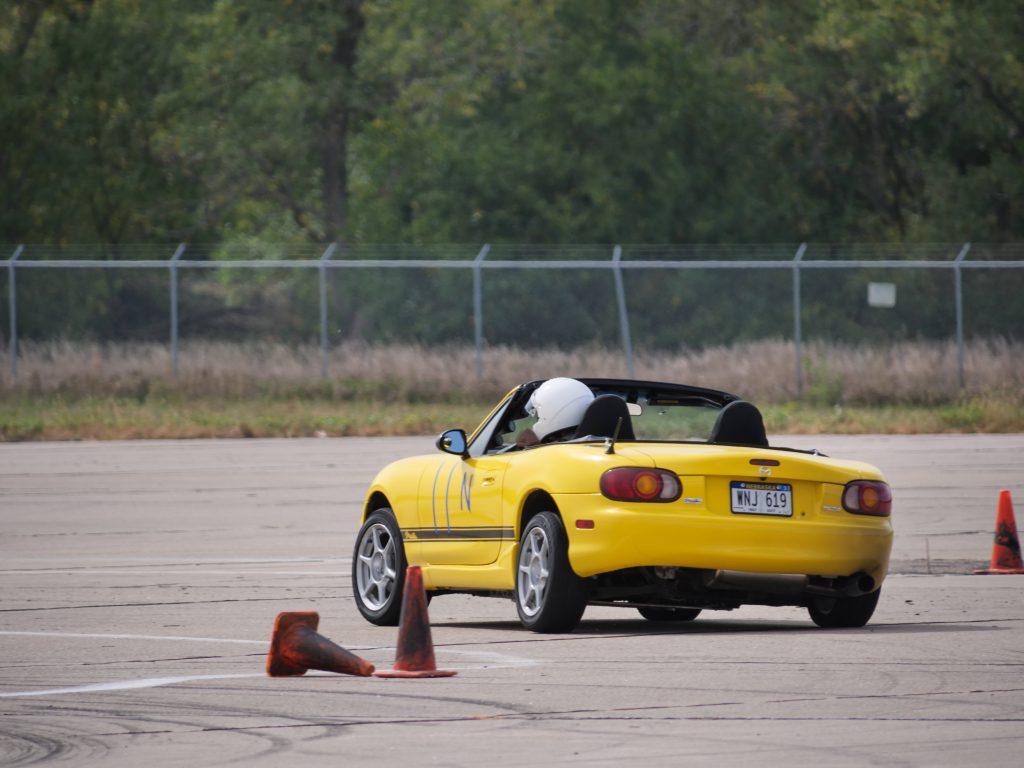
Complementing the high-speed track experience, the vehicle entered its first competitive autocross events in September and October 2021. Autocross presents an accessible, lower-cost alternative to full-circuit track days, focusing intensely on technical precision, weight transfer management, and immediate driver reaction times rather than top-speed capabilities. The tight, cone-lined courses of autocross events proved exceptionally well-suited to the nimble handling characteristics of the NB platform.
Winter Storage and Mechanical Upgrades
As autumn transitioned into winter in November 2021, environmental factors dictated a change in operational strategy. Regions experiencing winter precipitation frequently apply aggressive chemical de-icing salts to roadways, substances that accelerate corrosion on ferrous automotive components. Because second-generation Miatas (NB) are statistically more vulnerable to structural rocker panel and frame-rail rust than their first-generation (NA) predecessors, proactive measures were taken to preserve the chassis integrity.
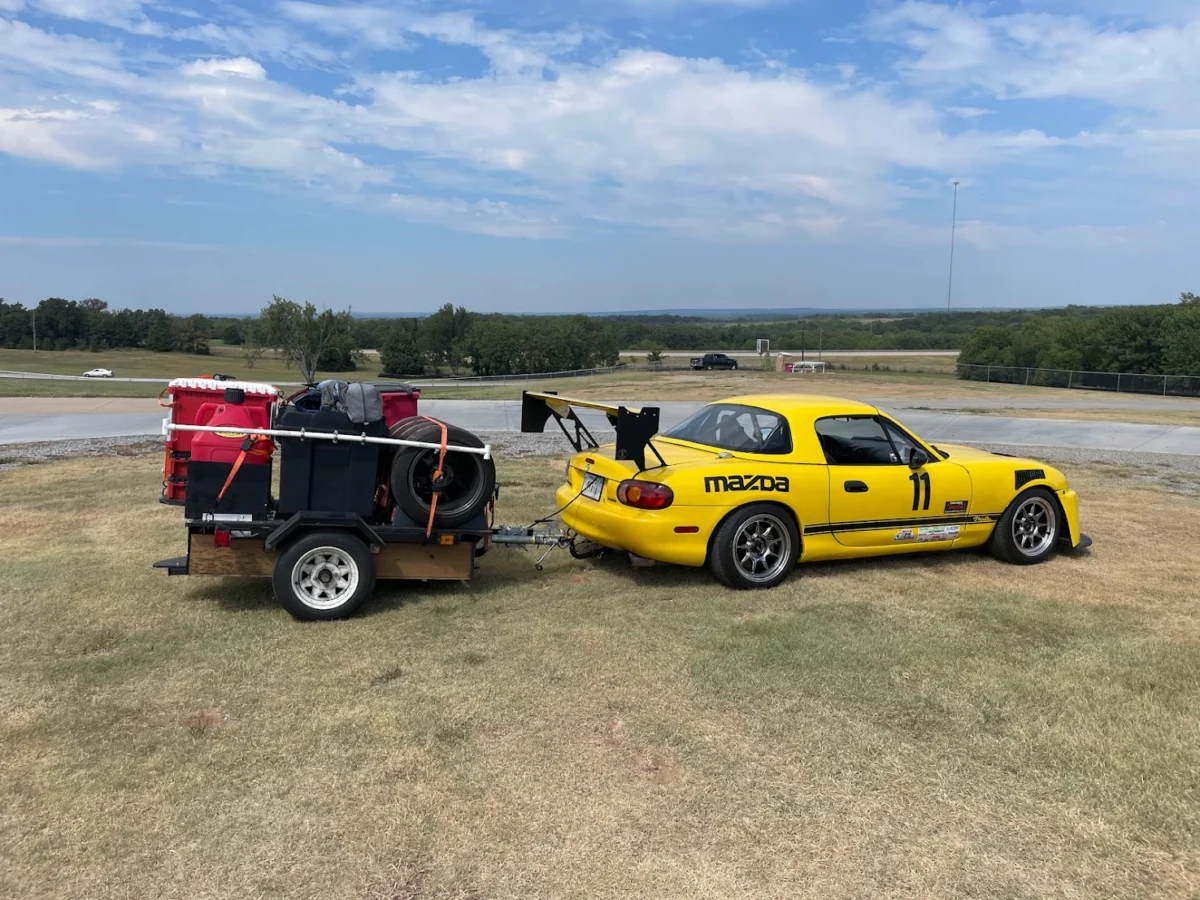
Prior to storage, a factory hardtop was integrated onto the vehicle. Beyond providing superior thermal insulation and weather resistance compared to a soft top, the rigid structure significantly increases torsional rigidity, altering the vehicle’s dynamic response. Although unseasonably mild weather in Nebraska permitted driving through the conclusion of November, December 2021 marked the official commencement of the seasonal off-road maintenance window.
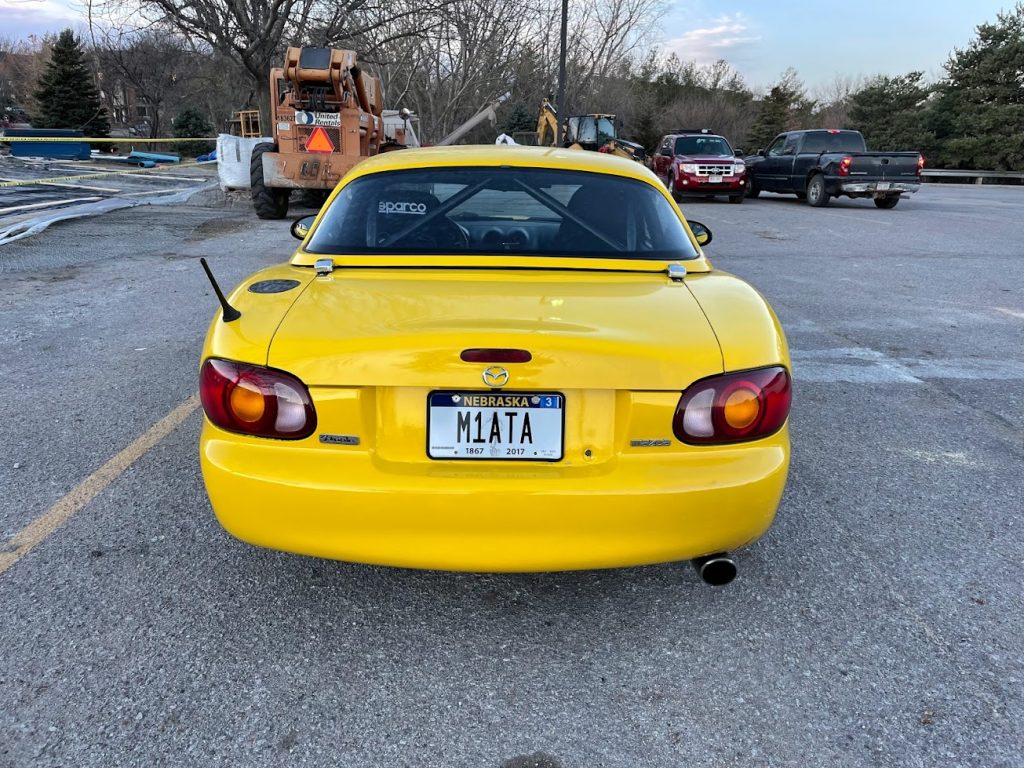
During this garage-bound period, the vehicle received significant structural and mechanical upgrades. Suspension components were comprehensively disassembled, inspected, and upgraded with modern bushings and dampers to enhance cornering precision. Furthermore, the administrative milestone of acquiring customized vanity plates ("M1ATA") underscored the personalization typical of enthusiast ownership.
Engine-Out Maintenance and Safety Equipment Integration
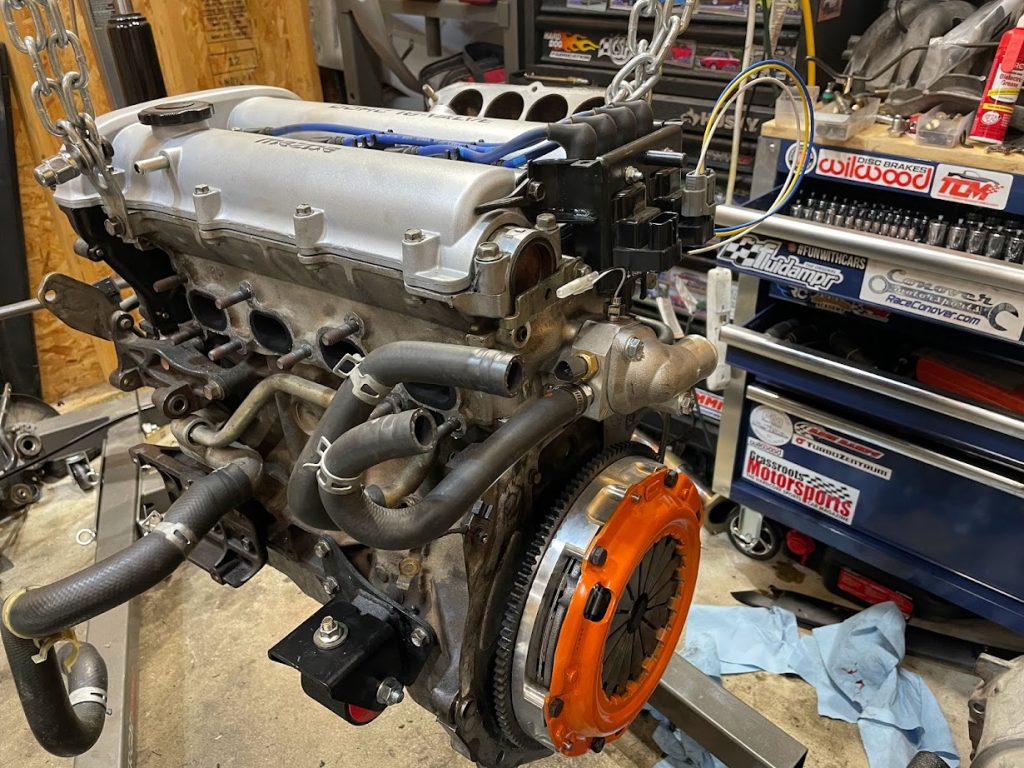
The depth of the modification process escalated sharply in January 2022 with a comprehensive engine-out service protocol. Conducting major mechanical work outside the engine bay allows unhindered access to failure-prone components that are nearly inaccessible when the engine remains installed in the cramped confines of the Miata chassis. Service items addressed during this period included the replacement of a leaking rear main seal, the remediation of a stripped oil pan drain plug, the installation of an upgraded coolant reroute kit to combat the factory cooling system’s inherent rear-cylinder thermal inefficiencies, and the replacement of aging coolant hoses routed beneath the intake manifold.
As winter waned in February 2022, preparation for the upcoming spring motorsports season took precedence, shifting focus toward driver safety and precise chassis setup. Recognizing the increased speeds achieved during track days, advanced safety equipment was integrated into the cockpit. This included the installation of Track Dog Racing UltraShield Rally Sport fixed-back bucket seats, six-point racing harnesses, a securely mounted emergency fire extinguisher, and the adoption of a Head and Neck Support (HANS) device to mitigate the risk of whiplash during high-g decelerations. Seating geometry was meticulously calculated to ensure the driver’s helmeted head cleared the statutory "broomstick test"—a safety clearance metric requiring a clear line between the top of the roll bar and the top of the helmet.
Concluding the winter preparation phase, a custom vehicle alignment was executed using do-it-yourself (DIY) string and gauge methods. Achieving optimal camber, caster, and toe settings is critical for maximizing mechanical grip on track, and a bespoke alignment allows drivers to tailor handling characteristics directly to their driving style.
Broader Industry Implications and Enthusiast Culture
The first-year trajectory of this 2000 Mazda Miata reflects broader economic and cultural trends within the modern automotive enthusiast landscape. As new sports cars become increasingly expensive, laden with complex electronic driver aids, and difficult for owners to service independently, platforms like the NB Miata have experienced a resurgence in popularity. They represent a vanishing era of analog mechanical feedback, modular reparability, and an exceptionally robust aftermarket support network.
Furthermore, the systematic evolution of this vehicle—from an undocumented, aging daily driver into a comprehensively maintained, safety-equipped track machine—exemplifies the iterative nature of amateur motorsports preparation. By balancing preventative maintenance with targeted performance upgrades, the project demonstrates how an affordable, mass-market roadster can be successfully adapted for specialized competitive driving without compromising its foundational engineering ethos. As subsequent seasons approach, the vehicle stands as a testament to the enduring viability of the lightweight sports car formula.