Cecilia Chamidah Nur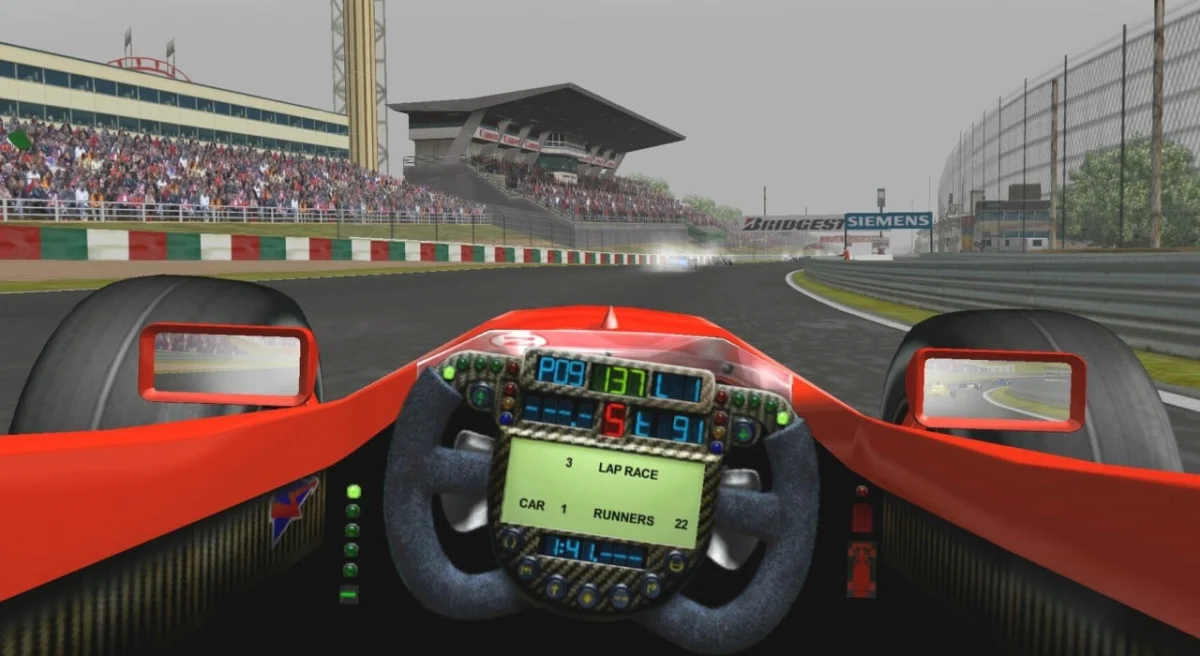
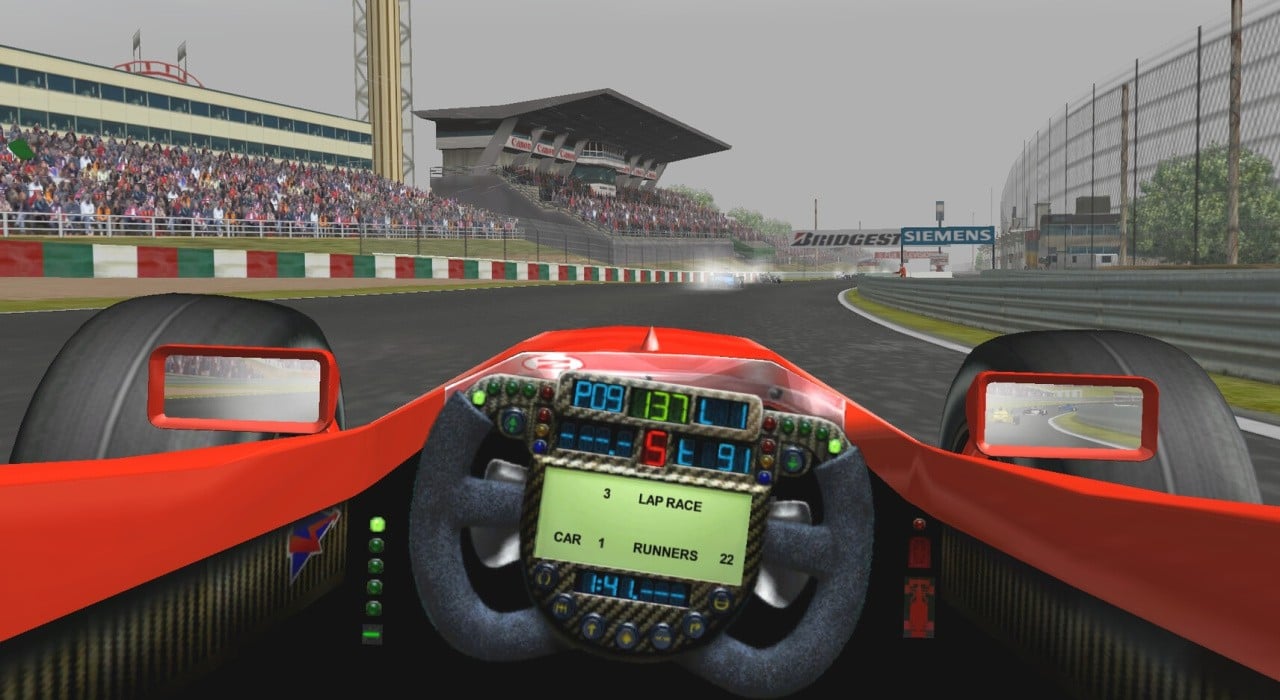
The digital preservation of classic software has long been fraught with legal complications, and the recent effort by MicroProse to reintroduce the seminal title Grand Prix 4—now rebranded as Geoff Crammond Racing 4—to the Steam storefront serves as a quintessential case study in the difficulties of modern intellectual property management. Originally developed by the legendary Geoff Crammond and published by Infogrames in 2001, the simulation was lauded for its uncompromising physics and authentic representation of the 2002 Formula One season. However, over two decades later, the complex web of licensing agreements governing motorsport brands, driver identities, and corporate sponsorships has forced the publisher to solicit community assistance to navigate a significant development hurdle.
The Anatomy of a Licensing Impasse
MicroProse officially announced that the upcoming Steam reissue of the title would undergo a massive overhaul to accommodate the loss of various intellectual property rights. According to the developer’s first official devlog, the studio has already replaced 1,987 individual textures that featured logos, team branding, or driver names for which the company no longer holds active usage rights. This massive undertaking stems from the fact that the original game featured nearly 300 distinct brands, many of which are now either defunct, acquired by larger conglomerates, or managed by holding companies with little interest in legacy gaming assets.
The logistical strain of this process is underscored by the sheer volume of outreach attempted by the MicroProse production team. In an effort to secure the necessary permissions, the publisher initiated a months-long correspondence campaign involving thousands of emails and hundreds of phone calls. Despite these efforts, the "corporate void" phenomenon—where inquiries are lost in internal routing or ignored due to the lack of a clear point of contact for legacy digital rights—has stalled the project. MicroProse confirmed that while several prominent brands have been cooperative and remain in the game, a significant portion of the grid remains in legal limbo, necessitating the creation of "period-appropriate" fictional placeholders.
Chronology of the Reissue Project
The path to the October 2026 reissue has been marked by several distinct phases of development and legal assessment:
- Q1 2026: MicroProse formally announces the intent to bring the classic racing simulation to modern PC hardware via the Steam platform.
- Q2 2026: Legal audit of the original asset files begins. The team identifies nearly 300 unique commercial licenses that require verification or renegotiation.
- Q3 2026: Outreach to rights holders commences. Initial success is noted with major automotive partners, but a significant backlog of unresponsive entities halts progress on smaller team and sponsor assets.
- October 2026: With the launch window approaching, the studio makes the strategic decision to crowdsource the naming of the affected teams and drivers to maintain the "period-accurate" feel of the 2002-era simulation.
- October 14, 2026: The deadline for community submissions, marking the transition to a public voting phase.
Technical and Aesthetic Implications
The replacement of nearly 2,000 textures represents more than just a legal necessity; it is a fundamental alteration of the game’s historical aesthetic. For the simulation racing community, the authenticity of liveries and team branding is often considered the primary draw of titles like Grand Prix 4. By stripping away these assets, MicroProse faces the challenge of maintaining the "feel" of the original experience while operating within a sanitized legal framework.
To mitigate potential backlash from purists, MicroProse has explicitly committed to an open-file architecture. The studio stated that the game will be designed to allow users to easily modify and replace textures, essentially providing an official path for the community to "restore" the original branding via unofficial patches. This approach is increasingly common in the software preservation space, where developers provide the base engine while allowing the user base to handle the restoration of legacy content that cannot be legally distributed by the publisher itself.
The Corporate Void: A Modern Licensing Challenge
The difficulties cited by MicroProse highlight a broader issue in the software industry: the difficulty of reaching stakeholders in an era of hyper-consolidated corporate structures. In 2001, licensing agreements were often handled by regional branches or individual brand managers. By 2026, many of those companies have undergone multiple mergers and acquisitions, often resulting in the fragmentation or loss of the original paper trails.
"Reaching the right person at a large company in 2026 is sometimes near impossible," the MicroProse representative noted in their official statement. This sentiment reflects a recurring complaint among developers attempting to remaster classic titles. The bureaucratic friction often creates a situation where it is safer for a publisher to "scrub" the content than to risk litigation, even if the actual rights holders might have been willing to grant permission had they been reached.
Community Engagement and Public Voting
The initiative to include the player base in the naming process is not merely a creative exercise; it serves as a marketing tool to maintain momentum leading up to the release. By inviting fans to participate in the "Community Vote," MicroProse is incentivizing engagement through the promise of inclusion in the game’s credits and the chance to win a copy of Throttle Trace, another title in their portfolio.

The voting process, which will be finalized in a second devlog following the October 14th cutoff, is designed to ensure that the fictional replacements feel like authentic elements of the 2002 motorsport ecosystem. The criteria for submissions emphasize "period-appropriate" nomenclature, requiring that users suggest names that reflect the naming conventions of the early 2000s rather than modern, contemporary branding.
Broader Impact on Digital Preservation
The case of Geoff Crammond Racing 4 highlights the ongoing tension between copyright law and the preservation of digital cultural artifacts. As games age, the original contracts that governed their creation often expire, leaving publishers with the choice of letting the software vanish or altering it to comply with modern ownership status.
Industry analysts suggest that the model adopted by MicroProse—transparency regarding the licensing failures and the implementation of user-friendly modding tools—could serve as a blueprint for future legacy releases. By acknowledging the frustration of the fans and empowering them to fill in the gaps, the developer is effectively outsourcing the preservation work to the individuals most passionate about the title.
While the loss of authentic liveries is undoubtedly a blow to the simulation’s historical accuracy, the commitment to keeping the files open suggests that the community will likely restore the "authentic" experience shortly after release. The focus for MicroProse remains the functional stability of the game on modern operating systems and the preservation of the core physics engine that established Geoff Crammond’s reputation in the racing genre.
As the industry moves toward 2027, the lessons learned during the development of Geoff Crammond Racing 4 will likely be applied to other legacy titles in the MicroProse catalog. The primary takeaway for developers is clear: when the legal path is obstructed by the complexities of corporate ownership, direct engagement with the player base offers a viable, albeit unconventional, route to ensuring that classic software remains accessible for new generations of enthusiasts. The upcoming release remains a highly anticipated event, proving that even with a modified roster of teams and sponsors, the demand for high-quality, authentic racing simulations remains as robust as it was two decades ago.