Indra Gunadi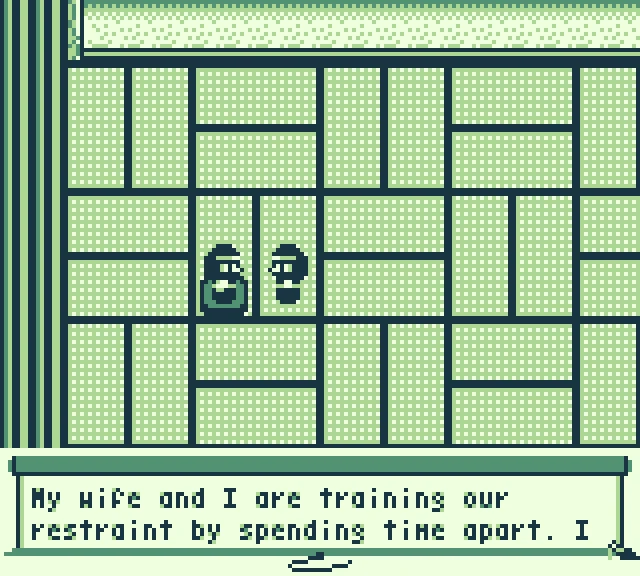
The landscape of video game development continues to surprise, with independent developer Bownly announcing a multi-game cartridge for the original Game Boy, titled Ningami Trilogy, set for release in 2026. This ambitious project promises three distinct card-battling origami adventures, alongside the challenging platformer Tobu Tobu Bōzu, all bundled onto a single physical cartridge designed for Nintendo’s iconic handheld console, which originally debuted in 1989. The announcement underscores the enduring vitality of the retro gaming community and the burgeoning homebrew scene that continues to push the boundaries of classic hardware.
The Enduring Appeal of Retro Consoles and the Homebrew Renaissance
The decision by Bownly to target the Game Boy in 2026 highlights a significant trend within the gaming industry: the renaissance of retro gaming and the flourishing homebrew development scene. Despite the Game Boy having ceased production in 2003, with its last official game released even earlier, a dedicated community of developers and enthusiasts has kept the platform alive. This community leverages modern tools and passion to create entirely new experiences for the monochrome handheld, often distributing them digitally via platforms like itch.io, and increasingly, through limited physical cartridge runs. The Game Boy, having sold over 118 million units worldwide across its various iterations (original, Pocket, Color), represents a colossal installed base, providing a receptive audience for new content.
The homebrew movement is not merely an exercise in nostalgia; it is a vibrant ecosystem of innovation and technical mastery. Developers operating within the strict limitations of decades-old hardware—such as the Game Boy’s 8-bit CPU, 8KB of RAM, and 160×144 pixel monochrome display—are forced to be incredibly creative. This constraint often leads to unique gameplay mechanics, evocative pixel art, and clever programming solutions that stand apart from the high-fidelity graphics and complex systems of contemporary gaming. Bownly’s Ningami Trilogy and Tobu Tobu Bōzu are positioned to become a notable entry in this growing library of modern retro titles.
Bownly’s Vision: Crafting New Experiences for Classic Hardware
While specific details about the developer Bownly remain limited, the announcement of Ningami Trilogy and Tobu Tobu Bōzu suggests a deep understanding and appreciation for the Game Boy’s capabilities and its target audience. Developing a multi-game cartridge for a system like the Game Boy is not a trivial undertaking. It requires meticulous programming, optimization, and often, custom hardware solutions for the cartridge itself to manage multiple game ROMs. This commitment signals Bownly’s dedication to delivering a polished and authentic retro experience.
The choice of genres—card-battling and platforming—demonstrates an intent to explore both strategic depth and precise action gameplay, two pillars of classic handheld gaming. Card-battling mechanics, while common in modern digital games, are less frequently seen in their full complexity on the original Game Boy due to memory and display limitations. The prospect of "three card-battling origami adventures" suggests a thematic and mechanical consistency within the trilogy, possibly involving unique art styles or narrative structures inspired by the delicate craft of origami. This creative fusion promises a fresh take on established genres within the retro framework.
Unpacking the Ningami Trilogy: Card-Battling Origami on Game Boy
The Ningami Trilogy is presented as a series of three distinct card-battling origami adventures. This genre combination immediately piques interest, as it marries the strategic depth of card combat with a potentially unique aesthetic and thematic underpinning related to origami. On the Game Boy, implementing a robust card-battling system requires careful consideration of several factors:
- User Interface: Displaying cards, their attributes, and player choices effectively on a small monochrome screen is a design challenge. Developers often resort to simple iconography, text-based descriptions, and clever menu navigation to convey information.
- Strategic Depth: Card-battling games thrive on variety and strategic choices. The trilogy format suggests that each adventure might introduce new card types, rule sets, or character abilities, offering progressive complexity and replayability.
- Art Style: The "origami" aspect could manifest in various ways. It might involve characters, enemies, or environments that visually resemble folded paper, or perhaps the cards themselves are themed around different origami creations. Given the Game Boy’s limited palette, evocative pixel art would be key to conveying this aesthetic effectively.
- Narrative: Three distinct adventures imply separate storylines or interconnected lore, allowing players to delve into a rich, imaginative world through the lens of card-based combat.
The very concept of "origami adventures" for the Game Boy pushes the boundaries of what players might expect from the platform, blending artistic inspiration with engaging gameplay mechanics.
The Challenge of Tobu Tobu Bōzu: A Punishing Platformer
Complementing the strategic depth of the Ningami Trilogy is Tobu Tobu Bōzu, described as a "punishing platformer." The platformer genre has always been a cornerstone of the Game Boy’s library, with iconic titles like Super Mario Land and Donkey Kong Land defining the experience for millions. A "punishing" platformer, however, suggests a focus on precise controls, intricate level design, and high difficulty, appealing to players who seek a significant challenge.
Characteristics of a punishing platformer on the Game Boy often include:
- Tight Controls: Impeccable responsiveness from button inputs is crucial for navigating demanding obstacles.
- Complex Level Design: Levels typically feature intricate layouts, requiring players to master movement mechanics, timing jumps, and exploiting environmental elements.
- High Stakes: Frequent hazards, limited lives, or unforgiving checkpoint systems contribute to the "punishing" aspect, demanding mastery and perseverance.
- Pattern Recognition: Enemies and environmental traps often follow predictable patterns that players must learn to overcome.
The inclusion of Tobu Tobu Bōzu on the same cartridge offers a stark contrast to the strategic card battles, providing a dynamic range of gameplay experiences within a single purchase. It caters to different player preferences while maintaining the core appeal of classic Game Boy gaming.
The Multi-Game Cartridge Model: A Blend of Nostalgia and Innovation
The decision to release Ningami Trilogy and Tobu Tobu Bōzu on a single Game Boy cartridge is a significant aspect of Bownly’s announcement. In the modern era of digital distribution, physical cartridges for retro systems serve multiple purposes:
- Authenticity and Nostalgia: For many retro gamers and collectors, the tactile experience of inserting a physical cartridge into a console is integral to the appeal. It evokes the original era of gaming.
- Collectibility: New physical releases for old systems often become sought-after collector’s items, appreciating in value over time. Limited production runs further enhance this aspect.
- Practicality: While digital ROMs are readily available, a physical cartridge offers a plug-and-play experience without the need for emulators or flash carts, appealing to purists.
- Value Proposition: Bundling multiple games onto one cart provides excellent value for players, offering a diverse gaming experience without requiring multiple purchases or cartridge swaps.
Technically, a multi-game cartridge for the Game Boy might employ a menu system at startup, allowing players to select which of the four included games they wish to play. This requires careful programming to manage memory banks and switch between different ROM images seamlessly, a testament to the developer’s technical prowess. This approach mirrors some commercial multi-game cartridges from the Game Boy’s heyday, reinforcing the authentic retro feel.
The 2026 Release Window: A Testament to Enduring Appeal
The announcement of a 2026 release date for a Game Boy title is noteworthy. In an industry where development cycles can be lengthy, and many homebrew projects emerge from more spontaneous efforts, a planned future release indicates a structured development process and a long-term vision. This timeline allows Bownly ample time for development, refinement, and community engagement, building anticipation for the project.
The fact that new games are still being developed and planned for release years in advance for a console that is over three decades old speaks volumes about the enduring cultural impact of the Game Boy. It suggests that the retro gaming market is not merely a fleeting trend but a sustainable niche, driven by a passionate community willing to invest in new content for beloved hardware. This longevity also contributes to the broader narrative of video game preservation, ensuring that the legacy of classic consoles is not just remembered, but actively expanded upon.
Community Anticipation and Market Dynamics
The announcement has likely generated significant buzz within the retro gaming community. Forums, social media groups, and dedicated retro gaming news outlets are typically eager to cover such developments. Anticipated reactions from the community would include:
- Excitement for New Content: The promise of entirely new games for a beloved system is always a major draw.
- Curiosity about Gameplay: Details regarding the unique "card-battling origami adventures" and the "punishing" platformer will fuel discussions and speculation.
- Appreciation for Physical Releases: Collectors and purists will welcome the availability of a new physical cartridge.
- Support for Indie Developers: The homebrew scene thrives on community support, and projects like Bownly’s often garner significant backing through pre-orders or crowdfunding campaigns.
The market for Game Boy homebrew, while niche, is robust. Developers often leverage platforms like itch.io for digital sales and partner with specialized manufacturers for limited physical cartridge runs. This hybrid distribution model allows them to reach a global audience while catering to the specific demands of collectors. The Ningami Trilogy and Tobu Tobu Bōzu are well-positioned to capitalize on this growing market segment.
Broader Implications: Preserving and Evolving Gaming Heritage
Bownly’s Ningami Trilogy and Tobu Tobu Bōzu are more than just new games for an old console; they represent a continuation of gaming history. Projects like this contribute to:
- Game Preservation: By demonstrating that old hardware can still host new experiences, they highlight the importance of maintaining and understanding legacy systems.
- Artistic Expression: The limitations of retro hardware often force developers into innovative artistic choices, leading to unique visual styles and gameplay mechanics that might not emerge in high-fidelity environments.
- Community Building: Homebrew projects foster strong communities of developers, players, and enthusiasts who share a common passion for retro technology.
- Technological Innovation: Creating complex games for simple hardware often involves pushing the technical boundaries of what was originally thought possible, revealing new facets of old systems.
As the gaming industry continues its rapid evolution, the enduring appeal and continued development for platforms like the Game Boy serve as a powerful reminder of where it all began. Bownly’s upcoming release for 2026 is a testament to the creativity, dedication, and passion that continues to drive the homebrew movement, ensuring that the Game Boy’s legacy is not just preserved, but actively enriched for generations to come. The provided link to bownly.itch.io/ningami-trilogy will serve as the primary portal for updates and eventual acquisition for eager fans.