Indra Gunadi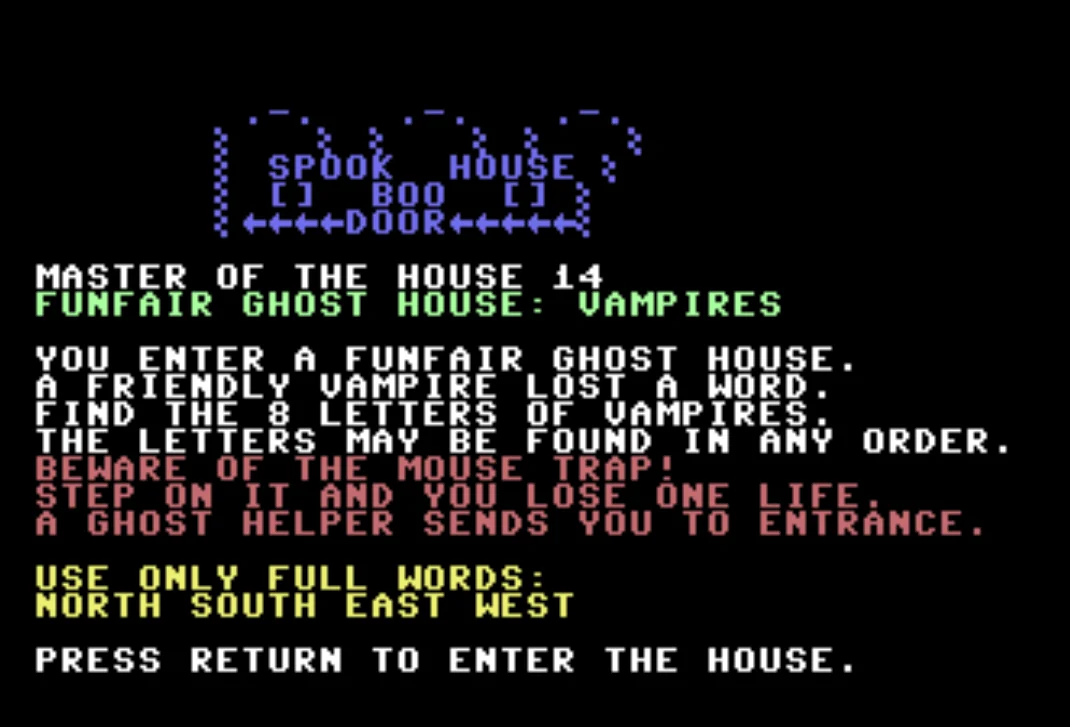
A new spectral adventure, Master of the House 14: Ghost House, has been added to the vibrant Commodore 64 (C64) library, offering enthusiasts a fresh dive into classic 8-bit horror. Released on June 25, 2026, this latest title from developer ready64 transports players into a spooky funfair ghost house, challenging them to uncover hidden letters amidst a gallery of classic monsters. The game, accessible via ready64’s itch.io page, signifies the continued vitality of the C64 homebrew development scene, nearly four decades after the iconic computer’s initial release.
A Deep Dive into the Spectral Gameplay
Master of the House 14: Ghost House plunges players into an eerie funfair attraction, tasking them with a singular, chilling objective: locate eight hidden letters that spell out the word "VAMPIRES." This scavenger hunt mechanic forms the core of the gameplay, requiring careful exploration and keen observation within the haunted environments. As players navigate the labyrinthine rooms of the ghost house, they will encounter a host of classic horror archetypes, including a cackling witch, a snarling werewolf, a shambling zombie, and, naturally, a lurking vampire. These encounters are designed to evoke the suspense and jump scares characteristic of the horror genre, albeit through the distinctive graphical and auditory limitations of the C64.
The game’s design is a testament to the ingenuity often required when developing for vintage hardware. Without the luxury of complex polygons or extensive memory, developers must rely on clever sprite work, evocative sound design through the renowned SID chip, and well-crafted level layouts to create atmosphere and challenge. Master of the House 14 employs these techniques to build a sense of dread and mystery, guiding players through dimly lit corridors and monster-infested chambers. A notable hazard mentioned is the "mousetrap," suggesting environmental puzzles or obstacles that players must avoid or cleverly circumvent to progress. This adds an element of strategic navigation to the letter-hunting quest, ensuring that the game is not merely a passive exploration but an active engagement with its spectral inhabitants and their surroundings. The game’s 1-minute read time on its release announcement hints at a concise yet potentially replayable experience, characteristic of many classic arcade-style C64 titles.
The Enduring Legacy of the Commodore 64
The release of Master of the House 14: Ghost House in 2026 serves as a powerful reminder of the Commodore 64’s unparalleled longevity and its enduring cultural impact. Launched in 1982 by Commodore International, the C64 quickly became a global phenomenon, ultimately selling an estimated 17 million units worldwide, solidifying its place in the Guinness World Records as the highest-selling single computer model of all time. Its success was driven by a combination of aggressive pricing, advanced hardware for its era – particularly its superior graphics and the legendary MOS Technology 6581/8580 SID (Sound Interface Device) chip – and a vast software library that spanned productivity applications, educational tools, and, most notably, a prodigious collection of games.
For many, the C64 represented their first foray into personal computing and gaming. Titles like Impossible Mission, The Last Ninja, Maniac Mansion, and countless others defined a generation of gamers. The machine’s open architecture and relatively accessible programming languages (BASIC, assembly) also fostered a vibrant community of amateur developers, many of whom would go on to shape the professional video game industry. Even after Commodore International filed for bankruptcy in 1994, and the mainstream market moved on to more powerful consoles and PCs, the C64 refused to fade into obscurity. A dedicated fanbase continued to preserve its legacy through emulation, hardware restoration, and, crucially, ongoing new software development.
The Vibrant Commodore 64 Homebrew Scene in 2026
The C64 homebrew scene is a testament to passion, nostalgia, and a remarkable commitment to creative expression within technical constraints. Decades after its commercial peak, the C64 continues to receive new games, demos, and utilities, developed by a global community of enthusiasts. This phenomenon is supported by several factors:
- Advanced Development Tools: While original C64 development required intimate knowledge of assembly language and the machine’s architecture, modern tools and cross-compilers allow developers to write code on contemporary PCs and then compile it for the C64. Emulators like VICE enable rapid testing and debugging.
- Digital Distribution Platforms: Websites like itch.io, where Master of the House 14 is hosted, provide an accessible platform for indie and retro developers to publish and distribute their work, often on a pay-what-you-want model or for free. This bypasses traditional publishing hurdles and connects developers directly with their audience.
- Community Events and Jams: Online forums, social media groups, and annual events like game jams and demoscene parties actively encourage new creations. Competitions and showcases motivate developers to push the boundaries of the C64’s capabilities.
- Hardware Innovations: Beyond software, the C64 community also sees ongoing innovation in hardware, from modern storage solutions (like SD card readers) to Ethernet adapters and even FPGA-based recreations of the original hardware, ensuring the platform remains accessible and functional for new generations.
Ready64, the developer behind Master of the House 14, exemplifies this modern C64 developer spirit. While specific details about the studio’s history or personnel are often kept lean in the homebrew scene, their continued output of titles, culminating in the "14th" entry of the Master of the House series (implying a significant body of work), indicates a deep understanding of the C64’s capabilities and a dedication to its unique aesthetic. Their choice to explore a classic horror theme with a search-and-avoid mechanic aligns perfectly with the types of experiences that resonated with C64 players in the 1980s and continue to appeal to retro gaming aficionados today.
Challenges and Artistic Choices in Modern C64 Development
Developing a game for the Commodore 64 in 2026 presents a unique set of challenges and artistic opportunities. The hardware limitations, which were cutting-edge in 1982, are stark compared to modern systems. The C64 features:
- Limited RAM: Only 64 kilobytes (KB) of RAM, with a significant portion reserved for the operating system and video memory.
- CPU: A MOS Technology 6510 processor running at approximately 1 MHz.
- Graphics: A VIC-II chip capable of displaying 320×200 resolution in 16 colors, with limitations on sprite counts and color palettes per character block.
- Sound: The SID chip, renowned for its three-voice synthesis, filters, and unique sound capabilities, but still limited compared to modern audio engines.
These constraints are not merely technical hurdles; they often become catalysts for creativity. Developers must master efficient coding, clever asset reuse, and ingenious tricks to create compelling experiences. For Master of the House 14, this means carefully designing sprites for the witch, werewolf, zombie, and vampire within the C64’s palette, ensuring their distinctiveness while maximizing graphical impact. The "ghost house" setting lends itself well to the C64’s darker color capabilities and blocky graphics, which can enhance a sense of unease and mystery. The "mousetrap" mechanic, for instance, might be implemented as a simple, single-sprite object with precise collision detection, requiring players to navigate tight spaces with accuracy.
The choice to make a "Master of the House 14" entry further implies that ready64 has refined its approach over numerous iterations, likely experimenting with different gameplay mechanics, graphical styles, and narrative elements within the series. This iterative development process allows for a deeper understanding of the platform and a more polished final product, even within the homebrew context. The series numbering itself, "14," suggests a sustained creative effort that is rare in the independent game development landscape, particularly for a retro platform.
Broader Implications for Retro Gaming and Digital Preservation
The release of Master of the House 14: Ghost House is more than just a new game for a vintage computer; it is a micro-event within the broader landscape of retro gaming, digital preservation, and the indie development movement.
- Market Growth: The retro gaming market has seen significant growth in recent years. Fueled by nostalgia, a desire for simpler gameplay mechanics, and the collectible nature of vintage hardware, this segment of the industry attracts both seasoned gamers and new enthusiasts curious about gaming history. New releases for platforms like the C64 add fresh content to this ecosystem, keeping interest alive.
- Digital Preservation: Every new game released for a vintage platform contributes to its ongoing cultural relevance and reinforces the importance of digital preservation. These games, often developed and distributed digitally, highlight the need for robust archival strategies to ensure that software from all eras remains accessible for future generations.
- Indie Development Model: The success of platforms like itch.io demonstrates a viable model for independent developers, particularly those working on niche projects or retro platforms. It empowers creators to bypass traditional publishers and connect directly with their audience, fostering diverse and experimental game design.
- Community Engagement: Such releases invigorate the C64 community, sparking discussions, reviews, and playthroughs. This continuous engagement helps to attract new members to the retro computing hobby and ensures the knowledge and skills related to the platform are passed down.
Anticipated Reception and Future Outlook
The C64 community is known for its passionate and discerning members. Releases like Master of the House 14: Ghost House are typically met with enthusiasm, especially when they demonstrate a high level of polish and creative use of the platform’s capabilities. Players often appreciate games that evoke the spirit of the C64’s golden age while offering novel experiences. Reviews and discussions are likely to focus on the game’s atmosphere, the effectiveness of its monster designs, the challenge of the letter hunt, and how cleverly the "mousetrap" and other environmental hazards are implemented.
For ready64, this release reinforces their position as a dedicated contributor to the C64 homebrew scene. The continued numbering of the Master of the House series suggests a commitment to long-term development on the platform, potentially hinting at further entries in the future. The project’s availability on itch.io ensures broad accessibility, allowing anyone with a C64 emulator or even original hardware (via modern storage solutions) to experience the game.
In conclusion, Master of the House 14: Ghost House is more than just a new title; it is a vibrant pulse in the enduring heart of the Commodore 64. Its release in 2026 underscores the remarkable staying power of the platform, the unwavering dedication of its developer community, and the persistent allure of retro gaming. As players navigate its spooky funfair and hunt for hidden letters amidst witches, werewolves, and vampires, they are not just playing a game; they are participating in a living legacy, celebrating the ingenuity of 8-bit computing, and ensuring that the C64’s unique charm continues to haunt and delight for years to come.