Indra Gunadi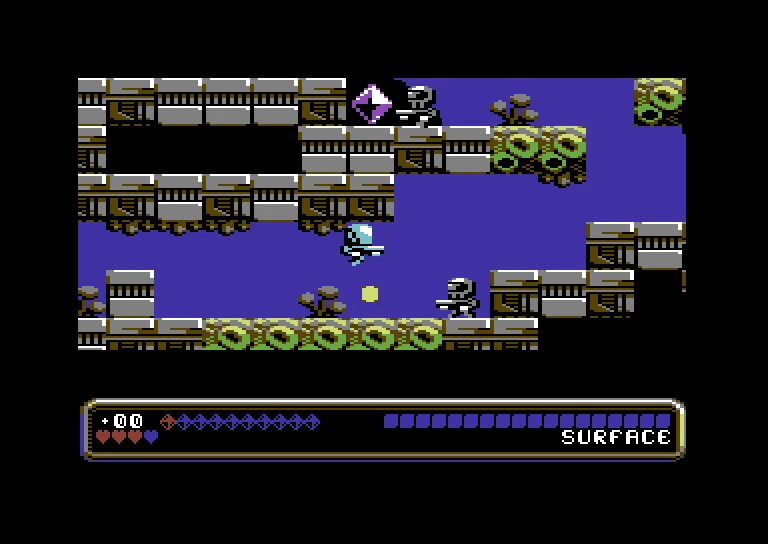
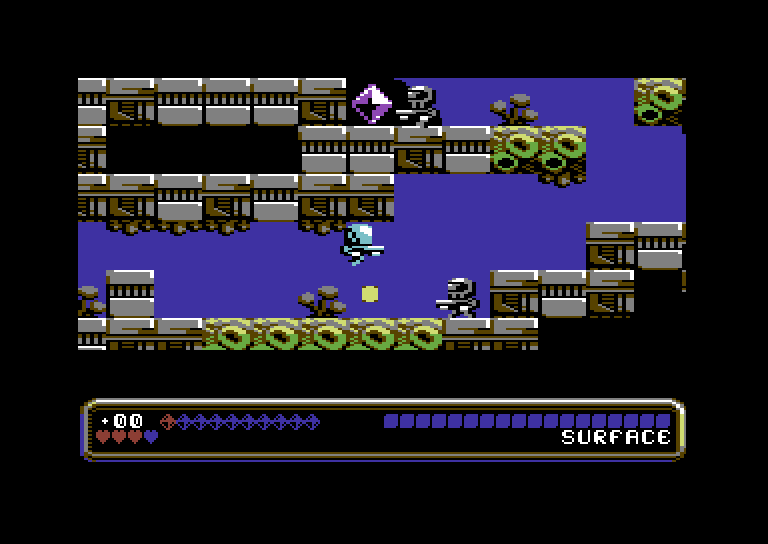
The digital landscape of retro gaming witnessed a significant release on June 27, 2026, with the debut of "Infe2tation," a highly anticipated action title for the venerable Commodore 64 home computer. Developed by Monte Boyd, this new run-and-gun adventure marks the return of the popular galactic sheriff protagonist, building upon the critical and community success of its 2024 predecessor. The game, available for digital download via platforms like itch.io, underscores the sustained vitality and innovative spirit within the Commodore 64 homebrew development scene, more than four decades after the platform’s initial launch.
"Infe2tation" is positioned as a direct follow-up to a title that garnered considerable acclaim and awards within the retro gaming community in 2024. While the specific name of the award-winning predecessor, presumably "Infe1tation" or a similarly titled debut, is not explicitly stated in the initial announcement, its success established Monte Boyd as a notable figure in modern C64 development. The new installment promises to expand upon the established formula, featuring the same "awesome galactic sheriff" in what is described as a high-octane run-and-gun experience. Players are tasked with navigating "massive levels," confronting a "varied array of enemies," and exploring "four distinct areas." Enhancing the gameplay experience are integrated "story cutscenes" designed to deepen the narrative, alongside a "robo-sidekick mini-game" that introduces an additional layer of interaction and strategic depth. These features collectively aim to deliver a comprehensive and engaging experience that pushes the boundaries of what is traditionally expected from a Commodore 64 title.
A Legacy Reimagined: The Predecessor’s Success and Community Impact
The foundation for "Infe2tation’s" anticipated success was firmly laid by its 2024 precursor. While details regarding the specific awards received by Monte Boyd’s earlier work are often localized within niche retro gaming forums, online communities, and specialized publications, such recognition typically signifies excellence in categories like gameplay design, technical execution, sound, or overall contribution to the C64 library. These accolades are highly valued within the homebrew scene, serving as powerful motivators for developers and indicators of quality for players. The success of the first game likely contributed to a heightened level of anticipation for its sequel, with enthusiasts eager to see how the developer would evolve the mechanics and narrative on a platform known for its inherent technical limitations. The original title’s positive reception likely stemmed from its ability to blend nostalgic aesthetics with modern gameplay sensibilities, proving that fresh and engaging experiences could still emerge from classic hardware. This established a precedent for "Infe2tation" to not only meet but exceed community expectations.
Commodore 64: An Enduring Platform in the 21st Century
The continued development and release of new games for the Commodore 64 in 2026 is a testament to the remarkable longevity and cultural impact of the platform. Launched by Commodore International in 1982, the C64 quickly became the best-selling single computer model of all time, with estimated sales figures ranging from 17 to 22 million units worldwide. Its widespread adoption was fueled by its relatively affordable price, advanced graphics capabilities (for its era), and the groundbreaking SID (Sound Interface Device) chip, which delivered unparalleled audio quality for home computers. These features cemented its place in gaming history, fostering a vibrant ecosystem of developers, users, and enthusiasts throughout the 1980s and early 1990s.
Even decades after its discontinuation in 1994, the Commodore 64 maintains an active and dedicated global community. This community is comprised of enthusiasts who engage in hardware restoration, software preservation, and crucially, new software development. Forums, online groups, and physical conventions regularly host discussions, share resources, and showcase new projects. The machine’s relatively well-documented architecture, coupled with modern development tools and emulators, has lowered the barrier to entry for a new generation of programmers and artists interested in exploring its capabilities. This enduring appeal is not merely about nostalgia; it reflects a genuine appreciation for the C64’s unique characteristics and the creative challenges it presents.
The Homebrew Renaissance and Modern Development Paradigms
The release of "Infe2tation" is emblematic of a broader "retro gaming renaissance," particularly within the homebrew scene for vintage computers and consoles. This movement sees independent developers creating entirely new games, utilities, and demos for platforms like the C64, ZX Spectrum, Amiga, and NES. Unlike commercial releases of the past, modern homebrew projects are often driven by passion, a desire to push technical boundaries, and a deep respect for the original hardware. Digital distribution platforms like itch.io have played a crucial role in facilitating this renaissance, providing an accessible marketplace for developers to share their creations directly with a global audience, often on a pay-what-you-want or donation basis, fostering a direct relationship between creator and player.
Development for the Commodore 64 in 2026 presents a unique set of challenges and opportunities. Developers must contend with limited memory (64 KB RAM), restricted color palettes (16 colors), and the processing power of a MOS 6510 CPU running at approximately 1 MHz. Crafting "massive levels" and "varied enemies" within these constraints requires exceptional programming skill, efficient data management, and clever graphical techniques. Modern tools, such as cross-compilers and sophisticated sprite editors running on contemporary PCs, streamline the development process significantly compared to the original era, allowing developers like Monte Boyd to achieve results that might have been impossible or prohibitively time-consuming in the 1980s. The integration of "story cutscenes" and a "robo-sidekick mini-game" further demonstrates an ambitious approach to game design on this vintage platform, aiming to deliver a rich, multi-faceted experience.
Technical Prowess on Vintage Hardware
The promise of "massive levels," "varied enemies," and complex gameplay elements like "story cutscenes" and a "robo-sidekick mini-game" within "Infe2tation" speaks volumes about the technical expertise employed by Monte Boyd. On the Commodore 64, achieving such scope requires meticulous optimization and innovative programming techniques. For instance, creating "massive levels" often involves sophisticated scrolling routines, efficient map data compression, and clever memory banking strategies to load level segments dynamically. "Varied enemies" would necessitate a diverse set of sprite definitions, distinct AI patterns, and careful management of the C64’s limited sprite capabilities (typically 8 hardware sprites per scanline, though multiplexing can extend this).
The inclusion of "story cutscenes" on the C64 is particularly noteworthy. Historically, cutscenes on this platform were often static images with text, or simple animations. Modern homebrew developers, however, are increasingly utilizing techniques such as advanced raster effects, dynamic color changes, and even streamed graphical data to create more engaging cinematic interludes. The "robo-sidekick mini-game" suggests a secondary gameplay mechanic, potentially involving a distinct control scheme or objective, which adds another layer of programming complexity to manage alongside the main run-and-gun action. These elements collectively illustrate a design philosophy that not only respects the C64’s limitations but actively seeks to transcend them, offering players an experience that feels both authentic to the platform and refreshingly modern in its ambition.
Community Anticipation and Developer Insights
The release of a highly anticipated sequel like "Infe2tation" invariably generates significant buzz within the retro gaming community. Forums, social media groups, and dedicated retro gaming news sites would likely be abuzz with discussions, previews, and eventual reviews. Players who enjoyed the predecessor would be eager to delve into the new narrative and gameplay enhancements. For developers like Monte Boyd, these releases are often passion projects, driven by a deep love for the platform and a desire to contribute to its ongoing legacy.
While specific statements from Monte Boyd regarding "Infe2tation" are not provided in the initial announcement, it is plausible to infer the sentiment that typically accompanies such a release. A developer in this position might express gratitude for the community’s support of the previous title, highlight the challenges and rewards of developing for the C64, and articulate their vision for expanding the game’s universe. "Creating a sequel on the Commodore 64 is a unique challenge," Monte Boyd might hypothetically state in an interview, "You want to build on what made the first game special, but also push the boundaries, offering players something new and unexpected, all while respecting the hardware’s spirit. The feedback from the community on our previous title was invaluable, and we’ve strived to incorporate those insights into making ‘Infe2tation’ an even more epic adventure for our galactic sheriff." Such statements underscore the collaborative and community-driven nature of modern retro game development.
Implications for Retro Gaming and Digital Preservation
The ongoing creation and release of new games for platforms like the Commodore 64 carry significant implications for both the retro gaming market and the broader field of digital preservation. From a market perspective, these releases demonstrate a sustained demand for niche content, proving that commercial viability can exist outside of mainstream AAA titles. This encourages further investment of time and resources into homebrew development, fostering a healthy ecosystem where creativity thrives. Platforms like itch.io, by providing a low-friction method for distribution, are crucial enablers of this market, allowing developers to reach their target audience directly.
Furthermore, new games like "Infe2tation" play a vital role in digital preservation. By demonstrating the continued relevance and functionality of vintage hardware, they encourage the maintenance of emulators, the development of new flash cart solutions, and the physical preservation of original machines. Each new game adds to the cultural archive of the platform, showcasing evolving design philosophies and technical achievements within a historical context. These efforts ensure that future generations can experience and study the evolution of computing and gaming, understanding the foundational technologies that led to today’s complex digital entertainment. The C64, with its robust community and continuous stream of new software, stands as a prime example of a platform that refuses to fade into obsolescence.
Looking Ahead: The Future of C64 Homebrew
The release of "Infe2tation" in 2026 is not an isolated event but rather a significant milestone within a dynamic and thriving homebrew scene. It reinforces the notion that creativity on older platforms is not merely about replicating past glories but about forging new paths. As technology continues to advance, the tools available to C64 developers will likely become even more sophisticated, potentially leading to even more ambitious and complex titles. The continued engagement of communities, the rise of new talent, and the support of digital distribution channels suggest a bright future for new software on classic hardware. "Infe2tation" serves as a powerful reminder that the golden age of the Commodore 64, far from being a distant memory, continues to evolve and surprise.