Indra Gunadi
A Technical Feat for the 128K ZX Spectrum
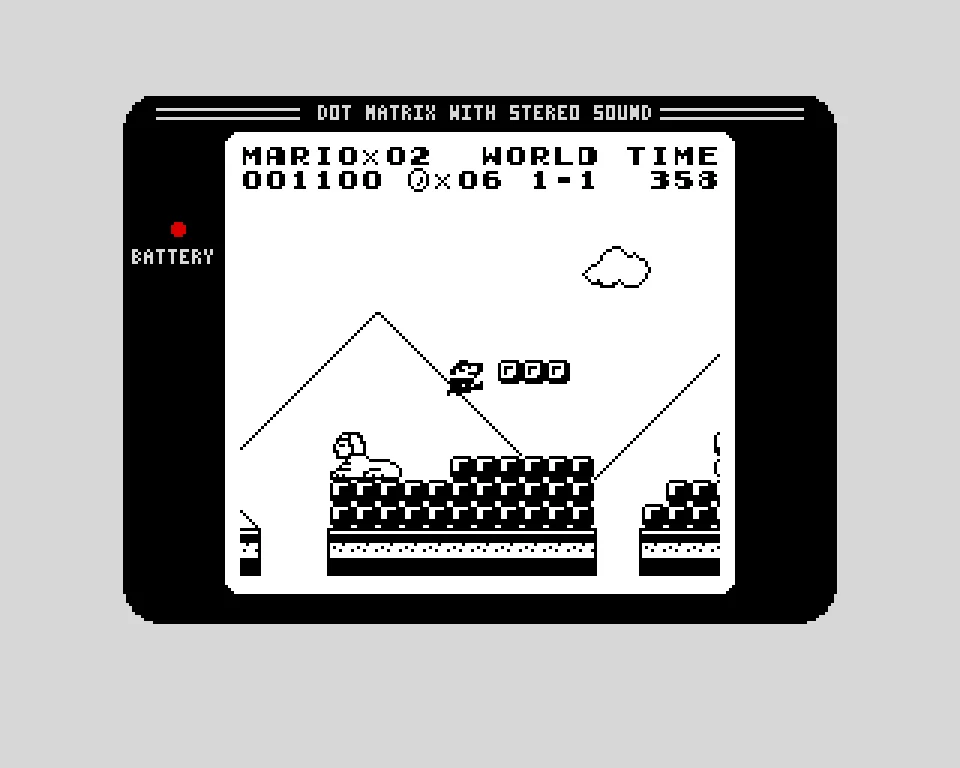
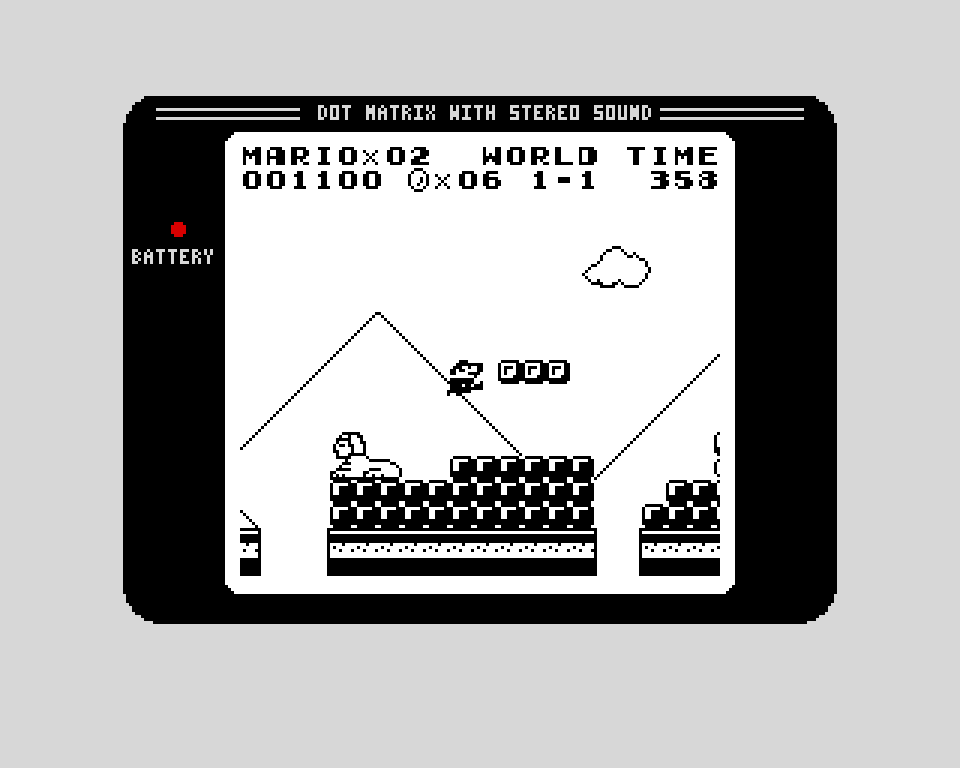
The project, spearheaded by developer kirby2000, is a comprehensive reimagining of Nintendo’s 1989 Game Boy launch title, Super Mario Land. The beta version currently available to the public features the entirety of the original’s 12-level campaign. This includes the challenging horizontal and vertical scrolling shooter sequences—the Marine Pop submarine stage and the Sky Pop airplane stage—which have been meticulously recreated to function within the memory constraints of the ZX Spectrum 128K model.
Central to this achievement is the audio engineering. The developer has successfully ported the original score, consisting of 18 distinct musical compositions, and arranged them specifically for the ZX Spectrum’s AY-3-8910 sound chip. By utilizing the 128K memory architecture, the game manages to load as a single binary, providing a seamless user experience that avoids the cumbersome multi-load processes often associated with high-fidelity ports on this hardware. The integration of AI-assisted coding tools has reportedly accelerated the development process, allowing for more complex sprite handling and collision detection than would have been feasible using traditional assembly-only workflows of the 1980s.
Historical Context of the ZX Spectrum Homebrew Scene
The ZX Spectrum, released in 1982 by Sinclair Research, remains one of the most beloved platforms in European computing history. Despite its modest 3.5MHz Zilog Z80 processor and a color-clash-prone display system, it has fostered a persistent, dedicated homebrew community that continues to produce software four decades after the machine’s commercial peak.
Super Mario Land occupies a unique space in Nintendo’s history. Directed by Gunpei Yokoi, the game was a departure from the Super Mario Bros. conventions established on the NES. Its limited color palette on the monochrome Game Boy forced a reliance on tight platforming mechanics and distinct art design. Mapping these design philosophies onto the ZX Spectrum is a complex task. While the Spectrum’s color resolution is lower (specifically in how it assigns color attributes to 8×8 pixel blocks), the platform’s high-speed Z80 processor allows for smooth movement, provided the software is optimized for the machine’s unique memory layout.
Timeline of Development and Release
The journey to bring Mario to the Spectrum has been a multi-year effort within the retro-gaming subculture:
- 1989: Nintendo releases Super Mario Land for the Game Boy, cementing the portable console’s success.
- 2020–2024: Various developers attempt smaller-scale ports or "demakes" of Nintendo properties on 8-bit systems, highlighting the technical challenges of color-clash mitigation.
- Late 2025: Kirby2000 begins the systematic conversion of the original Super Mario Land assets, focusing on memory management and sound-chip adaptation.
- October 2026: The public beta is released via community-driven platforms like PDROMs, marking the transition from a private technical demonstration to a playable public build.
Data and Technical Specifications
To understand the scale of this project, one must consider the disparity between the two systems. The Game Boy utilized a Sharp LR35902 processor, which was essentially a hybrid of the Z80 and the Intel 8080, running at approximately 4.19MHz. The ZX Spectrum 128K runs at 3.5MHz.
The primary challenge for the developer was the memory footprint. The original Game Boy cartridge size was 64KB (512 kilobits). Fitting the game, sound data, and level layouts into the 128KB of the Spectrum requires sophisticated compression algorithms. The AY-3-8910 chip offers three channels of sound, which has allowed the developer to recreate the iconic "Chai Kingdom" theme with a level of depth that mimics the original Game Boy’s four-channel audio output.
Industry and Community Reception
The release has been met with enthusiasm within the retro-gaming community, particularly among preservationists and collectors. While Nintendo maintains a strict policy regarding its intellectual property, these "homebrew" projects often exist in a gray area, tolerated by rights holders so long as they remain non-commercial and distributed as free software.
Independent analysts note that projects like Super Mario Land (2026) serve as a proof-of-concept for modern software development tools. By utilizing AI-assisted code generation, developers are able to troubleshoot memory leaks and register conflicts in a fraction of the time it took developers in the 1980s. This does not imply the work is automated; rather, it suggests that the "human-in-the-loop" model has become the new standard for high-end homebrew development.
Broader Implications for Retro Preservation
The successful porting of Super Mario Land highlights a shift in how retro gaming is preserved. Rather than relying solely on emulation, which requires a host system to mimic the hardware, developers are increasingly focused on "native ports." A native port ensures that the game runs exactly as the hardware intended, preserving the original timing, input latency, and visual artifacts that define the "feel" of the system.
This trend has significant implications for digital archiving. As original hardware ages and capacitors degrade, the ability to run software natively on original units—or on modern hardware recreations like the ZX Spectrum Next—ensures that these titles remain playable for future generations. Furthermore, the ability to translate gameplay logic across drastically different architectures (from the Game Boy’s tiling system to the Spectrum’s character-attribute system) represents a significant advancement in software engineering skills within the hobbyist community.
Challenges and Future Prospects
Despite the success of the current beta, challenges remain. The developer has noted that fine-tuning the collision detection for the submarine and plane stages is an ongoing process. Because the ZX Spectrum’s screen is formatted differently than the Game Boy’s, horizontal scrolling (the "parallax" effect) requires intensive CPU usage. Future updates are expected to address performance dips in high-density areas of the screen.
Looking ahead, the success of this project may encourage further experimentation. There is already speculation regarding whether other Nintendo titles, such as Metroid or Kirby’s Dream Land, could be effectively ported using the same development framework. However, the complexity of these titles increases exponentially with the number of on-screen sprites and the sophistication of the game’s internal physics engine.
Conclusion
The Super Mario Land (2026) project by kirby2000 is more than just a nostalgia project; it is a testament to the enduring appeal of 8-bit architecture and the ingenuity of modern developers. By successfully navigating the technical hurdles of memory management, audio conversion, and visual adaptation, the developer has provided a new way to engage with one of the most influential games of the 20th century.
As the public beta continues to receive feedback from the community, the development trajectory suggests that this version will likely stand as the definitive ZX Spectrum rendition of the classic Nintendo title. Whether viewed through the lens of software preservation, technical engineering, or cultural history, the project underscores the vibrancy of the retro gaming landscape and the potential for new life to be breathed into aging, yet iconic, hardware platforms. The release stands as a reminder that with enough dedication and the right set of modern tools, the boundaries of classic computing hardware continue to expand, ensuring that the legacy of these early titles remains as dynamic today as it was at their original inception.