Cecilia Chamidah Nur
The contemporary internet landscape presents a complex and often challenging environment for content consumers and creators alike. Recent trends indicate a significant shift, characterized by increasing media consolidation, the pervasive proliferation of AI-generated content, and the influential algorithms of social media contributing to phenomena like "doom-scrolling." This evolving digital ecosystem frequently diminishes the visibility and sustainability of quality, human-curated content, especially within niche communities. Against this backdrop, the preservation and dissemination of authentic, deeply researched information, particularly within vibrant sectors such as retro gaming, have become increasingly vital. This article delves into a selection of exemplary online platforms and media outlets dedicated to retro gaming, highlighting their unique contributions and emphasizing the critical role of audience support in sustaining independent journalism and specialized content creation in an ever-changing digital era.
The Evolving Digital Media Landscape and Its Challenges
The digital media industry has undergone profound transformations in recent years, impacting both established giants and independent voices. A consistent trend of mergers and acquisitions has led to significant media consolidation, where smaller, often specialized publications are either absorbed by massive conglomerates or, in many cases, entirely closed down. Industry reports from organizations like Statista and PwC indicate a steady decline in the number of independent newsrooms, with larger entities dominating the market. This concentration of ownership often results in a homogenization of content, reduced journalistic diversity, and a focus on broad appeal over deep, specialized coverage. The economic pressures, driven by fluctuating advertising revenues and the rising costs of quality content production, further exacerbate this challenge, forcing many outlets to seek alternative funding models or face closure.
Simultaneously, the rapid advancement and widespread deployment of generative AI technologies have introduced a new layer of complexity. AI models are increasingly being used to create online text content, often lacking the nuanced understanding, factual accuracy, and original insight that human journalists provide. A 2024 study by NewsGuard, for instance, identified numerous "unreliable AI-generated news websites" publishing content without human oversight. This proliferation of "clanker-made slop," as some industry observers describe it, dilutes the overall quality of information available online, making it harder for users to discern credible sources from automated fabrications. The potential for AI to flood the internet with low-quality or even misleading content poses a significant threat to information integrity and public trust.
Furthermore, the design and algorithms of major social media platforms have fostered environments where engagement often supersedes user well-being. Research published in academic journals like Cyberpsychology, Behavior, and Social Networking consistently highlights the addictive nature of these platforms, which prioritize viral content and emotionally charged narratives. This often leads to "doom-scrolling," a phenomenon where users spend excessive amounts of time consuming negative news and distressing content, contributing to heightened anxiety and other adverse psychological effects. In such a climate, platforms that offer a respite from these overwhelming trends and provide focused, positive, and community-driven content become invaluable havens for users seeking meaningful engagement.

The Imperative of Supporting Niche Content and Independent Journalism
Amidst these widespread challenges, independent media outlets and specialized content platforms like Time Extension, part of the Hookshot Media network, strive to be beacons of hope. They offer an alternative to the generalized, often algorithm-driven content churn, providing in-depth analysis, expert commentary, and a dedicated focus on specific interests, such as retro gaming. These sites often cultivate strong communities around shared passions, fostering discussions and knowledge exchange that are increasingly rare on mainstream platforms.
However, the sustainability of these vital resources hinges significantly on audience support. Unlike large conglomerates with diversified revenue streams, many independent sites rely heavily on direct reader contributions and advertising revenue. Contributing to supporter schemes, such as Time Extension’s own initiative, provides a stable and predictable income stream, enabling these outlets to invest in high-quality journalism, secure exclusive interviews, and maintain technical infrastructure. Moreover, simply visiting these websites regularly, ideally with ad blockers temporarily deactivated, plays a crucial role. Advertising impressions and clicks translate directly into revenue, which is often the sole means by which websites operating in niche spaces can afford to create the rich, engaging content that consumers enjoy for free. Every click, every page view, and every direct contribution makes a tangible difference, empowering these platforms to continue their mission of informing and entertaining their dedicated audiences.
Spotlight on Essential Retro Gaming Resources
The following selection represents some of the most respected and valuable online destinations for enthusiasts of retro gaming, each offering a unique perspective and contributing significantly to the community.
Retro Dodo
Founded by Brandon Saltalamacchia, Retro Dodo has rapidly established itself as a premier destination for news, reviews, and guides concerning modern-day emulation handhelds. Saltalamacchia’s commitment to the community, evidenced by his personal assistance and generosity to emerging enthusiasts, reflects the site’s ethos. Retro Dodo’s website is known for its attractive design and rich content, covering everything from the latest Anbernic and Retroid Pocket devices to in-depth analyses of specific game compatibility and software updates. Its comprehensive coverage makes it a go-to source for individuals navigating the rapidly expanding and often complex world of portable retro gaming. Beyond its extensive written articles, Retro Dodo also maintains a highly active and popular YouTube channel, which features video reviews, tutorials, and showcases of new hardware, further enhancing its reach and providing a visual dimension to its detailed reporting. The channel’s growing subscriber base underscores its influence and the high demand for its specialized content.

Indie Retro News
For fans of classic home computers and the vibrant community that continues to support them, Indie Retro News is an indispensable resource. The site meticulously tracks and reports on unofficial home computer ports, mods, and new game releases for iconic platforms such as the Commodore 64, ZX Spectrum, Amiga, and Amstrad CPC. This niche focus distinguishes it from broader retro gaming sites, offering a dedicated platform for news that might otherwise go unnoticed. The enduring legacy of these early computer systems has fostered a passionate homebrew and modification scene, continually creating new experiences and hardware enhancements for decades-old machines. Indie Retro News serves as the central hub for this activity, providing daily updates on community projects, hardware developments, and software releases, ensuring that the legacy of these foundational computing platforms remains alive and well.
Read Only Memo
Delivered as both a meticulously maintained website and a bi-weekly email newsletter, Read Only Memo provides insightful and often exclusive coverage of critical topics within retro gaming. Its scope extends beyond mere game reviews, delving into complex subjects such as game emulation, digital game preservation efforts, and FPGA (Field-Programmable Gate Array) development. These areas are fundamental to ensuring the longevity and accessibility of gaming history, addressing technical challenges and philosophical debates surrounding how best to safeguard our digital heritage. What truly sets Read Only Memo apart is its consistent feature of exclusive interviews with the engineers, developers, historians, and enthusiasts who are at the forefront of this crucial work. These interviews offer unparalleled direct insights into the motivations, challenges, and breakthroughs in game preservation and hardware development, providing a unique primary source for understanding the intricacies of the retro gaming landscape.
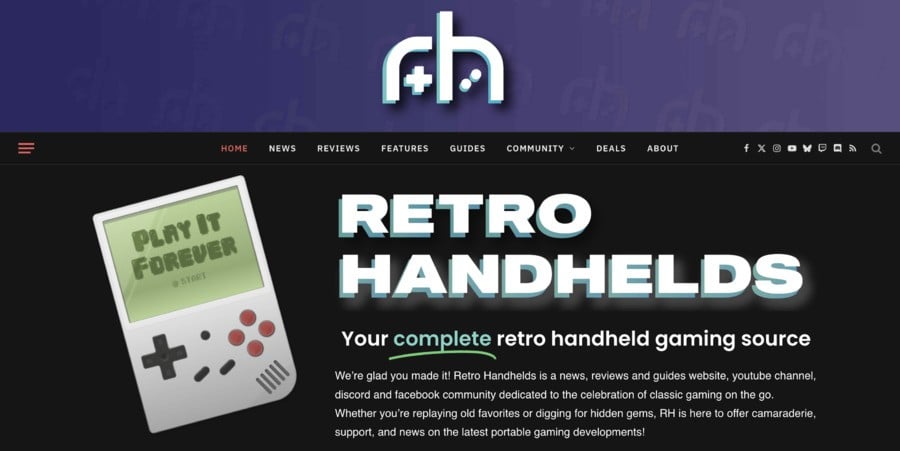
Retro Handhelds
As indicated by its name, Retro Handhelds is a specialized platform entirely devoted to documenting the fascinating and fast-evolving sector of gaming hardware: emulation handhelds. Given the increasing popularity and technological advancements in this field, a dedicated resource like Retro Handhelds is invaluable. The site provides a comprehensive repository of the latest news, in-depth reviews, and practical guides for a wide array of portable emulation devices. From detailed specifications and performance benchmarks to user-friendly tutorials on setting up operating systems and emulators, Retro Handhelds caters to both seasoned enthusiasts and newcomers. Its focused expertise ensures that readers receive the most accurate and up-to-date information, making it an essential bookmark for anyone interested in the dynamic world of portable retro gaming.
Shmuplations
Despite its genre-specific name, Shmuplations offers a broad appeal to anyone interested in the historical development of Japanese video games. Primarily, the site serves as an invaluable archive of freshly translated interviews with legendary Japanese game designers and developers from the 1980s, 1990s, and 2000s. These interviews, often sourced from obscure Japanese magazines and books, provide a unique and indispensable glimpse into the minds of some of the industry’s most influential figures, including Shigeru Miyamoto (creator of Mario and Zelda), Akira Yasuda (Capcom artist and designer), Koji Igarashi (producer of Castlevania: Symphony of the Night), and many others. The site’s meticulous translation work unearths cultural insights, design philosophies, and development anecdotes that are otherwise inaccessible to non-Japanese speakers, making it a critical resource for academic researchers, game historians, and passionate fans seeking a deeper understanding of gaming’s golden eras.
GamesRadar+
While GamesRadar+ operates as a broad-spectrum gaming news and reviews site, its retro coverage stands out as some of the most robust and consistently high-quality content available online. Spearheaded by talented journalists such as Phil Hayton and Dustin Bailey, the retro section of GamesRadar+ offers brilliantly written and exhaustively researched articles that delve into gaming history, revisit classic titles, and provide insightful hardware reviews. The site effectively leverages its larger platform to produce content with high production values and extensive reach, often providing comprehensive historical analyses and critical retrospectives that explore the cultural impact and enduring appeal of vintage games. Time Extension frequently cites GamesRadar+ as a source, underscoring its journalistic credibility and the depth of its retro-focused reporting, which includes everything from in-depth explorations of the Commodore 64 to examinations of forgotten console peripherals.
Retro Game Corps
Russ from Retro Game Corps has rapidly ascended to become one of the web’s foremost experts on emulation handhelds. Primarily operating through his highly successful YouTube channel, which is quickly approaching a million subscribers, Russ provides detailed, accessible, and authoritative breakdowns of devices from major manufacturers like Anbernic, AYANEO, and AYN. His content covers everything from initial impressions and unboxing videos to comprehensive performance tests, software setup guides, and comparisons between competing devices. The immense popularity of his channel is a testament to the quality of his content, his technical expertise, and his ability to communicate complex information clearly to a broad audience. For anyone considering purchasing an emulation handheld or seeking to optimize their existing setup, Retro Game Corps is an essential video resource.

IGN
As a multimedia behemoth covering a vast array of topics from video games to movies, comics, and TV shows, IGN maintains a significant focus on gaming, including consistent and reliable retro news coverage. Its longevity and established presence in the industry lend it considerable weight. IGN’s retro coverage benefits from a strong journalistic pedigree, with senior staffers who have deep roots in gaming journalism. For instance, Alex Simmons, formerly of the pioneering UK weekly video game magazine Games-X, serves as IGN’s UK Studio Head, bringing decades of experience. Additionally, former Eurogamer superstars Tom Phillips and Wesley Yin-Poole contribute their expertise as senior staffers. This collective experience ensures that IGN’s retro articles are well-researched, authoritative, and engaging. Even for those primarily interested in vintage gaming news, IGN offers a broad perspective and high-quality reporting that makes it worthy of a daily visit.
Forgotten Worlds
Forgotten Worlds stands out for its unique approach to celebrating retro gaming, operating not only as a vibrant website but also as a beautifully produced physical magazine. Created by Time Extension contributor Mikolai Napieralski, this publication is a heartfelt homage to the golden age of print media, specifically the monthly gaming magazines that defined the 1990s. Each issue of the Forgotten Worlds magazine is meticulously designed, offering a tangible and nostalgic experience that digital-only content cannot replicate. It delves into specific themes, such as Sega’s "blue skies" era, providing deep dives and curated content that appeals directly to the sensibilities of ’90s kids who fondly remember flipping through glossy pages filled with game reviews and features. The website complements the print offering, providing additional content and serving as a hub for enthusiasts of this unique blend of modern and retro media.
The Retro Hour Podcast
For those who prefer auditory content, The Retro Hour Podcast offers an exceptional and long-running resource. With hundreds of episodes under its belt over a decade of broadcasting, the podcast has cemented its status as a cornerstone of the retro gaming community. Hosted by Joe Fox, Dan Wood, and Ravi Abbott, each episode features a comprehensive roundup of the latest retro gaming news, followed by a lengthy and profoundly insightful interview with some of the biggest names in the industry. Guests have included iconic developers, hardware engineers, and industry veterans, sharing their stories and perspectives on gaming history. The podcast’s consistent quality, engaging hosts, and rich archive of interviews make it an invaluable listen for newcomers and long-time fans alike, providing a convenient way to stay informed and entertained while on the go.
My Perfect Console Podcast
Hosted by the esteemed journalist Simon Parkin, My Perfect Console offers a distinctive and highly engaging take on gaming discussions. The podcast’s unique premise involves Parkin interviewing a different celebrity or games industry legend on each episode, intertwining conversations about their lives and careers with a specific challenge: selecting five games they would pre-install on their ‘perfect’ console. This format elicits personal, reflective, and often surprising insights into the guests’ gaming experiences and preferences. The caliber of previous guests is exceptionally high, featuring luminaries such as Peter Molyneux, Ed Fries, Mark Cerny, Shuhei Yoshida, Eugene Jarvis, and Rhianna Pratchett. Parkin also diversifies his guest list by inviting comedians, writers, and musicians, offering a broad spectrum of perspectives on gaming’s cultural impact and personal significance.
The Broader Hookshot Media Ecosystem
It is essential to acknowledge that Time Extension operates as a proud member of the Hookshot Media network, an independent family of digital publications dedicated to various facets of gaming. This network includes highly specialized and respected sites such as Nintendo Life, which offers comprehensive coverage of all things Nintendo; Push Square, the definitive source for PlayStation news and reviews; and Pure Xbox, catering to the Xbox community. This collective approach allows for a wide yet focused range of content, addressing the specific interests of diverse gaming audiences. Furthermore, Hookshot Media is partnered with the knowledgeable experts at Digital Foundry, renowned for their in-depth technical analyses of game performance and hardware. This collaborative ecosystem reinforces the commitment to independent, high-quality gaming journalism across multiple platforms, offering readers a curated selection of reliable and passionate voices within the industry.
The Future of Retro Gaming Content and Community Engagement
The challenges facing the broader internet — from media consolidation to AI-generated content and the addictive nature of social media — underscore the enduring value of specialized, human-curated platforms like those dedicated to retro gaming. These sites do more than just report news; they foster communities, preserve history, and provide a vital space for enthusiasts to connect and share their passion. The continued success and growth of these resources depend significantly on the active engagement and support of their audiences. By visiting, sharing, and contributing, readers play a direct role in sustaining a diverse and vibrant digital media landscape, ensuring that expert voices and niche interests continue to thrive against the backdrop of an ever-changing online world. The commitment to quality, authenticity, and community remains the bedrock upon which the future of retro gaming content will be built.