Cecilia Chamidah Nur
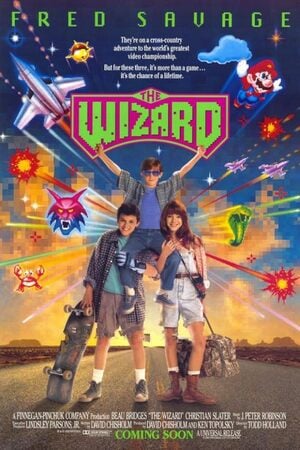
In an era where Nintendo-inspired films like the critically acclaimed and financially successful The Super Mario Bros. Movie (2023) dominate global box offices, it’s easy to overlook the Japanese gaming giant’s far more nascent and often tumultuous first forays into Hollywood. Before the 2023 animated blockbuster shattered records, and long before the infamous live-action Super Mario Bros. film of 1993 and 1994’s Double Dragon adaptation proved disastrous for the burgeoning video game movie genre, Nintendo cautiously tested the cinematic waters with a unique proposition: a film about video games, not directly adapting one. This pioneering effort was 1989’s The Wizard, a movie that, despite a lukewarm initial reception, would ultimately carve out a significant niche as a cherished cult classic, profoundly influencing a generation of gamers and filmmakers alike.
The Genesis of a Gaming-Inspired Film
The year was 1989. Nintendo of America reigned supreme in the home console market, with the Nintendo Entertainment System (NES) having revitalized the video game industry after the crash of 1983. Its mascot, Mario, was a household name, and children across the globe were captivated by titles like The Legend of Zelda and Metroid. Sensing an opportunity to further expand brand visibility beyond console screens, Universal Pictures executive Tom Pollack conceived a bold idea: a "video game version of Tommy," referencing Ken Russell’s bombastic 1975 rock opera film based on The Who’s iconic album. Pollack’s vision was not to adapt a specific game, but rather to craft a narrative where video games served as the central catalyst for a compelling human story.
Universal pitched the concept to Nintendo of America’s marketing department, which, recognizing the potential for unprecedented product placement and brand synergy, readily came on board. The project, initially titled Video Armageddon, was swiftly greenlit. David Chisholm penned the screenplay, which centered on a dysfunctional family’s cross-country journey, culminating in a major video game competition. At its heart, it was a traditional coming-of-age road movie, driven by a surprising amount of emotional depth and human strategy, with video games serving as the vehicle rather than the sole reason for its existence.
Assembling the Cast and Crew Under Pressure
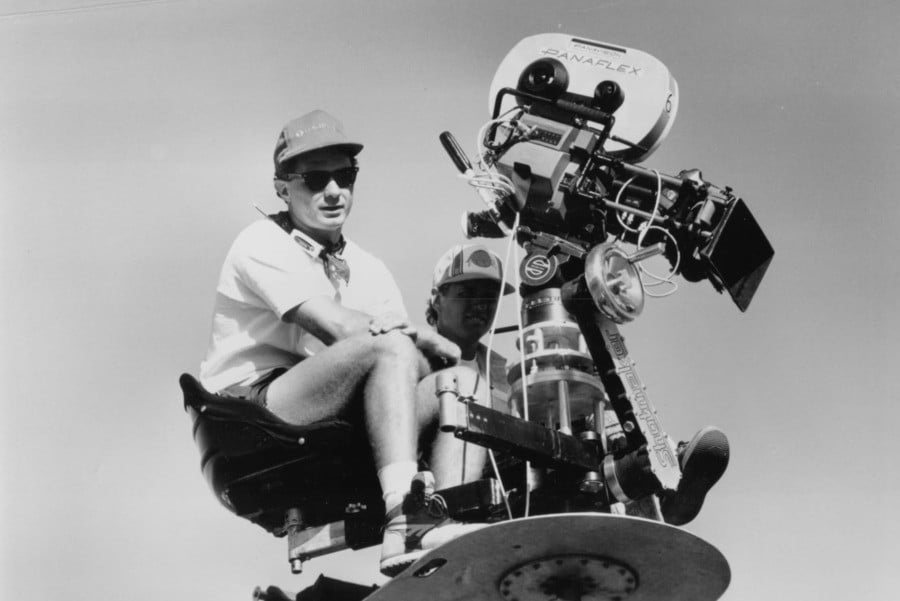
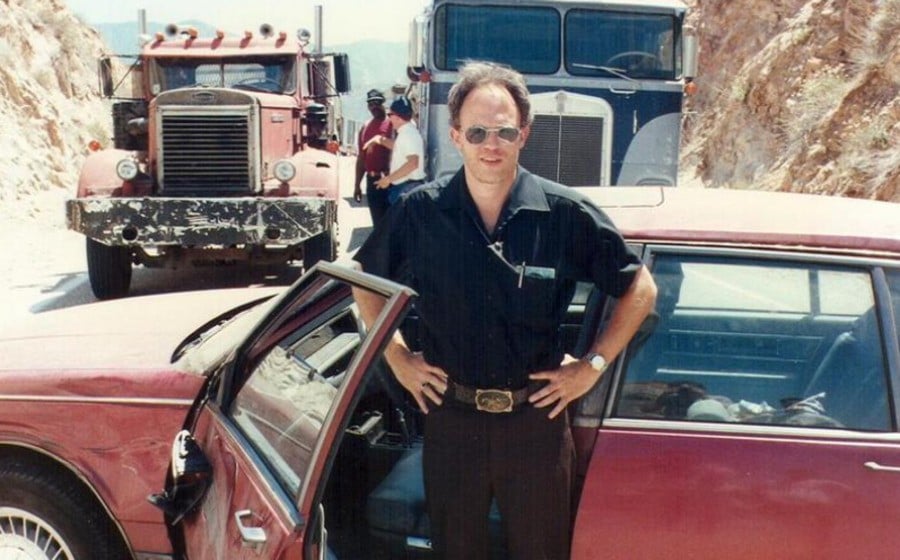
The directorial reins were handed to Todd Holland, an award-winning talent who would later gain renown for his work on television series such as The Larry Sanders Show and Malcolm in the Middle. Holland’s involvement came about rapidly, a testament to the urgency of the production schedule. "I read The Wizard on a Thursday, interviewed for the job on Friday, got the job and was prepping the film on Monday," Holland recounted in a retrospective interview. "We were shooting five weeks later – which is an incredibly short prep for any feature." This breakneck pace was largely dictated by the availability of the film’s young lead, Fred Savage, then a colossal child star known for his role as Kevin Arnold in the hugely popular television series The Wonder Years. Savage’s brief hiatus from his TV schedule provided a narrow window for production.
Universal, according to Holland, initially hesitated to entrust him with the director’s chair, preferring a "tradesman" TV movie director. However, Holland’s unique pitch swayed them: as a non-gamer, he argued he was the ideal choice to make video games interesting to everyone, not just the already converted. This perspective proved crucial in balancing the film’s commercial elements with its narrative aspirations.
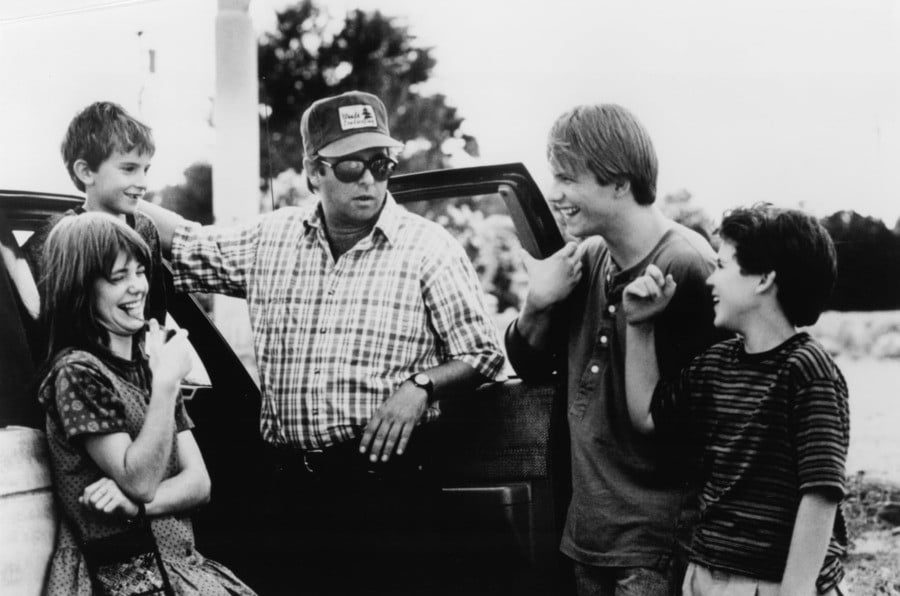
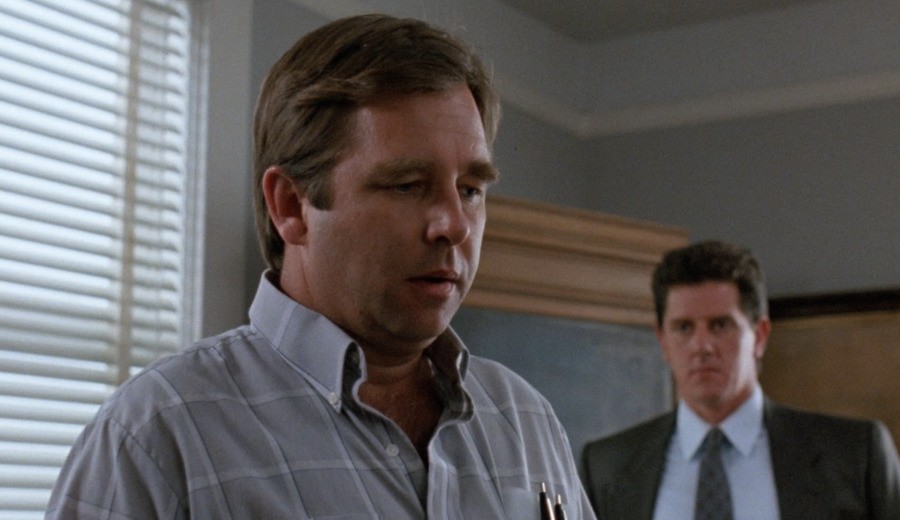
Casting director Mali Finn, who would later become celebrated for her work on blockbusters like The Matrix and Titanic, played a pivotal role in assembling the ensemble. Savage’s attachment provided a significant draw, allowing Holland to secure other talented actors. Luke Edwards, cast as the enigmatic Jimmy Woods, had already garnered recognition for his role in the mini-series I Know My First Name Is Steven. Edwards, then a young boy, admitted to being largely oblivious to Savage’s widespread fame, more preoccupied with his G.I. Joes. Christian Slater, fresh off his breakout role in 1988’s Heathers, joined as Jimmy and Corey’s older brother, Nick, reportedly interested in working with veteran actor Beau Bridges, who portrayed the family patriarch, Sam Woods. Bridges, a three-time Emmy winner and part of a revered acting dynasty, brought a professional gravitas to the set, understanding Holland’s desire for emotional depth within the family narrative.
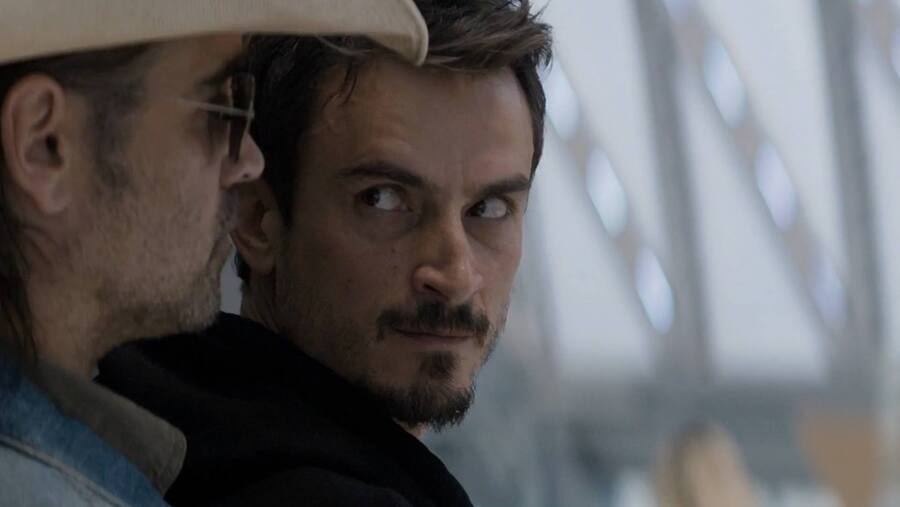
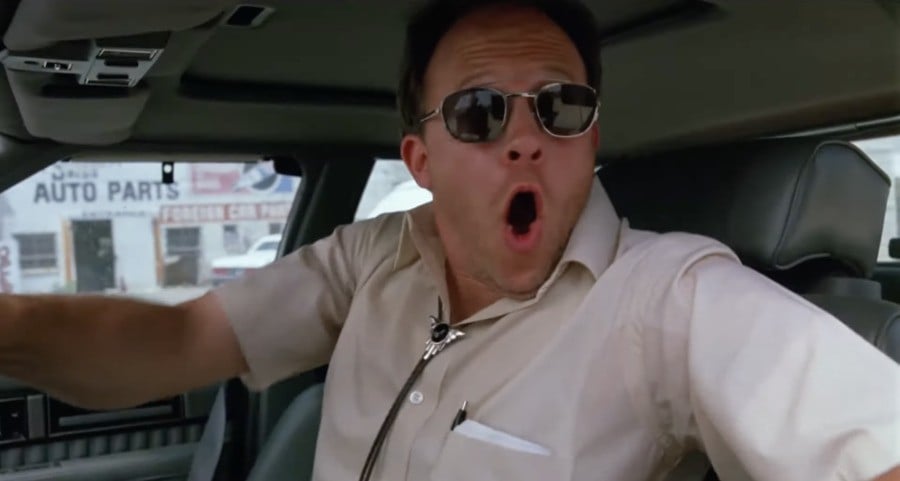
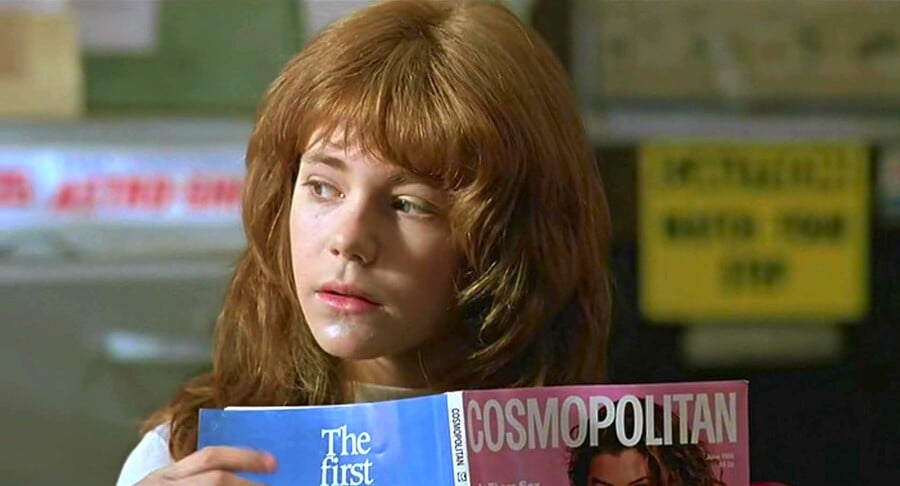
One of Holland’s most significant casting battles involved the role of Haley Brooks, the street-smart girl who joins Corey and Jimmy on their adventure. Universal pushed for a "Texas beauty-queen type," but Holland championed a more natural talent. Ultimately, Mali Finn discovered Jenny Lewis, a young actress who possessed both beauty and raw acting skill. Lewis would later achieve considerable fame as the lead singer of the indie rock band Rilo Kiley, a trajectory that Holland, in retrospect, found particularly gratifying. Will Seltzer, a friend from Holland’s acting class, was cast as the comically villainous bounty hunter Putnam, a decision Holland highlighted as indicative of a "simpler age" where talent could win out over an extensive resume. Even a young, uncredited Tobey Maguire made an appearance, a detail that surprised Holland and Edwards years later.
Navigating Narrative, Product Placement, and Studio Battles
The film’s modest budget of $6 million necessitated a tight production, yet it traversed diverse locations, from the small town of Fallon, Nevada, to the bustling casinos of Reno, and the iconic Universal Studios backlot in Los Angeles. Shooting presented numerous challenges: the legalities of filming with minors in casinos, the logistical nightmares of working on Universal’s property where "nothing stops the trams," and the strict limitations on child actors’ working hours.
However, Holland’s most significant battles were fought over the script itself. He vehemently argued that the initial screenplay was excessively long, resulting in a bloated first assembly cut of two and a half hours. Despite his warnings, the studio insisted on shooting the entire script, forcing Holland to later cut an entire hour of footage. This "lost hour" primarily involved extended emotional setups for Corey’s home life and additional scenes with his friends, elements Holland regretfully had to excise.
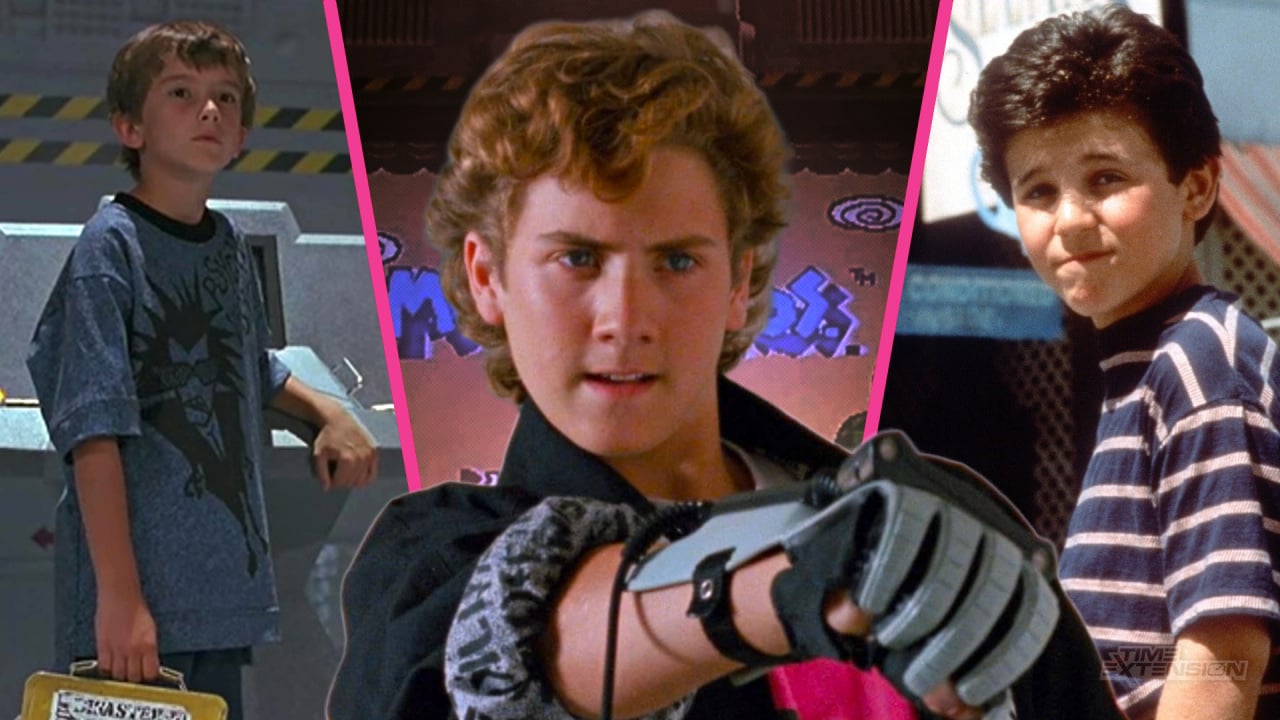
A pivotal aspect of The Wizard‘s enduring legacy is its groundbreaking, albeit often criticized, use of product placement. In 1989, overtly featuring branded products in films was still relatively novel, drawing critical fire as "cynical exploitation," as famously articulated by film critic Roger Ebert. Yet, Holland viewed it as an organic fit. Nintendo, enjoying unparalleled market dominance, actively cooperated, eager to promote upcoming products. The film became the unwitting launchpad for two of Nintendo’s most anticipated releases: the revolutionary Super Mario Bros. 3 and the innovative, if ultimately flawed, Power Glove controller. Holland recalled the top-secret nature of Super Mario Bros. 3, with its reveal in the film serving as a massive marketing coup. The Power Glove, a wearable controller, was given a prominent role, empowering the film’s slick villain, Lucas Barton, and creating a memorable, if somewhat campy, catchphrase: "I love the Power Glove. It’s so bad." Holland noted the extreme security surrounding the Power Glove during filming, with a dedicated security guard and locked briefcase.
Crucially, Holland stressed that Nintendo never dictated script changes, allowing the creative team to integrate the products naturally into the narrative. He acknowledged the irony of the criticism, contrasting it with today’s ubiquitous product placement, where audiences expect to see characters using branded phones or drinking specific sodas.
The Power of the Dinosaur Ending: A Director’s Vision Prevails
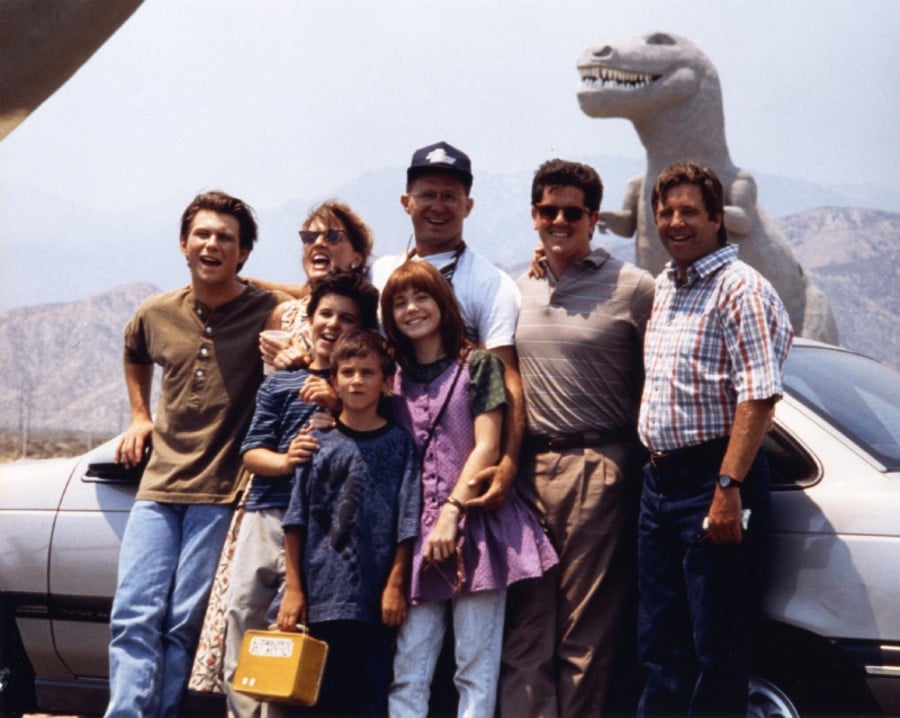
Beyond the commercial integrations, Holland fought passionately to imbue The Wizard with profound emotional depth, particularly concerning Jimmy’s character arc. The original script depicted Jimmy wandering aimlessly, his trauma from witnessing his twin sister’s drowning remaining largely unaddressed, culminating in a bizarre scene where he discards her mementos into a river. Holland found this ending "outraged," arguing it betrayed the core emotional premise.
He proposed a radical rewrite: Jimmy’s repeated utterance of "California" wasn’t aimless, but a secret purpose – a pilgrimage to the last place his family had been happy together, to lay his sister’s cherished lunchbox of mementos to rest. This place, Holland envisioned, would be the iconic Cabazon Dinosaurs outside Palm Springs. This revised ending transformed Jimmy from a "deranged semi-vegetable" into a deeply wounded boy seeking closure, a catalyst for the entire broken family’s healing.
This creative battle further strained Holland’s relationship with the producer and studio, devolving into an "us vs. them" dynamic. Even after winning the argument for the dinosaur ending conceptually, the studio, amidst production stress, attempted to cut it, along with all references to California. Holland, shooting complex stunts on the Universal backlot, vehemently refused, arguing it would render three-quarters of the film nonsensical. "It’s crazy – just fucking crazy – not to finish what we started at this point," he recalled telling his producer. Miraculously, he prevailed.
The iconic final scene, a poignant moment of familial reconciliation inside the Brontosaurus, was a testament to Holland’s unwavering vision and improvisation. With no published script changes from the uncooperative producer and writer, Holland wrote the emotional beats himself the night before the shoot. He relayed the lines directly to the actors during rehearsal, and that is what was filmed, inside the actual dinosaur. This scene, against all odds, proved to be the highest-scoring segment with test audiences, validating Holland’s creative instincts and providing the film with its much-needed emotional catharsis. Luke Edwards remembers the "hectic atmosphere" but credits Beau Bridges with bringing "honesty to that moment."
Initial Reception and the Path to Cult Status
Upon its release in December 1989, The Wizard generated $14.3 million at the box office against its $6 million budget. While not an outright financial flop, this figure was a significant disappointment for Universal, who had hoped the "Fred Savage/Nintendo" equation would yield a much larger return. Critically, the film was largely savaged. Roger Ebert famously lambasted it as "a cynical exploitation film with a lot of commercial plugs," labeling it "insanely overwritten and ineptly filmed" and ranking it among the worst movies of the year. The scathing reviews and modest box office performance took a toll on Holland, who found himself unable to secure a new directing job for seven months.
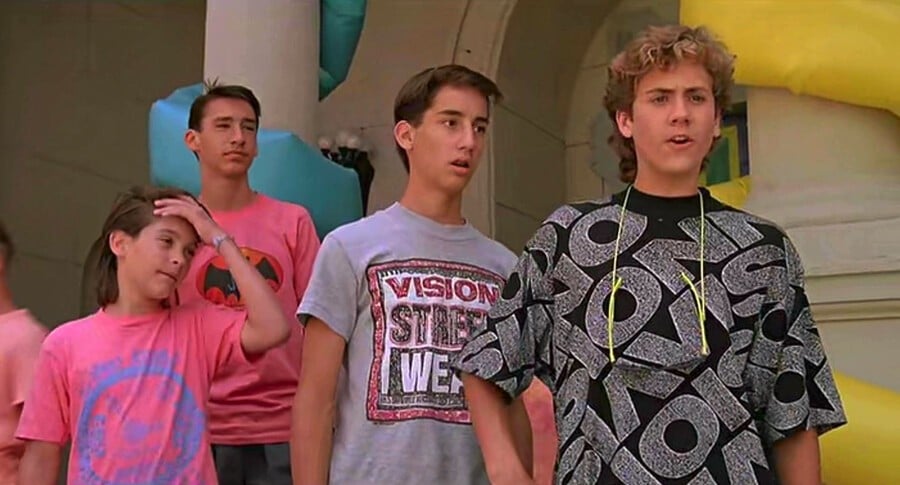
Despite the initial commercial and critical hurdles, The Wizard refused to fade into obscurity. Its inclusion of cutting-edge NES games and its unique blend of adventure with a surprisingly heartfelt family drama resonated deeply with a specific demographic: the children and teenagers who grew up with Nintendo. As home video became prevalent and, later, the internet fostered communities of nostalgic fans, The Wizard began its journey to cult classic status.
Holland himself only truly grasped the film’s enduring appeal years later, primarily through online fan communities. "It wasn’t until the DVD came out – of course, unannounced by Universal – that the internet allowed me to connect with the fans and finally understand that I hadn’t failed," he reflected. "Everything I’d fought to put on film had been really loved and appreciated." This disconnect between studio perception and audience appreciation is a common thread in cult film history.
Legacy and Reappraisal
Today, The Wizard is celebrated not merely as a relic of 80s pop culture or an extended Nintendo commercial, but as a surprisingly earnest and emotionally resonant film. Its portrayal of a broken family struggling with grief, set against the backdrop of a cross-country video game adventure, struck a chord with many. For gamers, it’s a nostalgic time capsule, featuring iconic NES titles and providing the first major reveal of Super Mario Bros. 3. For film enthusiasts, it’s an intriguing example of a director fighting for his artistic vision against studio pressures, culminating in an emotionally impactful ending that defied initial expectations.
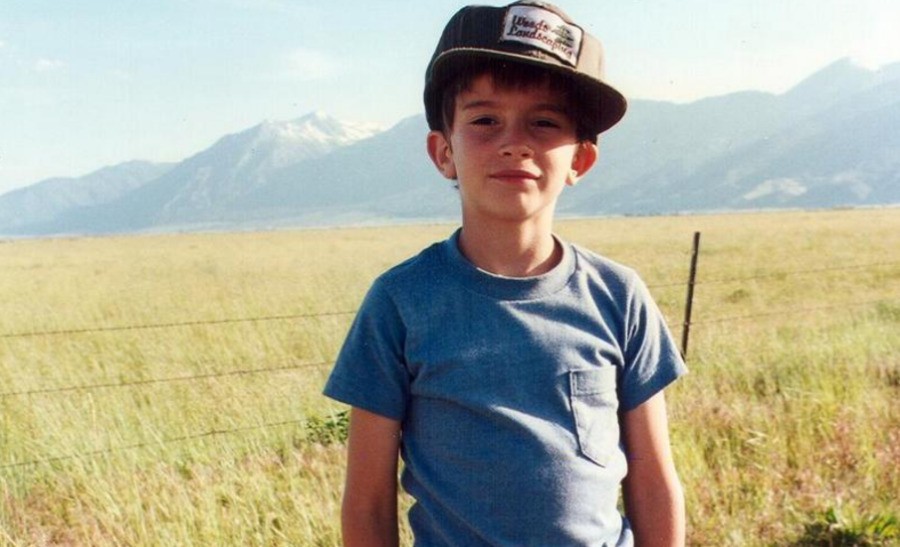
Luke Edwards, reflecting on the film’s enduring popularity, expressed a profound artistic satisfaction. "It’s been interesting walking through life, and every so often, you meet someone for whom the film was a big part of their childhood, and you then get to see their excitement and nostalgia when talking about it – that feels good. We were a part of peoples’ lives from afar."
As The Wizard approaches its 35th anniversary this December, its place in cinematic history is secure. It stands as a fascinating precursor to today’s video game movie boom, demonstrating Nintendo’s early, experimental steps into Hollywood. It is a testament to the power of a director’s conviction, the unexpected resonance of product placement, and the unpredictable journey a film can take from critical dismissal to cherished cult status. While Nintendo’s recent cinematic ventures benefit from decades of technological advancement and a more receptive audience, The Wizard remains a foundational, if sometimes overlooked, chapter in the evolving relationship between video games and the silver screen.