Farhan hamdan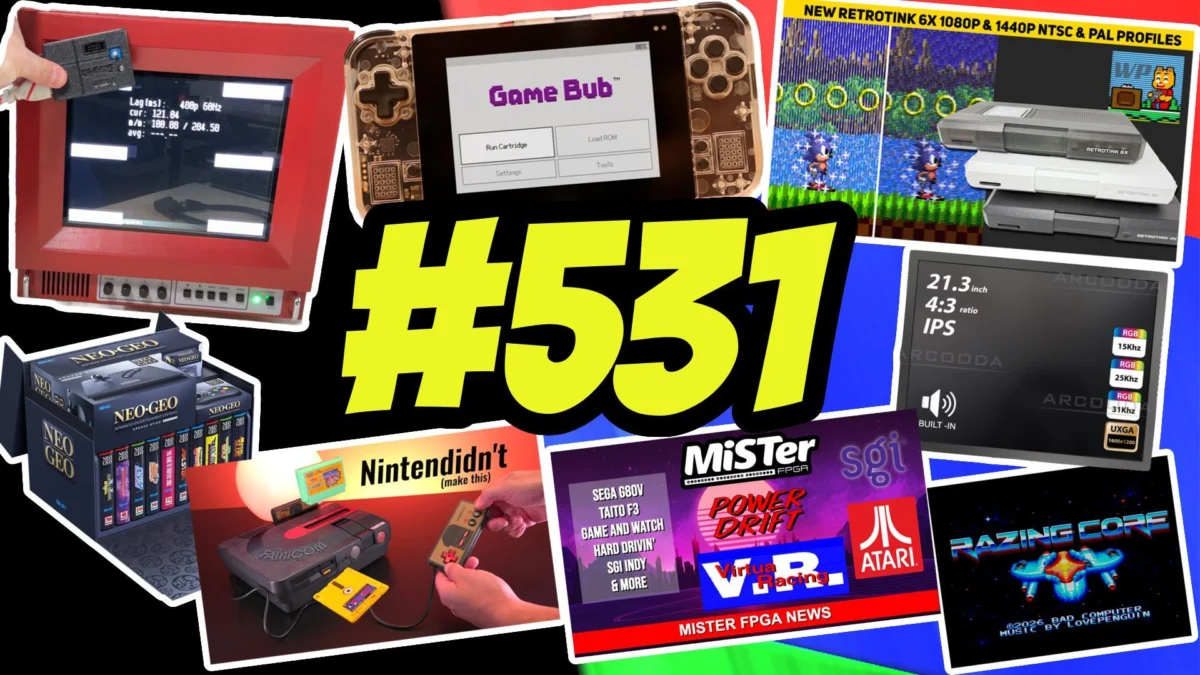
The retro gaming and hardware enthusiast community experienced another densely packed week of announcements, software launches, and hardware developments heading into the mid-point of September 2026. From fresh independent software releases for classic 8-bit hardware to significant delays on major FPGA and hardware crowdfunding campaigns, the landscape of retro preservation and modern emulation continues to evolve rapidly. This week’s broadcast of the RetroRGB Weekly Roundup covers crucial updates ranging from Sega Master System homebrews to advanced MiSTer FPGA core developments and cutting-edge display technologies tailored for arcade and classic console enthusiasts.
Main Facts and Hardware Developments
The past week brought a mixture of excitement and caution regarding upcoming hardware releases. Notably, the much-anticipated Neo Geo AES+ has officially been delayed by a full year, pushing its anticipated delivery window out to September 2027. Developers cited supply chain complexities and rigorous quality assurance standards as primary drivers for the timeline adjustment, disappointing collectors eagerly awaiting the modern iteration of SNK’s iconic 16-bit home console.
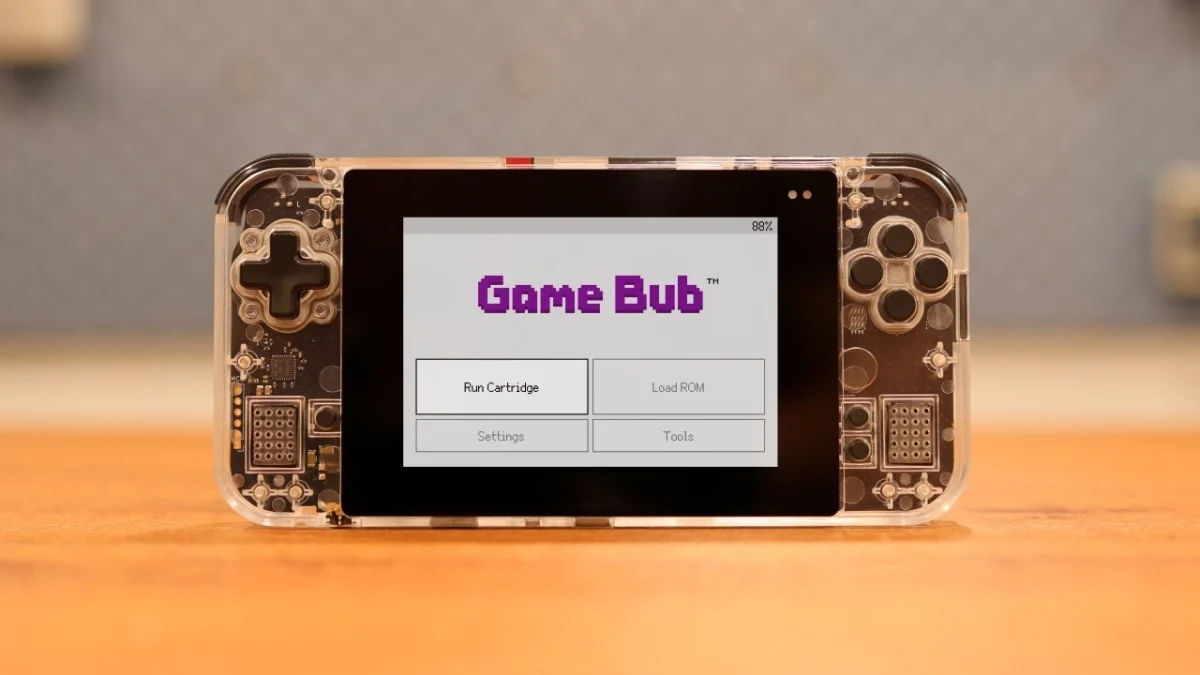
In portable hardware news, the newly reviewed GameBub portable FPGA device has entered the spotlight, offering handheld enthusiasts an alternative way to experience cartridge-based retro libraries with hardware-level accuracy. Meanwhile, display technology continues to cater specifically to vintage gaming purists. Arcooda has introduced a specialized 21.3-inch 4:3 LCD display featuring a crisp 1600×1200 resolution, addressing a long-standing demand among cabinet builders and arcade preservationists who require authentic aspect ratios without modern widescreen letterboxing.
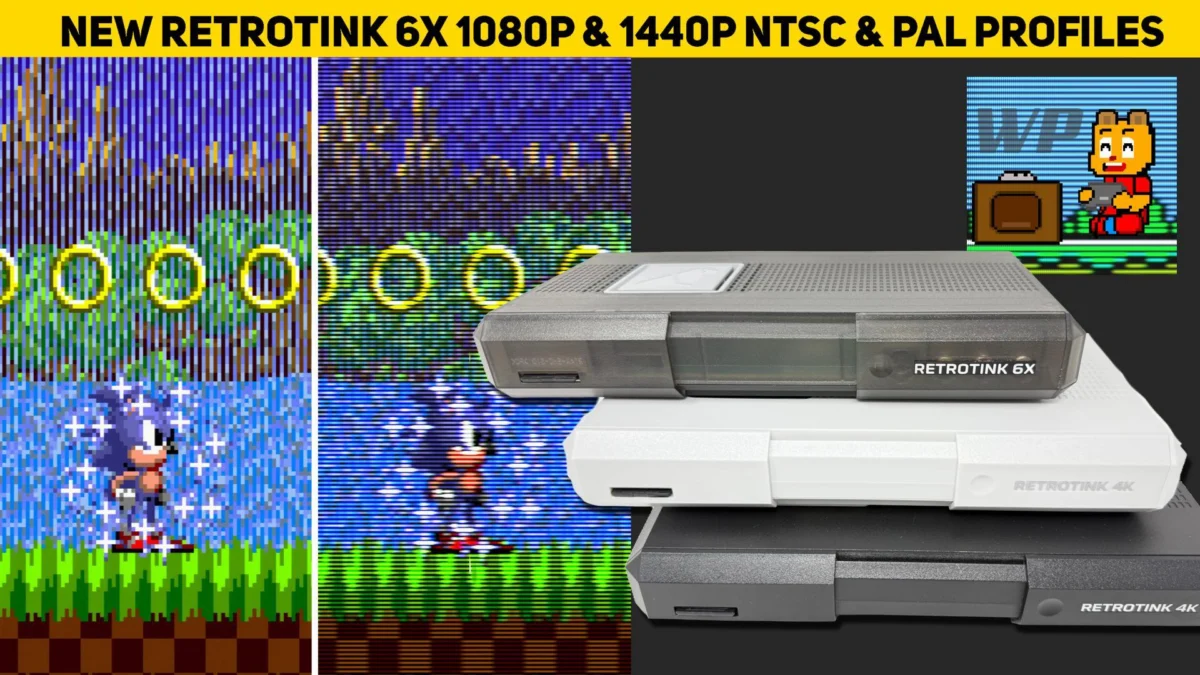
Input latency and display processing also took center stage following the prototype review of the Unico Traveller ULW10. Initial technical evaluations revealed a measured 100ms of input lag, sparking vital community discussions regarding responsiveness in portable arcade solutions. On the software enhancement front, creator Wobbling Pixels released a comprehensive update to RetroTINK 6X profiles, optimizing 1080p and 4K scaling configurations to ensure cleaner, more accurate visual outputs for classic consoles on modern high-definition displays.
Chronology of the Week’s Major Announcements
The news cycle for the week of September 16, 2026, unfolded across several key disclosures and releases, tracking a diverse array of retro computing and gaming sectors:
- September 10, 2026: Independent developers breathe new life into 8-bit hardware with the official release of Razing Core, a brand-new top-down vertical shmup designed specifically for the Sega Master System (SMS).
- September 12, 2026: Technical reviews for the Unico Traveller ULW10 prototype go live, highlighting a notable 100ms input lag that draws immediate scrutiny from competitive arcade fans ahead of its Kickstarter campaign.
- September 13, 2026: Project stakeholders announce a twelve-month delay for the Neo Geo AES+, moving the hardware release target to September 2027.
- September 14, 2026: Arcooda officially unveils its 21.3-inch 1600×1200 resolution 4:3 LCD monitor, tailored for high-end arcade restorations and vertical-oriented cabinet builds.
- September 15, 2026: Community hardware modifiers and preservationists share intricate restoration logs for the iconic Sharp Twin Famicom, alongside major updates to the MiSTer FPGA platform encompassing Sega Y-Board, Sega Model 1, and Hard Drivin’ cores.
Supporting Data and Technical Overview
The intersection of classic hardware and modern engineering requires rigorous adherence to performance metrics. The technical disclosures from this week emphasize latency reduction, native resolution matching, and hardware preservation:

- Display Resolution: Arcooda’s new 21.3-inch panel hits a native 1600×1200 resolution. Operating at a strict 4:3 aspect ratio, this yields a pixel density and geometry ideally suited for rendering classic arcade resolutions without scaling artifacts or non-integer interpolation distortion.
- Input Latency Metrics: The Unico Traveller ULW10 prototype’s recorded 100ms latency metric serves as a critical baseline for backers. In the context of twitch-based arcade titles and fighting games, latency exceeding 3-4 frames (approximately 50-66ms) is frequently flagged by enthusiasts, positioning input responsiveness as a primary hurdle for the device’s final production run.
- FPGA Advancements: MiSTer FPGA developments continue to push past traditional console boundaries, successfully tackling complex 3D arcade hardware from the early 1990s, including the Sega Model 1 and Sega Y-Board architectures, as well as Atari’s pioneering polygon-rendering racing title, Hard Drivin’.
Official Responses and Community Reactions
Hardware manufacturers and independent developers have responded to community feedback with varying degrees of transparency. Regarding the Neo Geo AES+ delay, project leads emphasized that maintaining strict compatibility with original cartridge specifications and ensuring robust build quality necessitated the extended twelve-month timeframe. Rather than rushing units to market to meet aggressive initial deadlines, the decision to postpone ensures that engineering teams can iron out firmware and component sourcing challenges.
Within the software and modification spheres, community reception has been overwhelmingly positive. The surprise launch of Razing Core for the Sega Master System demonstrates the enduring vitality of homebrew development for 1980s architectures. Programmers continue to extract performance from the Z80 processor and VDP (Video Display Processor), proving that commercial abandonment of a platform decades ago rarely halts creative output.
Concurrently, profile creators like Wobbling Pixels have received widespread praise for refining scaler configurations. As modern displays drop legacy analog inputs entirely, external processing hardware like the RetroTINK ecosystem relies heavily on community-driven profiles to bridge the gap between 240p analog signals and ultra-high-definition digital panels.
Broader Impact and Industry Implications
The events highlighted in Weekly Roundup #531 reflect broader structural shifts within the retro gaming industry. As original hardware ages—exemplified by the meticulous restoration projects required for units like the Sharp Twin Famicom—the ecosystem is increasingly bifurcating into two distinct paths: authentic hardware preservation paired with high-end modernization, and FPGA-based emulation that mimics original silicon down to the clock cycle.
Delays on projects like the Neo Geo AES+ underscore the ongoing fragility of specialized hardware manufacturing. Sourcing discrete components, custom circuit boards, and durable plastics in smaller production runs remains a formidable challenge for boutique creators. However, the willingness of consumers to accept delays in exchange for quality control suggests a mature market that values longevity and precision over rushed consumerism.
Furthermore, the continuous expansion of the MiSTer FPGA platform illustrates a paradigm shift in how historical software is studied and played. By successfully simulating complex arcade boards that previously required massive, failing cabinets to run, FPGA technology secures the future of interactive entertainment history. Whether through an 8-bit shmup on original Sega Master System architecture or a complex 3D polygon racer on an open-source FPGA board, the preservation movement remains exceptionally active, driven by both dedicated hobbyists and innovative independent engineers.