Farhan hamdan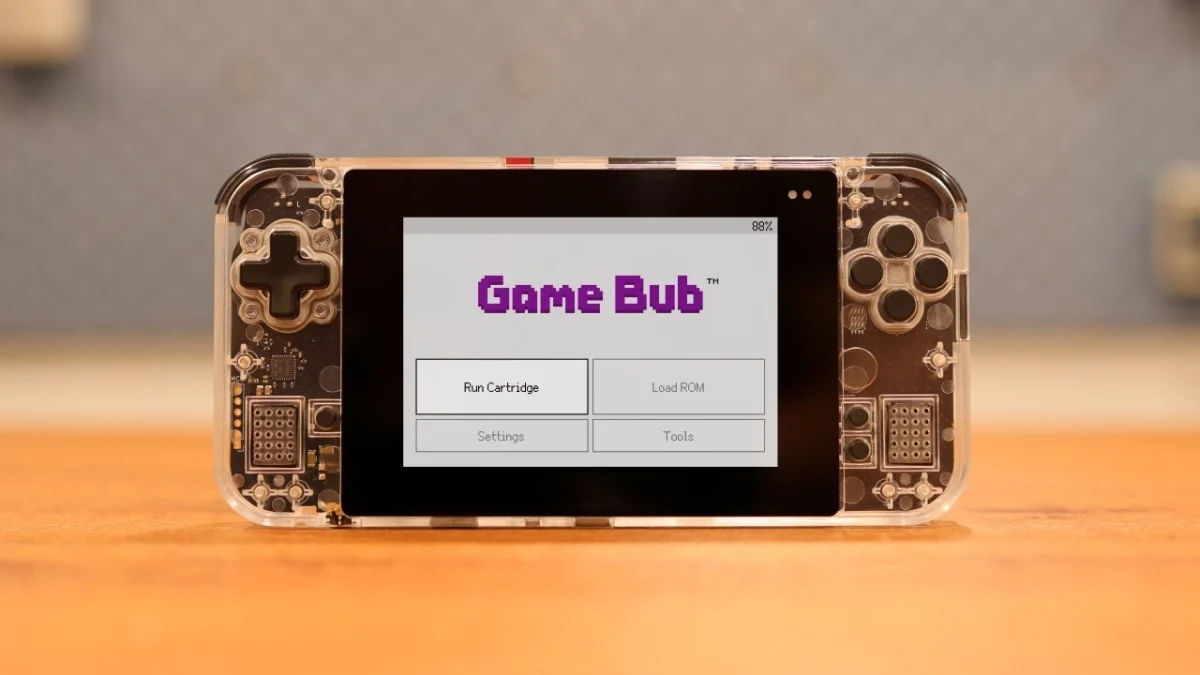
Field-Programmable Gate Array technology has experienced a remarkable renaissance within the retro gaming community over the past decade, shifting from an esoteric industrial hardware solution to a cornerstone of modern software preservation and hardware emulation. Unlike traditional software emulation, which runs game code through a translation layer on a general-purpose processor, FPGA chips are physically configured by developers to replicate the exact digital circuits of vintage silicon. This hardware-level accuracy eliminates input lag, timing discrepancies, and graphical inaccuracies that frequently plague software-based emulators.
Against this backdrop of rising demand for hardware-authentic retro gaming devices, the portable console market has welcomed a notable new entrant: the Game Bub. Recently thrust into the spotlight through a comprehensive teardown and review by Ken from What’s Ken Making, the Game Bub represents a significant evolutionary step for open-source portable hardware. Moving away from early experimental prototypes and vertically oriented iterations, the commercially available production model of the Game Bub adopts a horizontal form factor designed to optimize ergonomics and modern player expectations.
Main Facts and Hardware Overview
The Game Bub is an open-source FPGA-based handheld console engineered to bridge the gap between vintage physical media and contemporary portable design. At its core, the device is designed to accept original Game Boy, Game Boy Color, and Game Boy Advance cartridges, allowing enthusiasts to utilize their physical game libraries without relying on software backup dumps or fragile original hardware. In addition to physical cartridge support, the console offers modern flexibility through the ability to load ROM files and support diverse hardware cores.
The transition from the vertical prototype phase to the horizontal production model has yielded several notable hardware refinements. Ken’s recent teardown video provides a granular look at the engineering decisions behind the retail unit, contrasting it against the earlier iteration he previously built. The horizontally oriented layout improves weight distribution during extended play sessions, accommodating standard hand placement more naturally than its predecessor.
For consumers interested in acquiring the hardware, units are currently available for purchase through Crowd Supply, a prominent crowdfunding and distribution platform for developer-driven open-source technology. Meanwhile, independent creators like Ken continue to document the device’s capabilities, offering technical evaluations and hardware modifications via platforms such as Patreon.
Chronology and Evolution of the Project
The developmental journey of the Game Bub underscores the iterative nature of open-source hardware engineering. The project began as an ambitious concept spearheaded by creator Eli, who sought to design a modular, accessible FPGA handheld that prioritized cartridge compatibility and community-driven development.
During the initial experimental phases, the console manifested as a vertically oriented device, reminiscent of classic handheld form factors like the original Game Boy or the Analogue Pocket. This early build served as a proof of concept, allowing the creator and early adopters to test basic FPGA stability, power delivery management, and screen integration. Tech content creators, including Ken, assembled and reviewed these early vertical versions, providing critical feedback to the design team regarding ergonomics, component sourcing, and firmware stability.

Following months of refinement, the project transitioned into its commercial production phase with the adoption of a horizontal layout. This design shift was showcased publicly at industry gatherings such as Retro World Expo, where attendees—including members of the gaming press—had the opportunity to handle both the legacy vertical builds and the finalized production hardware. The positive reception at Retro World Expo marked a turning point for the Game Bub, validating its transition from a niche maker project to a viable commercial product available to the broader retro gaming public.
Technical Capabilities and Ecosystem Integration
The technical architecture of the Game Bub relies on FPGA capabilities that extend far beyond standard handheld emulation limits. By utilizing a programmable gate array, the console can execute hardware descriptions that mirror Nintendo’s proprietary handheld processors with cycle-accurate precision.
While primary out-of-the-box support focuses on the Game Boy, Game Boy Color, and Game Boy Advance libraries, the open-source nature of the device invites community-driven expansion. Developers and hardware enthusiasts can port existing FPGA cores or write new ones, potentially bringing support for other 8-bit and 16-bit systems to the platform. Industry observers note that the success of open-source handhelds often hinges on the breadth and activity of their developer communities. Devices like the MiSTer FPGA project have demonstrated how collaborative coding environments can rapidly expand a system’s compatibility list long after its initial release.
Analysts following the retro hardware sector anticipate that the Game Bub’s potential library expansion will depend heavily on documentation availability and the ease with which external cores can be compiled for its specific FPGA chipset. As creator Eli prepares for upcoming interviews—including a planned discussion with Ken—further technical disclosures regarding the console’s internal specifications and future firmware roadmap are expected to emerge.
Industry Implications and Market Impact
The launch of the Game Bub arrives at a time of heightened consumer interest in hardware-authentic retro gaming solutions. For years, the market was sharply divided between original aging hardware requiring expensive maintenance and refurbishment, and inexpensive software emulation handhelds running closed-source Android operating systems. FPGA handhelds occupy a crucial middle ground, offering the purist appeal of physical cartridge compatibility coupled with modern liquid-crystal displays, rechargeable lithium-ion batteries, and USB-C connectivity.
However, bringing an open-source FPGA handheld to market is fraught with supply chain and economic challenges. Component sourcing for specialized FPGA chips remains volatile, and small-batch production runs often face higher manufacturing overheads compared to mass-market consumer electronics. By partnering with fulfillment platforms like Crowd Supply, projects such as the Game Bub can secure necessary capital and logistics support while maintaining direct engagement with their target audience of developers and enthusiasts.
Furthermore, the open-source ethos of the Game Bub positions it as part of a broader movement toward hardware transparency and the right to repair. Unlike proprietary commercial consoles that restrict user modification through digital rights management and locked bootloaders, open-source devices encourage community auditing, custom firmware development, and user-serviceable repairs. This philosophy not only extends the functional lifespan of the hardware but also fosters an ecosystem where users retain total control over their gaming devices.
As the Game Bub finds its way into the hands of more reviewers, developers, and everyday players, its long-term viability will be measured by community adoption and software evolution. With hardware teardowns already confirming the solid build quality of the horizontal production model, attention now turns to the software side—specifically, how the community will leverage the console’s FPGA architecture to expand its gaming horizons. Observers of the retro gaming landscape will be watching closely as creators like Ken and Eli continue to document the device’s progress in the months ahead.