Hartono Sudibyo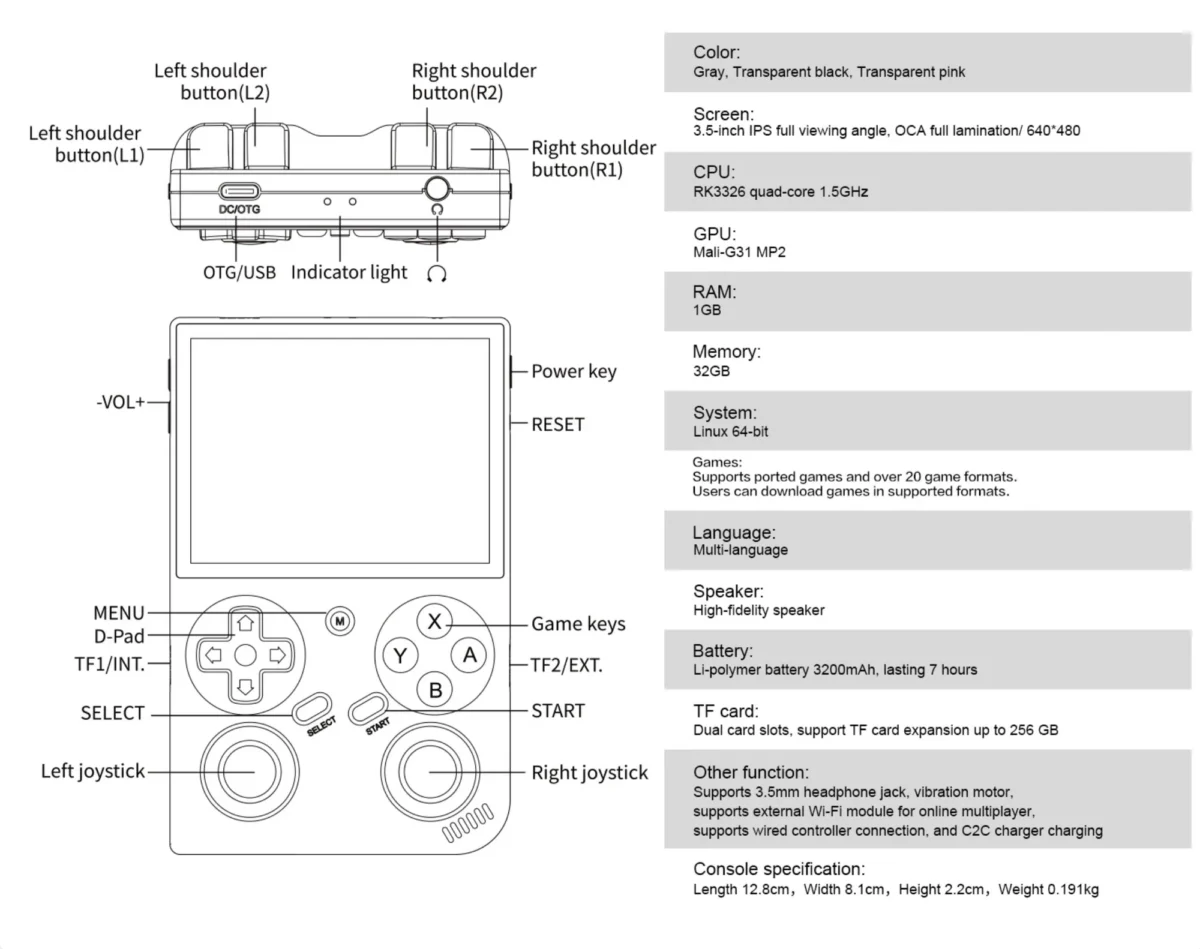
The retro handheld gaming market has experienced a significant shift following the unannounced release of the Anbernic RG 35. Shadowdropped directly onto the manufacturer’s official storefront without prior marketing campaigns, teasers, or industry leaks, the device immediately disrupted the budget segment with an aggressive retail price point of $38. Historically, devices falling below the $50 threshold—such as the widely circulated R36S—have faced widespread criticism from consumers and reviewers alike for compromised build quality, unreliable button mechanics, subpar quality control, and an almost total absence of after-sales customer support. The introduction of the RG 35 represents a calculated effort by Anbernic to capture the entry-level demographic by leveraging its established manufacturing supply chain to deliver reliable hardware at a fraction of the cost typically associated with emulation devices.
Background Context and Market Evolution
Over the past half-decade, the portable retro gaming sector has evolved from a niche hobby centered around modified vintage hardware to a multi-million-dollar industry driven by specialized Chinese manufacturers. Companies like Anbernic, Retroid, and Powkiddy have continually refined Linux- and Android-based devices to run classic console libraries on the go. However, as processing capabilities have advanced, manufacturers have increasingly focused on high-end, premium-priced devices capable of handling complex sixth- and seventh-generation systems like the PlayStation 2, Nintendo GameCube, and even select PC ports.
These high-end units often retail between $100 and $300, pricing out casual consumers, younger players, or individuals simply looking to revisit classic 8-bit, 16-bit, and 32-bit titles without a significant financial commitment. While ultra-budget alternatives have existed, they have frequently suffered from a "toy-like" construction reminiscent of low-quality trinkets. By applying its core manufacturing standards—traditionally reserved for mid-tier devices—to a sub-$40 chassis, Anbernic has altered the economic calculus of entry-level retro gaming, providing an accessible gateway for newcomers.
Chronology and Product Deployment
The sudden rollout of the RG 35 on Anbernic’s official channels bypassed the traditional tech journalism cycle of prototype announcements, regulatory filings, and preview samples. Instead, the device appeared fully realized and ready for immediate global fulfillment. Industry analysts note that this direct-to-consumer shadowdrop strategy minimizes marketing expenditures and allows the company to rapidly gauge market demand for ultra-low-cost hardware without exposing product roadmaps to competing firms. Review samples shipped to hardware analysts in mid-September, highlighting a rare deviation from modern compliance standards as units arrived with pre-loaded proprietary software libraries—a practice that historically invites scrutiny from intellectual property holders and regulatory bodies. Despite these initial logistical quirks, the hardware itself began shipping immediately, establishing a swift timeline from announcement to consumer adoption.
Hardware Design and Build Architecture
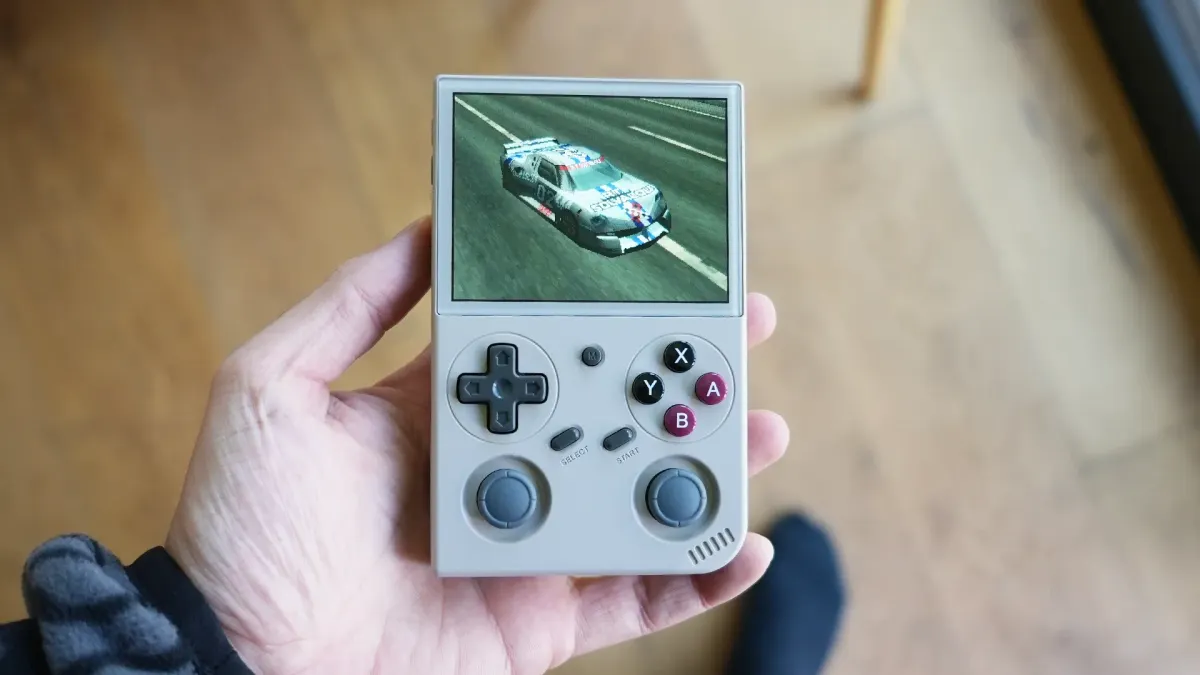
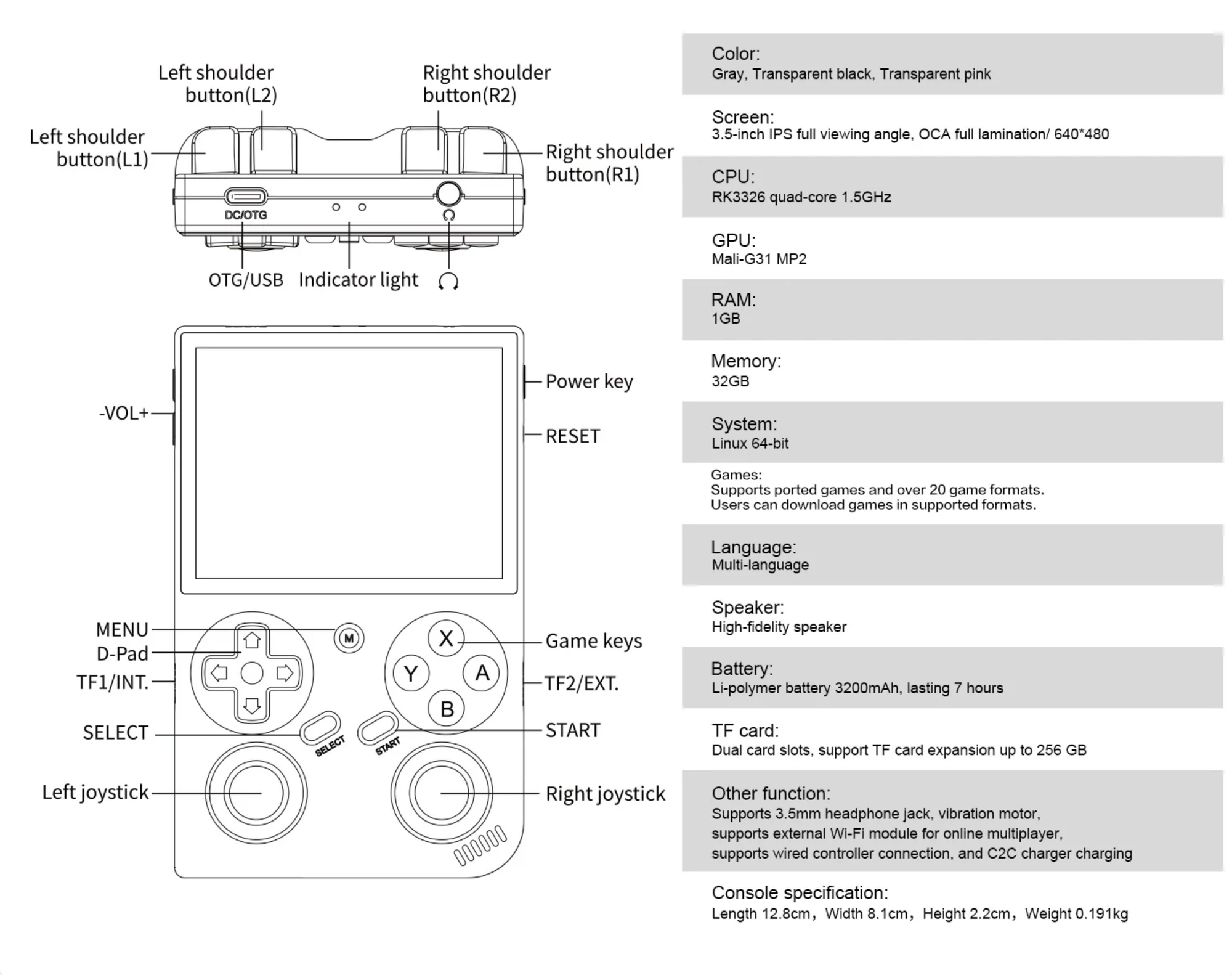
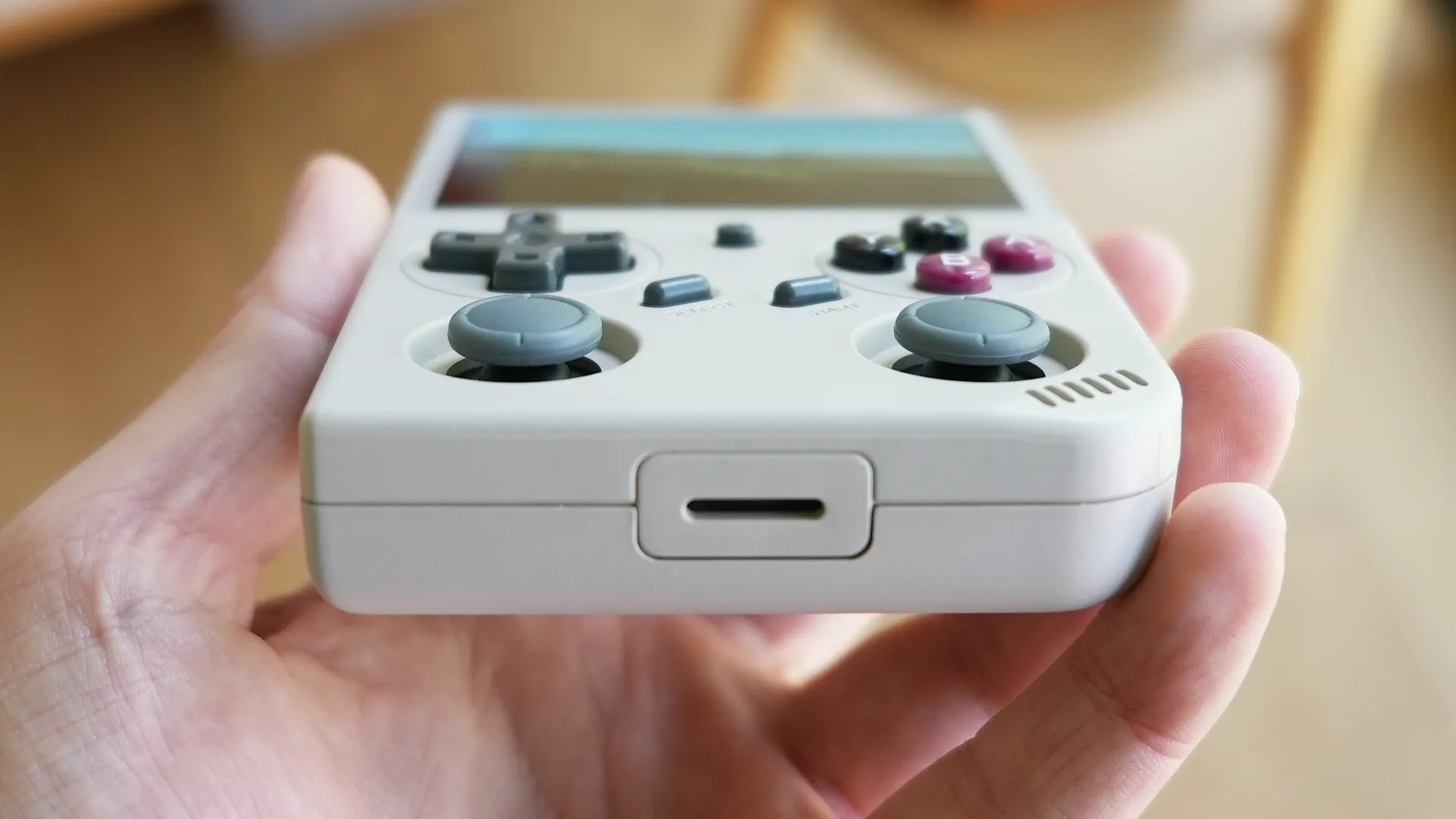
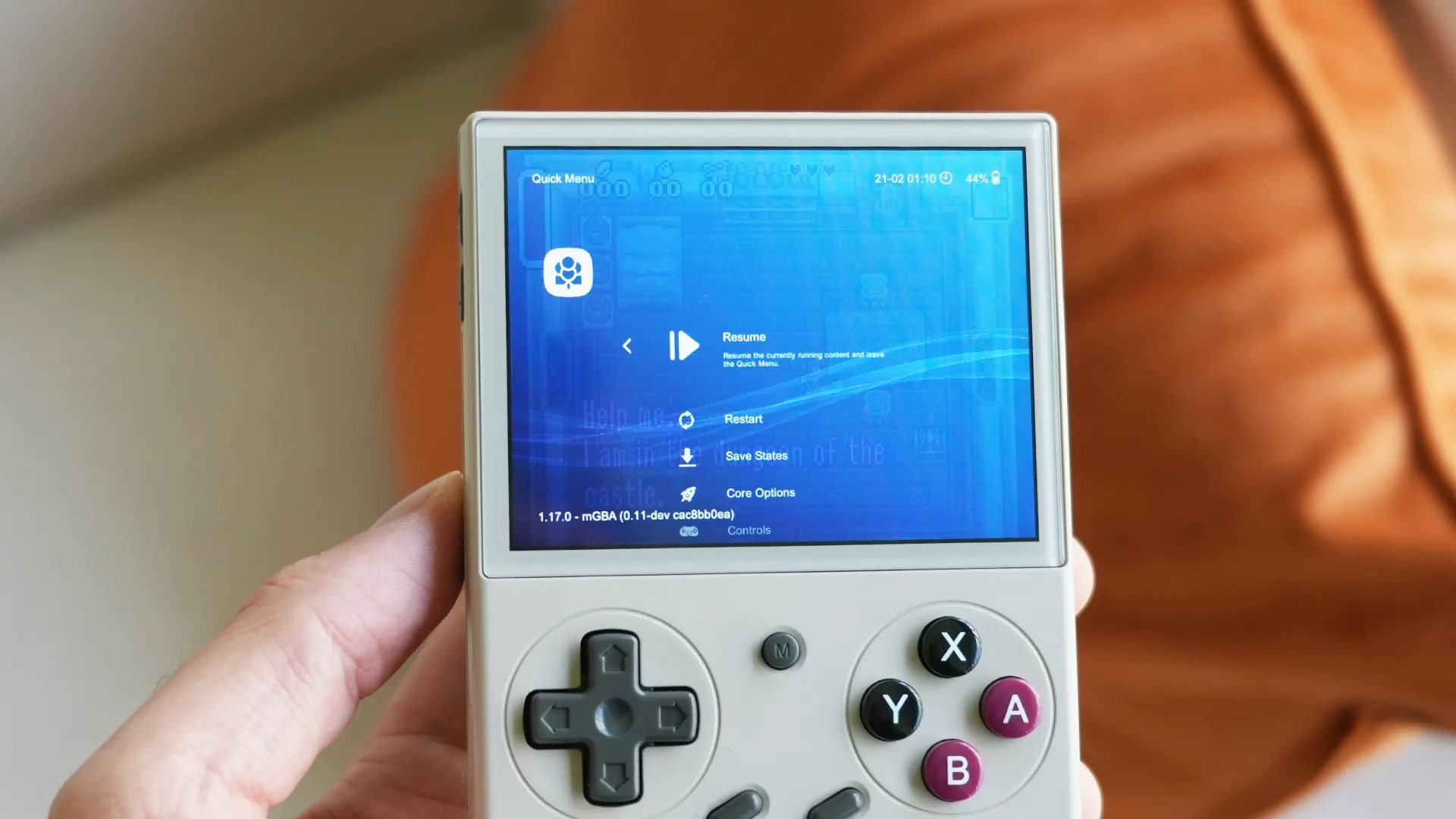
Measuring closely to the footprint of a standard modern smartphone, the RG 35 adopts a traditional vertical form factor. Though narrower than horizontal counterparts, it possesses a reinforced, textured plastic shell designed to absorb the rigors of daily commuting and pocket storage. The device is available in three distinct colorways: transparent black, transparent pink, and a retro-inspired grey. The grey variant incorporates aesthetic homages to historical Nintendo hardware, featuring multicolored action buttons, a neutral gray display bezel, and an embossed speaker grille that serves a purely stylistic function.
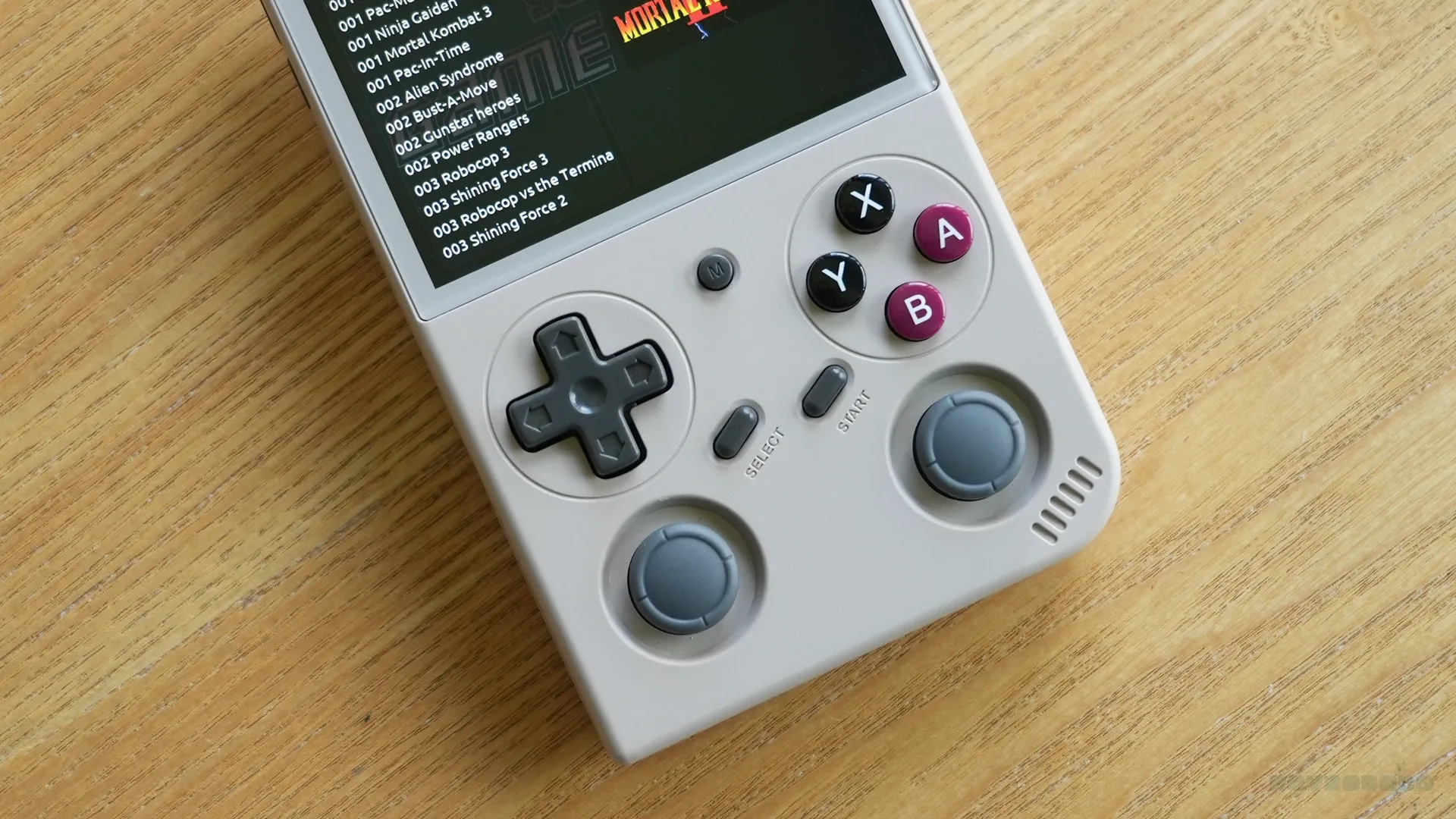
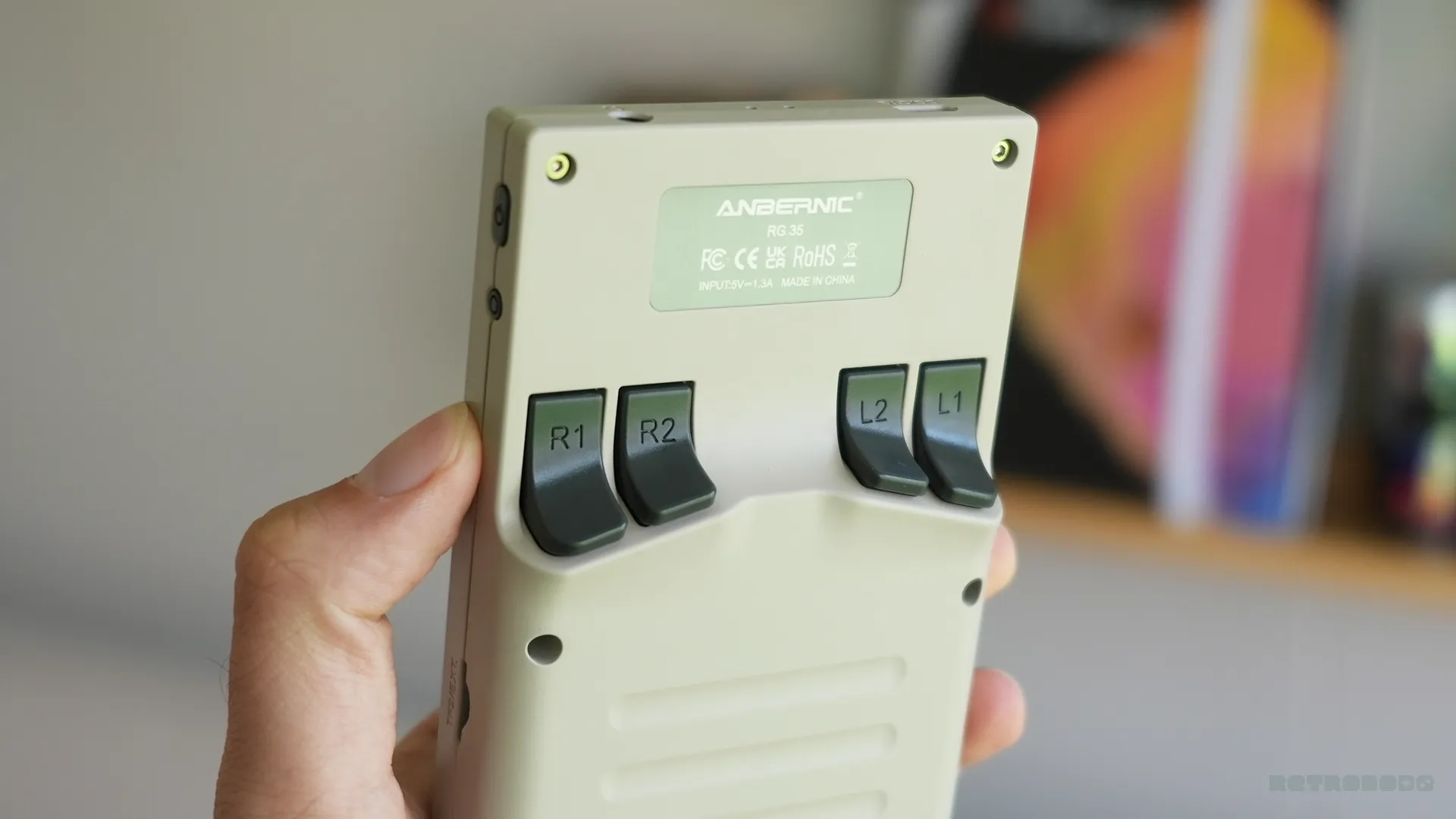
Weighing comfortably in the hand, the device houses a 3,200 mAh battery alongside pronounced shoulder buttons along the upper rear edge. The physical controls reflect Anbernic’s established manufacturing pedigree. The directional pad (D-pad) features a chunky, tactile profile optimized for fast-paced arcade and platforming titles, while the high-gloss face buttons offer sufficient travel distance without generating excessive mechanical noise. Dual analog joysticks are integrated below the primary face layout, though their utility is inherently restricted by the processing capabilities of the internal chipset.
Around the perimeter of the chassis, connectivity and utility ports are distributed logically to prevent interference during extended play sessions. The bottom edge houses a centrally positioned speaker designed to remain unobstructed by resting fingers. The right side features the power switch, a dedicated secondary microSD card slot reserved for user-supplied ROM files, and a hardware reset button. The top edge accommodates a standard USB Type-C charging port and a 3.5mm headphone jack, while the left side houses the volume rocker and the primary microSD card slot containing the Linux-based operating system and firmware.
Display Specifications and Visual Performance
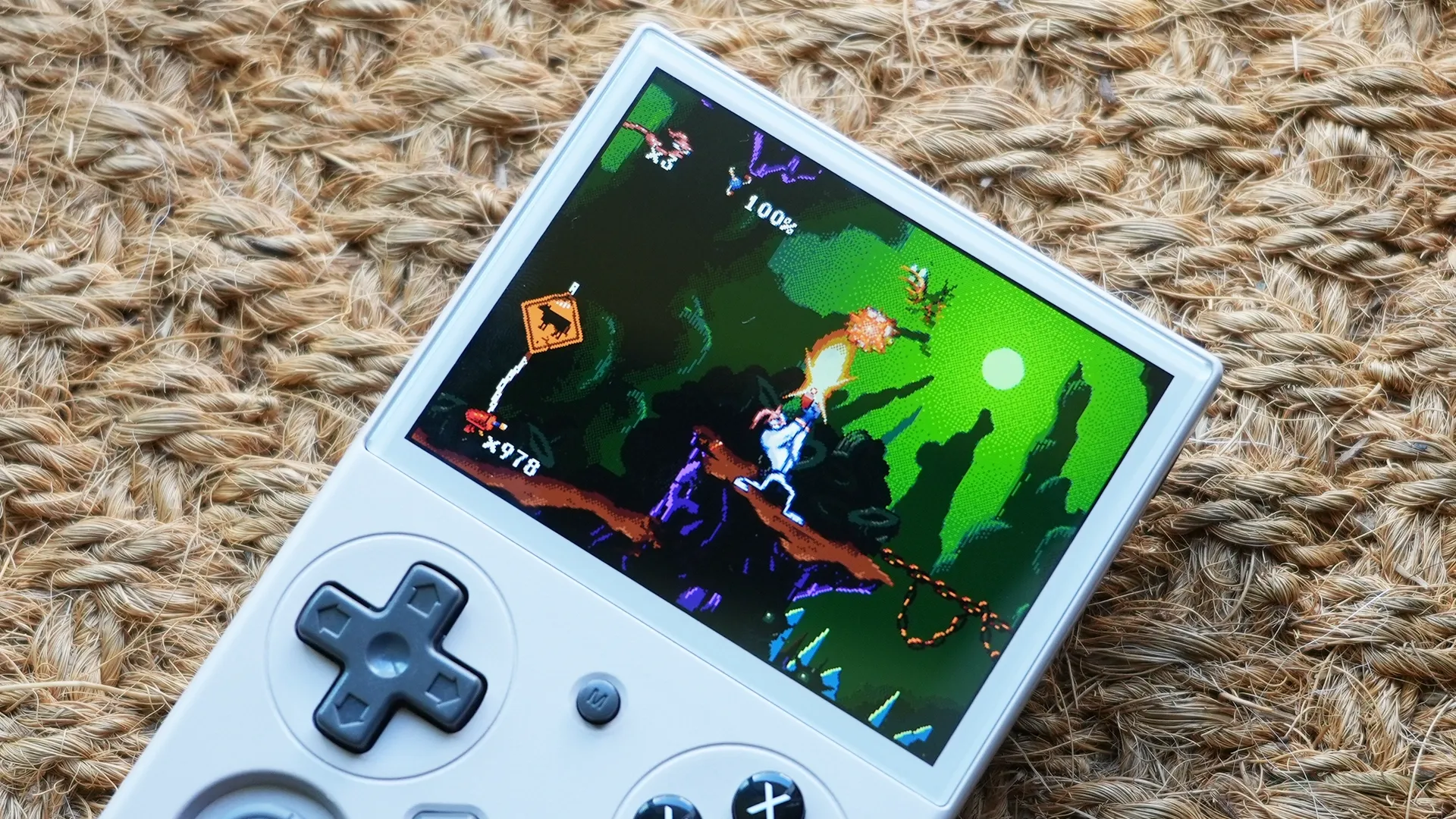
Visual output is managed via a 3.5-inch IPS LCD panel operating at a native resolution of 640×480 pixels. This specification achieves an exact 4:3 aspect ratio, which serves as the native standard for the vast majority of retro consoles targeted by the device, including the original PlayStation, Super Nintendo, Sega Genesis, and Game Boy Advance.
While the resolution falls short of modern high-definition standards, technical evaluations confirm that a 3.5-inch panel represents the optimal balance for portable ergonomics and manufacturing cost reduction. A smaller display would induce visual strain during text-heavy role-playing games, whereas a larger screen would necessitate a bulkier chassis requiring dedicated carrying bags. The panel itself exhibits robust brightness levels, high color saturation, minimal light bleed, and a non-reflective glass lens cover. These attributes ensure clear visibility in diverse lighting environments, ranging from direct outdoor sunlight to low-light indoor transit settings.
Operating System and User Experience
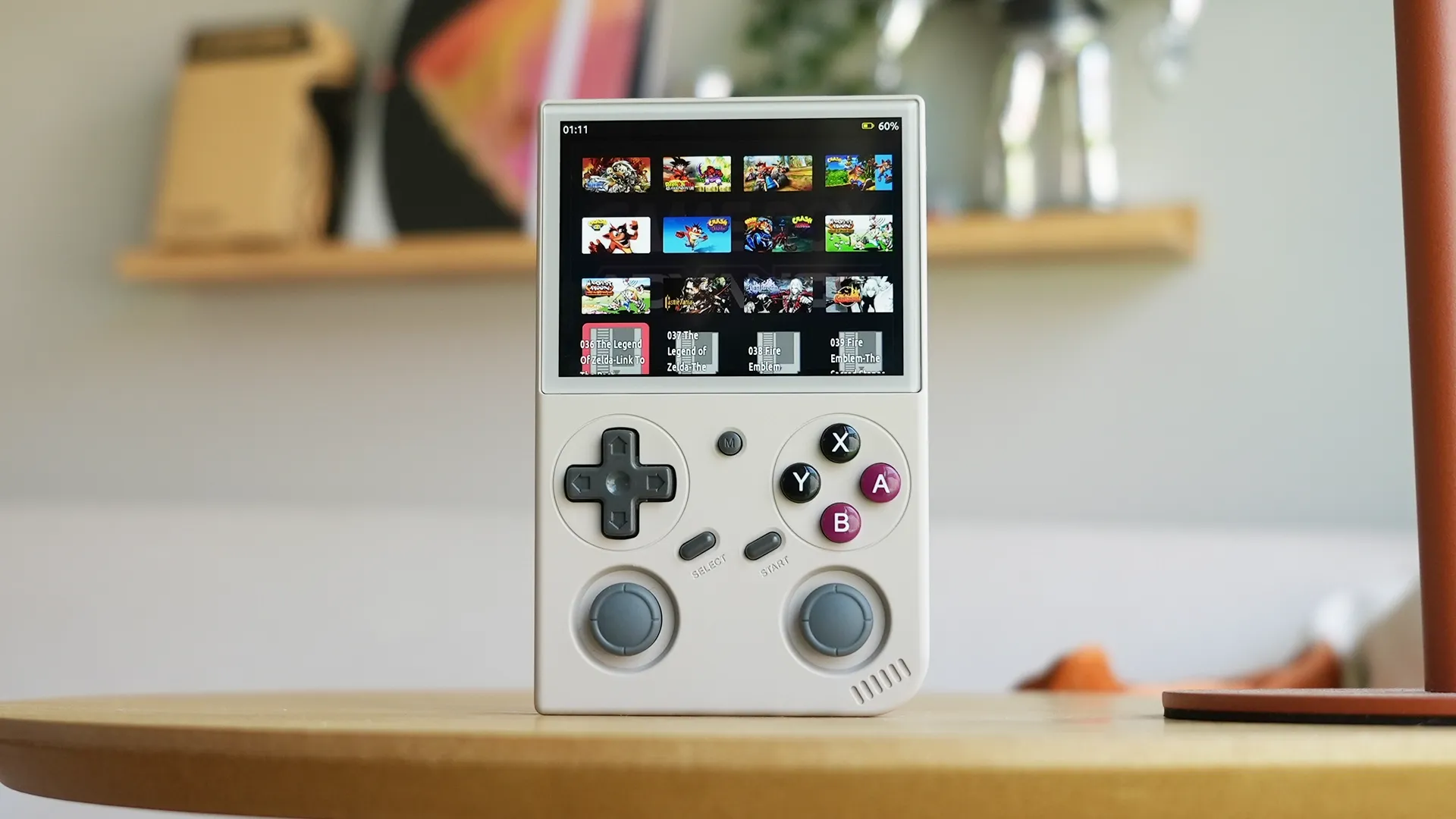
The RG 35 operates on an open-source, Linux-based architecture utilizing established frontends such as EmulationStation and RetroArch. Consistent with comparable Linux handhelds, the user interface prioritizes functionality and rapid game launching over aesthetic sophistication. The navigation system presents a text-based library structure categorized by console platforms, supplemented by basic metadata retrieval capabilities including box art, developer information, and release years.
While advanced users may find the interface utilitarian and occasionally austere compared to modern Android-based frontends, the software remains stable and reliable. The system supports standard emulation quality-of-life features, including customizable display shaders, save states, cheat codes, RetroAchievements integration, and NetPlay for multiplayer sessions. For the target demographic of casual users and younger players, the straightforward "plug-and-play" nature of the interface removes technical friction, requiring minimal setup beyond the organization of game files onto a secondary storage card.
Emulation Performance and Processing Limitations
At the core of the RG 35 lies the proven RK3326 processing architecture, a budget chipset widely utilized in previous generations of affordable handhelds. Performance evaluations demonstrate that the device handles systems up to and including the Sony PlayStation 1 and Nintendo Game Boy Advance with near-flawless execution, maintaining consistent frame rates and optimal audio synchronization.
However, performance boundaries become apparent when exploring sixth-generation hardware such as the Nintendo 64 and Sega Dreamcast. While lighter titles on these platforms run at acceptable speeds, more graphically demanding games experience significant frame drops, audio stuttering, and thermal output increases. Consequently, technical analysts advise users to view the RG 35 primarily as a dedicated 8-bit, 16-bit, and 32-bit machine. Within those parameters, the device delivers a consistent, hitch-free experience across thousands of titles.
Power Management and Battery Efficiency
Due to the modest power requirements of the RK3326 chipset and the 640×480 display panel, energy consumption remains exceptionally low. The integrated 3,200 mAh battery yields an average continuous operation time ranging between five and seven hours on a single charge, depending on screen brightness settings and emulation load. This endurance profile positions the hardware as a viable travel companion for weekend excursions or daily commutes without necessitating frequent recharges.
Broader Industry Impact and Strategic Implications
The introduction of the Anbernic RG 35 carries notable implications for the broader portable gaming ecosystem. By proving that a durable, ergonomically sound, and visually competent emulation device can be produced and retailed profitably at $38, Anbernic has effectively raised the baseline expectations for ultra-budget hardware.
Industry observers note that while high-end devices catering to advanced emulation enthusiasts will continue to command premium prices, the sub-$40 category now possesses a credible, standardized alternative to poorly manufactured grey-market clones. For consumers hesitant to invest hundreds of dollars into a specialized hobby, the RG 35 functions as a low-risk introductory platform. Ultimately, the device demonstrates that manufacturing maturity and economies of scale can democratize access to retro gaming heritage, establishing a new commercial benchmark for the entry-level handheld market.