Retno Hari Mulyono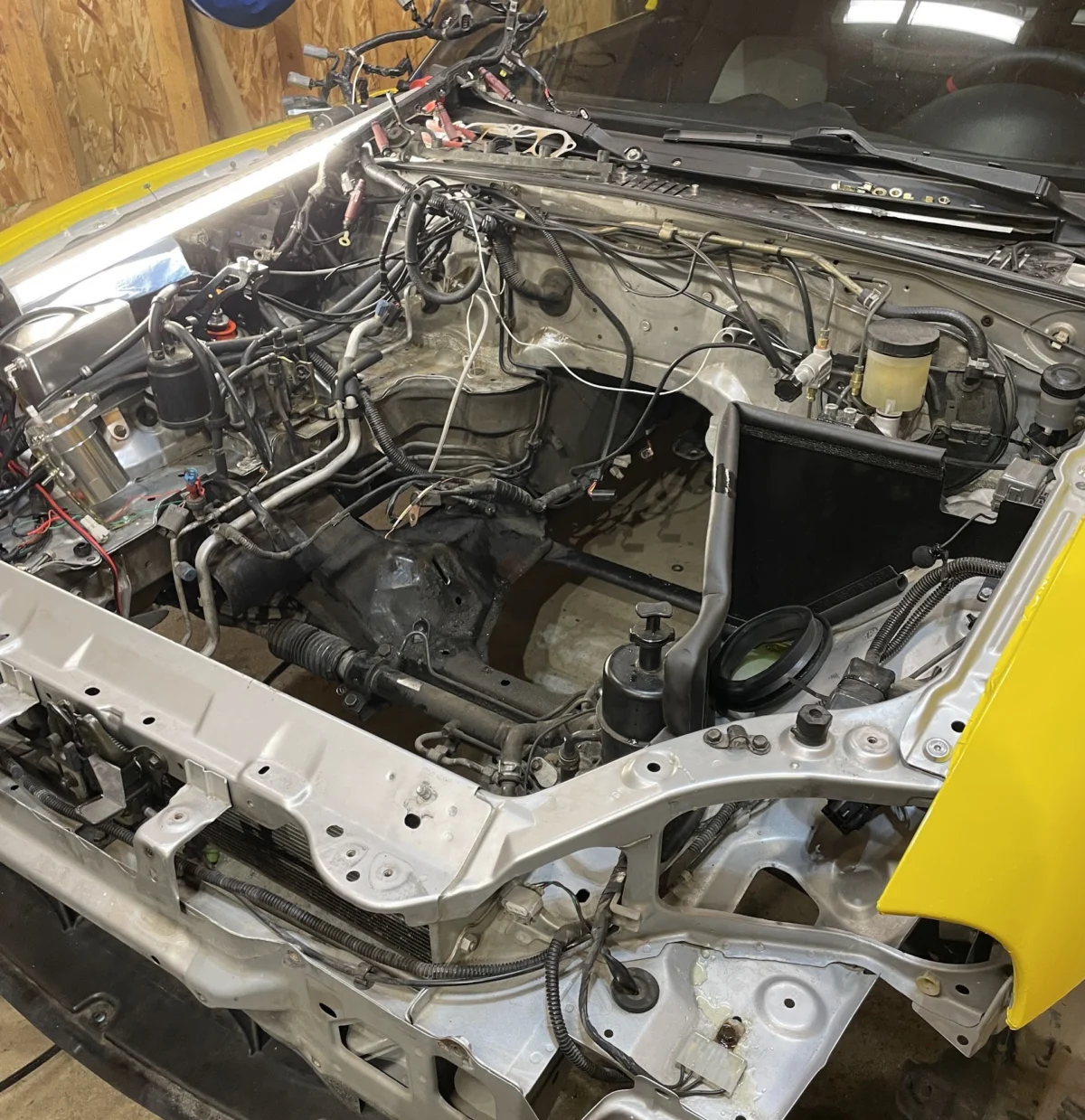
Winter automotive maintenance often presents enthusiasts with a cascade of cascading tasks, where addressing one fundamental mechanical issue logically necessitates a broader, more invasive overhaul. For one Mazda MX-5 NB Miata owner, a modest seasonal objective to eradicate persistent oil leaks evolved into a comprehensive powertrain extraction. Rather than performing piecemeal repairs from underneath the chassis in cramped quarters, the decision was made to pull the entire engine and transmission assembly from the engine bay. This multi-stage winter project encompassed not only critical fluid-seal remediation but also strategic performance enhancements, including a lightweight flywheel, a sport clutch, a coolant reroute kit, and a European-market intake manifold.
The rationale behind extracting a modern classic powertrain involves weighing the labor-to-benefit ratio of individual repairs. While pulling a four-cylinder engine may seem excessive for a simple gasket failure, the cumulative presence of a weeping rear main seal, a stripped oil pan drain plug, and the desire to upgrade peripheral cooling and induction components justified a complete removal. Undertaking these projects simultaneously eliminates redundant labor, allowing direct, unhindered access to the back of the engine block, the transmission bellhousing, and the chassis firewall.
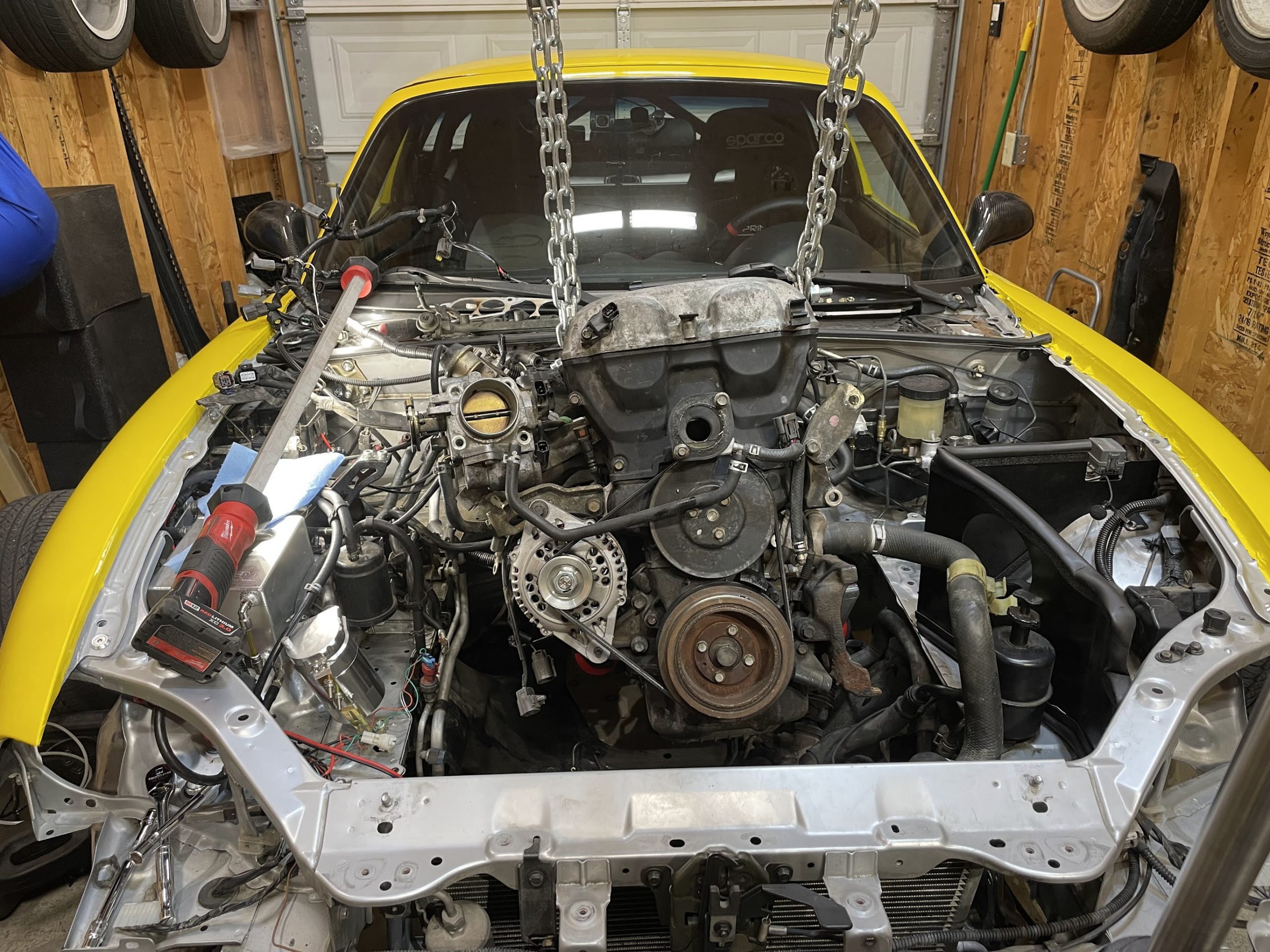
Powertrain Extraction and Logistics
The extraction procedure for the Mazda NB generation platform is widely regarded within the automotive community as remarkably straightforward, provided the technician possesses a reliable engine hoist, basic hand tools, and adequate garage space. Unlike modern front-wheel-drive or heavily packaged all-wheel-drive layouts, the front-engine, rear-wheel-drive architecture of the MX-5 leaves ample room in the engine bay once the radiator, intake plumbing, and core wiring harnesses are disconnected.
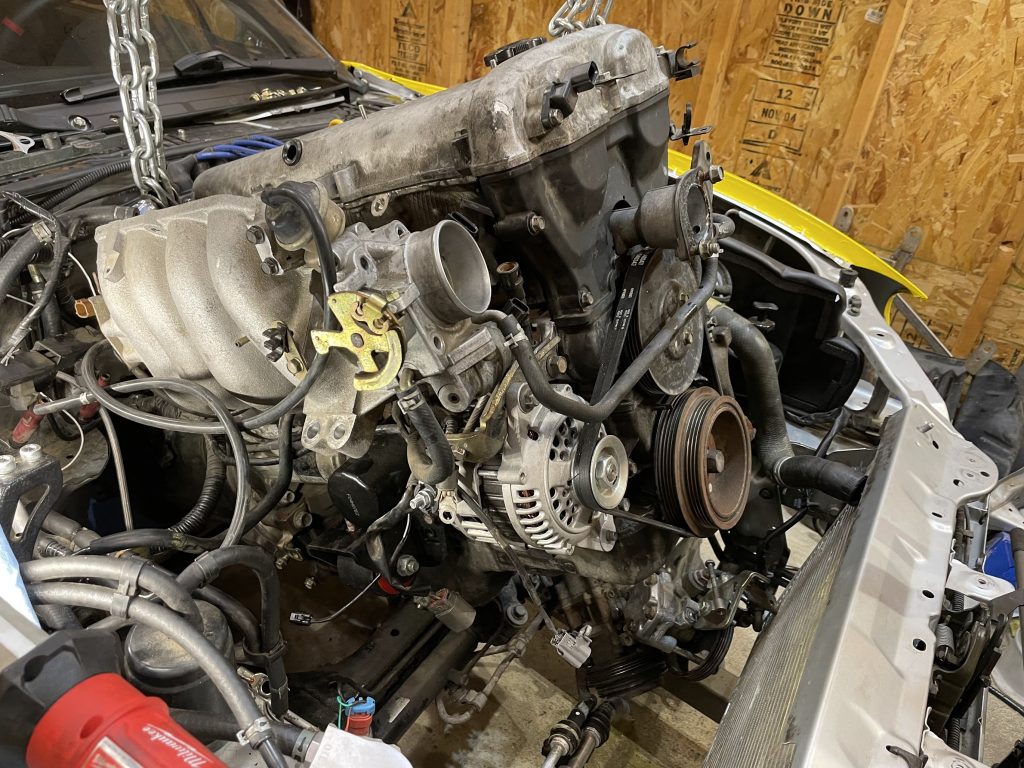
The removal process was executed as a single-person operation. The engine and five-speed manual transmission were lifted out collectively from the top of the vehicle. While extraction proved uncomplicated, reinstallation presented moderate challenges, specifically regarding the precise alignment required for the transmission tailshaft and engine mounts to drop cleanly into their respective crossmember cradles. Future iterations of this procedure will likely benefit from separating the transmission from the engine beforehand if space and lift constraints permit, though hoisting the entire assembly out in one cohesive unit saved considerable preparatory time.
Drivetrain Seal Remediation and Flywheel Upgrades
Mazda’s legendary B-series four-cylinder engines—spanning the NA and NB generations—are notoriously prone to developing minor oil weeping across multiple aging gaskets and seals, a characteristic reminiscent of vintage British roadsters. Addressing these vulnerabilities requires meticulous attention to detail.
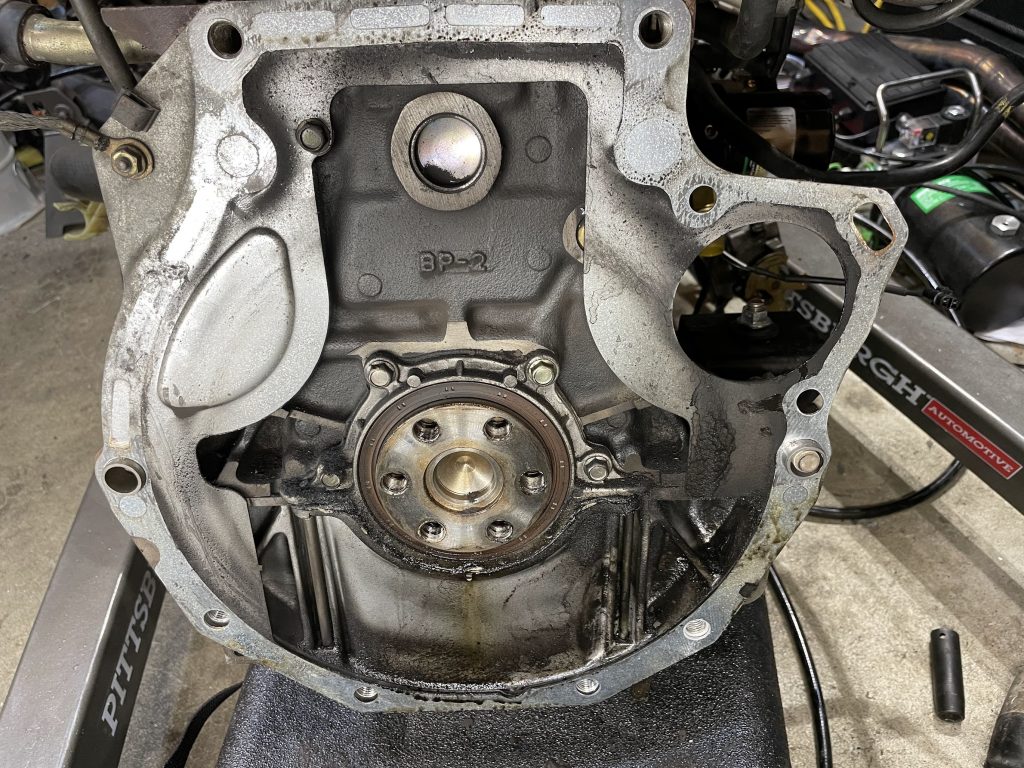
During the overhaul, technicians targeted the primary oil loss culprits:
- The rear main crankshaft seal
- The oil pan perimeter and baffling system
- The transmission input shaft seal
- The transmission output shaft seal
To ensure the rear main seal was seated to exact factory depth without cocking or damaging the delicate sealing lip, a specialized tool was utilized—specifically, the Flyin Miata second-generation rear crank seal installer. This tool significantly reduces installation error compared to traditional socket-and-hammer methods.
With the transmission decoupled from the block to access the rear main seal, inspecting the condition of the clutch assembly became mandatory. Given the uncertain age and wear state of the factory clutch and flywheel, preventative replacement was prioritized to avoid premature failure post-reassembly. A Supermiata organic sport clutch was selected to provide increased torque capacity capable of handling anticipated future power modifications while preserving OEM-like street drivability and pedal modulation.
Complementing the clutch, a 9-pound lightweight aluminum flywheel was installed. By reducing rotational inertia, a lightweight flywheel permits significantly faster engine rev matching during downshifts and sharpens throttle response. Initial road tests confirmed heavier initial pedal resistance and a low release point, which normalized after the initial break-in period. However, transient friction odors observed during early operation highlighted the necessity of proper thermal seating for organic friction materials.
Oil Pan Replacement and Structural Challenges
An ongoing frustration with the vehicle’s drivetrain was a stripped oil pan drain plug thread, previously remedied via a temporary conical aftermarket plug. Seeking a permanent, structurally sound solution, the owner sourced an undamaged used replacement oil pan.
Removing the NB Miata oil pan requires navigating a complex sandwiched architecture. A structural windage/baffle plate is bolted directly between the engine block and the oil pan itself, with the oil pickup tube securing through the assembly. Failing to separate the baffle plate from the RTV silicone sealant prior to prying the pan resulted in a temporarily bent baffle. Once cleaned, resealed, and reinstalled with a fresh oil pickup tube gasket, the engine was dropped back into the chassis.
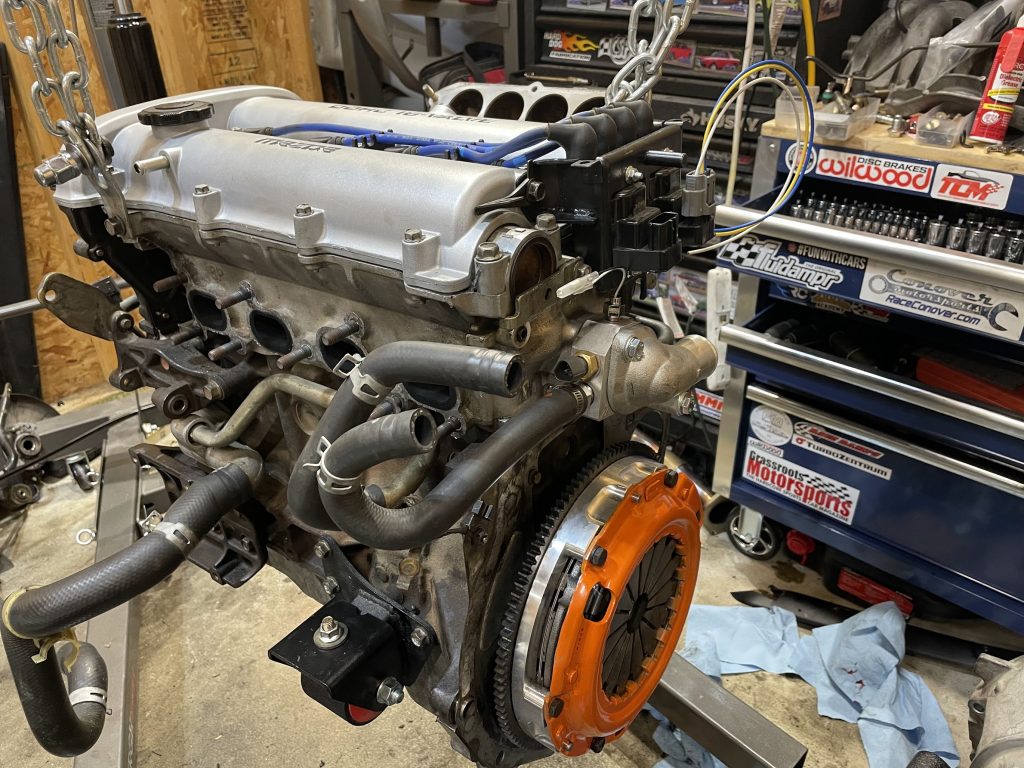
However, post-reinstallation diagnostics revealed a hairline crack along the front oil pan mounting flange, generating a minor external oil seep while running. While resting fluid levels sit safely below the elevation of the fracture, temporary remedial measures involving high-strength automotive epoxy were applied to halt the leak pending the installation of a secondary backup oil pan.
Thermal Management: Hawley Performance Coolant Reroute
The Mazda BP engine family was originally engineered for transverse orientation in front-wheel-drive Mazda platforms, where the thermostat housing and water pump resided on opposing sides of the block. When adapted for rear-wheel-drive longitudinal application in the MX-5, both components were relocated to the front of the engine to simplify packaging and maintenance against the firewall.
While adequate for standard street driving, sustained high-rpm track use exposes a well-documented thermal inefficiency: the rear cylinders (cylinders three and four) receive significantly less coolant flow than the front cylinders, accelerating localized thermal fatigue. To mitigate this, a Hawley Performance coolant reroute kit was installed, relocating the thermostat housing to the rear of the cylinder head to promote uniform thermal distribution across all four combustion chambers.
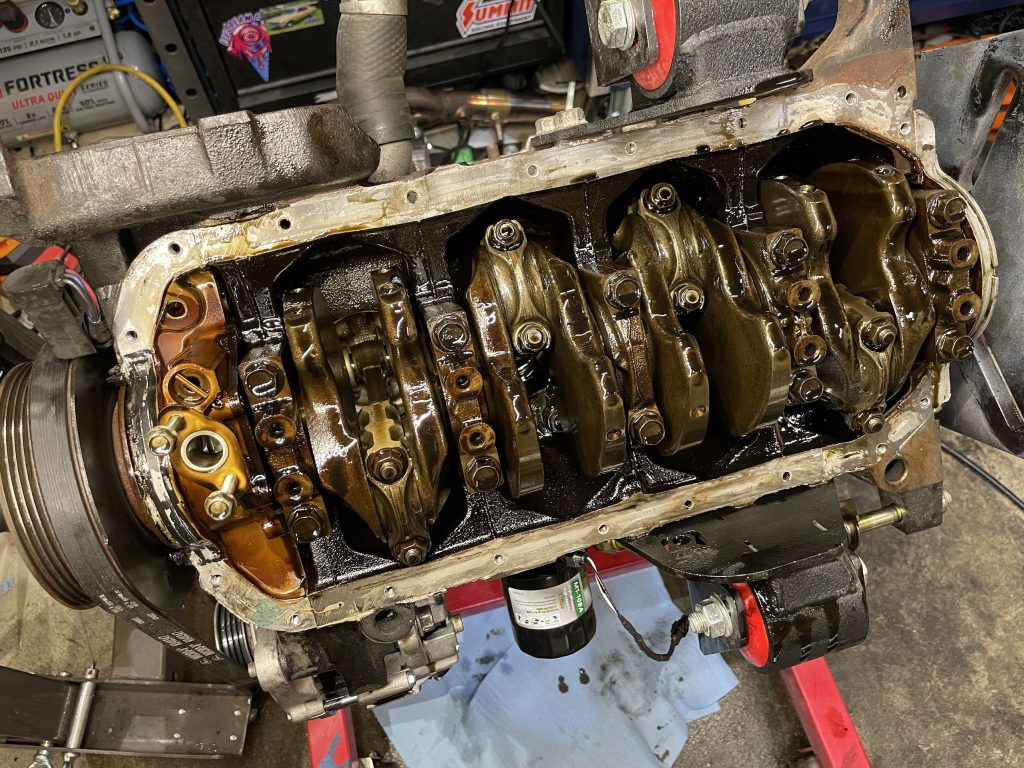
Installation of a rear coolant reroute requires shifting the engine slightly forward within the bay to clear the tight firewall clearance—underscoring why Mazda originally omitted the configuration from factory assembly lines. Post-installation data indicated notable reductions in baseline coolant and oil operating temperatures. Nevertheless, bleeding trapped air from the newly expanded cooling network proved cumbersome, necessitating specialized elevated spill-proof coolant funnels. While the Hawley kit offered a cost-effective alternative utilizing off-the-shelf components, comprehensive kits featuring integrated bleed nipples and dedicated sensor ports—such as the Supermiata Qmax system—remain the preferred gold standard for future builds.
Induction Optimization via EUDM/JDM Flattop Intake Manifold
Factory intake manifold configurations varied significantly across global markets during the NB Miata production run:
- Early standard manifolds
- Variable Inertia Charging System (VICS) manifolds (found on US-market 2000 models)
- European (EUDM) and Japanese (JDM) "flattop" manifolds
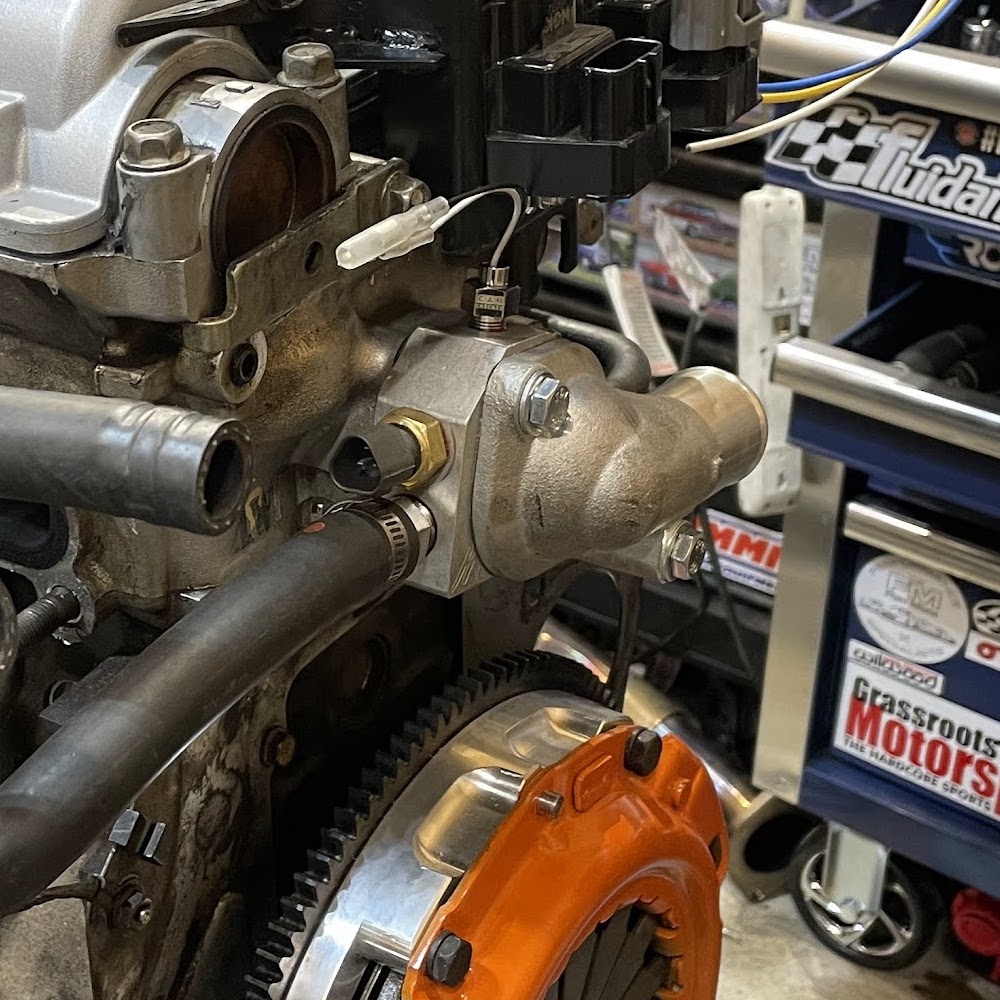
Seeking optimized high-rpm volumetric efficiency suitable for closed-circuit track environments, the owner acquired and installed an EUDM flattop intake manifold. The flattop design eliminates the complex electronic butterfly valves of the VICS system, simplifying engine bay plumbing and eliminating the need for complex standalone ECU tuning parameters dedicated to switchover points. Furthermore, the intake manifold and valve cover were stripped, prepped, and coated in a durable, OEM-style silver aluminum finish, balancing aesthetic restoration with resistance to visible surface wear.
Broader Implications and Future Outlook
The comprehensive winter engine overhaul highlights the compounding nature of vintage vehicle maintenance. While individual modifications—such as seal replacements, clutch upgrades, thermal rerouting, and manifold swaps—address specific mechanical shortcomings, executing them concurrently transforms the dynamic capability and reliability of the platform.
Despite meticulous reassembly, ongoing post-project diagnostic checks revealed a minor recurrence of oil weeping from the rear powertrain sealing surfaces within the first 500 miles of operation. This development underscores the precision required in vintage gasket preparation and thermal cycling. To insulate the project against unexpected downtime, a replacement low-mileage BP4W engine block has been secured from overseas suppliers, establishing a logistical buffer for either a comprehensive secondary bench rebuild or a rapid drop-in replacement should mechanical tolerances degrade further.
As the project enters its next phase, upcoming development documentation will focus on a comprehensive year-one ownership cost analysis and structural safety enhancements designed to prepare the roadster for competitive track duty.