 Ganda Hendra Perkasa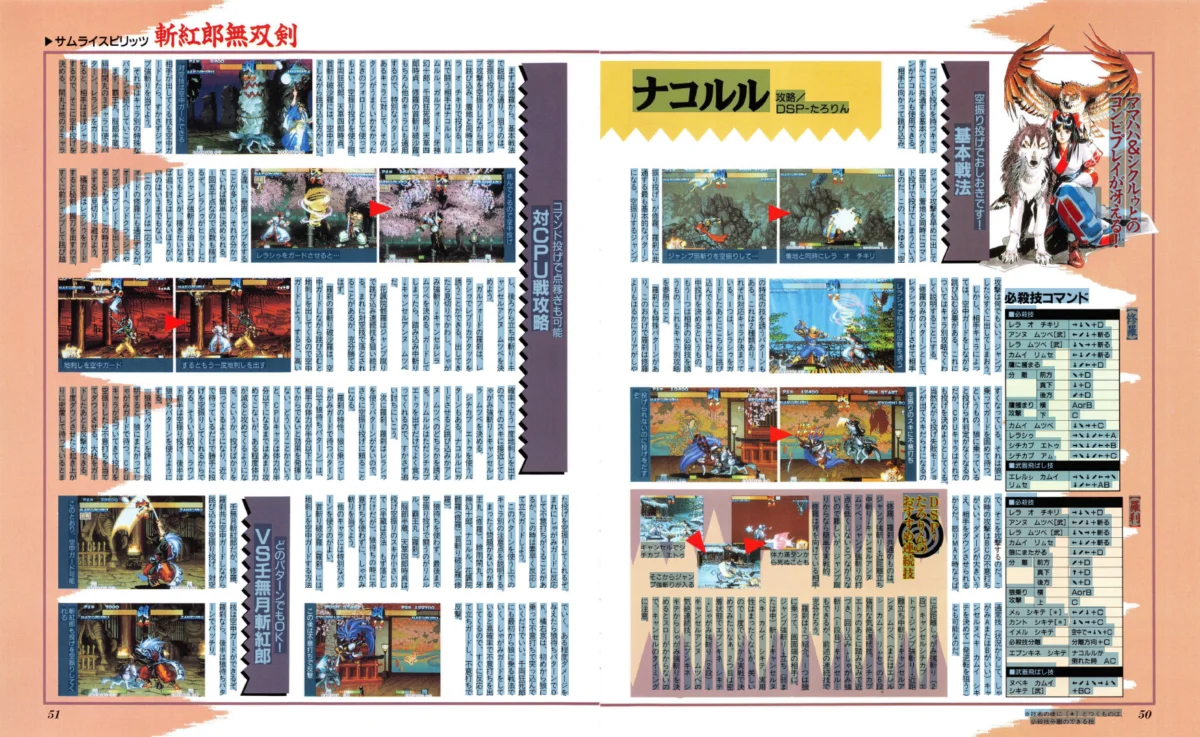
The Video Game History Foundation has officially surpassed a major institutional milestone by expanding its digital research archive to include more than 5,000 out-of-print gaming magazines, totaling nearly 600,000 text-searchable pages. Representing roughly 46 years of continuous industry history spanning from 1981 to 2026, the collection has more than tripled in physical volume since its initial public launch just over a year and a half ago. To accommodate this unprecedented growth and answer long-standing calls from the academic community, the foundation has simultaneously rolled out comprehensive support for Japanese-language publications, beginning with a pilot project centered on the rare 1990s publication Neo Geo Freak.
This expansion bridges a critical gap in digital preservation, making historically significant trade newsletters, niche community periodicals, and primary-source interviews freely available to researchers, journalists, and historians worldwide. The growing repository has already established itself as a premier digital reference standard, earning more than 500 citations on Wikipedia and transforming how historical research into interactive media is conducted globally.
Chronology of Growth: From Launch to International Expansion
The initiative began with the formal rollout of the Video Game History Foundation (VGHF) digital archive, which debuted with an initial catalog of roughly 1,500 out-of-print, text-searchable periodicals. Designed from the ground up to serve as a first-in-class research library, the platform offered free access to historical materials that were previously restricted to private collectors or physical archives requiring in-person visits.
Within months of the initial rollout, foundation staff integrated hundreds of trade publications, rare developmental newsletters, and fan-community literature. This phase captured roughly 60 percent of the physical magazine collection cataloged by the VGHF to date. By late 2026, the cumulative page count surged to nearly 600,000 pages—the equivalent of approximately 100 linear feet of traditional physical shelf space. Building on this momentum, the organization incorporated community feedback regarding international publications, culminating in the formal integration of Japanese script mapping tools, right-to-left layout rendering, and language-filtering architecture.
Supporting Data and Collection Metrics
The scope of the VGHF digital repository reflects an unprecedented collaborative effort between institutional archivists and independent digital preservationists. Approximately one-third of the entire digital archive was digitized directly by the foundation, while external community-run scanning groups and private collectors provided the remaining two-thirds.
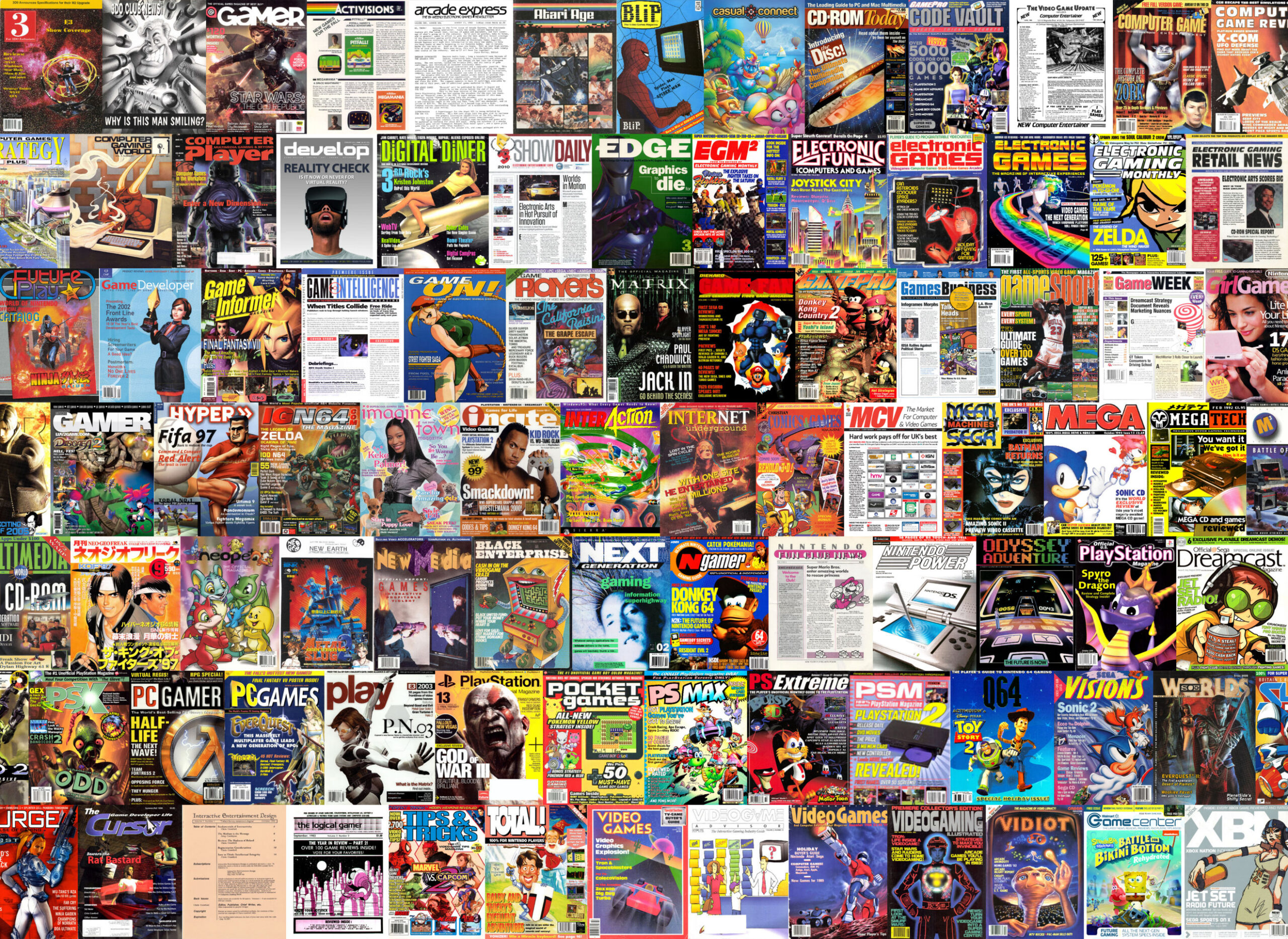
The collection now represents a chronological continuum from 1981 through 2026, encompassing a diverse array of content types:
- Total indexed publications exceeding 5,000 distinct magazine runs and serials.
- Cumulative page count reaching nearly 600,000 searchable pages.
- Approximately 60 percent of the VGHF’s total physical catalog digitized and mapped.
- Over 500 academic and public reference citations utilized on global knowledge repositories such as Wikipedia.
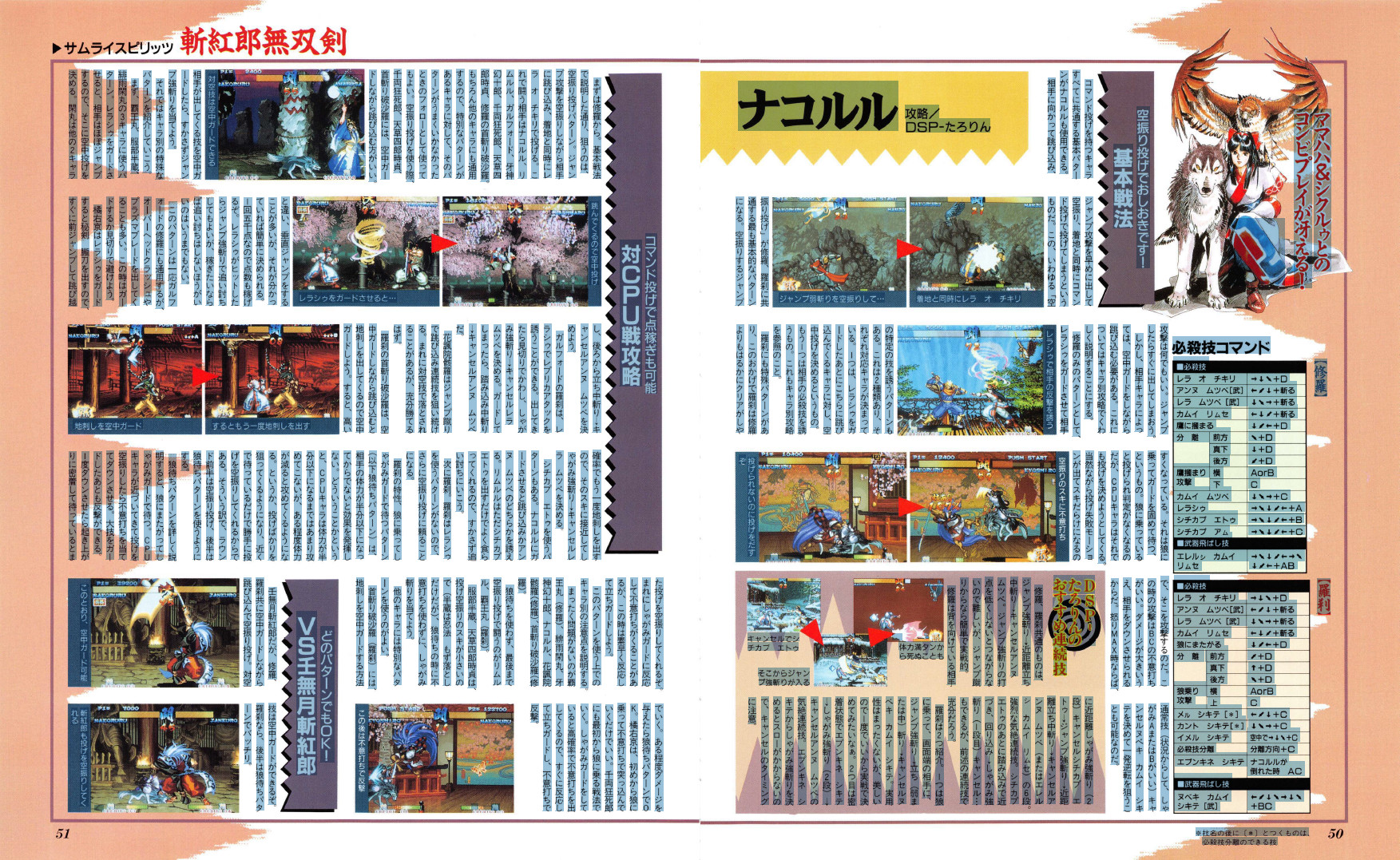
- A pilot Japanese-language archive consisting of the complete run of Neo Geo Freak, spanning from 1995 to 2000.
Technical Innovations in Japanese Script Recognition
Integrating Japanese-language periodicals presented distinct technical and cultural challenges for an institution primarily structured around English-language documentation. Because Japanese print media relies heavily on complex kanji, hiragana, katakana, and vertical writing orientations, standard Optical Character Recognition (OCR) systems frequently fail or produce unsearchable outputs.
To overcome this, VGHF engineers consulted with professional archivists and document-transcription experts in Japan to identify advanced text-recognition libraries suited for complex scripts. These libraries were integrated into the foundation’s proprietary text-mapping framework. The resulting system successfully maps vertical text correctly, indexes katakana search strings without interword spacing, and renders right-to-left page turning layouts seamlessly.
Rather than relying on automated bulk translation tools—which often introduce severe contextual errors across 10,000-plus pages of technical game journalism—the foundation partnered with a specialized team of Japanese-fluent volunteers. This group manually indexed major feature articles and developer interviews across the complete run of Neo Geo Freak. This hybrid approach ensures absolute textual integrity while giving researchers reliable navigational landmarks. Furthermore, archival collections such as early promotional materials from FromSoftware were entirely reprocessed under these new technical parameters.
Stakeholder and Community Contributions
The realization of this expansive international archive was made possible through the direct labor, technical expertise, and material donations of independent researchers and preservation communities. Donors contributed complete physical runs of rare magazines, while independent scanning collectives supplied high-resolution source imagery.
The foundation publicly credited a dedicated cohort of volunteers and consultants who provided linguistic expertise, indexing labor, and software guidance for the Japanese-language pilot project. Contributors include Brian Clark, Rob Curl, Misty De Méo, Dave Fishel, Akito Inoue, Stef "pidgezero_one" Kischak, Lillian McIntyre, Stephen Meyerink, and Adria Miller. Their combined efforts directly enabled the foundation to establish a reliable, scalable framework for handling non-English documentation.
Broader Impact and Industry Implications
The continuous expansion of the VGHF digital archive carries profound implications for the academic study of video game history. Historically, primary-source documentation regarding game development in the 1980s, 1990s, and 2000s has suffered from severe deterioration, geographic scattering, and institutional gatekeeping. By democratizing access to out-of-print print media, the foundation has democratized historical inquiry, allowing scholars to cross-reference North American, European, and Asian market perspectives in real time.
The inclusion of Japanese publications is particularly transformative. Japanese print media from the golden eras of the arcade and 16-bit to 128-bit console generations often contain the only surviving interviews with legendary game designers, programmers, and composers. These materials also offer vital sociological insights into domestic player culture that went entirely unreported in Western press outlets.
Future Outlook and Ongoing Development
With the successful deployment of the Neo Geo Freak pilot project, the Video Game History Foundation has signaled its readiness to scale international archiving efforts. Organization leadership has expressed openness to collaborating with external institutions, foreign libraries, and private collectors who possess extensive non-English print archives but lack the digital infrastructure to transform them into searchable research libraries.
Looking ahead, the foundation has announced preliminary plans to ingest an estimated 70,000 additional pages of international material over the coming years. To support this growth, library administrators are actively soliciting feedback from professional researchers who utilize Japanese-language source texts, while issuing an open call for Japanese-fluent volunteers interested in assisting with future indexing projects. Through these concerted preservation efforts, the VGHF continues to solidify its mandate: ensuring that the ephemeral history of interactive entertainment is permanently safeguarded for future generations of scholars and enthusiasts.