Chalid Lutfie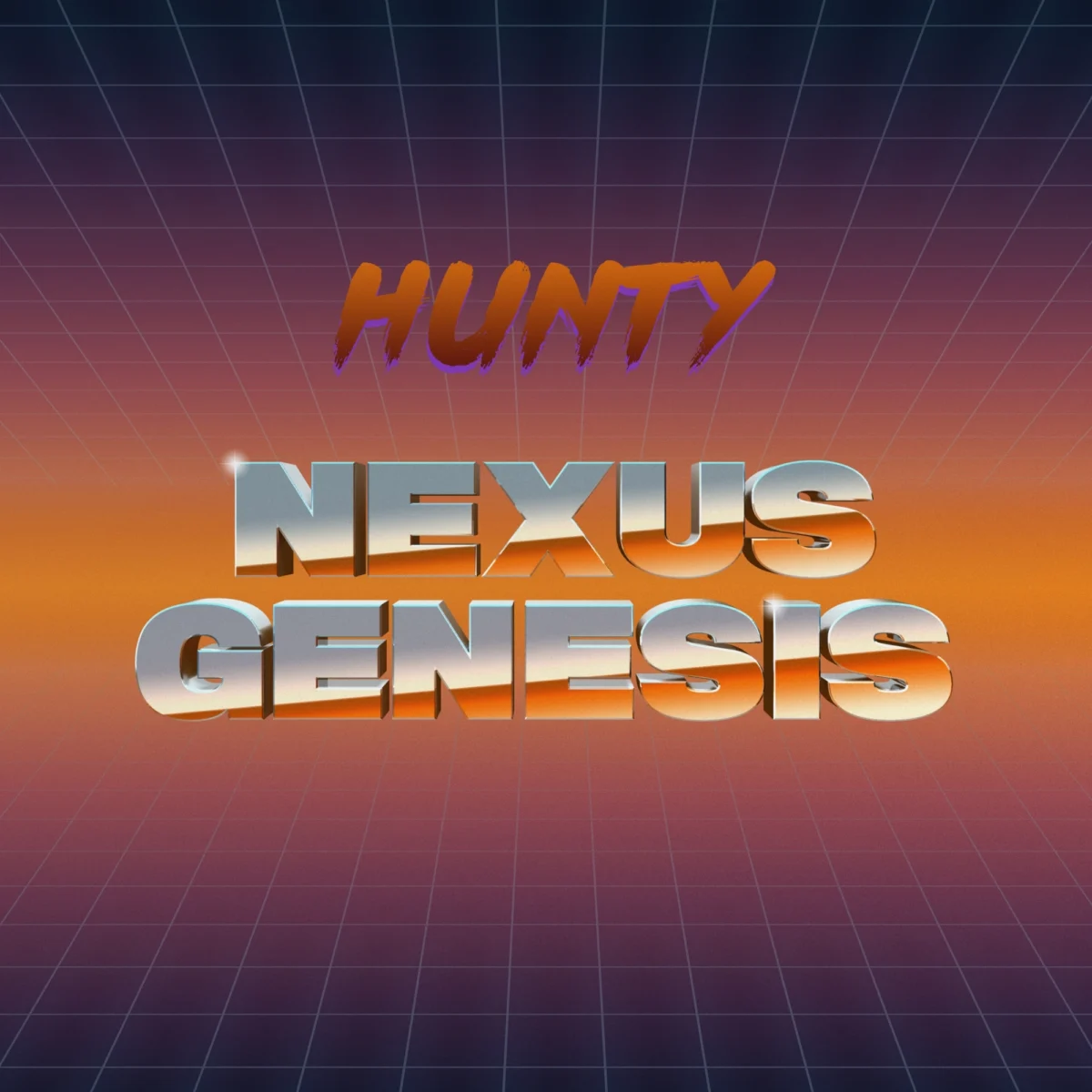
The independent music label Ubiktune has officially announced the release of Nexus Genesis, the debut full-length album from composer Hunter Bridges, known in the chiptune and fan-game communities as Hunty. The album serves as the definitive soundtrack to Sonic Nexus, a high-profile fan-led development project that played a pivotal role in the modern history of the Sonic the Hedgehog franchise. Though the game project was ultimately discontinued following the professional recruitment of its lead developer by SEGA, Nexus Genesis arrives as a completed archival work, fulfilling a decade-long promise to preserve the musical identity of the "game that never was."
The release of Nexus Genesis is more than a standard album launch; it represents a significant intersection of fan culture, technical sound design, and the evolving relationship between amateur creators and corporate intellectual property holders. Bridges, who served as the primary composer for the project between 2006 and 2010, has spent the intervening years refining these compositions to meet the exacting standards of the 16-bit era, specifically emulating the complex FM synthesis of the Sega Genesis hardware.

The Musical Genesis of Hunter Bridges
Hunter Bridges’ journey into the world of digital composition began in Alabama, where he was exposed to a diverse range of musical influences from an early age. His father, a performing musician, maintained a practice space within the family home, providing Bridges with early access to professional-grade instruments and recording equipment. By the age of six, Bridges had developed a particular fascination with percussion, leading to formal drum lessons that would later inform the rhythmic complexity of his electronic compositions.
As a member of the generation that grew up during the height of the 8-bit and 16-bit console eras, Bridges was deeply influenced by the soundtracks of the Nintendo Entertainment System (NES), Super Nintendo (SNES), and Sega Genesis. He cites seminal works such as Super Mario Bros. 3, Street Fighter II, and Gauntlet IV as foundational texts in his musical education. However, it was the 1994 release of Sonic the Hedgehog 3 that left the most indelible mark on his creative philosophy. The game’s soundtrack, famously associated with high-profile pop music production, utilized the Yamaha YM2612 sound chip to its absolute limit, creating a rich, textured sound that Bridges sought to replicate in his own work.
The transition from listener to creator began during the dial-up internet era. In the early 2000s, Bridges discovered VGMusic.com, a central hub for the amateur arrangement community. He began transcribing video game themes into MIDI format, a process that required a deep understanding of melody and structure given the technical limitations of the file format. This period of "digital apprenticeship" allowed Bridges to hone his skills in music theory and arrangement before transitioning to modern Digital Audio Workstations (DAWs) like Fruity Loops and Cubase.

The Rise and Fall of Sonic Nexus
In 2006, the landscape of the Sonic the Hedgehog fan community was undergoing a period of intense creative output. Among the most promising projects was Sonic Nexus, led by developer Brad Flick, known online as Slingerland. The project aimed to create a "lost" entry in the Sonic series, utilizing original assets and mechanics that stayed true to the physics of the 16-bit originals.
Bridges joined the Nexus Team in the summer of 2006. Unlike many fan projects of the era that relied on MIDI or ripped assets, Flick sought high-resolution waveform audio to provide a premium experience. This requirement pushed Bridges to move beyond simple transcriptions and into the realm of original production. Over the next four years, Sonic Nexus became a critical darling within the Sonic Amateur Games Expo (SAGE) and was frequently featured on technology blogs for its polished gameplay and authentic aesthetic.
The development timeline of Sonic Nexus was characterized by several key milestones:

- 2006: Initial development begins; Bridges joins as lead composer.
- 2007–2008: Multiple demo releases garner widespread acclaim for their physics and art direction.
- 2008: The project encounters technical limitations with the Multimedia Fusion engine and the "Sonic Worlds" framework.
- 2009: The team decides to migrate the project to the "Retro Engine," a proprietary engine developed by Christian Whitehead (known as The Taxman).
- 2010: Sonic Nexus merges with other high-profile fan projects, including Retro Sonic and Sonic XG, to consolidate resources.
The Professional Pivot and the End of Development
The trajectory of Sonic Nexus changed irrevocably in 2010. Christian Whitehead, whose Retro Engine had provided the technical backbone for the later stages of Nexus, produced a proof-of-concept video showing Sonic CD running natively on an iPhone. This demonstration was so technically impressive that it caught the attention of SEGA’s executive leadership.
In a rare move for the gaming industry at the time, SEGA chose to hire Whitehead to produce an official remastered release of Sonic CD. This partnership eventually expanded to include remakes of Sonic the Hedgehog 1 and 2. While this was a monumental victory for the fan community, it necessitated the cessation of the Sonic Nexus project. To protect Whitehead’s new professional relationship with SEGA and to avoid potential legal conflicts regarding the use of the Sonic IP, the Nexus Team made the difficult decision to dissolve the project.
"Out of interest for protecting Christian’s business relationship with SEGA, we decided to stop working on Sonic Nexus," Bridges noted in a retrospective statement. This left a significant volume of unreleased work, including level designs, sprites, and Bridges’ extensive soundtrack, in a state of limbo.

Technical Innovation: Replicating the 16-Bit Sound
Following the cancellation of the game, Bridges remained committed to the music he had composed. However, he felt that his earlier work lacked the absolute authenticity required to match the legacy of the Sega Genesis. This led to a multi-year deep dive into FM (Frequency Modulation) synthesis.
In 2013, Bridges released the "Sonic 3 & Knuckles FM8 Patch Collection," a set of digital instruments designed for the FM8 software synthesizer that meticulously recreated the specific sounds used by the original Sega sound teams. By reverse-engineering the patches of the YM2612 chip, Bridges was able to achieve a level of sonic accuracy that bridged the gap between modern production and 1990s hardware constraints.
Nexus Genesis is the culmination of this technical mastery. The album features 22 tracks that have been re-recorded and polished using these custom FM patches. The result is a soundtrack that sounds as though it could have been pulled directly from a Sega Genesis cartridge, complete with the gritty basslines and metallic percussion that defined the console’s audio identity.

Supporting Data and Industry Context
The release of Nexus Genesis comes at a time when the "fan-to-pro" pipeline is becoming increasingly recognized within the software and entertainment industries. The success of Christian Whitehead—and by extension the influence of the Sonic Nexus team—is often cited as the catalyst for SEGA’s eventual decision to greenlight Sonic Mania, a game developed by former fan creators that became one of the highest-rated entries in the franchise’s history.
Data from the indie music sector suggests a growing market for "neo-chiptune" and retro-inspired soundtracks. Platforms like Bandcamp and labels like Ubiktune have seen a steady increase in the consumption of albums that utilize legacy hardware or authentic emulation. By positioning Nexus Genesis as a standalone musical work, Ubiktune is tapping into a demographic that values the preservation of "vaporware" projects—games that were announced but never officially released.
Implications and Legacy
The release of Nexus Genesis serves as a case study in creative resilience. While the game itself may never see a commercial release, its artistic contributions have been codified through this album. It stands as a tribute to the collaboration between Bridges, Brad Flick, and Christian Whitehead, and as a "love letter" to the original composers of the 16-bit era.

For the broader gaming industry, the story of Sonic Nexus highlights the importance of fan communities as incubators for talent. The transition of the Nexus team members into professional roles demonstrates that the boundaries between amateur enthusiasm and professional development are increasingly porous.
Nexus Genesis is now available through Ubiktune and major digital distribution platforms. The album features cover art by Daniel Warner Smith and includes tracks that span the entire development history of the project, from the early experimental phases to the final, polished compositions. As the official soundtrack for an "unofficial game," it provides a rare glimpse into a parallel timeline of gaming history, ensuring that the work of Hunter Bridges and the Nexus Team will be preserved for future generations of listeners and developers alike.