Retno Hari Mulyono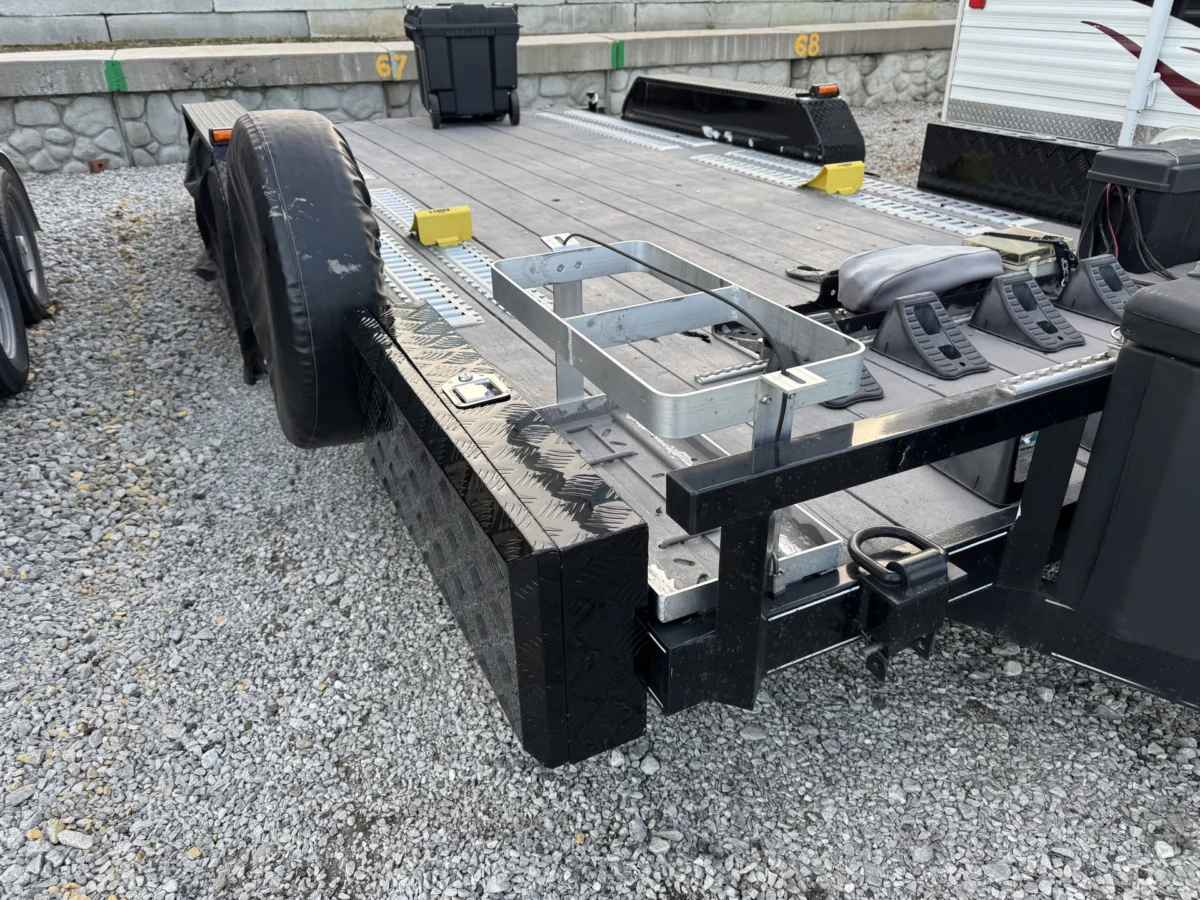
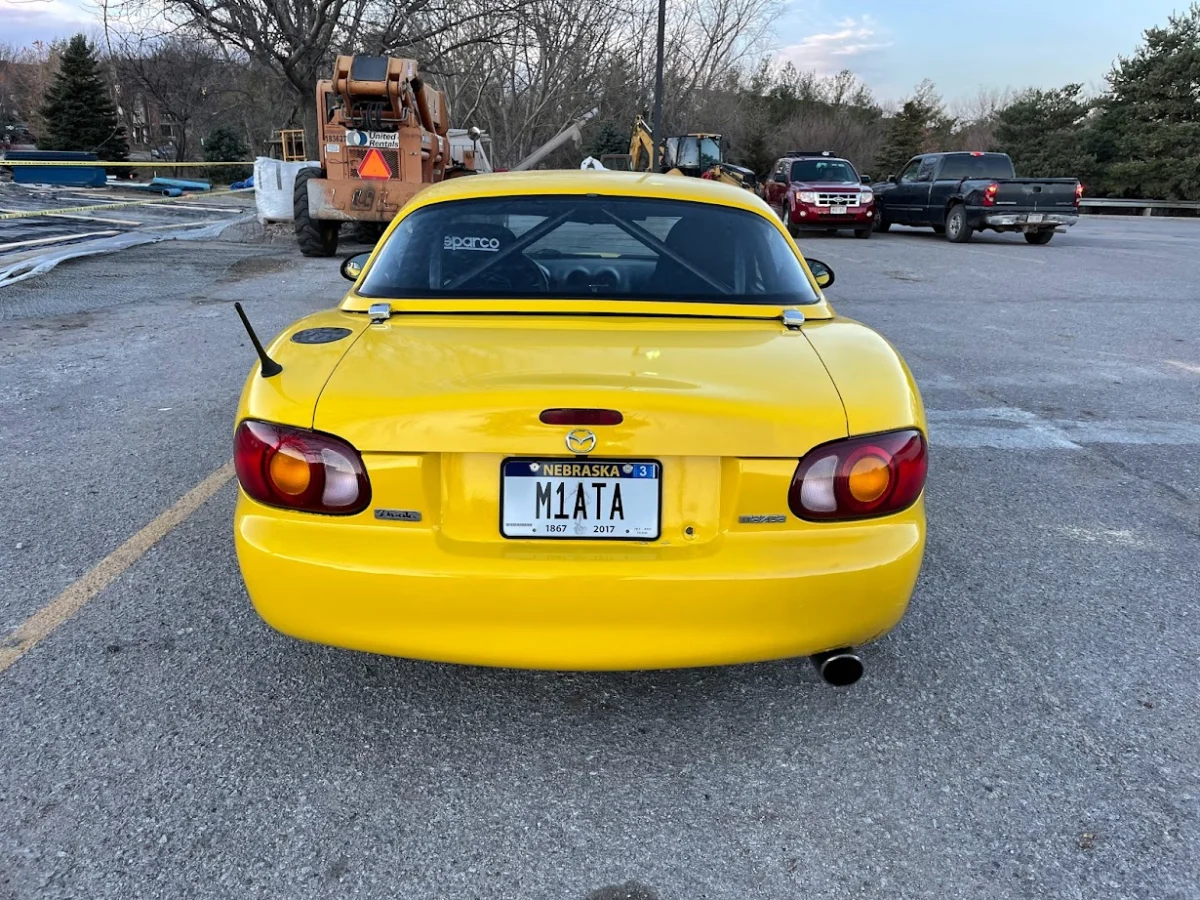
The lifecycle of a dedicated track vehicle often mirrors a trajectory of continuous engineering refinement, punctuated by mechanical failures that necessitate robust technical solutions. Over a five-year period concluding in February 2026, a 2000 Mazda MX-5 Miata (NB generation) has undergone an extensive transformation from a factory-specification roadster into a highly modified competition machine. This evolution, documented through rigorous track testing and data-driven performance upgrades, highlights the technical challenges and rewards associated with the SCCA Mid-States Conference (MiDiv) Time Trials and regional track endurance.
Annual Performance Benchmarking and Intake Manifold Analysis
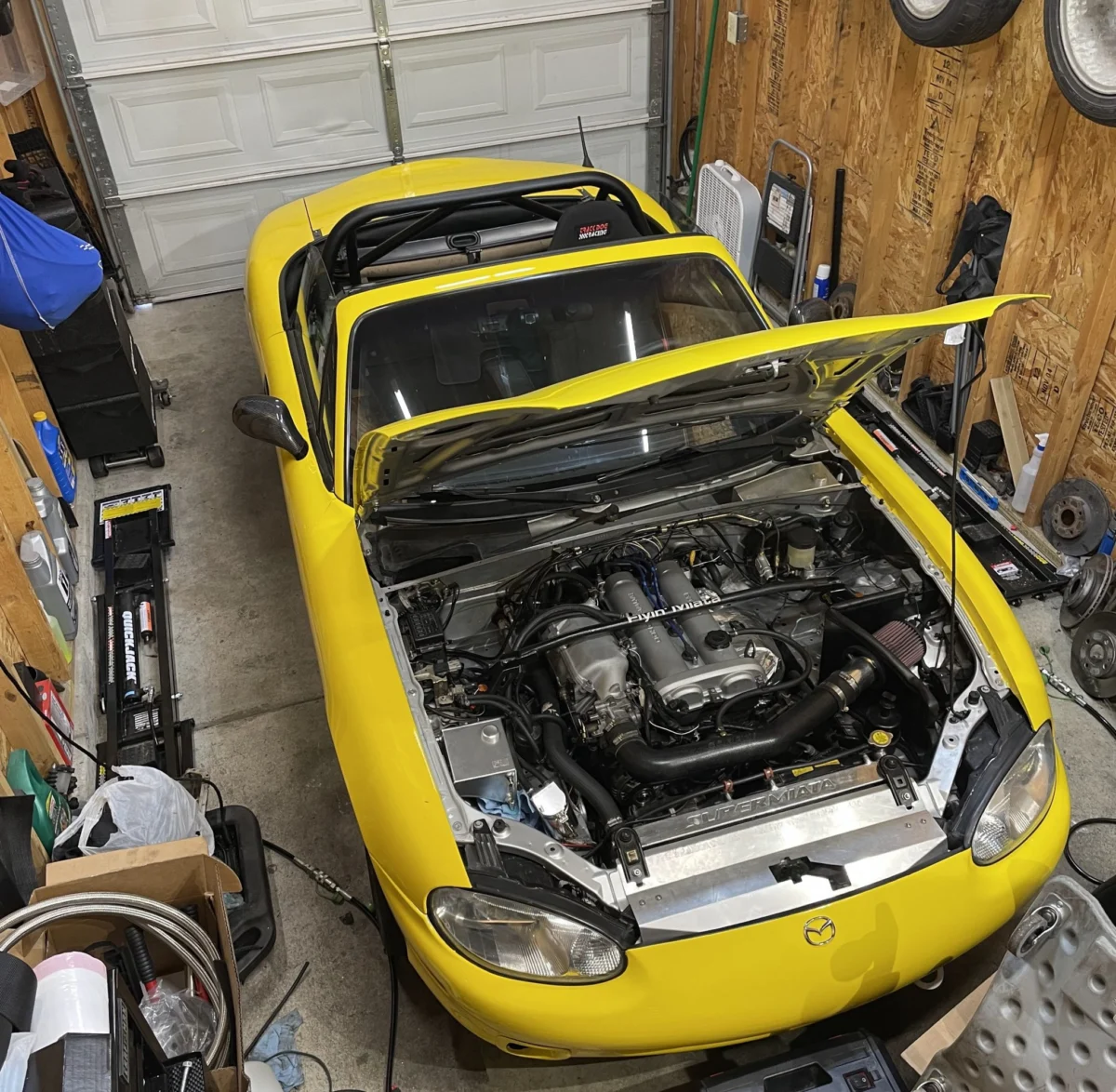
The 2025 racing season commenced in March with a standardized dynamometer evaluation to determine the vehicle’s power-to-weight ratio for SCCA MiDiv classing. The primary mechanical variable for this session was the transition from a "square top" intake manifold—a sought-after European and Japanese market component known for high-RPM flow—to a Skunk2 Racing Pro Series intake manifold.
Testing conducted on a Dynojet chassis dynamometer yielded a peak output of 145.09 wheel horsepower (whp) and 129.67 lb-ft of wheel torque. This represents a significant increase over previous years, where the vehicle recorded 133.27 whp and 136.11 whp respectively. When compared to the baseline of approximately 115 whp achieved with the factory Electronic Control Unit (ECU), the current configuration demonstrates a nearly 26% increase in power at the wheels.
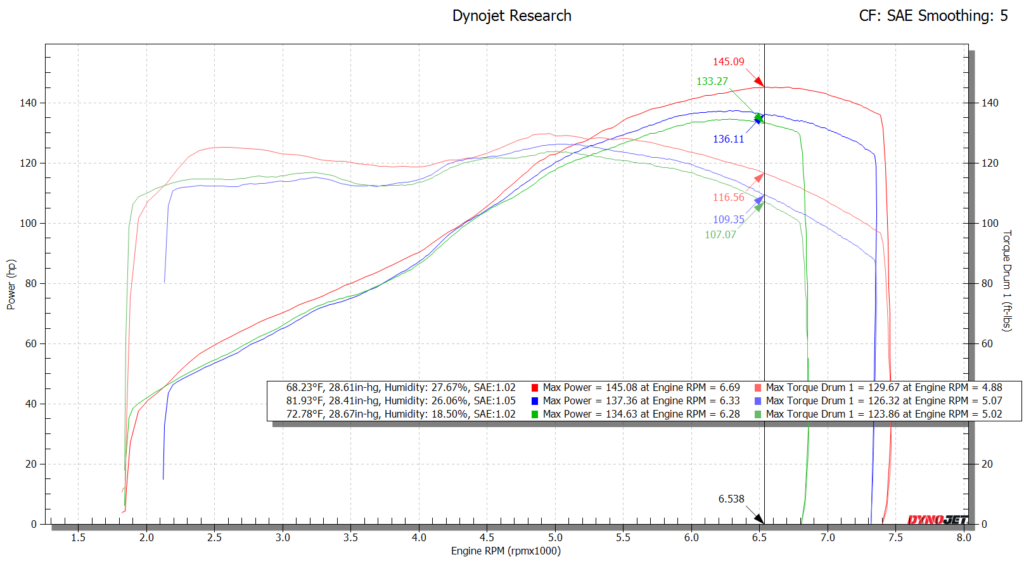
Technical analysts note that while different dynamometers can produce varying results based on calibration and ambient conditions, the consistent use of Dynojet equipment allows for a reliable delta. The increase in peak horsepower is largely attributed to the improved volumetric efficiency provided by the Skunk2 manifold and the fine-tuning capabilities of the Megasquirt MS3Pro Evo standalone ECU.
Operational Challenges at Hallett and Ozarks International Raceway
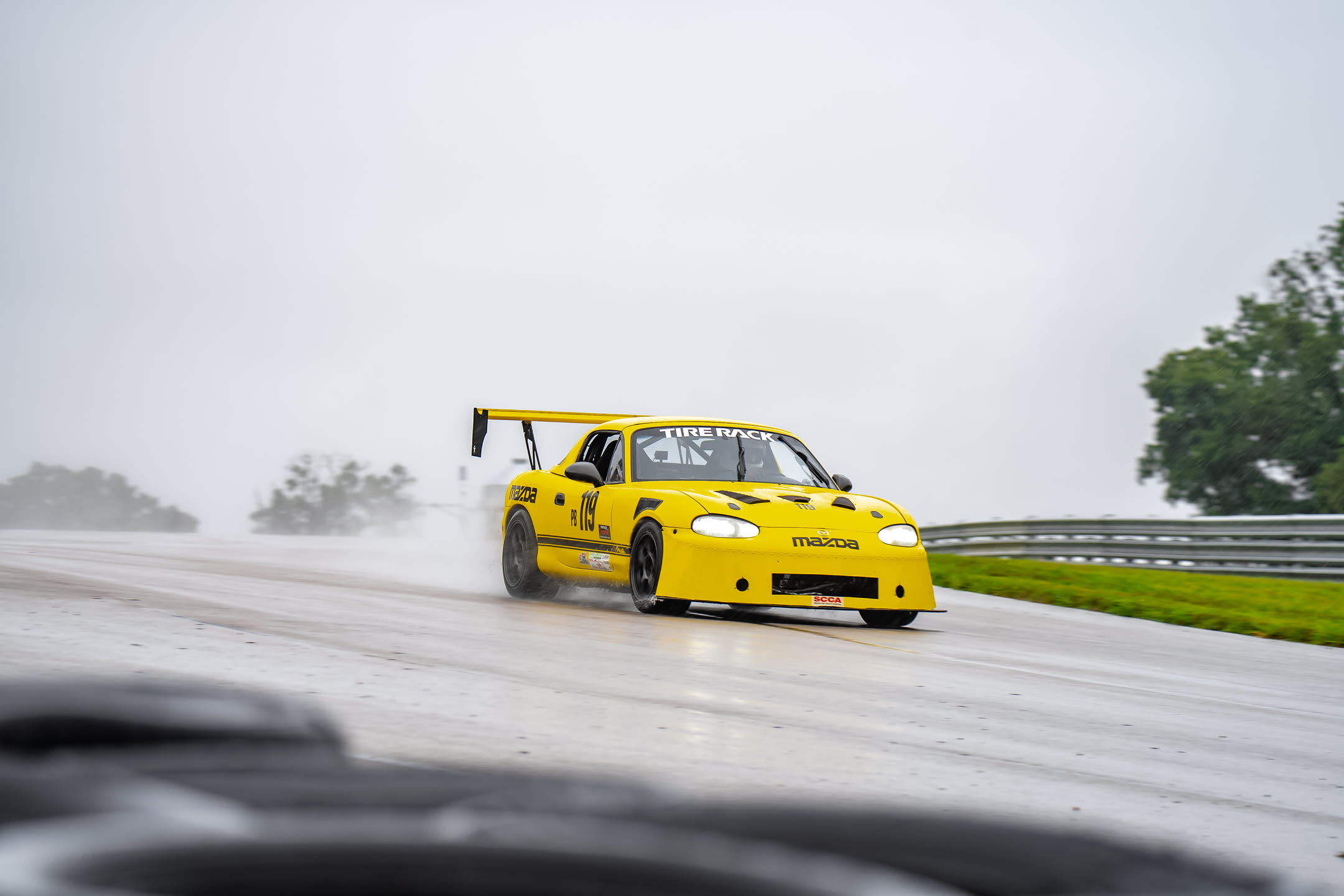
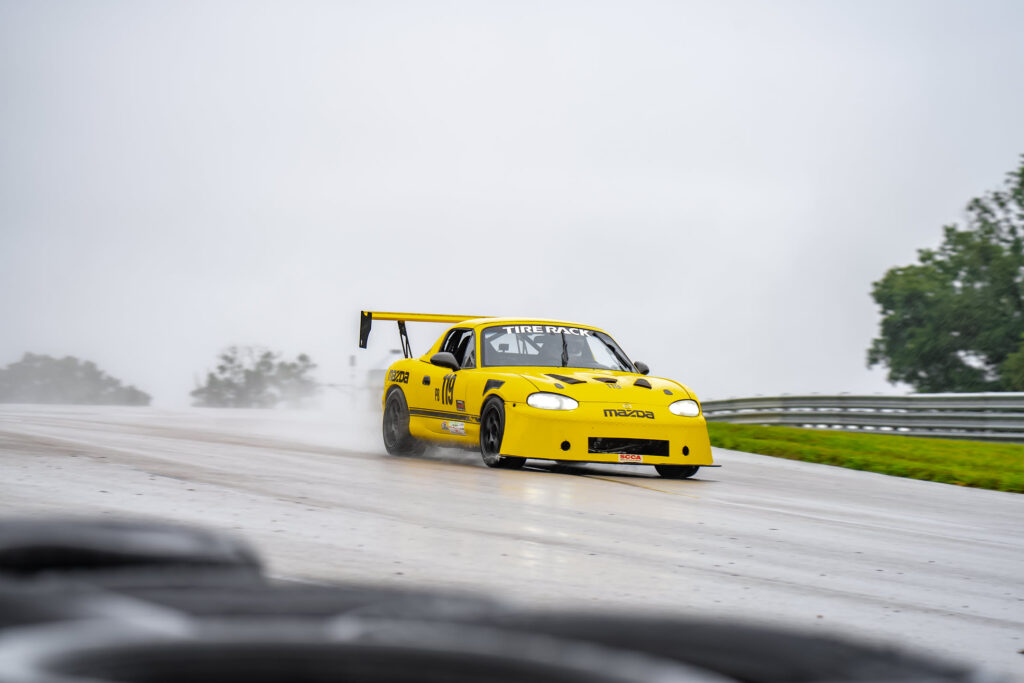
The second quarter of 2025 focused on high-speed testing at two of the Midwest’s most demanding circuits: Hallett Motor Racing Circuit and Ozarks International Raceway (OIR). April sessions at Hallett were characterized by inclement weather, providing a unique opportunity to evaluate the track’s recent resurfacing. The transition between old and new asphalt in braking zones created variable friction coefficients, requiring the driver to recalibrate threshold braking points in wet conditions.
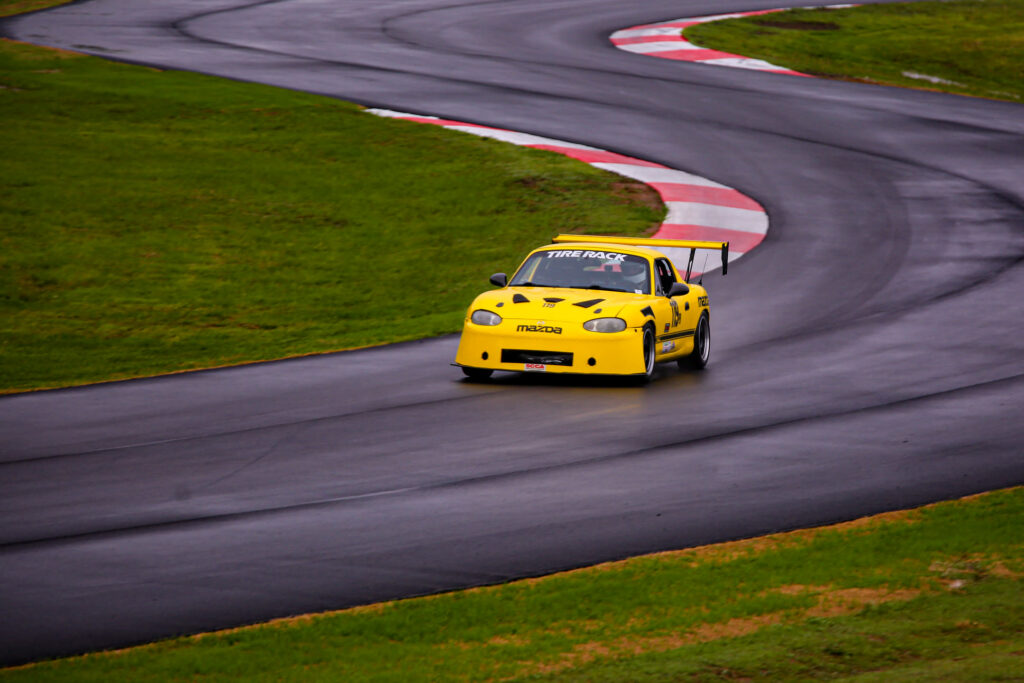
In July, the vehicle returned to Ozarks International Raceway, a 3.97-mile technical circuit known for its significant elevation changes and blind crests. The introduction of wet-weather sessions at OIR highlighted the circuit’s complex drainage patterns. For a lightweight, rear-wheel-drive platform like the NB Miata, water pooling in high-compression valleys presents a significant hydroplaning risk, necessitating a "rain line" that avoids traditional apexes where rubber buildup reduces grip.
Mechanical Failure Analysis: The Throttle Body Crisis
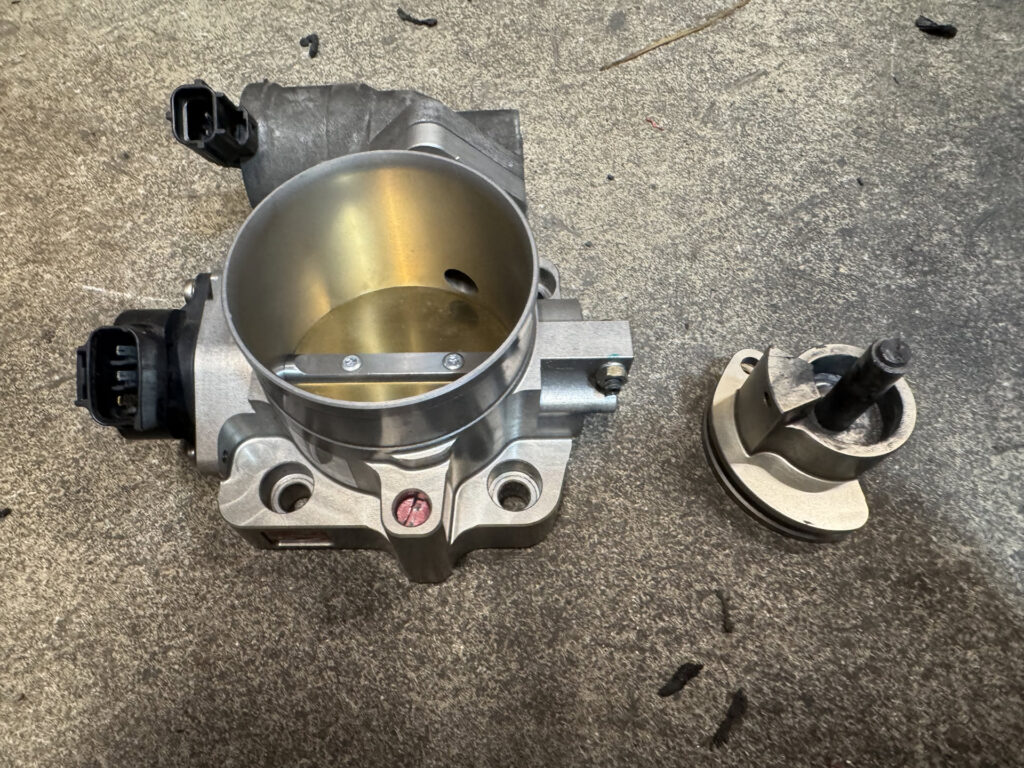
The 2025 season was plagued by repeated failures of the aftermarket throttle body system, specifically the Skunk2 units designed for high-performance applications. In May, during a test day at I29 Speedway, the throttle return spring suffered a fatigue failure. While a temporary field repair allowed the vehicle to return to the paddock, the incident underscored a critical vulnerability: the engine’s ability to "out-brake" the vacuum of an open throttle.
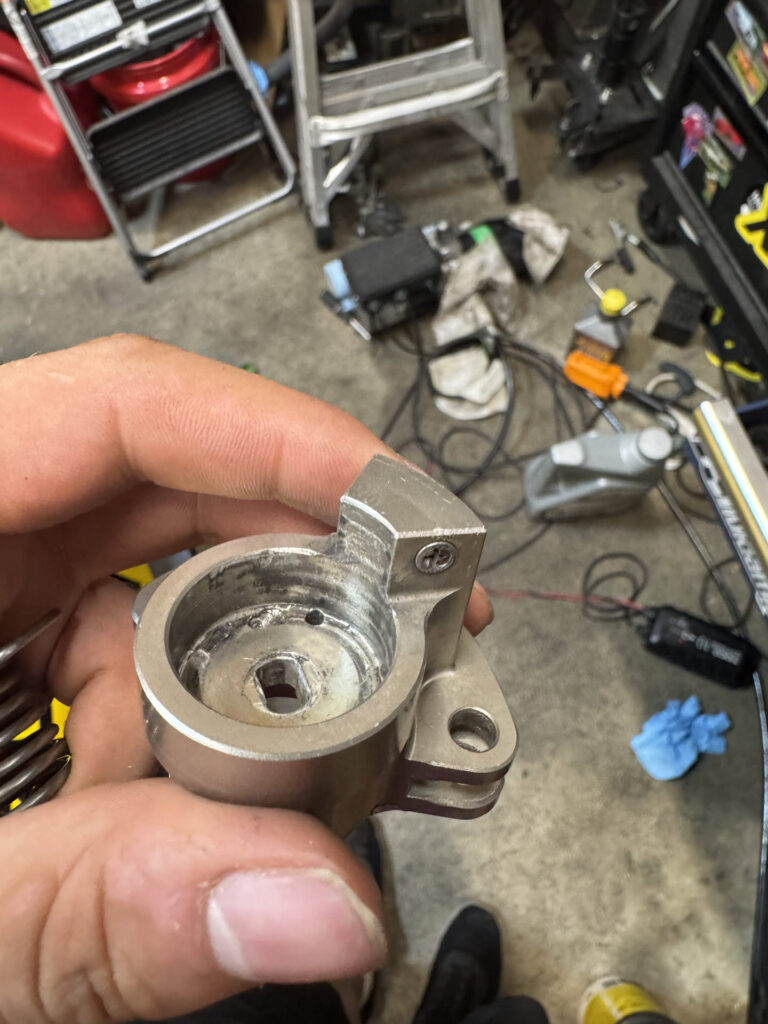
A second, more severe failure occurred in August at High Plains Raceway. During a timed lap, the throttle body shaft snapped entirely. Although the engine did not ingest the broken hardware—a common cause of catastrophic engine failure in such scenarios—the vehicle lost all propulsion on the main straight and required a professional recovery.
These incidents prompted a re-evaluation of aftermarket mechanical throttle bodies. The high-vibration environment of a modified four-cylinder engine, combined with the stiff return springs required for racing, appears to exceed the fatigue limits of certain cast and machined components. For the interim, the team reverted to a factory Mazda throttle body to ensure finishing the season, though this limited peak airflow.
Strategic Shift to Drive-by-Wire and Custom Electronics
To address the reliability issues identified during the summer, the off-season (October and November 2025) was dedicated to a complete overhaul of the vehicle’s electrical and induction control systems. The centerpiece of this upgrade was the conversion to a Drive-by-Wire (DBW) system, a technology standard on modern performance cars but requiring significant integration for a 25-year-old chassis.
The hardware suite for this conversion included:
- Throttle Body: A Bosch 60mm electronic unit.
- Accelerator Pedal: A Honda-sourced Accelerator Pedal Position (APP) sensor.
- Controller: An AMP EFI Drive-by-Wire controller integrated with the MS3Pro Evo ECU.
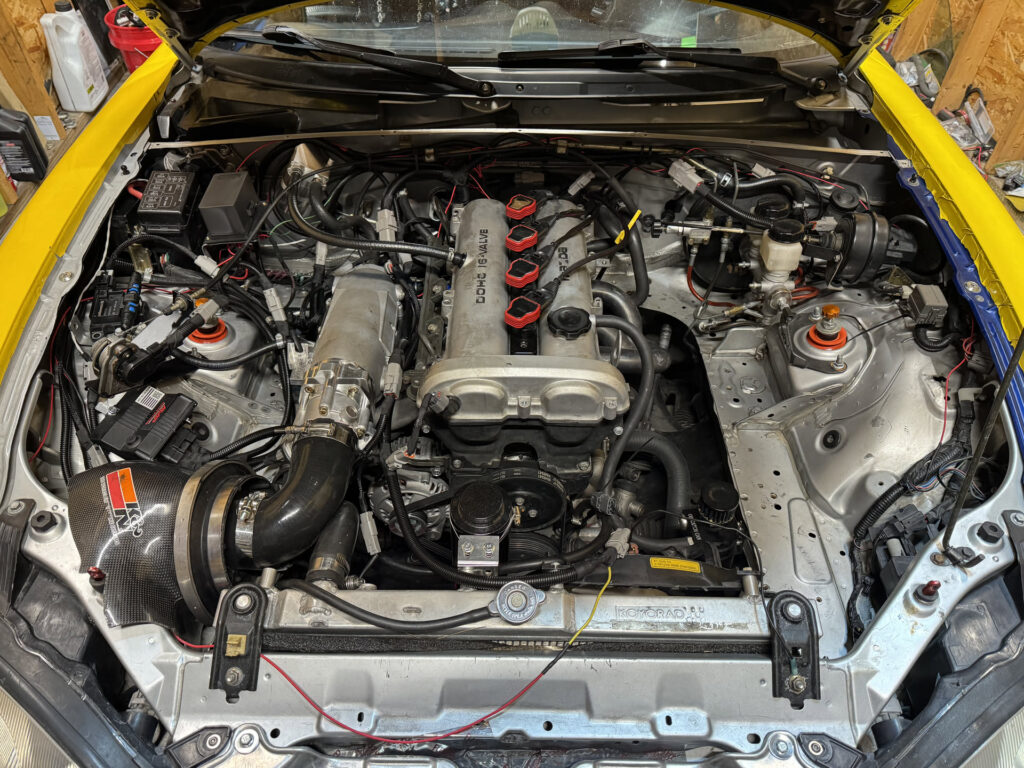
Simultaneously, the owner discarded the aging factory wiring harness, which had become a liability due to wire brittleness and connector degradation. A bespoke engine harness was constructed from scratch using raychem heat shrink and Deutsch DT/DTM connectors. This modular approach simplifies troubleshooting and removes the need for the "adapter" harnesses previously used to bridge the standalone ECU to the 1990s-era factory loom.
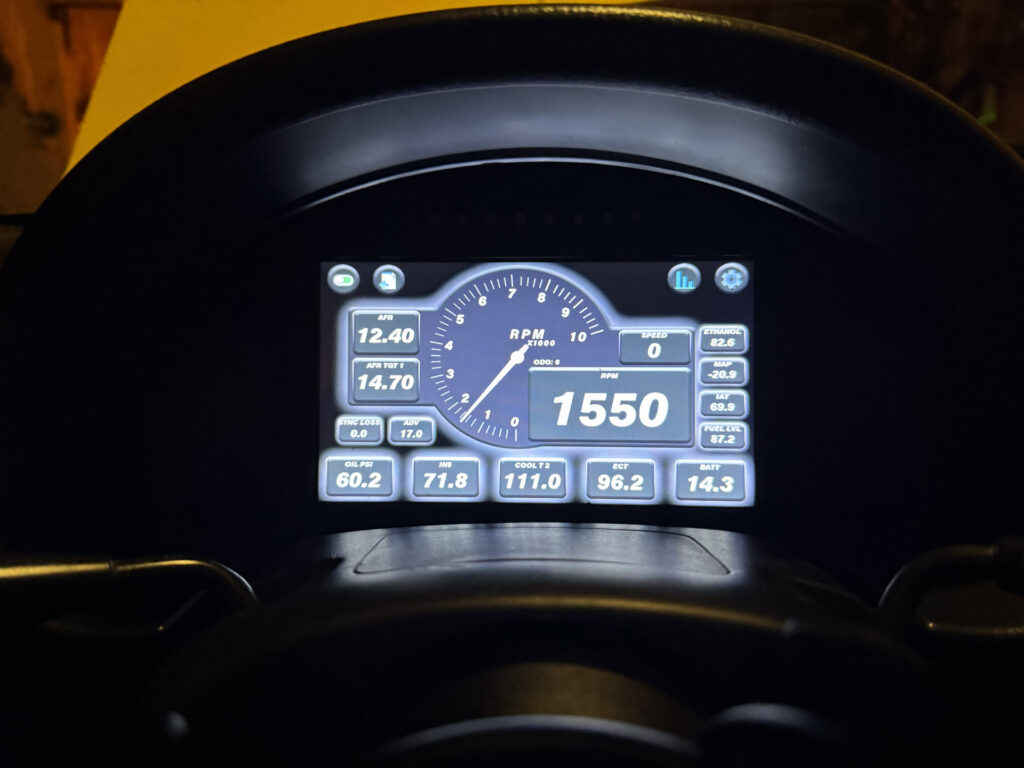
In November, the cockpit was modernized with a Tinker Electronics digital dash. Communicating via the Controller Area Network (CAN bus), the dash provides real-time telemetry, including oil pressure, coolant temperature, manifold air pressure (MAP), and air-fuel ratios (AFR). Programmable warning lights were configured to alert the driver to oil pressure drops or overheating, providing a layer of protection that analog gauges cannot match.
Drivetrain Refinement: Shifters and Differentials
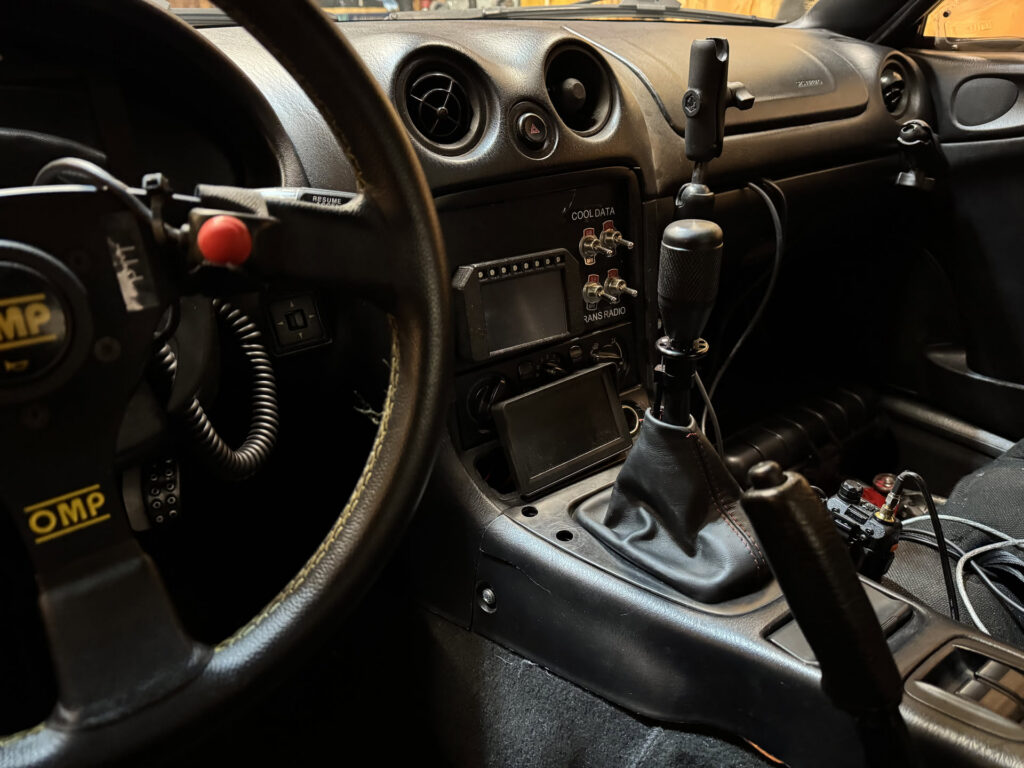
The final phase of the year five technical plan focused on power delivery and ergonomics. In December, a Coolerworx short-throw shifter was installed to replace a previously utilized angled short-throw unit. The Coolerworx design features a stiff external return-to-center spring and adjustable gate stops. These features are designed to eliminate "money shifts"—accidental downshifts into the wrong gear—which are a common risk in the heat of competition. A mechanical reverse lockout further ensures that the driver can aggressively navigate the five-six gate without interference.
In January 2026, the vehicle’s Torsen Type II limited-slip differential (LSD) was replaced with an OS Giken Super Lock LSD, tuned by Supermiata. While the Torsen (torque-sensing) differential is effective for street and light track use, it functions as an open differential if one wheel completely loses contact with the ground or becomes significantly unloaded. The OS Giken unit, a clutch-type LSD, provides more consistent locking force and predictable behavior during high-lateral-G cornering and curb hopping. The team opted to retain the 4.30 final drive ratio, which remains optimal for the power band of the naturally aspirated 1.8L engine when paired with a six-speed transmission.
Economic and Logistic Adjustments in Privateer Racing
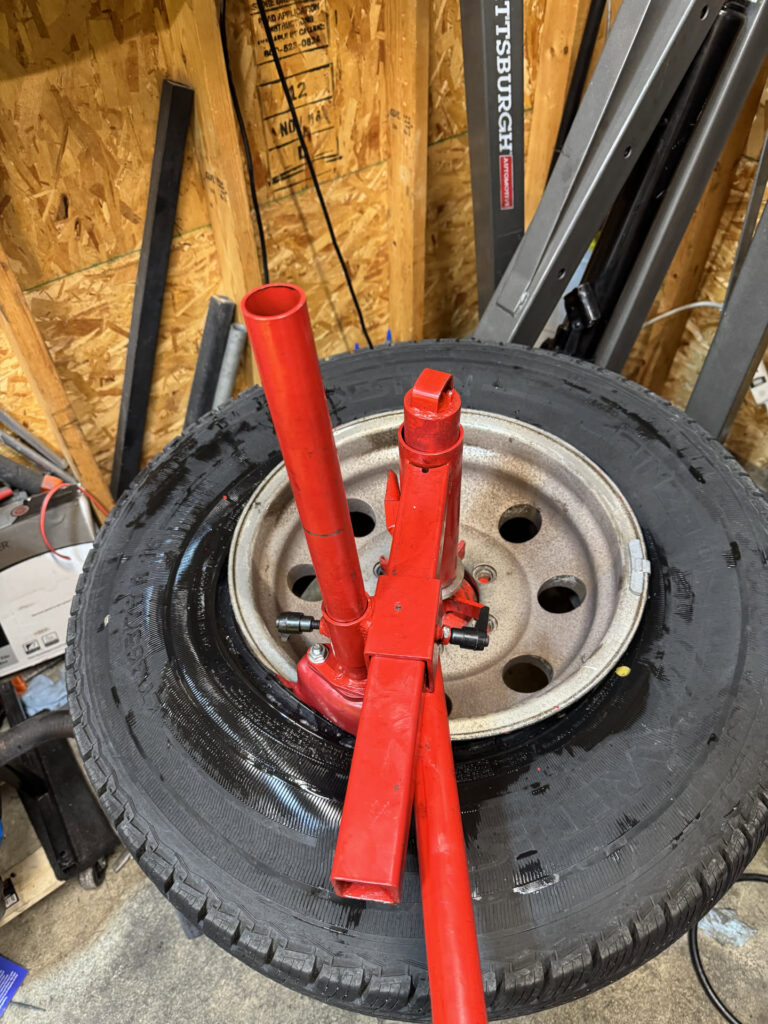
The 2025-2026 period also saw a shift in the logistical management of the racing program. Rising labor costs at commercial tire centers prompted the acquisition of manual tire-mounting equipment, including a modified Harbor Freight changer with a "duckhead" attachment and a bubble balancer. By internalizing tire service, the program reduced its operational overhead, particularly when managing 200-treadwear (200TW) competition tires that require frequent replacement.
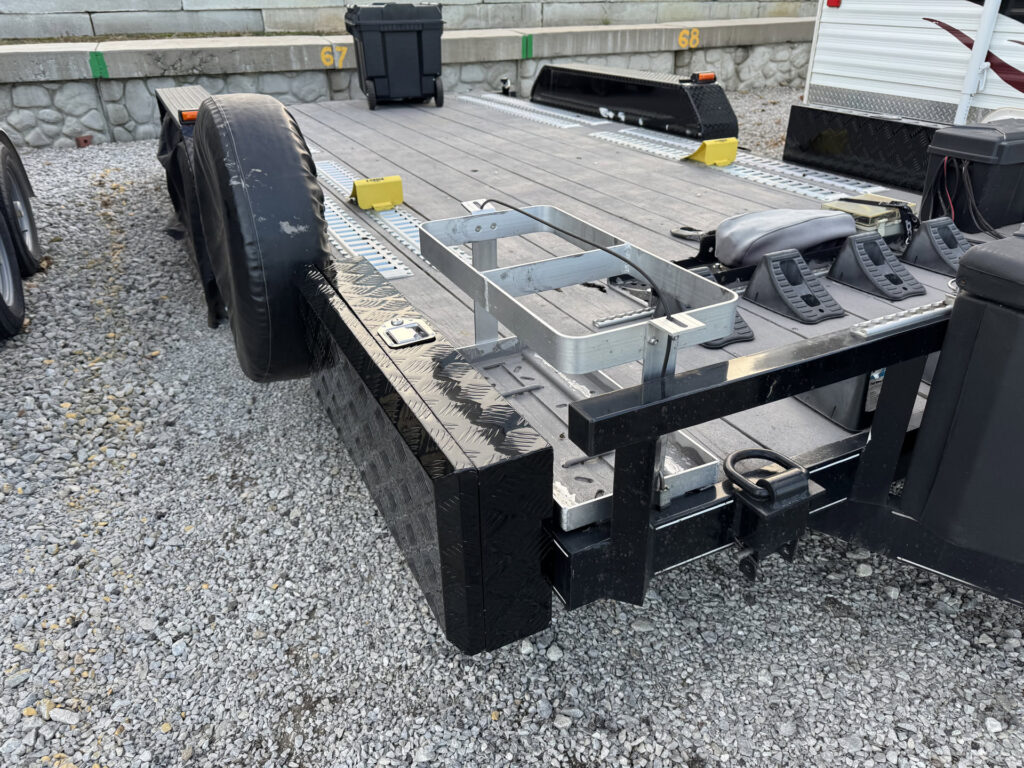
Furthermore, the open car hauler used for transport received significant upgrades, including E-track tie-down systems. Unlike traditional axle straps, E-track systems secure the vehicle by the tires, allowing the car’s suspension to move naturally during transit, which reduces the risk of straps loosening over long-distance hauls.
Expansion of the Fleet: The Street-Track Hybrid
In February 2026, the program expanded with the acquisition of a second NB Miata. Purchased for $1,800, the 2001 model was in a state of neglect, featuring a welded differential and a stripped interior. However, as a rust-free shell equipped with the VVT (Variable Valve Timing) version of the 1.8L engine and a six-speed manual transmission, it represented a high-value platform for a dedicated street car or a secondary test mule.
Within one month, the "rough" 2001 chassis was refurbished with a new soft top, factory interior components, and the 4.30 Torsen differential removed from the primary track car. This move allows for the preservation of the primary "yellow" track car for competition while maintaining a street-legal platform for component testing and recreational driving.
Statistical Summary and Future Implications
By the conclusion of the fifth year of ownership, the primary NB Miata has become a highly refined technical instrument. The 2025 season statistics include:
- Total Laps: 357
- Total Track Time: 10.9 hours
- Total Event Days: 14
- Cumulative Odometer (Track): 1,380 laps / 43.8 hours
While personal best (PB) lap times remained elusive in 2025 due to variable environmental conditions and the mid-season mechanical setbacks, the technical foundation laid during the off-season suggests that 2026 will be a year of high performance. The transition to Drive-by-Wire, the addition of the OS Giken LSD, and the reliability of a custom wiring harness position the vehicle at the top of its class.
The implications of this five-year journey extend beyond a single vehicle. It serves as a case study in the "escalation of commitment" often seen in amateur motorsports, where the pursuit of reliability and incremental speed leads to the adoption of professional-grade engineering solutions. As the platform enters its sixth year, the focus will shift from fundamental reliability to fine-tuning the electronic throttle maps and suspension damping to fully exploit the new drivetrain components.