Chalid Lutfie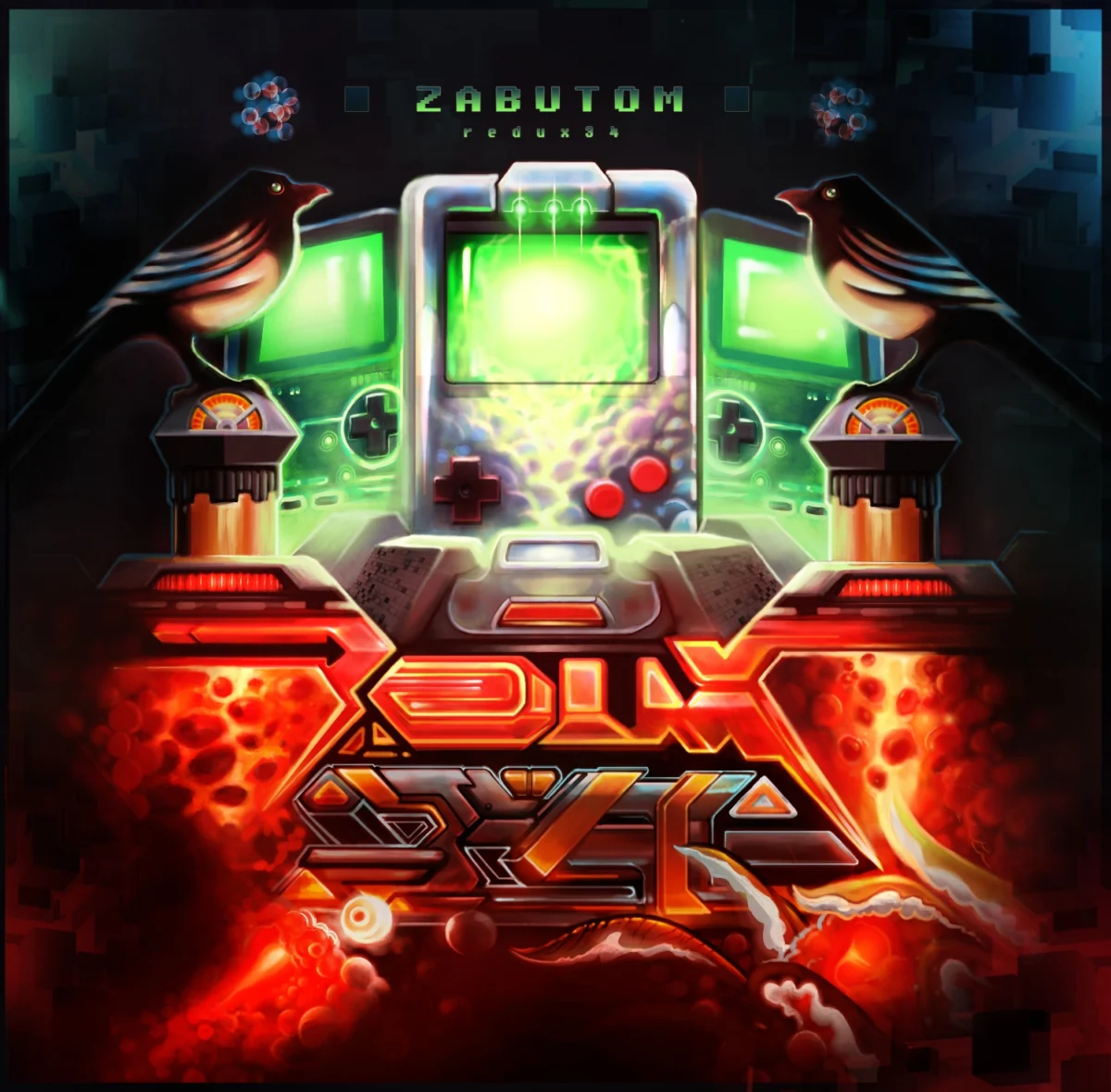
The electronic music landscape has witnessed a significant evolution with the release of Redux34, the latest studio album from the acclaimed Swedish composer Niklas Sjövärd, known professionally as zabutom. Released on September 18, 2015, via the Ubiktune record label, the album represents a sophisticated departure from traditional chiptune boundaries, merging 8-bit Nintendo aesthetics with the expansive textures of progressive rock, Intelligent Dance Music (IDM), and folk-inspired compositions. By integrating the technical limitations of vintage hardware with modern production standards and live instrumentation, Sjövärd has crafted a narrative-driven auditory experience that explores the intersection of nostalgia and futuristic exploration.
The Artistic Profile of Niklas Sjövärd
Niklas Sjövärd, born in 1985, has established himself as a prominent figure within the global chiptune and demoscene communities. His career began in the early 2000s, a period marked by the proliferation of digital subcultures that repurposed legacy computing hardware for artistic expression. Sjövärd’s early work was characterized by his involvement in various demoscene releases—multimedia presentations that pushed the limits of hardware like the Commodore 64 and the Nintendo Entertainment System (NES).
In 2011, Sjövärd released his debut album, Zeta Force, under the Ubiktune banner. The project was a compilation of high-energy tracks inspired by "shoot ’em up" (shmup) video game soundtracks. Zeta Force was widely praised for its melodic complexity and technical proficiency, eventually becoming a staple within the chiptune genre. However, Sjövärd’s ambitions extended beyond the constraints of pure 8-bit synthesis.
His academic background has played a pivotal role in his stylistic development. In 2014, he earned a Bachelor’s degree in composition and electronic music from the Academy of Music and Drama at the University of Gothenburg. This formal training provided him with the tools to incorporate complex music theory, advanced synthesis techniques, and orchestral arrangements into his work. This transition from self-taught demoscene enthusiast to academically trained composer is a defining characteristic of the Redux34 project, which serves as a bridge between his grassroots origins and his professional evolution.
The Genesis and Chronology of Redux34
The development of Redux34 spans nearly seven years, reflecting a tumultuous and iterative creative process. The origins of the album date back to 2008, a time when Sjövärd was beginning to perform regularly at international chiptune festivals using the Game Boy-based software Little Sound DJ (LSDJ). While his early performances focused on dance-oriented chiptune, he harbored a desire to expand the sonic palette of the genre.
The title track, "Redux34," serves as a microcosm of the album’s difficult birth. In 2008, while Sjövärd was finalizing the foundational elements of the track, his LSDJ cartridge suffered a catastrophic system crash, resulting in the total loss of the track’s data. This event forced the composer to reconstruct the composition from memory, leading to the "Redux" designation. The "34" in the title refers specifically to the track’s complex time signature, a nod to Sjövärd’s interest in progressive music structures.
This theme of loss and reconstruction became a recurring motif throughout the album’s production. Several tracks underwent multiple iterations as Sjövärd grappled with lost patterns, technical failures, and evolving mixing standards. The long gestation period was also a result of Sjövärd’s involvement in diverse musical ventures, including experimental electronic projects such as "Friktion" and "Scratches and Petals," as well as "Buchla Boys," a modular live techno duo. Additionally, his work as a guitarist and vocalist in folk-inspired acoustic acts like Fowlcloud and Léonore Boulanger informed the organic, melodic sensibilities found in Redux34.

Technical Analysis and Production Standards
Redux34 is distinguished by its seamless integration of disparate sound sources. The album utilizes the 8-bit "bleeps and bloops" of the NES and Game Boy not as a gimmick, but as a foundational harmonic layer. These digital textures are augmented by:
- Analog Synthesis: The use of warm, thick oscillators provides a counterpoint to the sharp, square-wave sounds of the Nintendo hardware.
- Electric Guitars: Sjövärd incorporates live instrumentation to provide a rock-oriented drive, particularly in tracks that lean toward the progressive rock genre.
- Spaced-Out Delay Textures: Advanced post-production techniques, including complex delay and reverb chains, create a sense of vast, cinematic space.
- Complex Rhythms: Drawing from his IDM influences, the album features intricate drum programming that goes beyond the standard four-on-the-floor beats common in electronic dance music.
The production quality of Redux34 has been noted for its clarity and depth. In a genre where "lo-fi" is often the default aesthetic, Sjövärd has opted for a high-fidelity approach that treats 8-bit sounds with the same reverence as a classical arrangement. The result is a "retro-futuristic" soundscape that feels both grounded in 1980s technology and positioned in a distant, speculative future.
Visual Identity and Collaborative Efforts
The aesthetic presentation of Redux34 was curated to complement its narrative themes of exploration and mystery. The album artwork was created by Anders Karlsson, a concept artist and painter based in Norrköping, Sweden. Karlsson’s work for the album depicts strange, alien worlds that evoke a sense of melancholy and hope—themes that Sjövärd sought to communicate through the music.
The collaboration between Sjövärd and Karlsson highlights the importance of visual storytelling in modern independent music releases. By aligning the auditory experience with a distinct visual world, the project offers a more immersive experience for the listener, moving the album into the realm of a conceptual art piece rather than a simple collection of songs.

Broader Context: The Evolution of Chiptune
The release of Redux34 occurs at a time when the chiptune movement is undergoing a significant transformation. Once a niche hobby confined to internet forums and small underground parties, the genre has increasingly influenced mainstream pop, indie rock, and film scoring. However, within the community, there remains a push toward "chip-fusion"—a subgenre that refuses to be limited by hardware constraints.
Ubiktune, the label behind Redux34, has been at the forefront of this movement. By supporting artists who blend technical 8-bit proficiency with sophisticated songwriting, the label has helped elevate chiptune to a respected form of contemporary electronic music. Redux34 is a prime example of this philosophy, demonstrating that the sounds of childhood gaming consoles can be used to explore mature, complex emotional territories.
Official Commentary and Industry Implications
In statements regarding the album’s release, Sjövärd emphasized the importance of returning to his roots while applying the lessons learned from his academic and experimental excursions. "I very much enjoy making LSDJ dance music, but I wanted to expand on the notion of chip music," Sjövärd remarked. He noted that the delay in releasing these tracks was intentional, as he did not feel he possessed the necessary production skills to do the ideas justice until after completing his previous projects and his formal education.
The industry response to Redux34 suggests a growing appetite for genre-defying electronic music. Critics have pointed to the album’s ability to appeal to multiple demographics: retro-gaming enthusiasts, progressive rock fans, and followers of experimental IDM. By refusing to adhere to a single genre, Sjövärd has positioned himself as a versatile composer capable of navigating both the digital and organic worlds.

Distribution and Availability
Redux34 is being made available across all major digital platforms, including streaming services and digital storefronts. In a move that caters to the dedicated collector market within the chiptune community, a physical CD release has also been produced. This dual-distribution strategy ensures that the album reaches a global audience while providing a tangible artifact for those who value the physical connection to the music and Anders Karlsson’s artwork.
Conclusion
Redux34 stands as a testament to the creative potential of persistence and technical mastery. Through a seven-year journey marked by data loss and artistic discovery, Niklas Sjövärd has produced a work that transcends its 8-bit origins. By blending the precision of computer-generated sound with the soul of live performance and academic composition, Redux34 defines a new standard for the retro-futuristic aesthetic in 2015. As the lines between different musical genres continue to blur, projects like Redux34 provide a roadmap for how artists can honor their past while fearlessly exploring new sonic territories.