Retno Hari Mulyono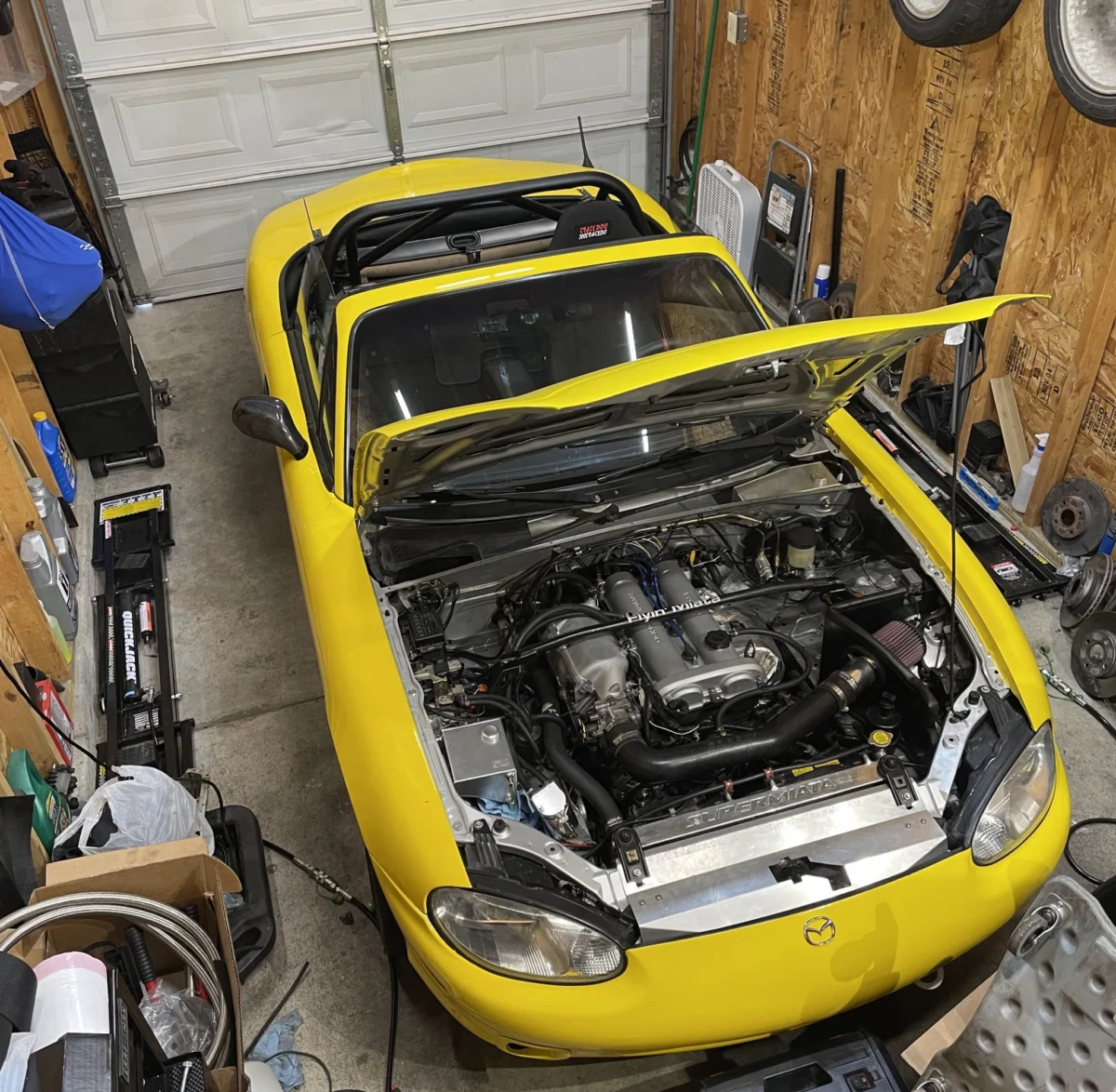
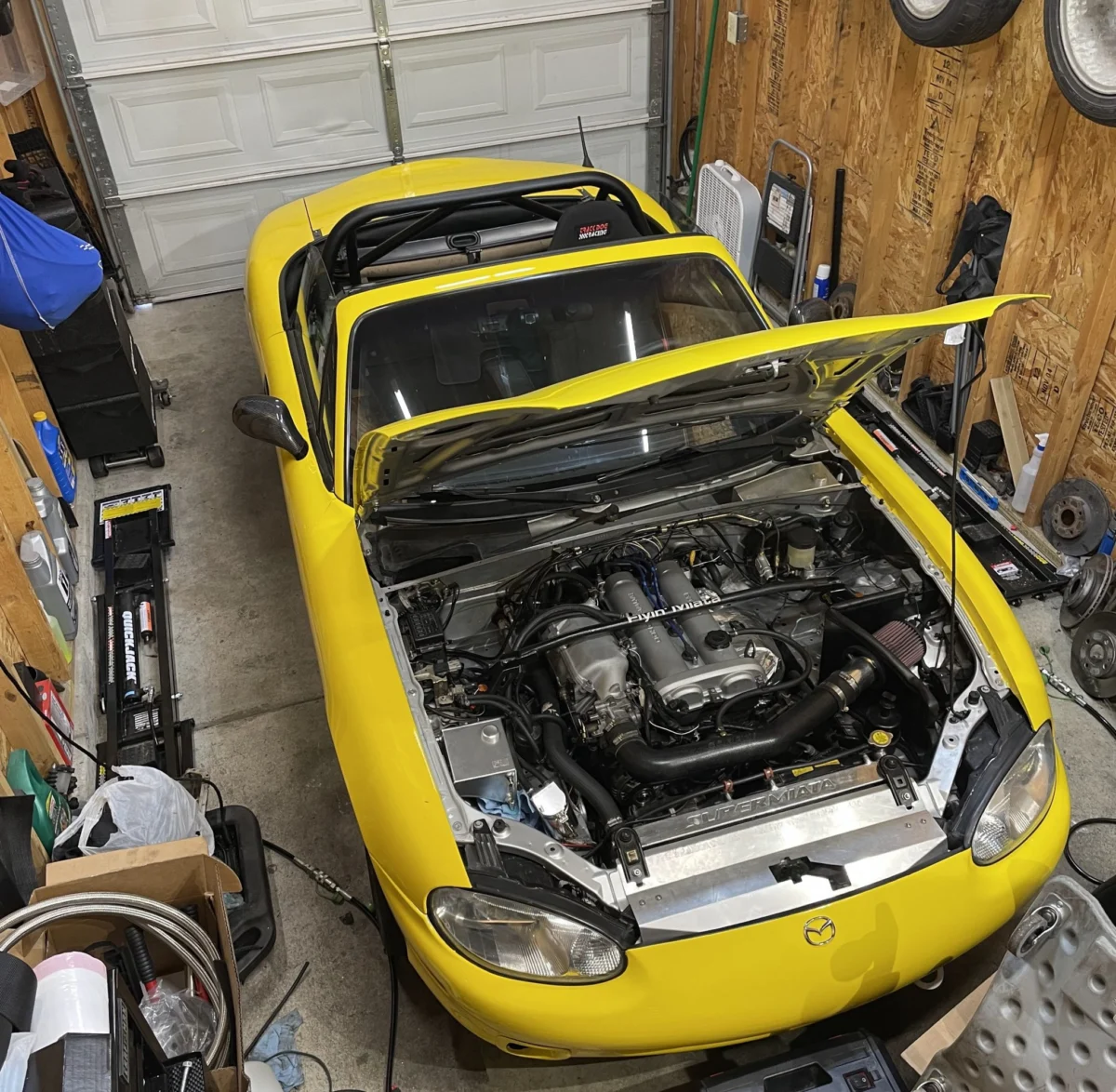
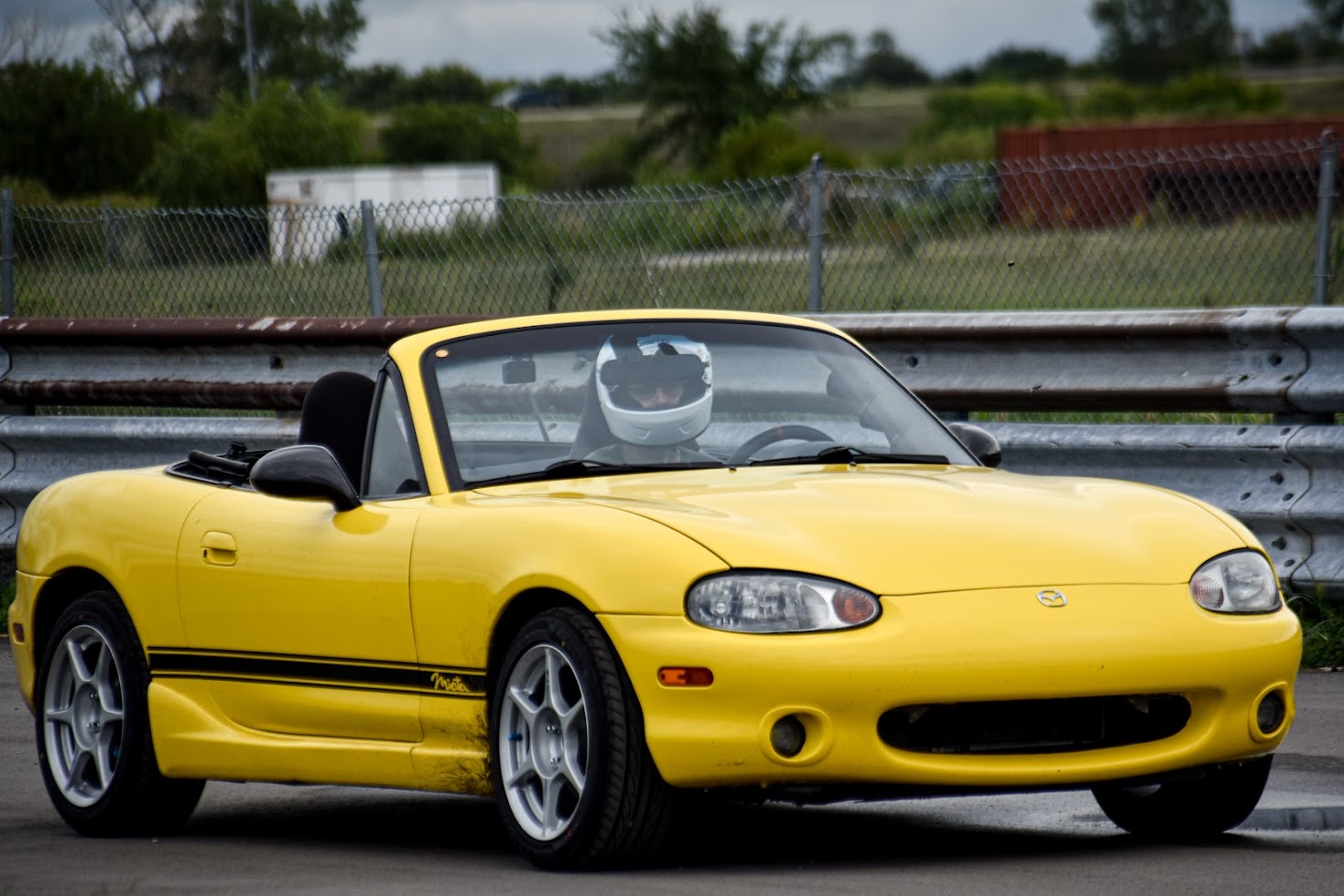
The second-generation Mazda MX-5, known internally as the NB, has long been a cornerstone of the global grassroots racing community, yet as these vehicles surpass two decades of service, the degradation of factory components necessitates a holistic approach to restoration and performance tuning. A recent comprehensive overhaul of an NB Miata chassis exemplifies the technical rigor required to transition a base-model vehicle into a track-capable machine. This modernization effort focused on four critical areas of automotive engineering: rotational mass and hub integrity, bushing material science, drivetrain efficiency through limited-slip differential integration, and high-frequency damping via advanced coilover systems. By addressing the inherent weaknesses of the aging platform while maintaining its celebrated balance, this project serves as a technical benchmark for dual-duty vehicles intended for both public roads and competitive circuit environments.
Chronology of the Chassis Modernization Project
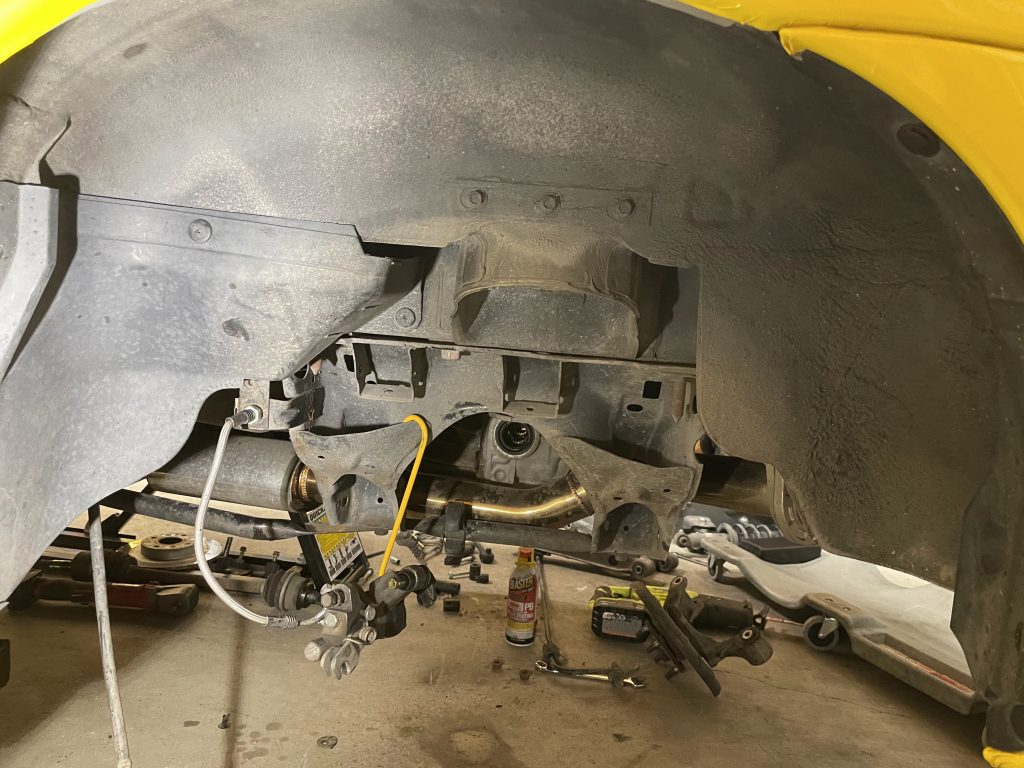
The project was initiated during the winter off-season, a strategic timing window common in the motorsports industry to allow for the extensive disassembly required of suspension components. In the northern climates, such as Nebraska, the primary obstacle in suspension restoration is often oxidation and galvanic corrosion. The timeline began with a complete teardown of the front and rear sub-assemblies. This phase revealed the typical challenges associated with high-mileage Miatas: "frozen" long bolts in the rear lower control arms and the notoriously difficult power plant frame (PPF) fasteners.
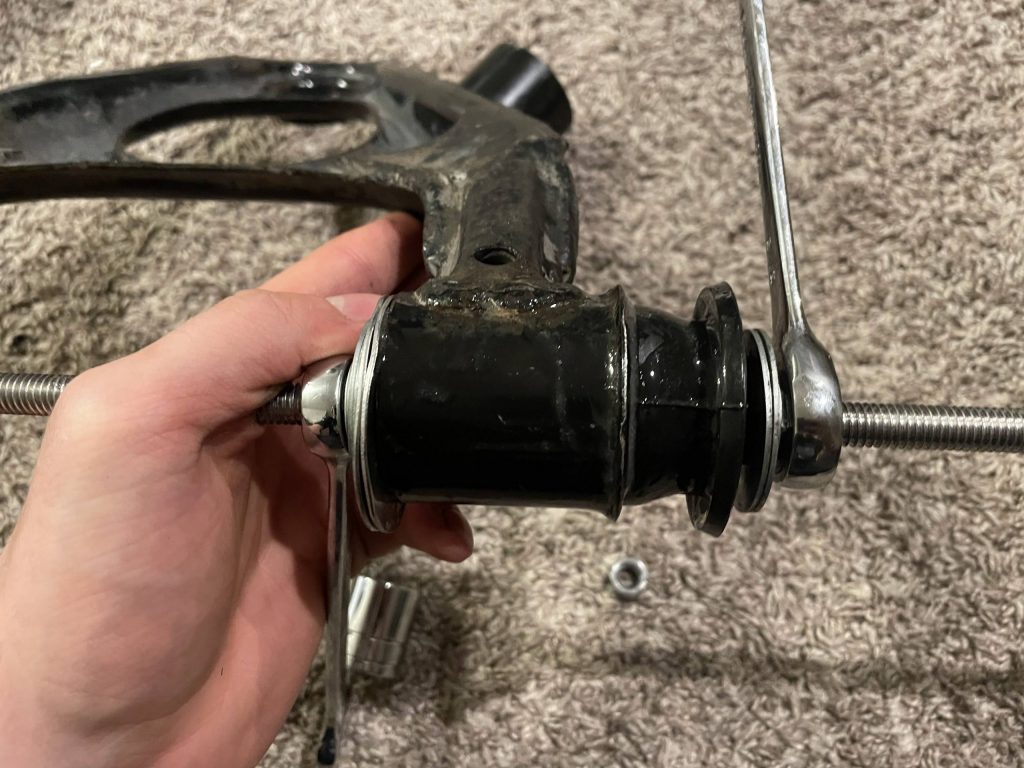
Following the disassembly, the project entered the component preparation phase. This involved the extraction of original equipment manufacturer (OEM) rubber bushings—many of which had reached the end of their service life after 20 years—and the inspection of control arms for structural integrity. The reassembly phase followed a strict sequence, beginning with the installation of the limited-slip differential and progressing outward to the hubs, control arms, and finally the damping system. The final stage involved static ride height adjustments and a comprehensive alignment to calibrate the new geometry for the upcoming racing season.
Drivetrain Evolution: The 4.30 Torsen Differential Integration
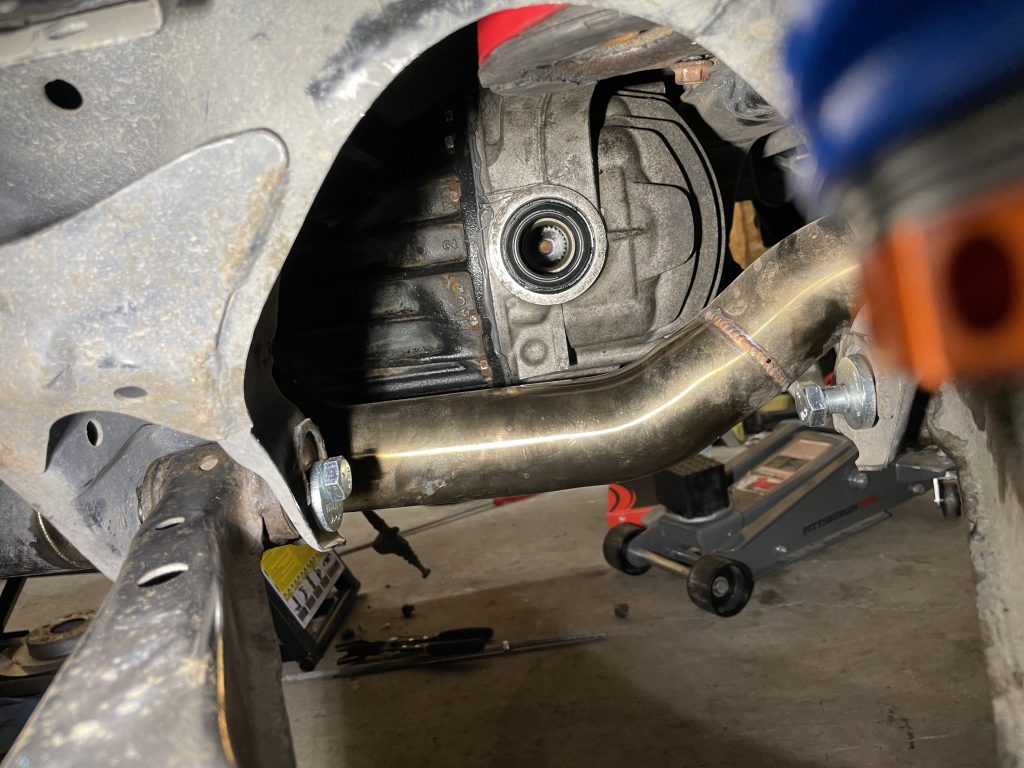
One of the most significant performance bottlenecks for base-model NB Miatas is the factory "open" differential, which lacks the ability to distribute torque effectively between the rear wheels during high-lateral-load cornering. To rectify this, the project utilized a 4.30 ratio Torsen Type 2 limited-slip differential. The 4.30 final drive ratio is particularly coveted in the Miata community for its ability to maximize the acceleration potential of the naturally aspirated BP-series engine, which produces modest torque figures.
Market data indicates that 4.30 Torsen units have seen a significant surge in valuation, often exceeding $1,000 USD due to their eligibility and requirement in various Spec Miata racing classes. However, this project demonstrated that patient sourcing could yield significant cost savings, with the core unit acquired for approximately $250. The installation process involved migrating the Torsen internals into the existing aluminum carrier housing, colloquially known as the "pumpkin." To complement the increased mechanical grip of the Torsen, the project integrated polyurethane differential bushings. Unlike OEM rubber, which is designed to prioritize NVH (noise, vibration, and harshness) reduction, polyurethane offers a higher durometer rating, minimizing differential "wheel hop" and ensuring more direct power delivery to the axles.

Material Science in Chassis Rigidity: Bushing Selection
The debate between rubber and polyurethane bushings is a central theme in chassis tuning. This project opted for IL Motorsports stiffened rubber control arm bushings. These components offer a middle ground between the soft factory rubber and the high-maintenance requirements of polyurethane or bronze-bearing kits. The IL Motorsports units are engineered to a stiffness level comparable to the Mazdaspeed competition parts, providing a more stable pivot point for the control arms without the need for periodic lubrication or the risk of "cold flow" deformation associated with some plastics.
Technical challenges during the bushing installation highlighted the risks of improper tool usage. The use of a hydraulic press on the rear upper control arms, if not properly supported, can lead to structural deformation. Engineering best practices for the Miata platform suggest the "threaded rod" method, which applies force more evenly across the bushing sleeve. This approach mitigates the risk of bending the stamped-steel arms, a common failure point for inexperienced technicians.
Advanced Damping Systems: The Implementation of Xida Race Technology
The centerpiece of the suspension overhaul is the transition to Supermiata Xida Race coilovers. In the hierarchy of Miata suspension, Xidas are positioned as a premium solution, utilizing high-end internal valving and 800 lbs/in front and 500 lbs/in rear spring rates. These rates are significantly higher than factory specifications but are balanced by sophisticated damping curves that allow the vehicle to remain composed over road imperfections.
Data from track testing suggests that high-end dampers like the Xida system provide superior "blow-off" characteristics, meaning the shock can react quickly to high-velocity impacts (like hitting a curbing on a track) while maintaining firm control during low-velocity movements (like body roll during turn-in). The inclusion of helper springs ensures that the main springs remain seated even under full suspension droop, a critical safety feature for a car that may encounter uneven terrain. While the project noted a ride height reduction of 0.5 to 0.75 inches, the primary benefit was identified as the elimination of the "floaty" sensation inherent in the aging stock dampers, replaced by a planted, high-speed stability.
Preventative Maintenance and Hub Integrity
A critical but often overlooked aspect of the refresh was the replacement of the wheel hubs and bearings. The Mazda Miata is known to have a "weak link" in its front hub design when subjected to the high heat and load of track use with R-compound tires. While various aftermarket "billet" hubs exist for professional racing, this project utilized Centric front hubs and rebuilt OEM rear knuckles from Treasure Coast Miata.
By replacing these components proactively, the vehicle’s service history is effectively reset. This is a standard procedure in professional motorsports, where components are "lifed"—meaning they are replaced after a certain number of hours or miles regardless of whether they have failed. The integration of a Supermiata front-end service kit, including new lower ball joints, tie rod ends, and upper ball joints, further ensures that the steering rack’s inputs are translated to the road without the "play" associated with worn-out spherical joints.
Broader Implications and Market Analysis
The systematic upgrading of the NB Miata platform reflects a broader trend in the automotive enthusiast market toward "restomodding" late-90s and early-2000s sports cars. As new vehicle prices rise and electronic driver aids become more intrusive, the mechanical purity of the NB Miata has driven up demand for high-quality aftermarket support.
Industry analysts note that companies like Supermiata and Flyin’ Miata have seen sustained growth by providing engineered solutions that modernize these classic platforms. The decision to retain stock sway bars in this specific build, while upgrading to 800/500 spring rates, reflects a nuanced understanding of suspension independence. By utilizing stiffer springs to control body roll, the technician preserves the independent nature of the suspension, preventing the "cross-talk" between wheels that can occur with oversized sway bars. This approach is increasingly favored for "dual-duty" cars that must navigate both the smooth surface of a race track and the irregular pavement of public infrastructure.
Conclusion and Future Outlook
The comprehensive suspension and drivetrain refresh of the NB Miata demonstrates that the platform remains a viable and highly capable contender in the modern performance landscape. Through the strategic application of Torsen limited-slip technology, advanced damping via Xida coilovers, and a rigorous adherence to preventative maintenance, the vehicle has been transformed from a depreciated commuter into a precision instrument.
As the project moves out of the winter workshop and onto the track, the focus will shift to fine-tuning. The move from an open differential to a Torsen 4.30 ratio is expected to yield immediate dividends in lap times, particularly in "point-and-shoot" corners where traction was previously limited. While the impact of stiffer rubber bushings may be subtle in daily transit, their contribution to maintaining alignment geometry under high G-loads is a vital component of the vehicle’s overall performance envelope. This project underscores the reality that in the world of automotive performance, the sum of integrated, high-quality components far exceeds the value of any single modification.