Ganda Hendra Perkasa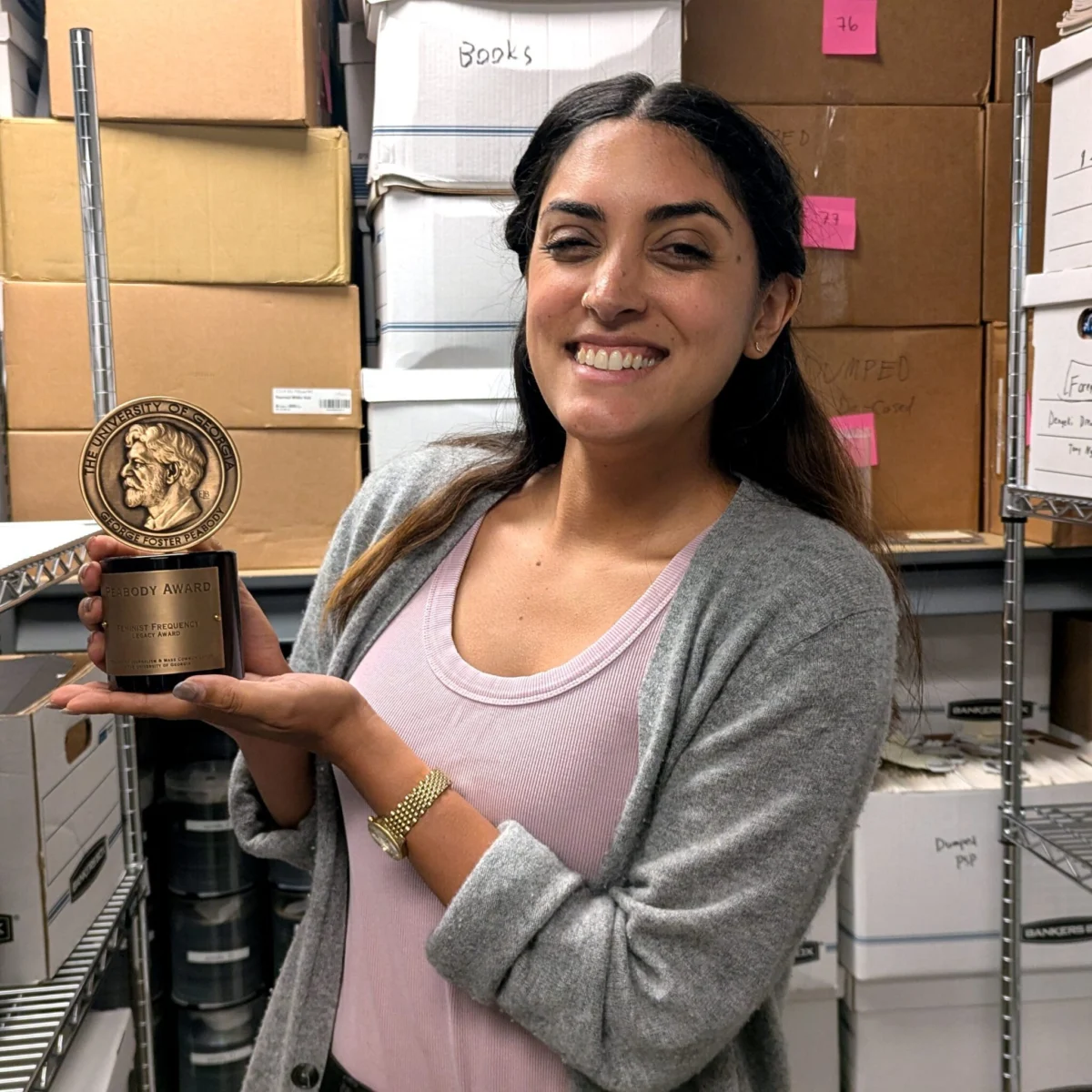
The Video Game History Foundation (VGHF) has announced the appointment of Meera Swanson as its new Development Manager, a pivotal role tasked with cultivating and strengthening relationships with the organization’s dedicated supporters. Swanson’s arrival signifies a strategic expansion of the VGHF’s fundraising and community engagement efforts, aiming to ensure the continued growth and sustainability of its mission to preserve the rich history of video games. Her tenure begins at a crucial juncture for the foundation, as the digital and physical landscape of gaming history continues to expand, presenting both unprecedented opportunities and significant preservation challenges.
Swanson brings a decade of experience in nonprofit development, with a background spanning education, youth development, and legal aid. Her expertise encompasses a comprehensive range of fundraising activities, including event organization, grant writing, and donor relations. This extensive experience is now being channeled towards the unique challenges and rewards of preserving video game history. Her personal passion for gaming, encompassing a broad spectrum of genres from classic RPGs like Final Fantasy and the Legend of Zelda series to contemporary zombie and horror titles, provides a deeply personal connection to the VGHF’s core mission. This blend of professional acumen and genuine enthusiasm positions her to effectively communicate the importance of the VGHF’s work to a diverse range of potential donors and partners.
The Video Game History Foundation, established in 2017 by Frank Cifaldi, operates on the foundational principle that video games are a vital component of global culture and deserve comprehensive historical documentation and preservation. The organization’s work is crucial in an era where digital obsolescence, proprietary file formats, and the ephemeral nature of online content pose significant threats to the long-term accessibility of video game history. The VGHF actively collects, preserves, and provides access to a vast array of materials, including software, hardware, design documents, marketing materials, and personal papers of developers and industry figures. Their efforts aim to democratize access to this history, empowering anyone to become a video game historian.
A Strategic Appointment Amidst Growing Preservation Needs
Swanson’s appointment comes at a time when the scale of video game history is increasingly recognized. The industry, which began as a niche hobby, has evolved into a multi-billion dollar global enterprise, influencing art, technology, and social interaction. The rapid pace of technological advancement, however, means that much of this history is at risk of being lost. Older consoles, obsolete software formats, and the sheer volume of digital content require constant attention and resources for preservation. The VGHF’s work is not merely archival; it involves active research, restoration, and the creation of accessible digital platforms, such as their extensive digital archive, which houses a growing collection of scanned documents, magazines, and other ephemera.
The VGHF’s collection is curated through donations from developers, collectors, journalists, and enthusiasts, reflecting a collaborative approach to historical preservation. This decentralized model of acquisition highlights the widespread recognition of the foundation’s vital role. Swanson’s mandate includes fostering these relationships and encouraging continued contributions, thereby expanding the scope and depth of the VGHF’s holdings. Her role is integral to securing the financial stability necessary for these complex and resource-intensive preservation activities.
Early Observations and Collection Highlights
In her initial month, Swanson has expressed profound admiration for the VGHF’s expansive efforts and the collaborative spirit that underpins them. She notes that the organization’s mission to make video game history accessible to everyone is not merely an aspiration but a guiding principle that informs every operational decision. This commitment is evident in the foundation’s meticulous cataloging of its collection and its ongoing digitization projects, which are designed to overcome geographical and accessibility barriers.
Swanson’s personal engagement with the VGHF’s collection has already yielded specific examples that underscore the breadth and significance of its holdings. Among these are:
-
Official Xbox Magazine Presents Zombies!: This issue, from 2009, serves as a tangible link to a specific era of gaming, offering insights into the burgeoning popularity of zombie-themed games and broader industry trends. For Swanson, rediscovering this magazine, which she recalls owning in her youth, provided a deeply personal connection to the past. Such artifacts are crucial for understanding not only the games themselves but also the cultural context in which they were released and received. The inclusion of early coverage of titles like BioShock 2 provides valuable historical context for the evolution of game design and narrative.
-
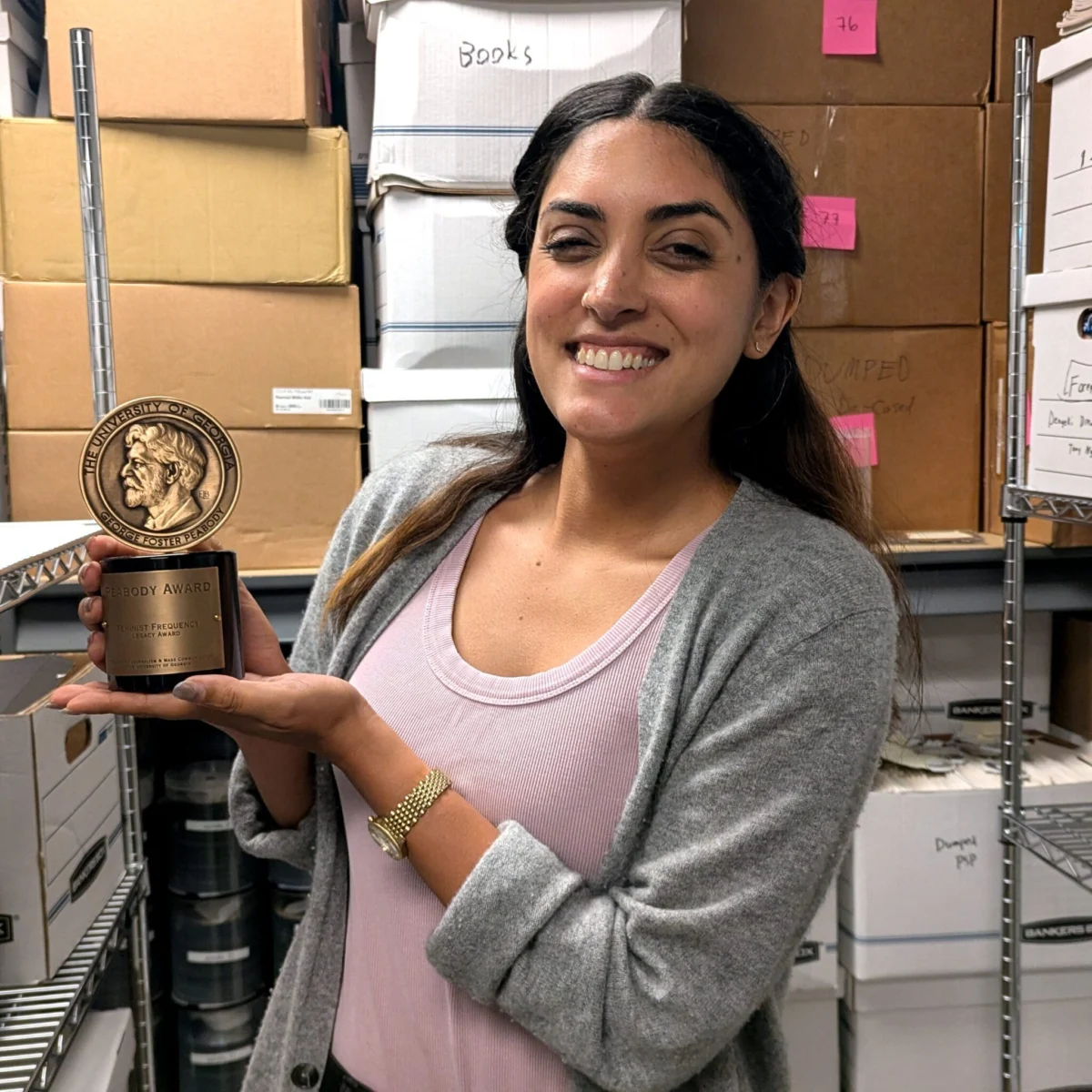
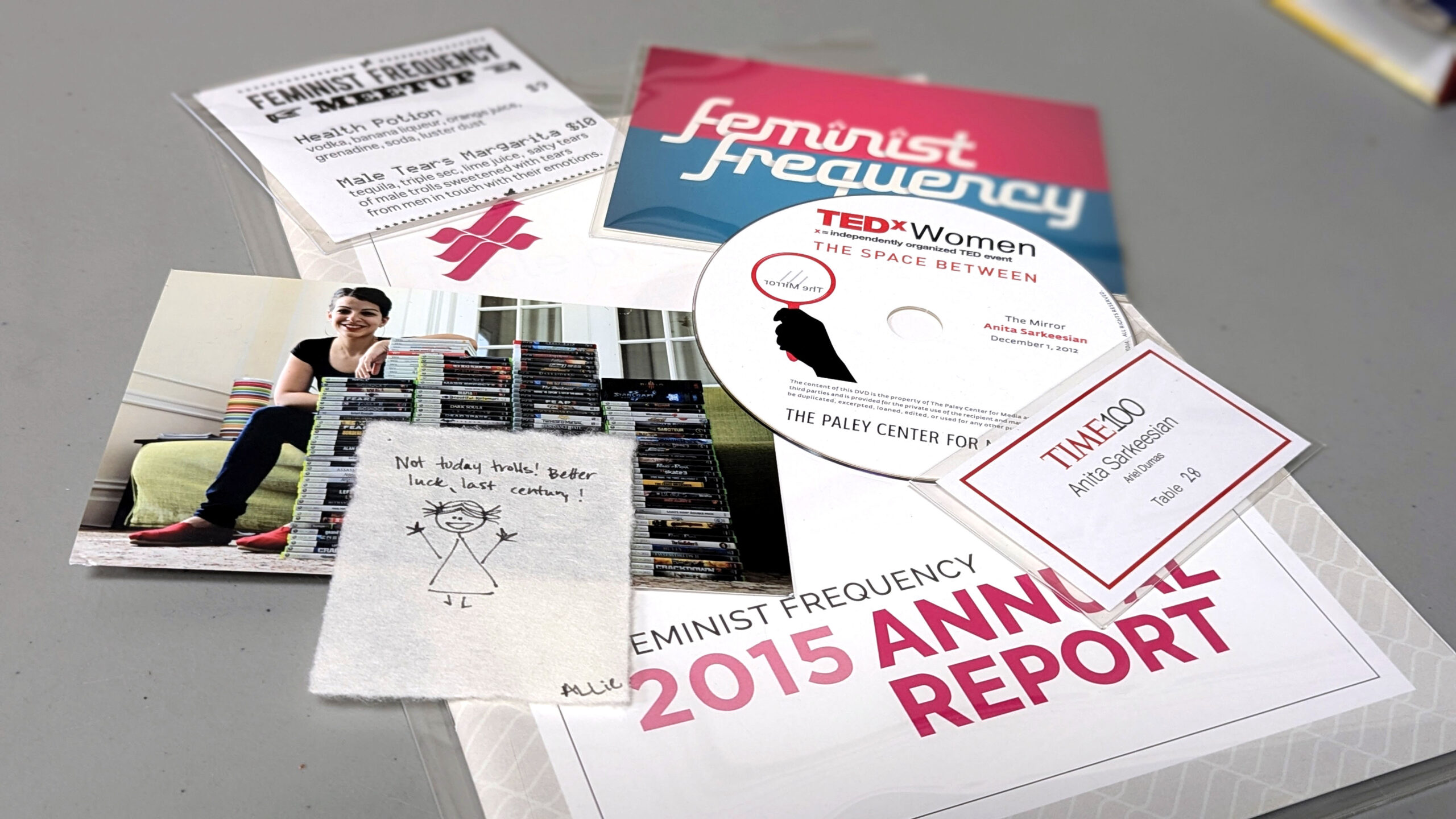
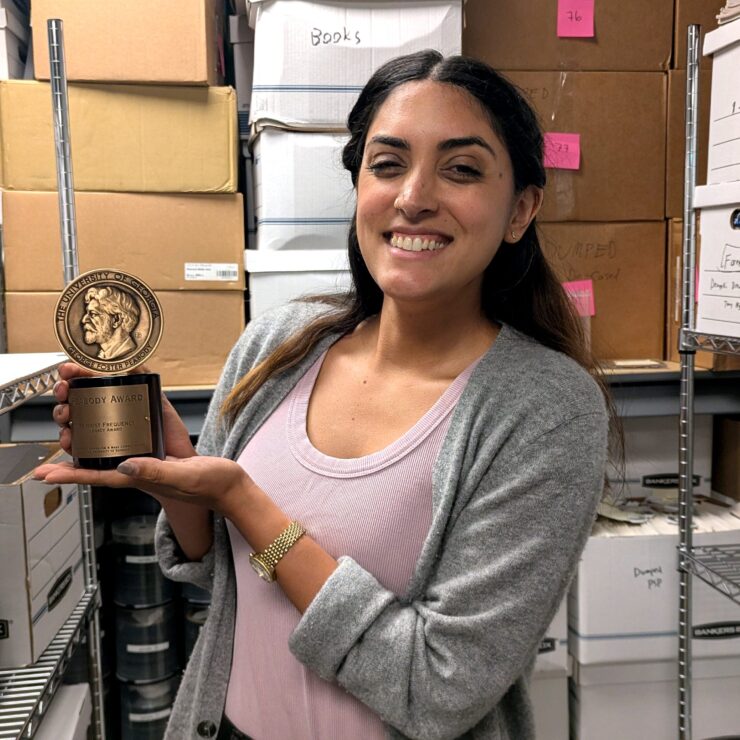
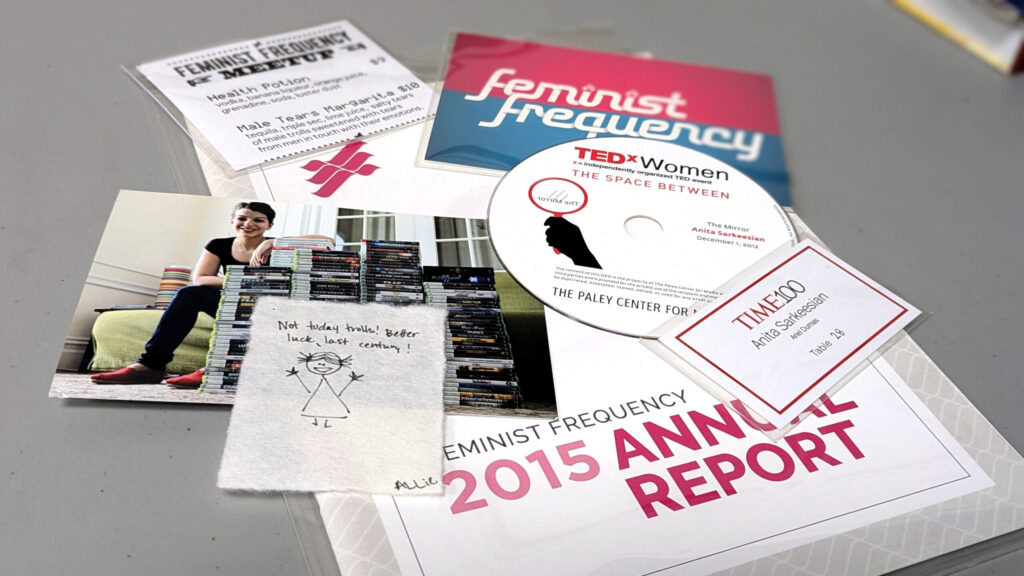
The Feminist Frequency Collection: This collection, associated with Anita Sarkeesian’s influential "Tropes Vs. Women in Video Games" series, represents a critical contribution to the cultural analysis of video games. Sarkeesian’s work challenged traditional portrayals of women in gaming and sparked significant discourse within the industry and among players. Swanson’s personal admiration for Sarkeesian’s impact on her own understanding of games as a cultural medium is highlighted by her discovery of the original research materials and even Sarkeesian’s Peabody Award. This collection is a testament to the VGHF’s commitment to preserving materials that document the evolving social and critical dialogues surrounding video games.
-
Original Hand-Drawn Art from Disney’s Aladdin for the Sega Genesis: The preservation of the original hand-drawn animation cels and design documents for this iconic 1993 game provides invaluable insight into the cross-pollination of animation and video game development. The VGHF’s documentation details how these assets were shared between Disney animators and game developers, ensuring a high degree of visual fidelity and artistic integrity. The accompanying blog post on the game’s source code further illuminates the technical innovations that contributed to its distinctive visual style. This artifact exemplifies the VGHF’s dedication to preserving the creative processes behind seminal game titles.
These highlights represent just a fraction of the VGHF’s holdings, which continue to grow as more materials are processed and digitized. The backlog of uncataloged items underscores the ongoing need for resources to support the foundation’s preservation infrastructure.

The Broader Implications of Video Game History Preservation
The work of the Video Game History Foundation has significant implications beyond mere historical record-keeping. By preserving and making accessible the history of video games, the VGHF contributes to:
-
Cultural Understanding: Video games are a dominant form of modern entertainment and a significant cultural artifact. Their history reflects technological advancements, artistic innovation, and evolving societal values. Understanding this history is essential for a comprehensive understanding of 20th and 21st-century culture.
-
Academic Research: The VGHF’s archives provide invaluable primary source material for scholars across disciplines, including media studies, computer science, sociology, and art history. Access to original game code, design documents, and developer interviews facilitates in-depth research into game design, narrative theory, and the socio-economic impact of the industry.
-
Industry Innovation: By studying the successes and failures of past game designs, developers can gain insights that inform future innovation. Understanding the evolution of gameplay mechanics, storytelling techniques, and technological limitations can inspire new approaches and prevent the repetition of past mistakes.
-
Technological Stewardship: The preservation of game software and hardware is intrinsically linked to the challenges of digital preservation. The VGHF’s efforts contribute to developing best practices and understanding the long-term viability of digital data.
The VGHF’s commitment to making its collection accessible through its digital archive is a crucial step in democratizing historical knowledge. This approach acknowledges that history is not solely the domain of academics but a shared heritage that belongs to everyone.
Future Directions and Community Engagement
Looking ahead, Swanson emphasizes her desire to foster a strong and engaged community of supporters. She plans to facilitate opportunities for connection, allowing individuals to share their passion for video game history and understand how their contributions directly impact the foundation’s ability to preserve and share these invaluable resources. The VGHF actively seeks engagement through various channels, including its Discord server and monthly Patreon member hangouts, providing platforms for direct interaction and feedback.
Swanson’s outreach extends an open invitation to the community to share their motivations for supporting the VGHF and their vision for its future. This collaborative approach is central to the foundation’s operational philosophy, recognizing that the preservation of video game history is a collective endeavor. As Meera Swanson steps into her role, the Video Game History Foundation is poised for a new phase of growth and engagement, reinforcing its position as a vital custodian of our digital heritage. The ongoing efforts to secure and share the history of video games are a testament to the enduring cultural significance of this medium and the dedication of those committed to its preservation.